- Implementation of the Hybrid Intelligence architecture that optimizes processing between the local NPU and the Azure cloud.
- Launch of specialized hardware with NPU capable of executing 40 trillion operations per second to reduce latency.
- New system features such as Recall, Cocreator, and Autopilot enable proactive interaction with Windows files and settings.
- Strengthening security through Microsoft Execution Containers to isolate AI agent activity.
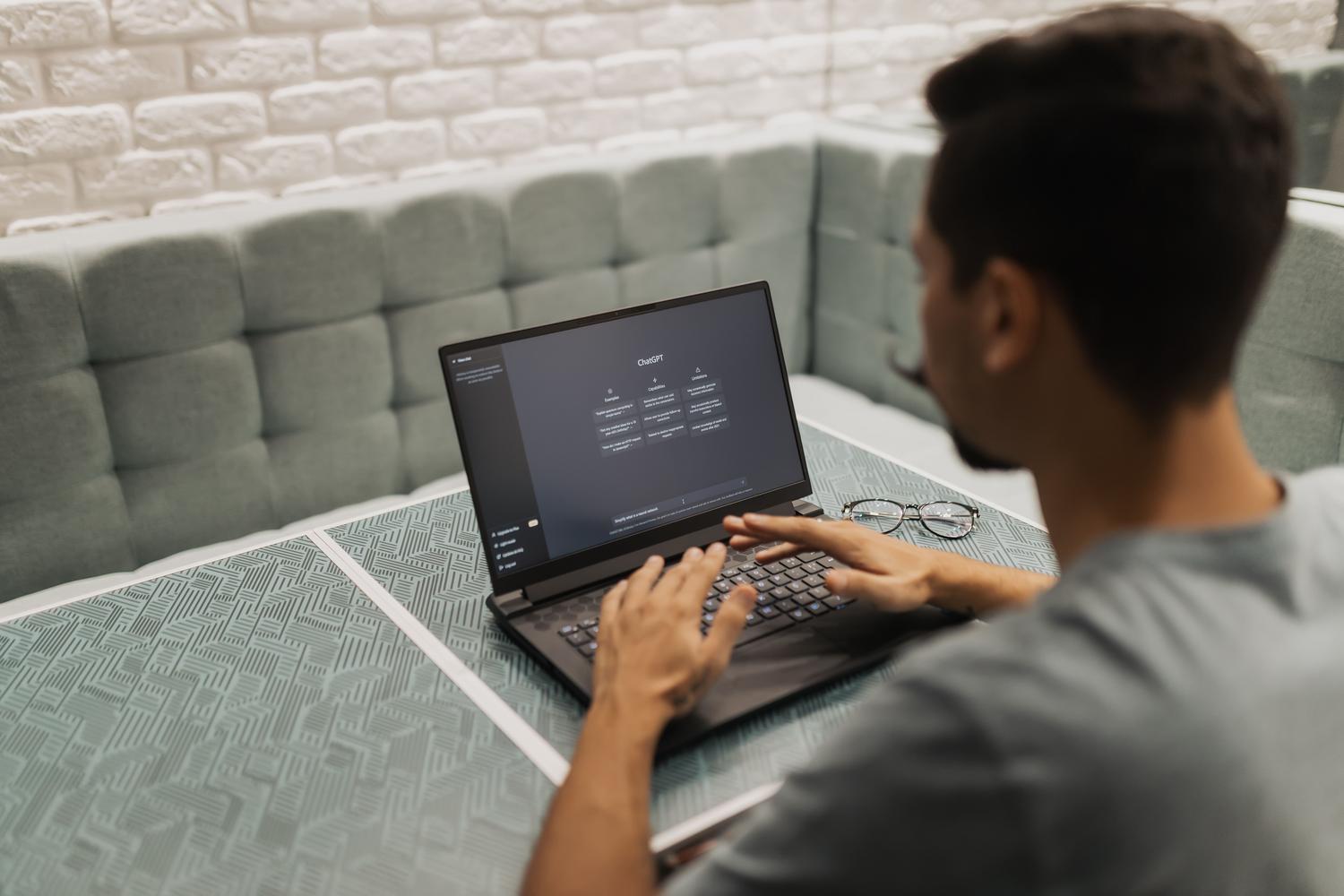
Microsoft has decided to radically change the way we interact with our computers, aiming to make artificial intelligence not just a complement, but the core of the Windows 11 experience. The goal is clear: to move from an assistant that only answers questions to a proactive system capable of executing tasks directly on the computer, optimizing each process so that the user doesn't have to do all the heavy lifting manually.
To achieve this leap, Copilot+ PCs have been born, a new generation of hardware that redefines the concept of a personal computer. We're not just talking about a software update, but a complete reinvention encompassing everything from chips to the cloud, enabling AI to operate both locally and remotely, delivering a level of fluidity that until now seemed like science fiction.
Hybrid Intelligence architecture: the best of both worlds
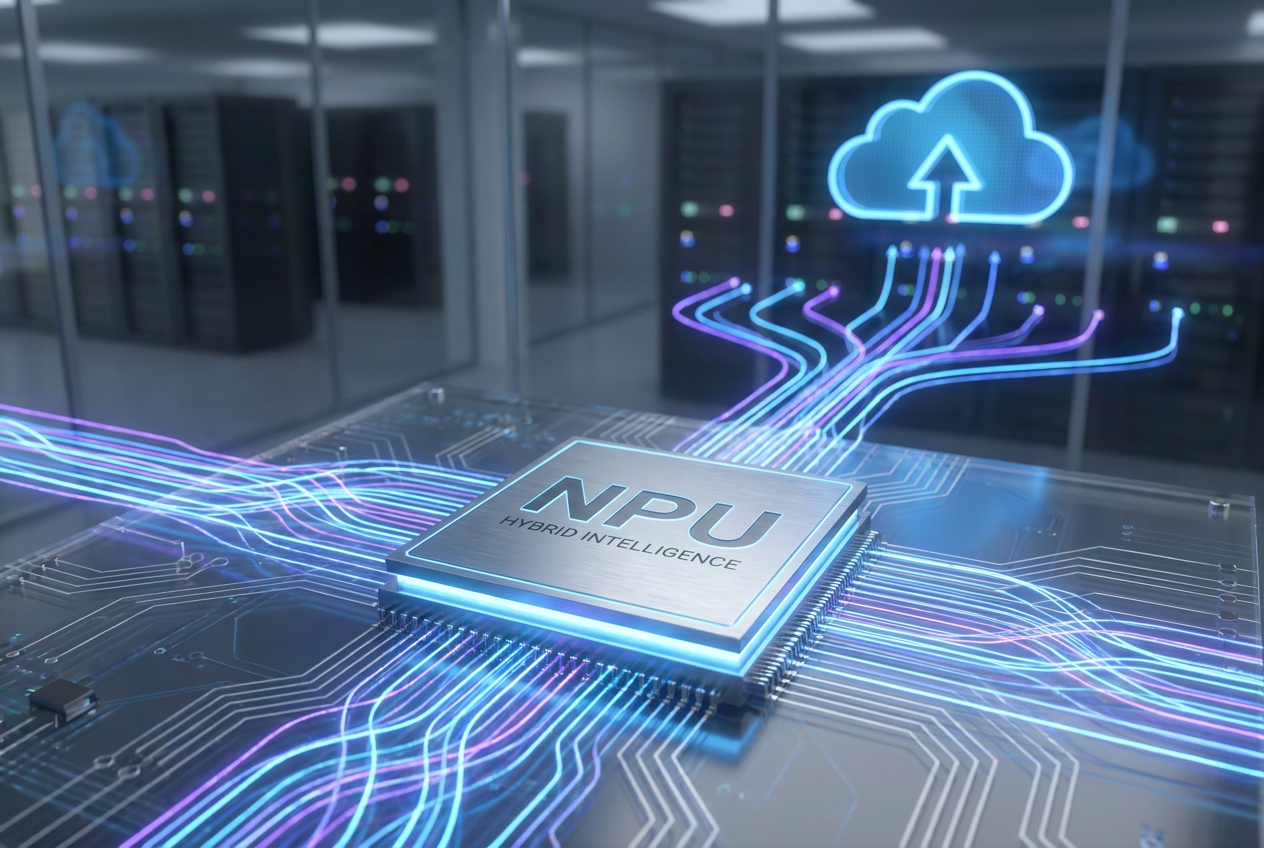
The cornerstone of this strategy is Hybrid Intelligence. Essentially, it involves a smart balance where the computer decides whether to process information locally or leverage the power of the cloud. By using the device's own resources for everyday tasks , response times are significantly faster, and, most importantly, sensitive data is prevented from traveling over the internet, thus enhancing privacy.
To make this possible, Microsoft has integrated llama.cpp into Windows ML, making it easier for open models to run using the CPU, GPU, or NPU. In addition, developers have access to GitHub HydraFusion, a tool that allows them to switch between local and remote models depending on the project's complexity, integrating seamlessly with environments like Visual Studio Code.
Specialized hardware: The brain of the Copilot+ PC
What sets these devices apart from a conventional laptop is the inclusion of an NPU (Neural Processing Unit). This component is specifically designed to handle AI workloads without draining the battery or slowing down the rest of the system. Thanks to this architecture, the devices can reach 40 trillion operations per second , combining the power of the CPU and GPU in a coordinated workflow.
There are two types of PCs depending on the user's needs. On the one hand, there are the Copilot+ PCs, designed for everyday use and general productivity. On the other hand, there are the Builder PCs, machines designed for professionals and developers who require configurations with up to 128 GB of unified memory and the capacity to manage massive language models exceeding 120.000 billion parameters, supported by technologies such as NVIDIA RTX Spark.
Game-changing features in Windows 11
The integration of local AI has brought with it tools that truly make life easier. Among the most notable are:
- recall: A kind of timeline that allows you to retrieve anything you've seen or done on your PC, whether it's a document, a website, or a message, without having to remember the file name.
- Co-creator: A creative tool that blends freehand drawing with text instructions to generate images in real time.
- Live Captions: An instant subtitle system that translates any audio, whether or not it is connected to the internet, directly into English.
- Autopilot: An advanced agent capable of maintaining active tasks and acting on its own initiative to complete complex processes.
Furthermore, Windows search has evolved. Now we can use natural language to adjust screen brightness , activate dark mode, or mute the computer simply by typing it in the taskbar, making system management much more intuitive.
Security, Privacy and Collaborations
Giving AI access to our files and settings can be a little scary, and Microsoft knows it. That's why they've launched Microsoft Execution Containers (MXC). This technology creates isolated environments where AI agents operate under strict restrictions, controlling exactly which files or network connections they can access, thus preventing potential security breaches.
As for the ecosystem, the company isn't going it alone. They've partnered with giants like Adobe (Photoshop, Premiere Pro), DaVinci Resolve, and CapCut so their applications can take advantage of this local power. Likewise, manufacturers like ASUS, HP, Dell, Lenovo, and Samsung are already integrating these capabilities into their latest product lines, including dedicated physical keys to instantly summon Copilot .
Real-life impact and accessibility
For professionals, this translates to flawless video calls thanks to Windows Studio Effects, which offer precise background blur and professional portrait lighting. Students, meanwhile, can break down language barriers with real-time translation, while content creators can optimize their video post-production using hardware-integrated AI tools.
This transition to smart computing is not just about power, but also sustainability. Many of the new models are optimized for much more efficient energy consumption , demonstrating that raw performance can be achieved without harming the environment or battery life.
The arrival of these hybrid capabilities means that the computer is no longer a passive tool but an active collaborator. With the combination of powerful NPUs, secure containers, and deep integration into Windows 11, the Copilot+ PC ecosystem lays the foundation for an era where local AI and the cloud work in harmony to make our lives simpler and more productive.