- Resin printing is the most recommended technology for manufacturing small and precise headphone parts.
- When a previous digital file does not exist, it is necessary to perform a 3D scan of the original piece to recreate it.
- A viable and economical alternative to 3D design is the acquisition of lower-end models that share the same casing.
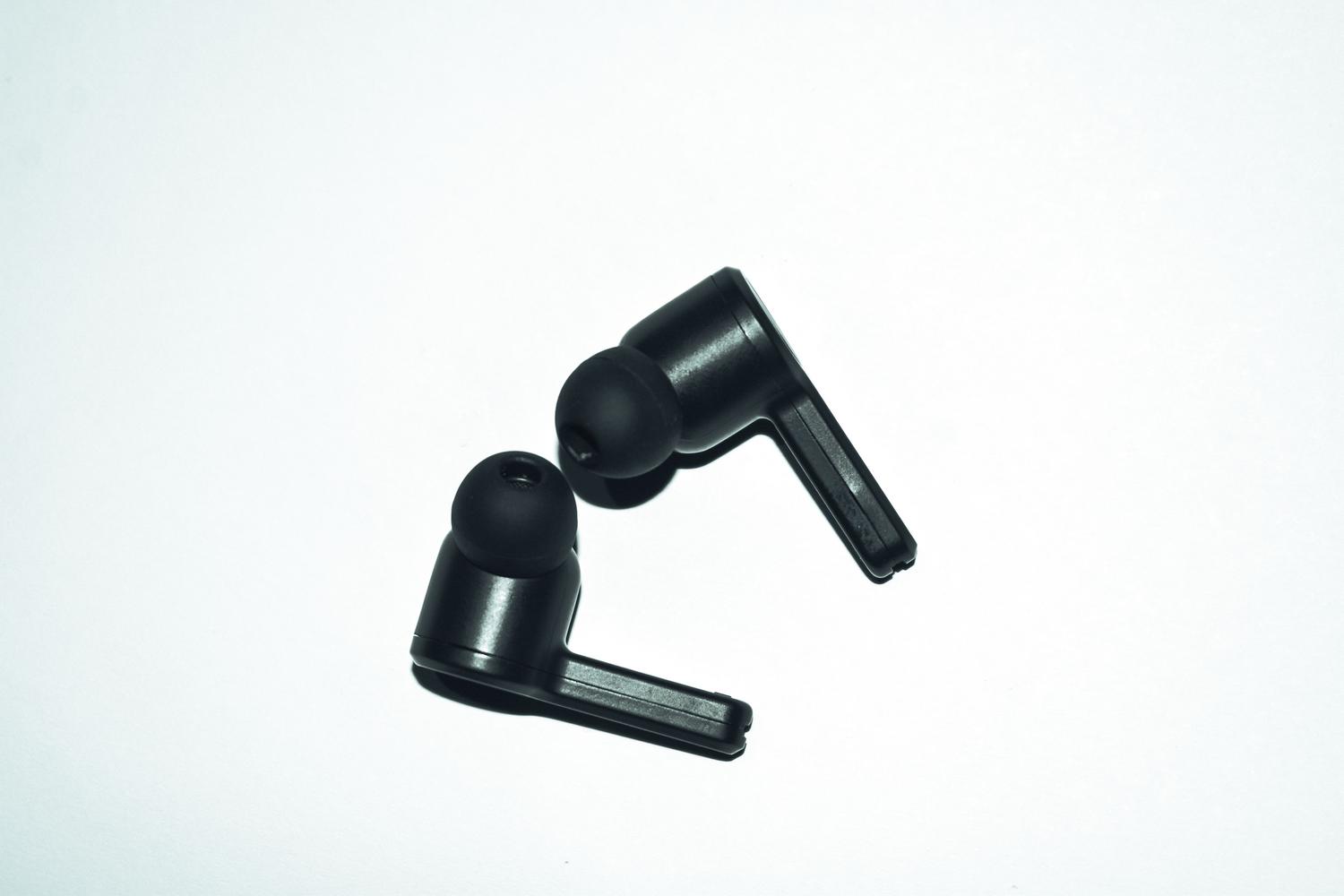
Who hasn't experienced that sudden, small but vital part of their helmet decides to go its separate way? It's a real pain, especially when it comes to specific components such as lids of in-ear headphones, since losing that piece is not just an aesthetic problem, but directly affects the resonance and audio qualitymaking them not sound as they should.
When we realize that the manufacturer doesn't sell the replacement part separately, the question arises whether current technology can help us out. Many of us wonder if it's feasible to resort to... additive manufacturing to solve this mess, although this depends entirely on whether we have the technical design on hand or if someone can design it from scratch.
The feasibility of 3D printing in audio accessories
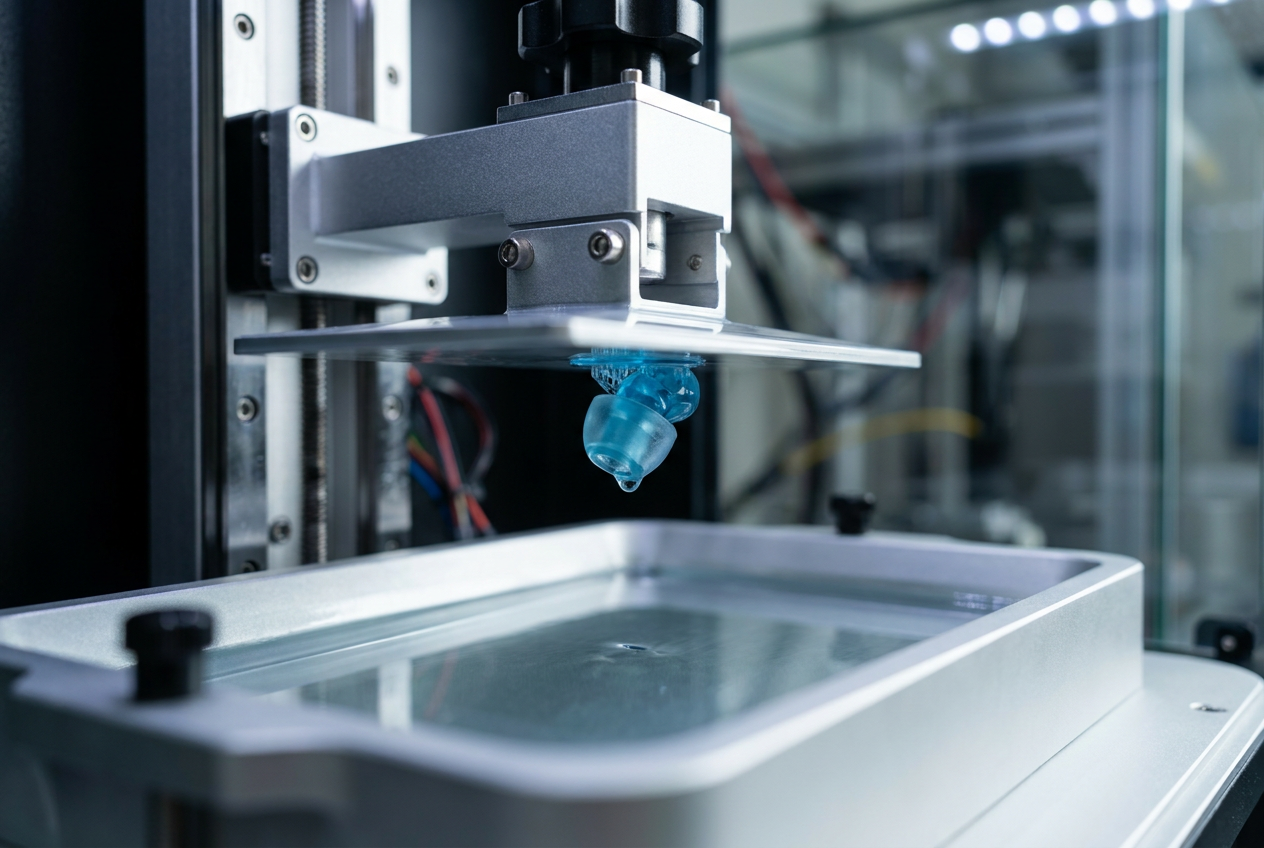
To print a part, the first thing you need is the digital model. The problem is that for specific models, as is the case with... Mackie MP 240It's very difficult to find pre-made files online. In those cases, the solution involves... create the model using a 3D scan from the remaining part or from an identical earphone, which requires professional tools.
Not all printers are suitable for this task. Because the headphone casings are tiny and require a perfect fit, a resin printer It is infinitely more appropriate than a filament one. The resin allows for a millimeter precision and a smooth finish which is essential for the piece to be functional and not uncomfortable when placed in the ear.
Does the service really pay for itself?
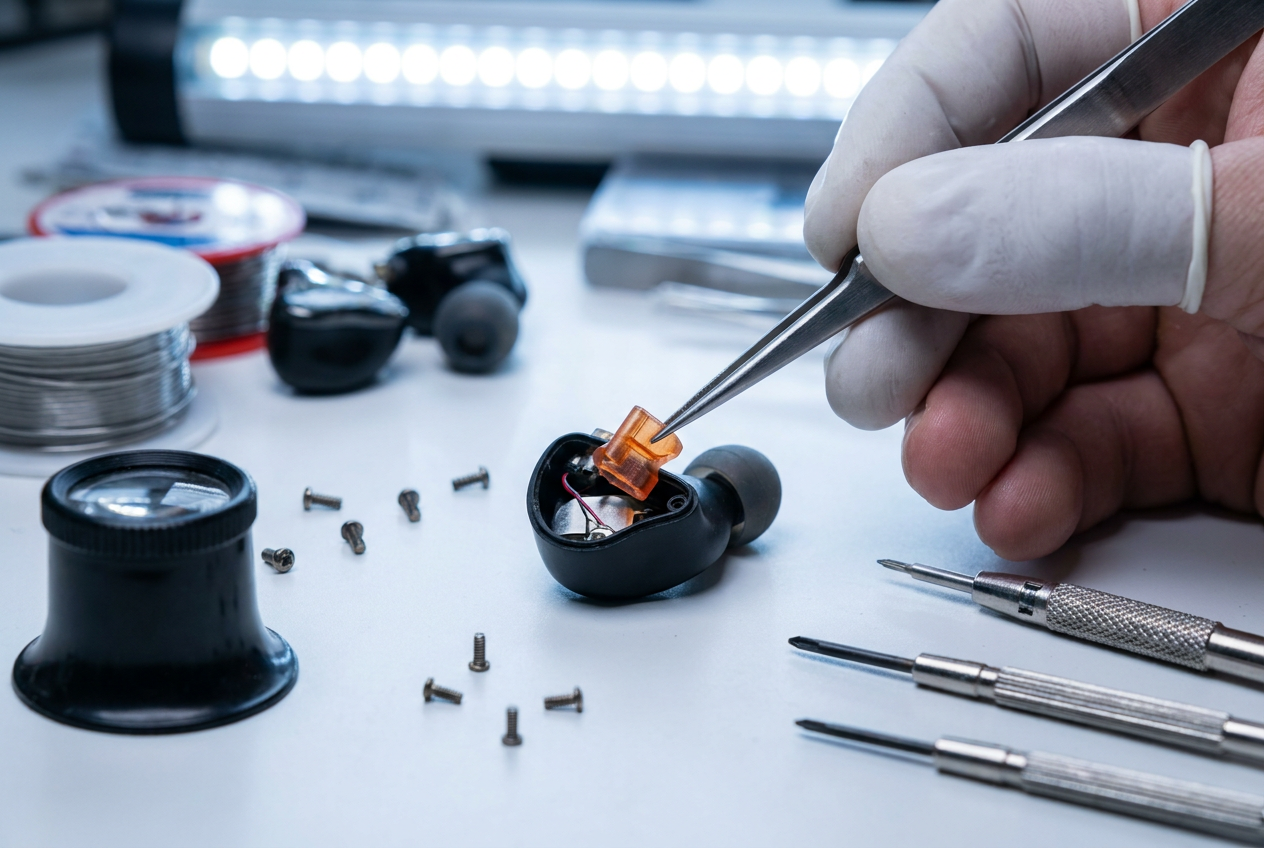
This is where things get complicated. While technically possible, there are some calculations to consider. Hiring a professional to scan the piece, design the file, and then print it in resin can result in a quite high costDepending on the price of the headphones, it may be It's not worth paying the custom design service if the price is too close to that of a new product.
The trick of compatible models
When 3D printing becomes too expensive or complex, there's an alternative that's a real bargain: look for cheaper models in the same range. Sometimes, the manufacturer uses the Same casing for different modelsFor example, someone with high-end headphones might buy a lower model (such as the MP 120) that is compatible in size and shape.
In this way, it is enough to cannibalize the necessary part from the cheap model to make your main headphones look brand new. It's a smart strategy that allows you to get the original replacement without going through the digital design process and, in addition, leaves you with a second pair of working headphones for a reasonable price.
Keep in mind that restoring small parts, which may involve using high-precision resins or compatible models, is the best way to avoid losing expensive headphones. Evaluating whether the cost of 3D design is reasonable compared to buying similar equipment allows you to solve the resonance loss problem without spending a fortune.