- Qi2 is the new global standard for wireless charging that integrates magnets to ensure perfect alignment between the device and the base.
- Based on Apple's MagSafe technology, this standard optimizes power transfer, reduces heat, and improves efficiency.
- It offers a certified power of up to 15W, and is compatible with smartphones, headphones, and future accessories such as watches or tablets.
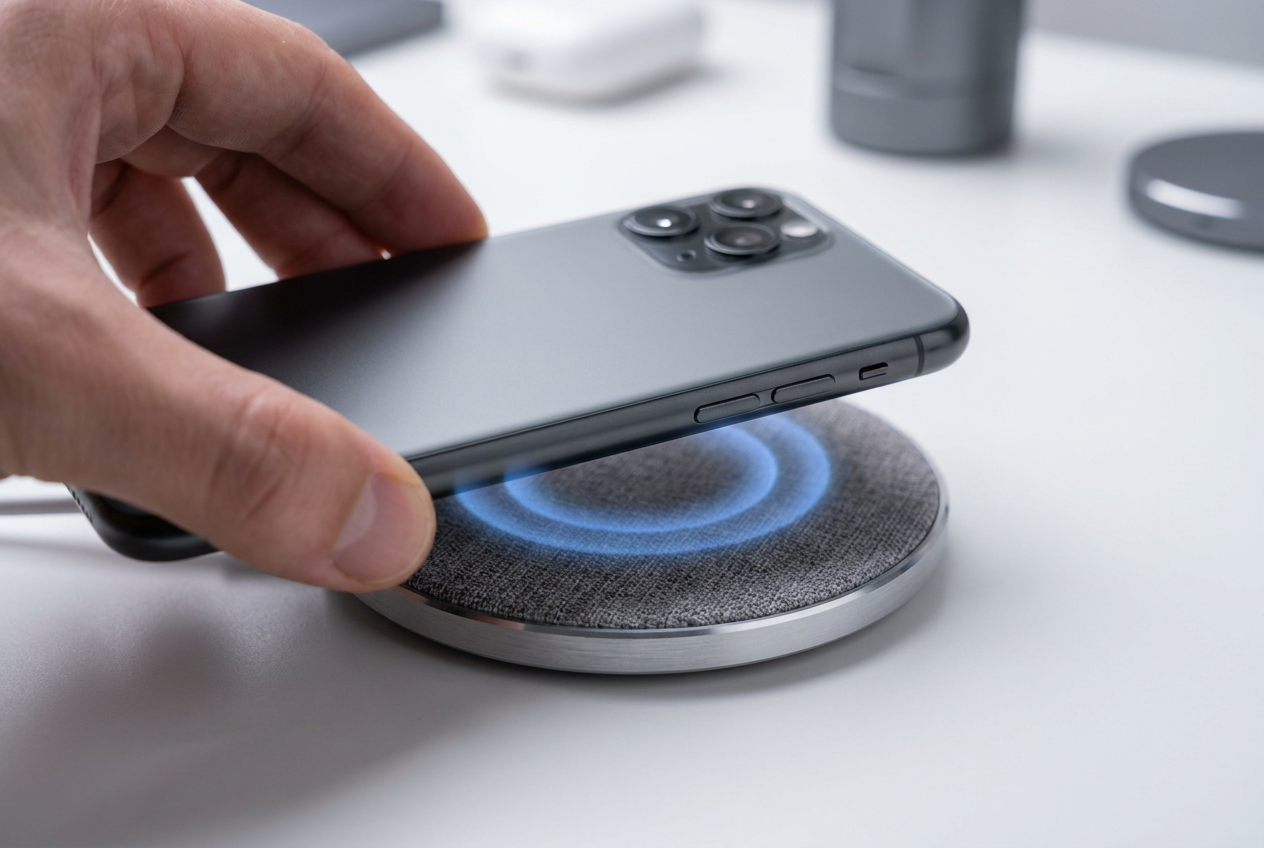
When we think about wireless charging, we often assume all devices work the same way, with a coil performing the magic of induction. But the reality is, just like with cables, there are different standards to ensure this technology doesn't stagnate and continues to improve. This is where Qi2 comes in, the latest standard designed to bring order and efficiency to our daily lives.
This system didn't come out of nowhere; it draws directly from what Apple was already doing with its MagSafe. It's a global initiative led by the Wireless Power Consortium (WPC) so that the entire industry, including Android , can benefit from more stable and convenient charging, avoiding those frustrating moments when the phone won't charge because it's been moved even a millimeter.

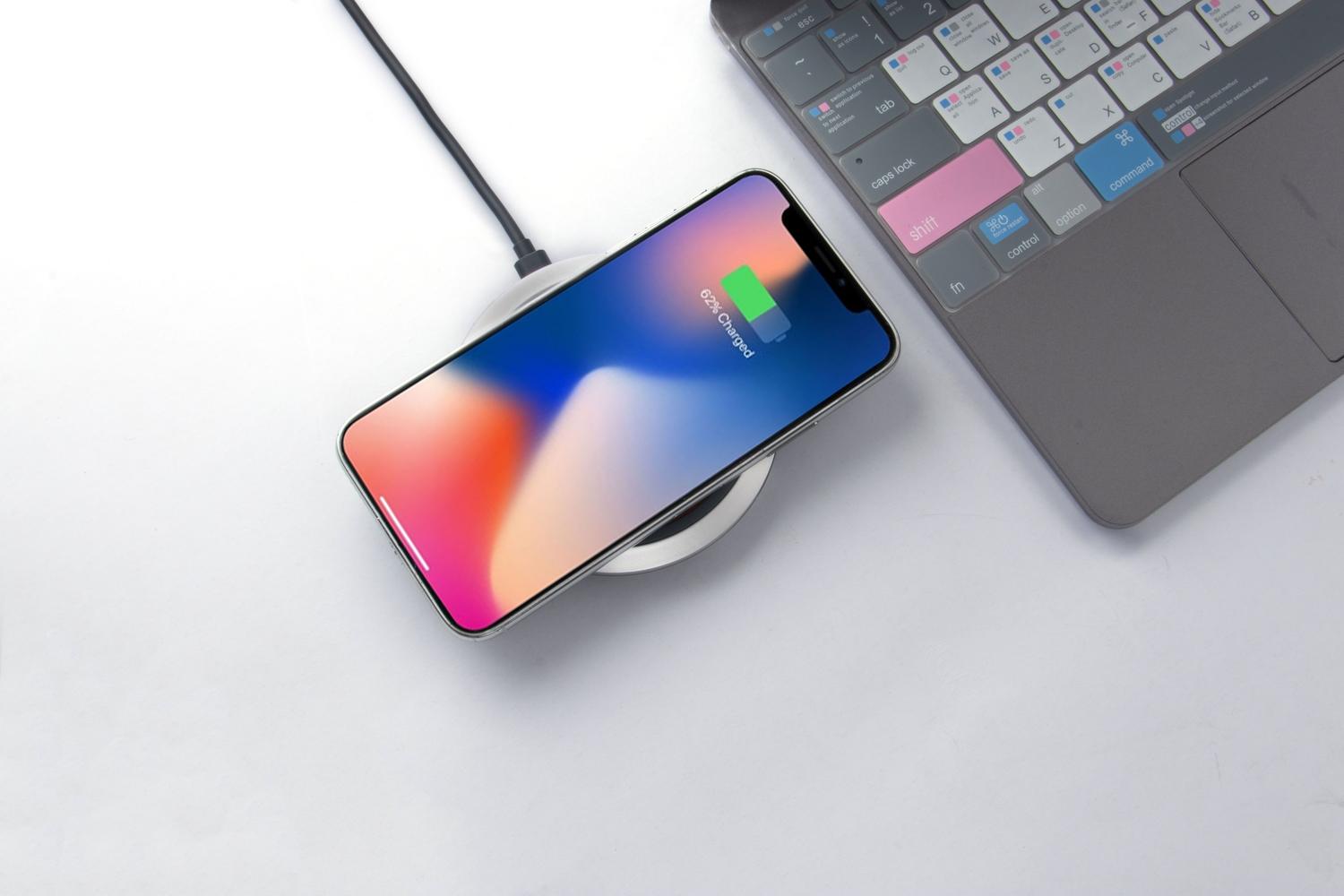
To understand Qi2, you first need to know that the classic Qi standard is the basis of almost all current wireless charging. It works through electromagnetic induction: a coil on the base generates a magnetic field that induces a current in the phone's coil. The problem is that if the coils aren't perfectly aligned , energy is lost, charging becomes extremely slow, or worse, the device overheats.
Qi2 solves this problem by introducing a system of magnetic rings . Instead of leaving the phone "loose" on the base, magnets guide the device into the exact position. This not only makes the connection much more secure, but also ensures the most efficient power transfer possible, minimizing the loss of electricity that is normally converted into heat.
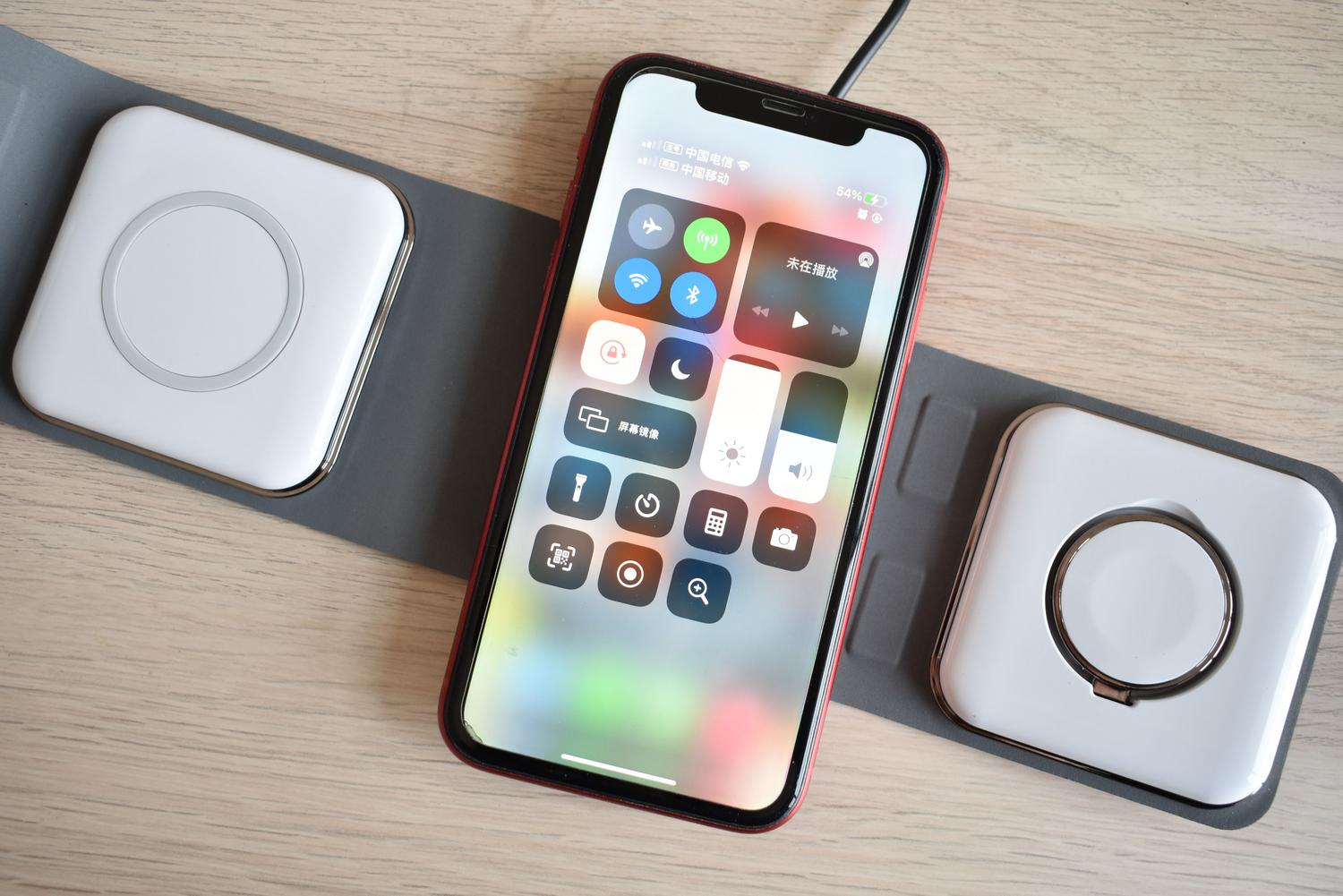
The core of Qi2 remains the law of induction, but with much stricter controls. The WPC has established a rigorous certification process for manufacturers to display the standard's logo. This prevents the market from being flooded with substandard chargers that don't meet safety or magnetic force standards.

- Output power: The initial version is certified up to Power 15WAlthough it's not as fast as 65W or 100W wired charging, it's an ideal balance for protecting battery health and preventing overheating.
- Energy efficiency: By eliminating human error in placement, energy is used more efficiently, which translates into more consistent loading times.
- Future developments: There is already talk of versions like Qi2.2 that promise even more advanced thermal management and higher power levels.
One of the best pieces of news is that Qi2 maintains backward compatibility , meaning a Qi2 charger will be able to charge an older phone that only supports Qi. However, to benefit from magnetic alignment and maximum charging speed, both components must be Qi2-compatible. The iPhone 12 and later already have the necessary technology, and high-end Android phones are expected to adopt this standard widely.
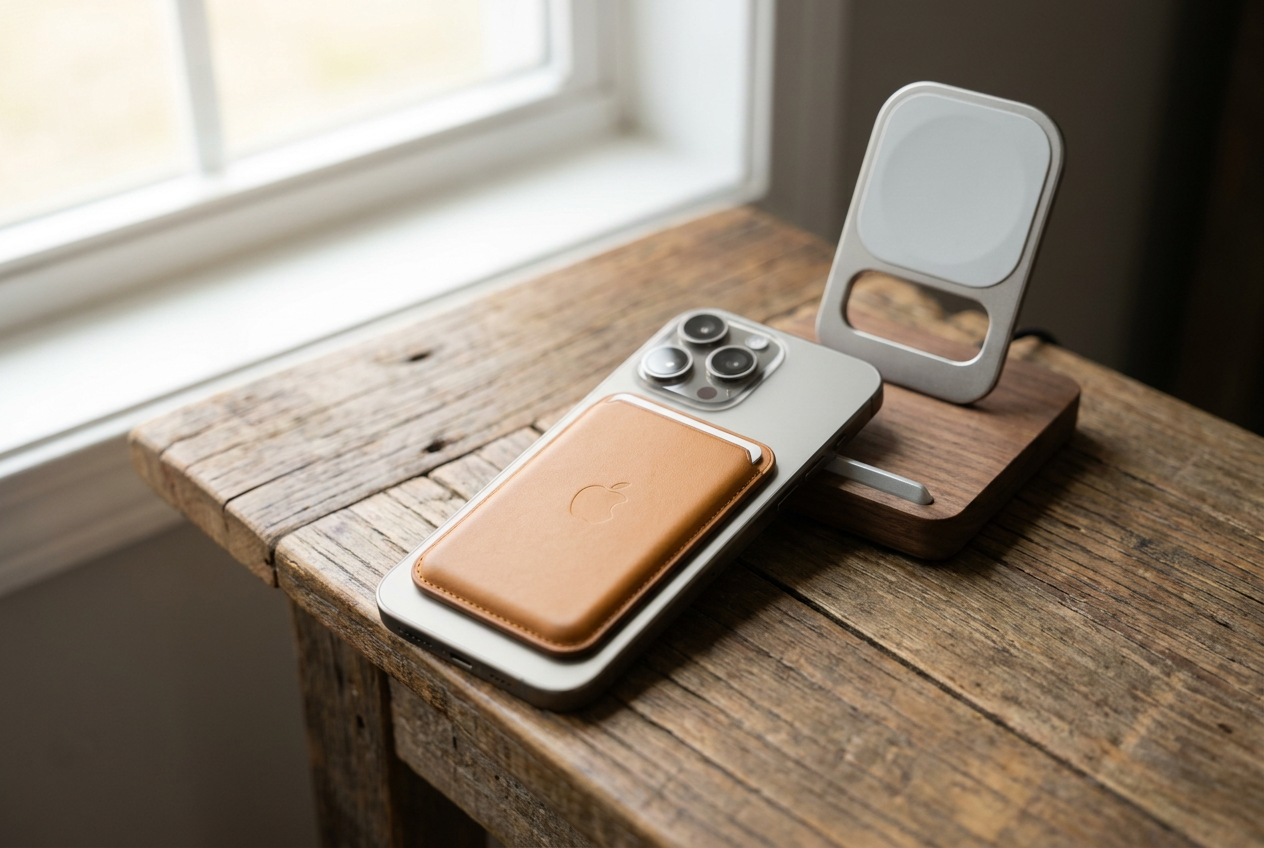
But the most exciting aspect is the range of mobile accessories . Magnets open the door to a universe of accessories that attach to your phone: magnetic wallets, compact power banks , special cases, and car mounts that don't require mechanical clamps. Devices like wireless headphones already incorporate this technology, and it's very likely we'll soon see smartwatches and tablets benefiting from this standard.

If you're thinking of switching to this technology, don't buy the first thing you see. It's essential to verify that the product has official WPC certification to avoid counterfeits. It's also advisable to check if the charger includes the power adapter or just the cable, as you'll need a power outlet with the appropriate wattage to reach 15W.
Also, if you usually use phone cases, make sure they are compatible with magnetic charging . A case that is too thick or doesn't have built-in magnets could weaken the connection and cause the phone to detach or make charging less efficient, thus negating the main advantage of this system.
This evolution represents a qualitative leap in how we power our gadgets, eliminating the uncertainty of improper placement and unifying the experience across different brands. With the arrival of smarter accessories and optimized thermal management , wireless charging is no longer a slow add-on but a practical, safe, and universal solution that protects the lifespan of our batteries.
