- Industrial robotics combines hardware, sensors, and controllers to optimize repetitive and dangerous physical tasks.
- RPA automates digital processes using fixed rules, while AI allows for the management of unstructured data and decision-making.
- Agent-based Process Automation (APA) orchestrates both RPA and AI to create autonomous and efficient enterprises.
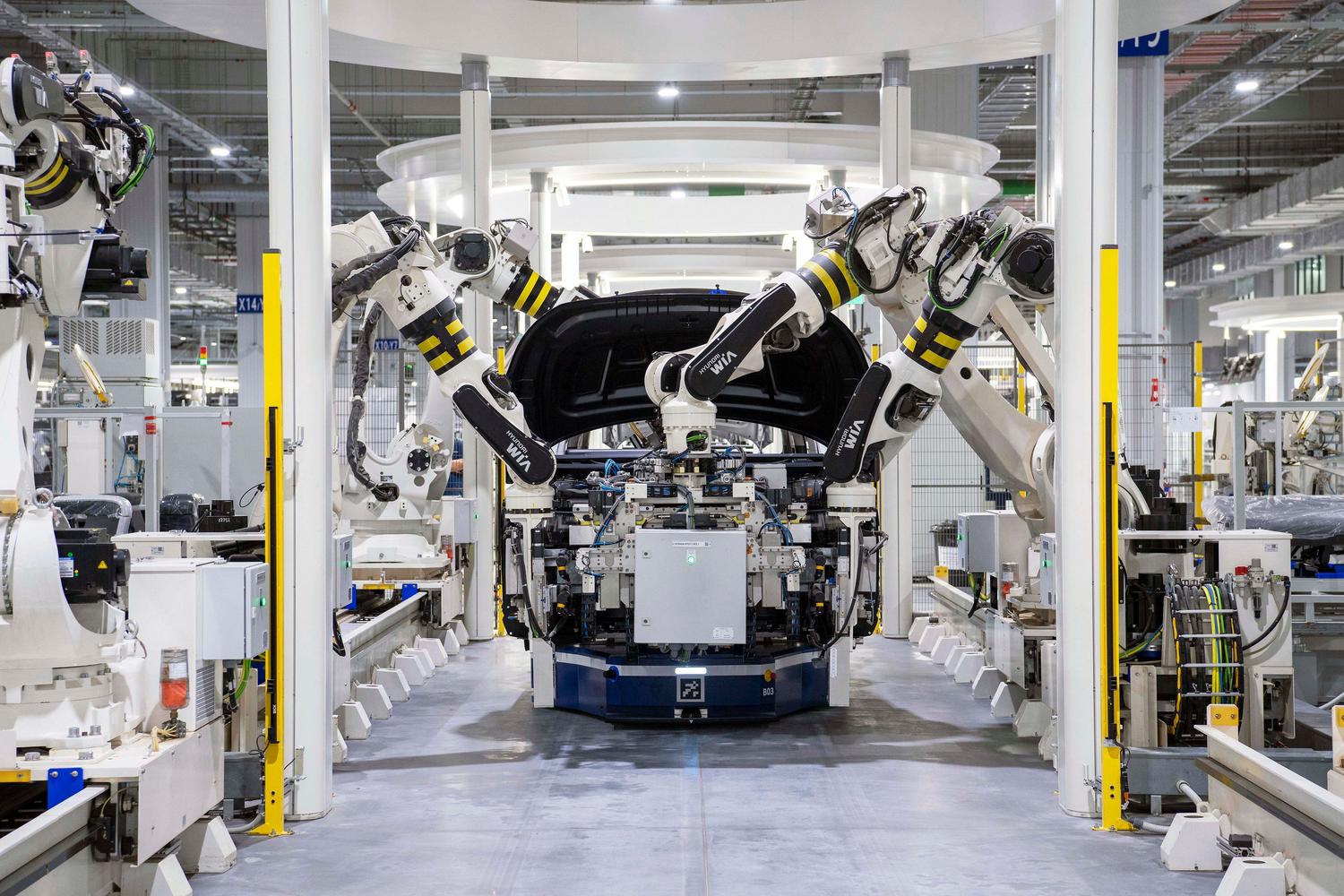
When we talk about robotic automation , many people immediately think of robotic arms in a car factory, but the reality is that today the concept is much broader. We are experiencing a true revolution where the ability to delegate tasks to machines, whether physical or digital, is changing the game in every sector, allowing humans to move away from the most tedious tasks and focus on what truly adds value.
This evolution didn't happen overnight; it's the result of merging advanced mechanics, electronics, and intelligent software. From the first scripts that mimicked keystrokes to the AI agents that make autonomous decisions today, the goal has always been the same: to gain efficiency, reduce human error, and, above all, optimize operating costs so that companies can be more competitive.

Industrial Robotics and How It Works
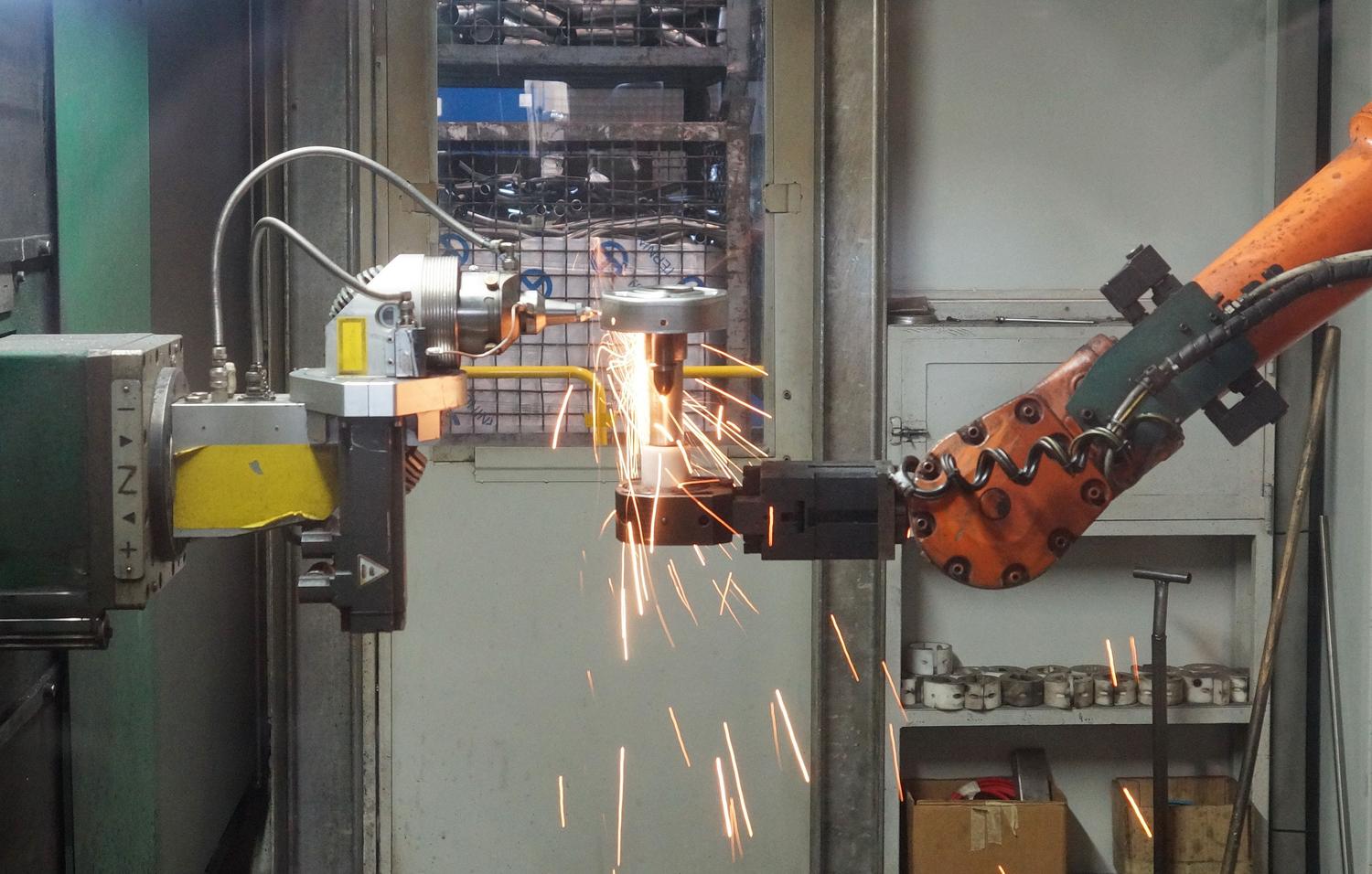
In tangible terms, robotics applied to industry is the foundation of modern production. It's not just about putting a machine to work, but about integrating a hardware and software ecosystem that allows repetitive or dangerous tasks to be performed with pinpoint precision. These machines handle everything from assembling parts and packaging to quality inspection and transporting heavy loads.
For an industrial robot to operate at full capacity, it needs to coordinate several key elements:
- Programmability: It is the ability to define the robot's trajectory, force, and speed so that it adapts to the specific task.
- Sensors: They act as the machine's senses, measuring pressure, temperature, or distance to interact with the environment safely.
- Controllers: The brain of the system, which processes instructions and coordinates movements in real time.
- Actuators: The robot's muscles, which can be electric, pneumatic, or hydraulic motors.
- HMI (Human-Machine Interface): Intuitive panels that allow the operator to monitor the process and adjust parameters without complications.
- Connectivity: Integration into Industry 4.0, which allows for remote plant management and instant data analysis.
A key point is that the cost of robots has fallen dramatically in the last three decades, which, combined with the improvement of sensors, has meant that even SMEs can afford to automate their logistics or production lines.

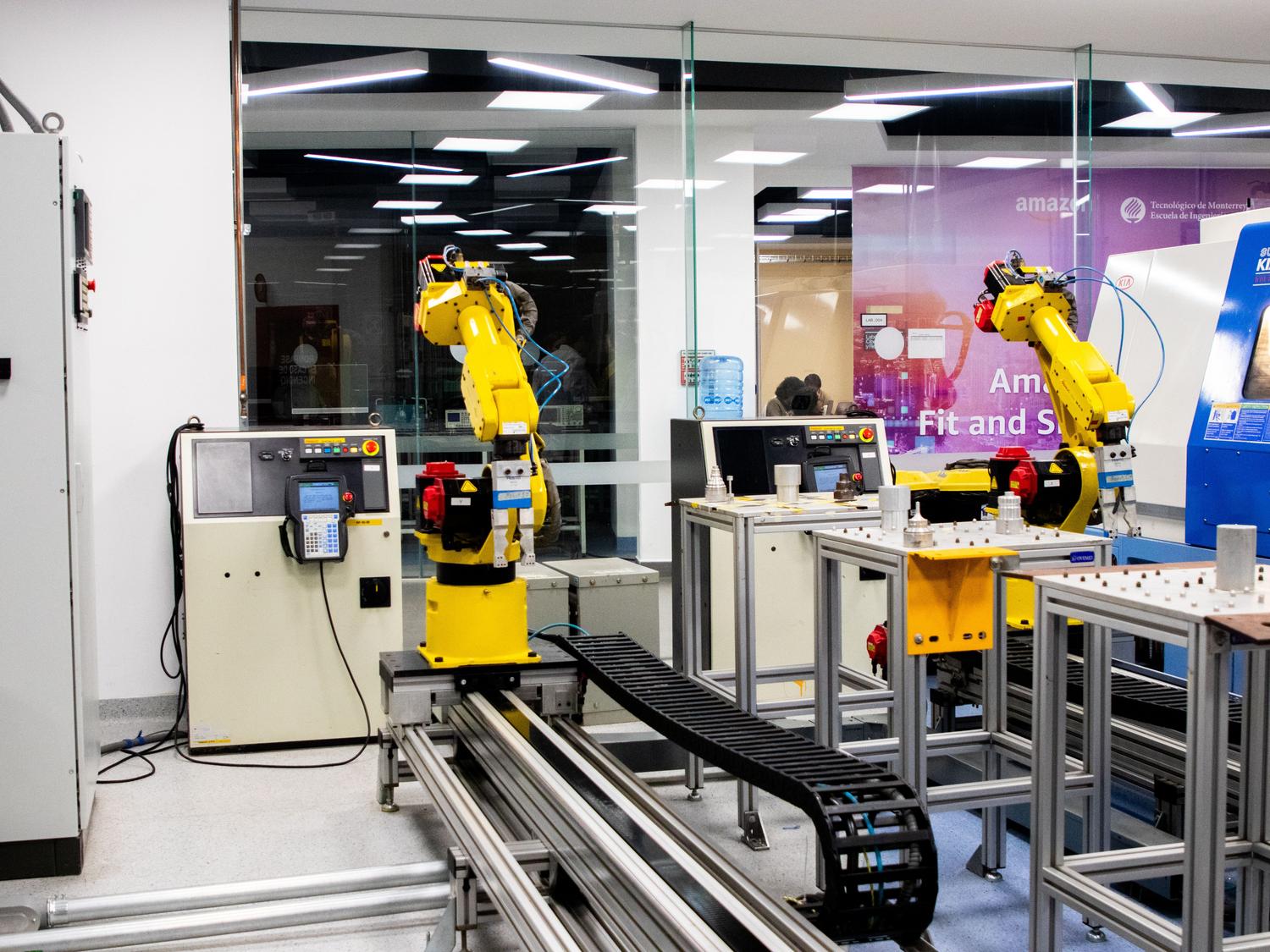
The leap into the digital world: RPA and Intelligent Automation

But not all robotics is physical. There's RPA (Robotic Process Automation), which basically consists of software robots that mimic human behavior on a computer. Imagine a bot that enters a website, extracts data from a table, and pastes it into a CRM; that's pure RPA. It's based on rigid rules: if A happens, then do B.
Deploying an RPA bot is usually quite straightforward. First, an employee identifies a cumbersome task that can be automated; then, the sequence of steps is recorded, tested for errors, and finally rolled out to the organization. However, traditional RPA has a limitation: it's rigid and rule-based , so if the process changes slightly or the data is unstructured, the bot will crash.

This is where Intelligent Process Automation (IPA) comes in . By combining RPA with Artificial Intelligence and Machine Learning, software no longer just executes, but learns. AI can interpret natural language, analyze unstructured documents, and make cognitive decisions, intervening precisely where intelligent automation in factories and digital environments becomes indispensable.
Towards Autonomous Enterprise with the APA
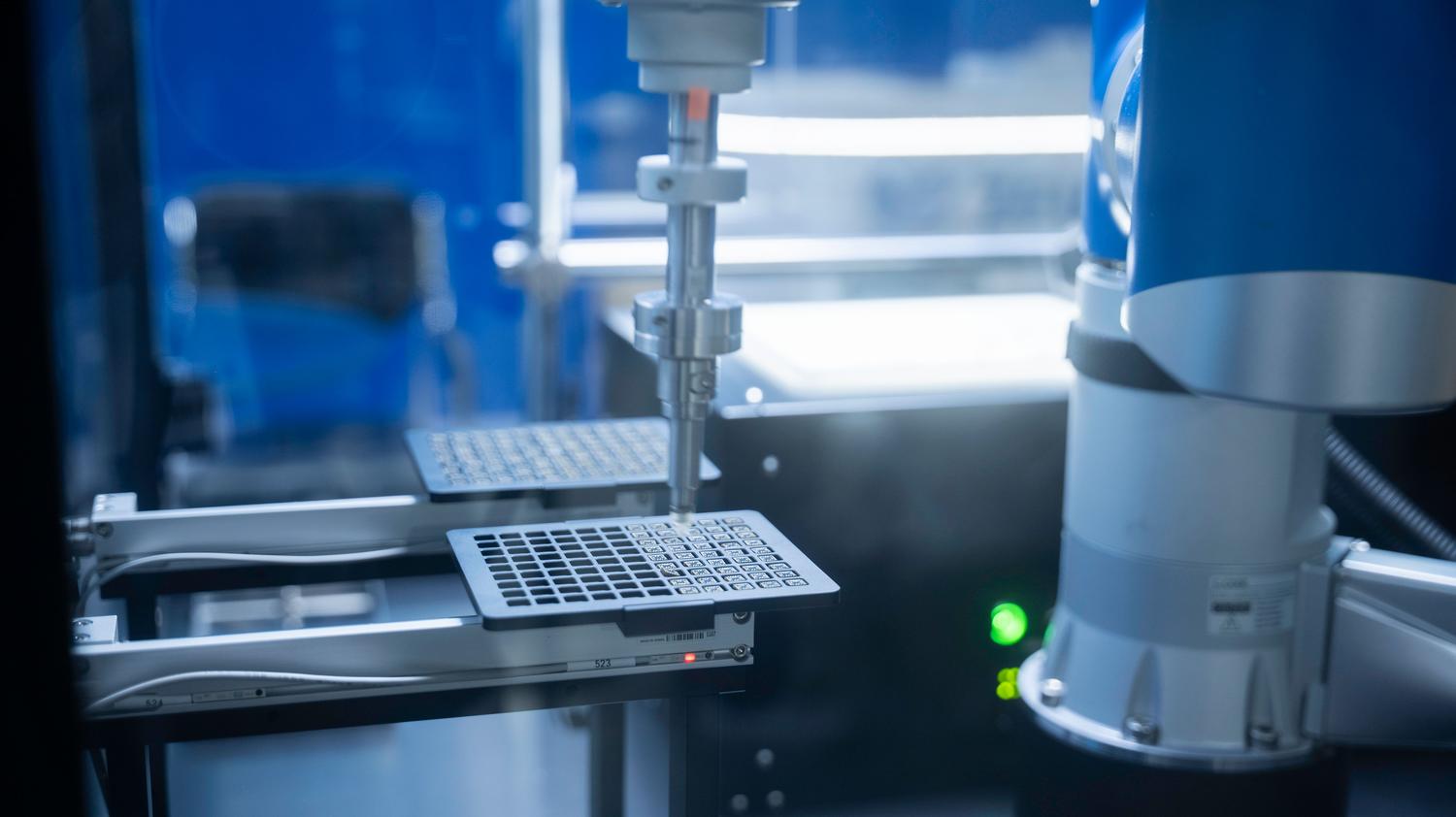
The next level is APA (Agent-Based Process Automation). Unlike RPA, which focuses on individual tasks, APA orchestrates AI agents and RPA bots to manage entire processes from start to finish. These agents not only follow instructions but also think, plan, and act, coordinating with each other and with human staff.
In this scenario, RPA becomes the execution layer, the tool that does the heavy lifting quickly, while AI agents act as the strategic mind. This enables the achievement of an autonomous enterprise , where planning and execution occur with minimal human oversight, radically transforming business productivity.

From specialized technical training in regulation and control systems to the implementation of cognitive agents in the cloud, robotic automation has gone from being an option to a necessity. The integration of advanced sensors, generative AI, and orchestration software allows any process today—whether physical in an industrial building or digital in an office—to be optimized to achieve levels of precision and speed that were unthinkable just a few years ago.
