- Detailed analysis of operating costs, including filament, energy and mechanical wear of machinery.
- Methodology for calculating the amortization of the printer based on its productive useful life.
- Pricing strategies and profit margins to ensure the economic viability of production.
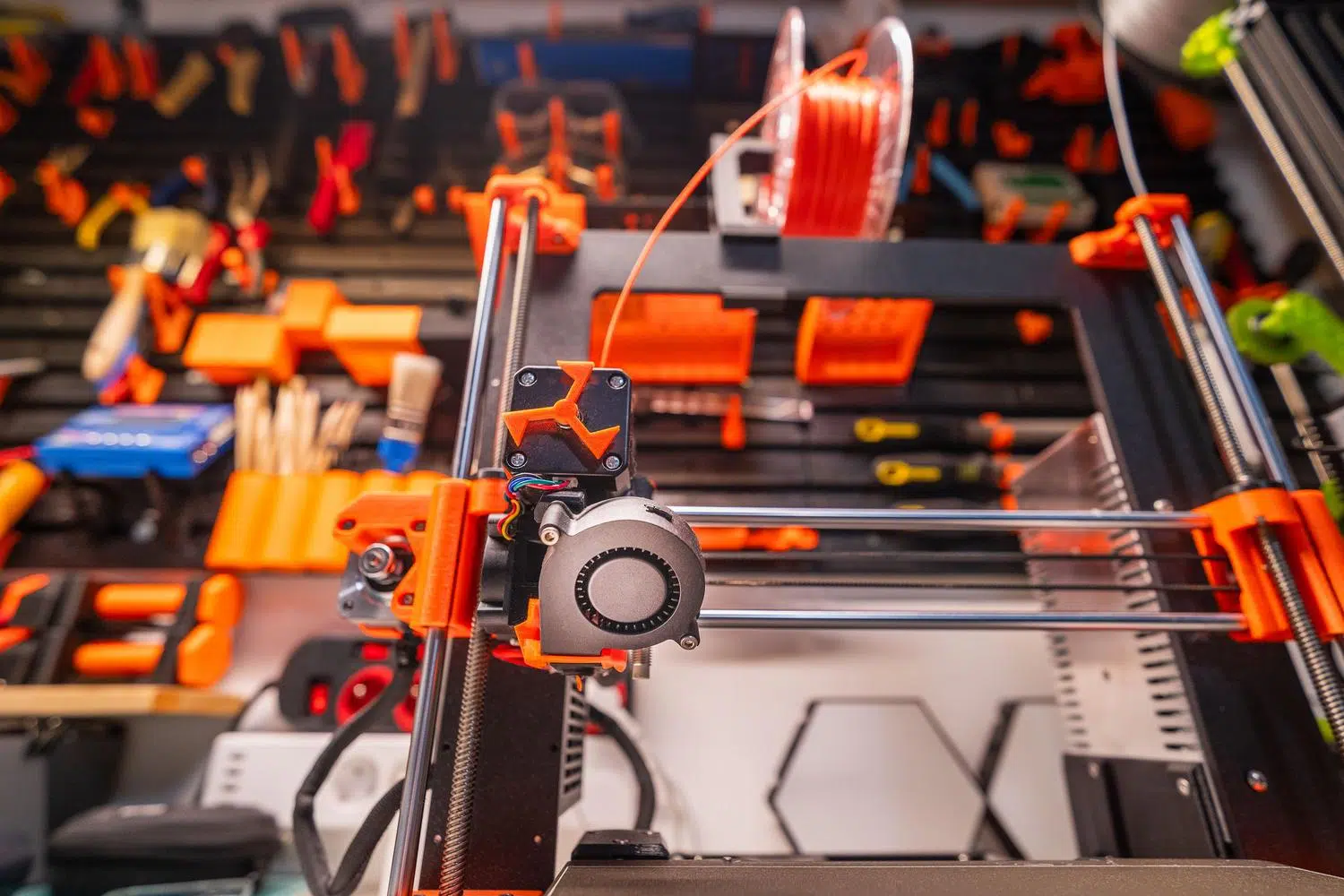
If you're considering getting into additive manufacturing, whether to start a small business on Etsy or to optimize your company's processes, you've probably realized that pricing a part isn't as simple as just checking the weight of the plastic. There are a lot of invisible variables that, if overlooked, can cause you to lose money instead of making it.
For the project to be sustainable in the long term, it's essential to move from a rough estimate to a precise financial calculation . It's not just about covering immediate expenses, but about creating a cost structure that allows for growth and equipment upgrades without any unpleasant surprises at the end of the year.

Key factors in determining the cost per piece
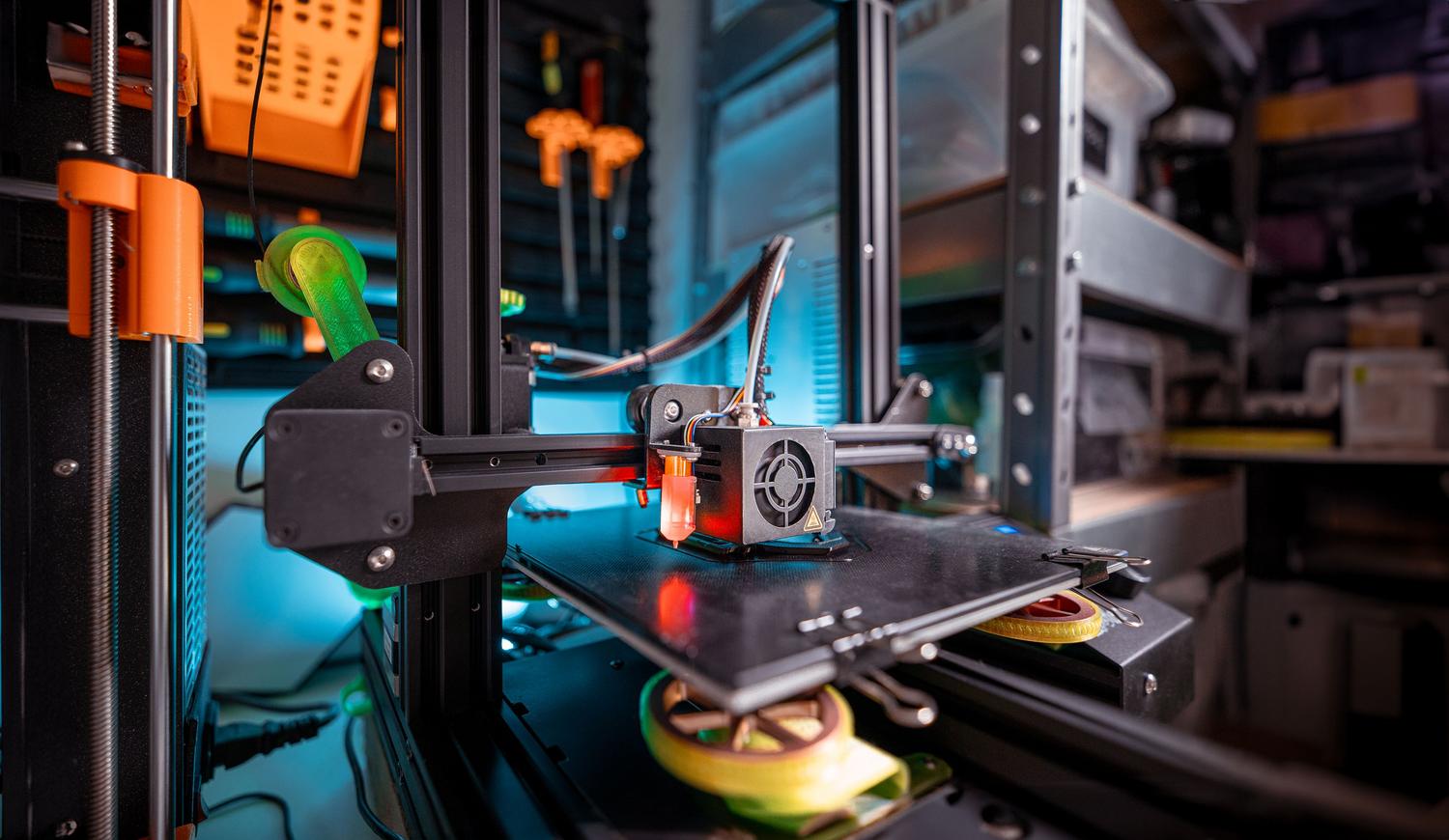
When we want to know how much it costs to print an object, the first thing that comes to mind is the material. However, a professional breakdown should include various types of filament , considering not only the net weight of the piece, but also the waste generated and the purchase price of each spool. In advanced systems like Bambu Lab's AMS, it's vital to be able to add up the consumption of multiple colors or materials in a single piece to stay within budget.
Another point that is sometimes overlooked is electricity consumption . Although it may seem insignificant, the sum of the energy consumed by the heated bed and the extruders, adjusted for the current electricity tariff in Spain, impacts the final profit margin. To this we must add the operational labor costs , which include everything from calibrating the extruder steps to cleaning the finished part.
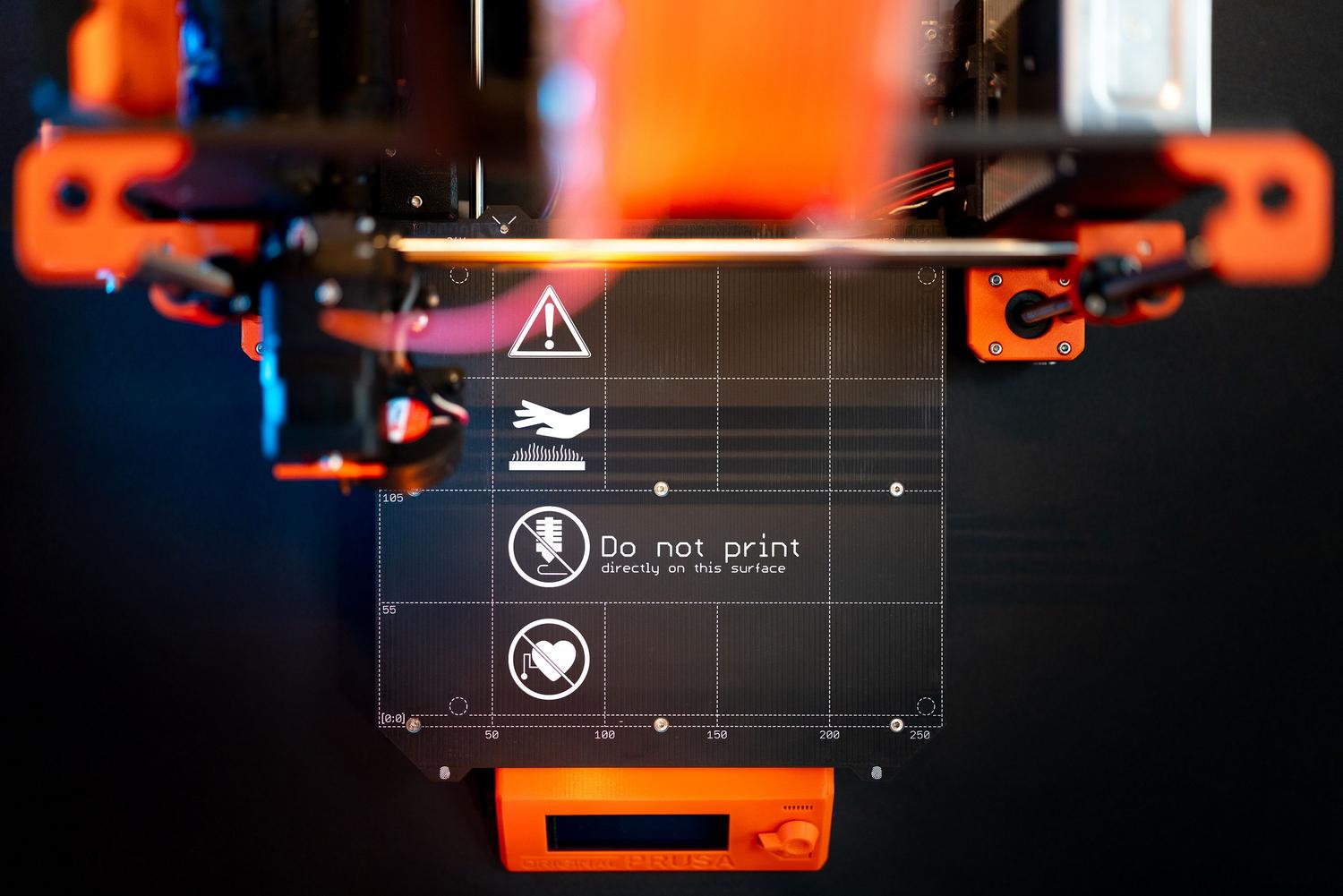

The importance of amortization and mechanical wear
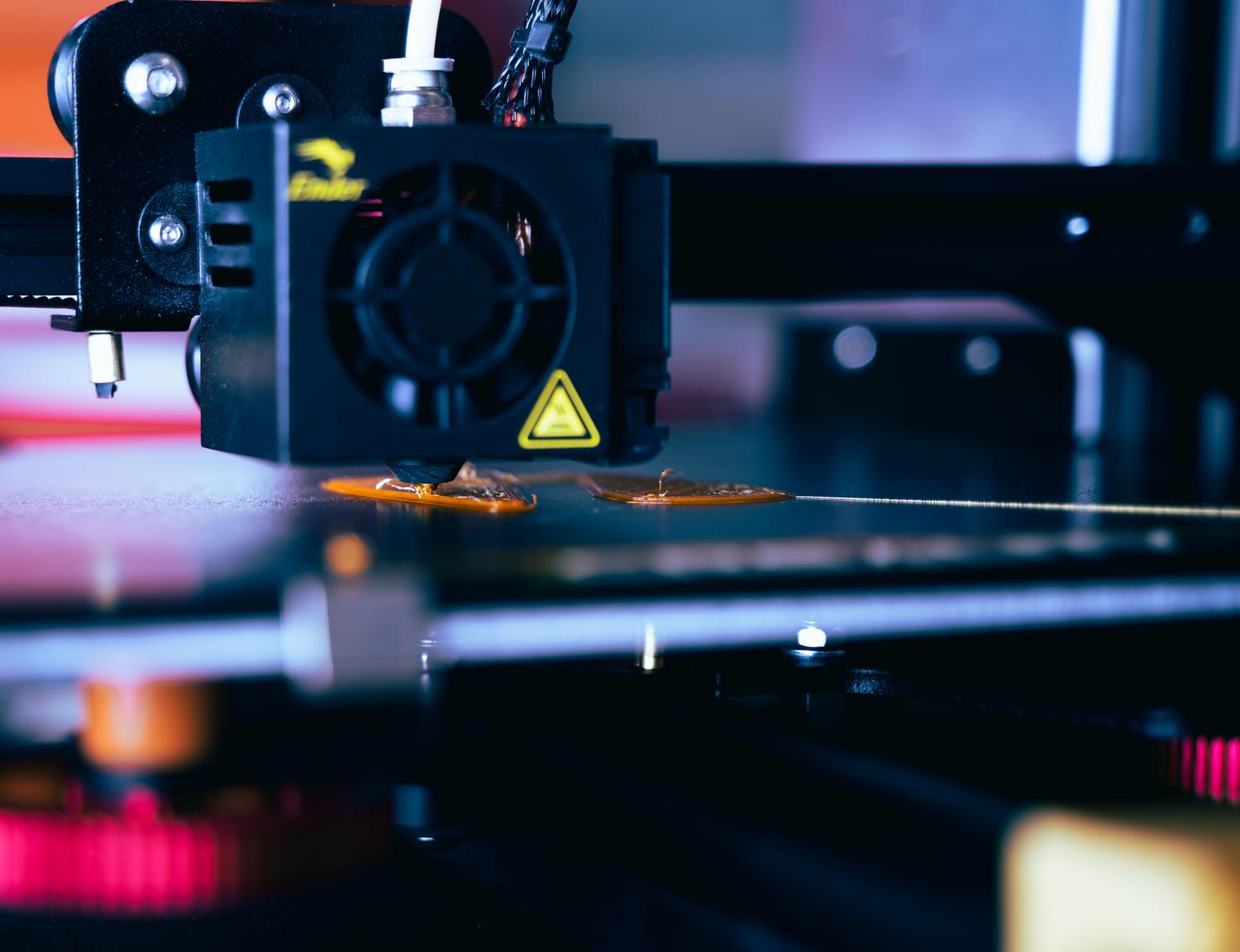
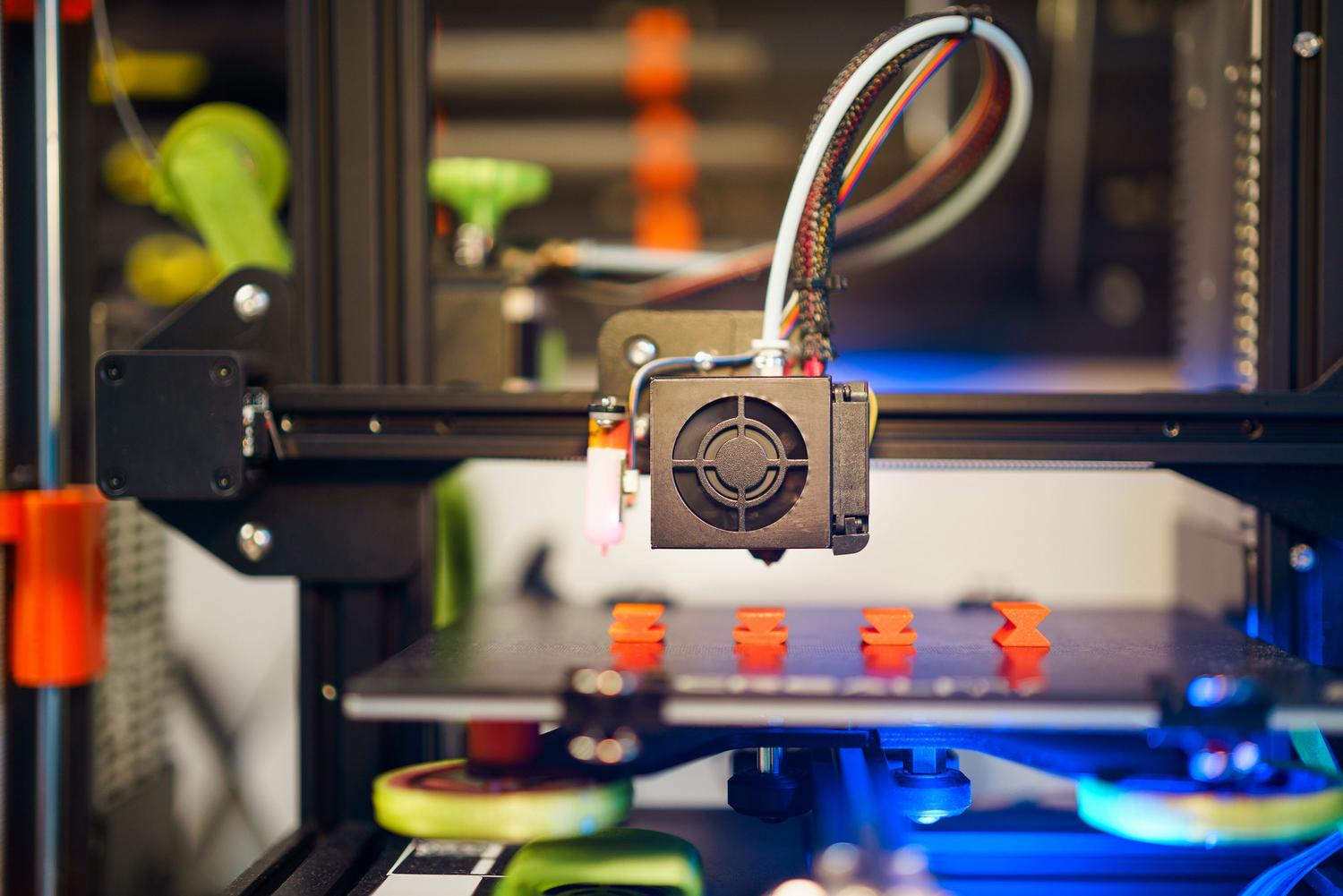
Many people mistakenly believe that a printer is a one-time expense, but it's actually an investment that wears down. High-performance machines, which operate at brutal accelerations of up to 20.000 mm/s² , experience much greater mechanical stress than conventional printers. This means that belts, fans, and nozzles have a limited lifespan.
To ensure the machine pays for itself, it's advisable to calculate an hourly depreciation rate . This is done by estimating the printer's productive lifespan at between 5.000 and 8.000 hours and dividing the purchase price by that time. In this way, each hour of printing contributes a small amount to a replacement fund , ensuring that when the machine reaches the end of its lifespan, you'll have the money ready to buy the next version.
Pricing strategies and profit margins
Once you have your base costs (materials + electricity + depreciation + labor), it's time to decide how much profit you want to make. Your profit margin is the difference between your production costs and the selling price. To adjust it, the easiest way is to use tools that allow you to vary this percentage with sliders until you find a balance between competitiveness and profitability.
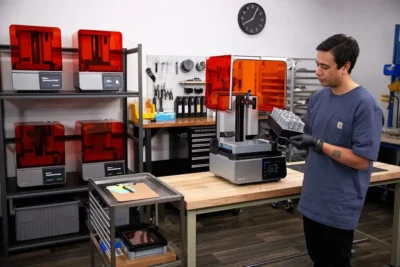
It is essential to differentiate between on-site production and outsourcing . While hiring a third party may be simpler, having your own machinery allows for rapid prototyping and the creation of specific tooling, saving the company time and money. Machine prices vary enormously, from simple equipment costing €200 to industrial solutions exceeding €500.000 , so the cost strategy must be adapted to the level of sophistication of the technology used.
Having meticulous control over printing time, paper usage, and equipment wear allows you to transform a hobby into a viable and scalable business . The key lies in not underestimating hidden costs and implementing a consistent amortization methodology that protects the initial investment and ensures that each piece delivered is truly profitable.
