- Philosophy focused on the intentional and conscious use of technology to reduce digital stress.
- Practical strategies that include application debugging and notification management.
- Hardware alternatives such as e-ink devices and the optimization of mobile ecosystems.
- Positive impact on mental health, concentration, and the quality of personal relationships.
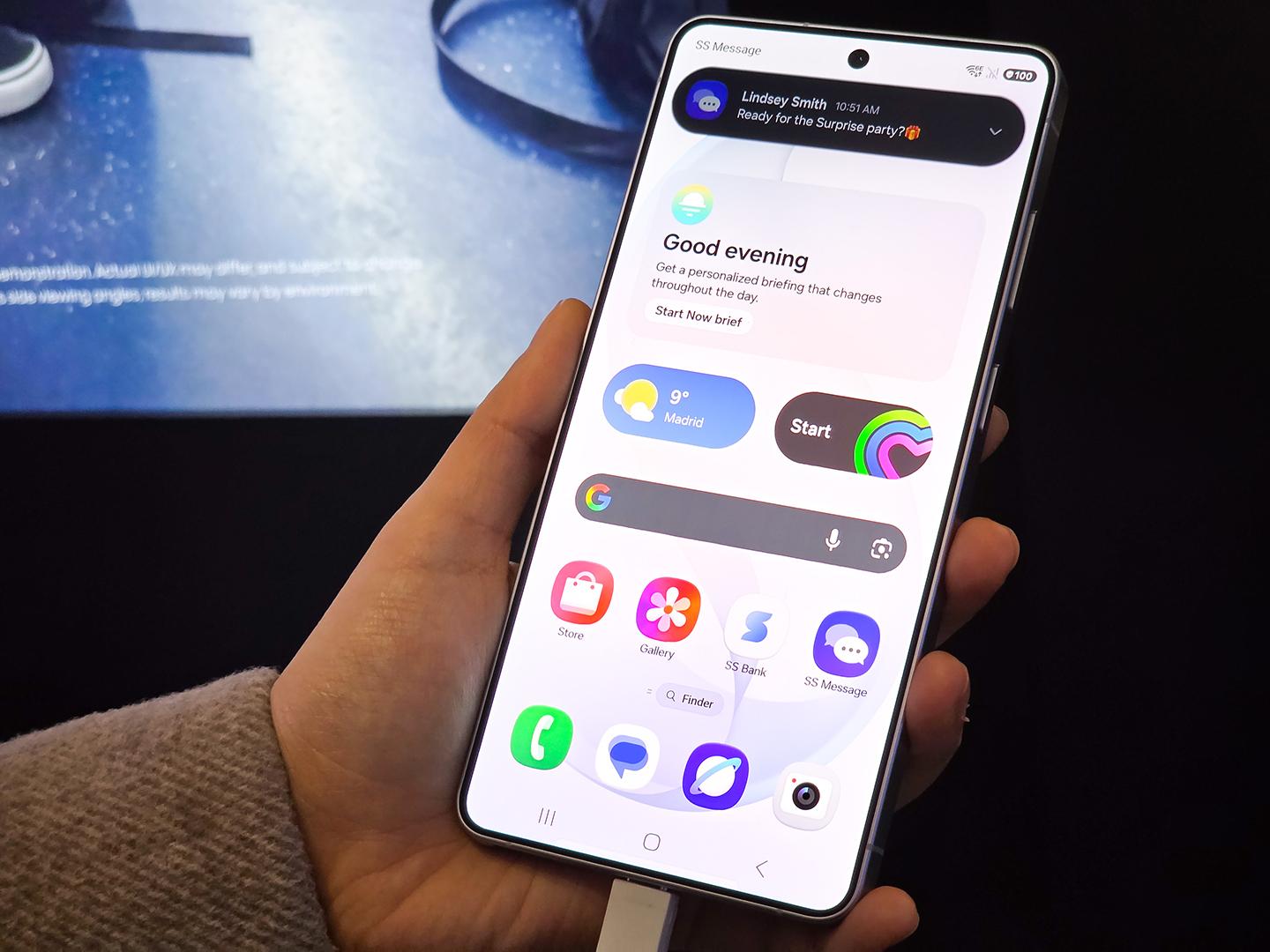
We live in a world surrounded by screens, from the watches on our wrists to the voice assistants that control our homes. This hyperconnectivity, while useful, has brought with it a digital saturation that many of us can no longer tolerate, causing the mobile phone to become a kind of invisible shackle that keeps us glued to notifications.
To combat this feeling, a movement called digital minimalism has gained traction. It's not about going back to the Stone Age or throwing your phone out the window, but rather about use technology intentionally, ensuring that digital tools serve our purposes and not that we become slaves to their algorithms.
What exactly is digital minimalism?
Contrary to what some believe, this philosophy does not fight against technological progress. Its goal is to establish healthy boundaries To prevent the overuse of devices from affecting our mental and physical health. Essentially, it proposes that we prioritize the real world and human interactions over the endless stream of data we consume on social media.

The concept was popularized by Cal Newport, an academic at Georgetown University, who argues that apps are meticulously designed to capture our attention through addictive feedback loops. According to Newport, digital minimalism allows us to regain the ability to concentrate and focus on activities that truly add value to our lives.
Practicing this lifestyle means ceasing to be reactive. Instead of checking our phones every time they vibrate, we decide when and why We use the device. It's a quiet movement where ordinary people decide to go back to reading paper books, having long, uninterrupted conversations, and walking in nature without the need to document everything on Instagram.
Consequences of technology abuse and FOMO Syndrome
Digital addiction is no joke. In Spain, the figures are worrying: millions of people admit that the first thing they do when they wake up is... check notificationsThis behavior fuels what is known as FOMO (Fear of Missing Out), which is that irrational fear of missing out on something important if we are not constantly connected.
On a physical level, excessive screen time translates into recurring headaches and eye problems, such as dryness or difficulty focusing. Furthermore, the mental load of managing dozens of apps and constant alerts generates stress that prevents us from enjoying the present moment, turning us into digital automatons.
Practical tips to simplify your digital life
If you want to start cleaning up your relationship with technology, you can apply some simple but effective tactics. A fundamental first step is to conduct a deep cleaning of applicationsmercilessly delete those you haven't used in the last week and unsubscribe from newsletters that no longer interest you.
- Set strict schedules for device usage and disable notifications outside of those ranges.
- Heal your social media by practicing massive unfollow from accounts that don't bring you anything positive.
- Rediscover analog activities, such as outdoor sports or the use of paper diaries.
- Prioritize the traditional telephone calls about WhatsApp's infinite chat to reconnect with people's voices.
It is also highly recommended to apply Socrates' parable of the three filters, reflecting on whether the information we consume is true, good, and useful before allowing it to occupy our time and mental energy.
Hardware and devices for true minimalism
For those looking to take this to the extreme or need to protect younger children from distractions, there are some interesting hardware options. phones with e-ink screen (electronic ink) are a great option, as their slow refresh rate and lack of vibrant colors make the device much less attractive and tiring on the eyes.

On the other hand, there are compact devices like the Palma 2 Pro or "lite" versions that limit features. For someone looking for a long-term investment, a phone that will last five years or more, the ideal is to prioritize the battery life and the simplicity of the operating system. Many users appreciate direct operating ecosystems because they appear to be simpler and less "fussy" than Android.
Even major brands are adapting their products to this trend. Some recent models integrate AI-powered automation to reduce mental load, allowing the user to manage their tasks with fewer interruptions and more efficiency, transforming the user experience into something proactive rather than reactive.