- Learning encompasses everything from natural language processing and user experience (UX) design to the implementation of LLM and RAG models.
- There are various training paths that range from no-code tools for beginners to advanced frameworks for integration into CRM and ERP business systems.
- The training enables professional profiles such as productivity consultants, automation specialists and digital transformation technicians for SMEs.

You've probably noticed that these days it's almost impossible to browse an online store or contact a company without a small dialog box popping up greeting you. These assistants, which are now part of our daily routine, are the famous chatbots, tools that have evolved from simple automated responses to true artificial intelligence engines capable of understanding us in real time.
If you're thinking about taking the plunge and training in this field, you'll have noticed there's a huge range of options, from intensive bootcamps to self-paced courses. The truth is, learning about conversational interfaces isn't just for programmers, but for any professional who wants to optimize user experience and stay ahead of the curve in today's digital transformation.
What exactly are chatbots and where do we see them?

Basically, we're talking about conversational interfaces that appear in various digital formats. A clear example is Microsoft, which uses them in its online stores to guide customers to the exact product they need through intelligent responses. But they're not just on the web; we see them daily in WhatsApp, Facebook Messenger, WeChat, and through voice assistants like Siri and Amazon Alexa.
The primary goal of these tools is to process natural language to provide an immediate answer to a specific question. Furthermore, some advanced applications can drastically improve interaction if they have access to personalized data, such as our address book or calendar, making the help much more precise and efficient.
Learning path: From fundamentals to mastery

To master chatbot creation, it's essential to follow a structured path that covers everything from theory to technical implementation. The first step is understanding the evolution of conversational AI , from rudimentary systems like ELIZA to the powerful generative models we use today.
- Natural Language Processing (NLP): It's the foundation of everything. It involves learning how to clean up text, recognize user intent, extract key entities, and analyze sentiment so that the bot doesn't seem like a cold robot.
- Learning Architectures: This is where Machine Learning and Deep Learning come into play. Understanding Large Language Models (LLM) and the Retrieval-Augmented Generation (RAG) technique is vital, as it allows bots to... consult external knowledge bases to avoid fabricating data.
- Conversational Design (CUX): It's not enough for the bot to simply work; it has to be user-friendly. The creation of dialogue flows, error handling (fallback responses), and other aspects are all being studied. accessibility for all types of users.
Development tools and methodologies
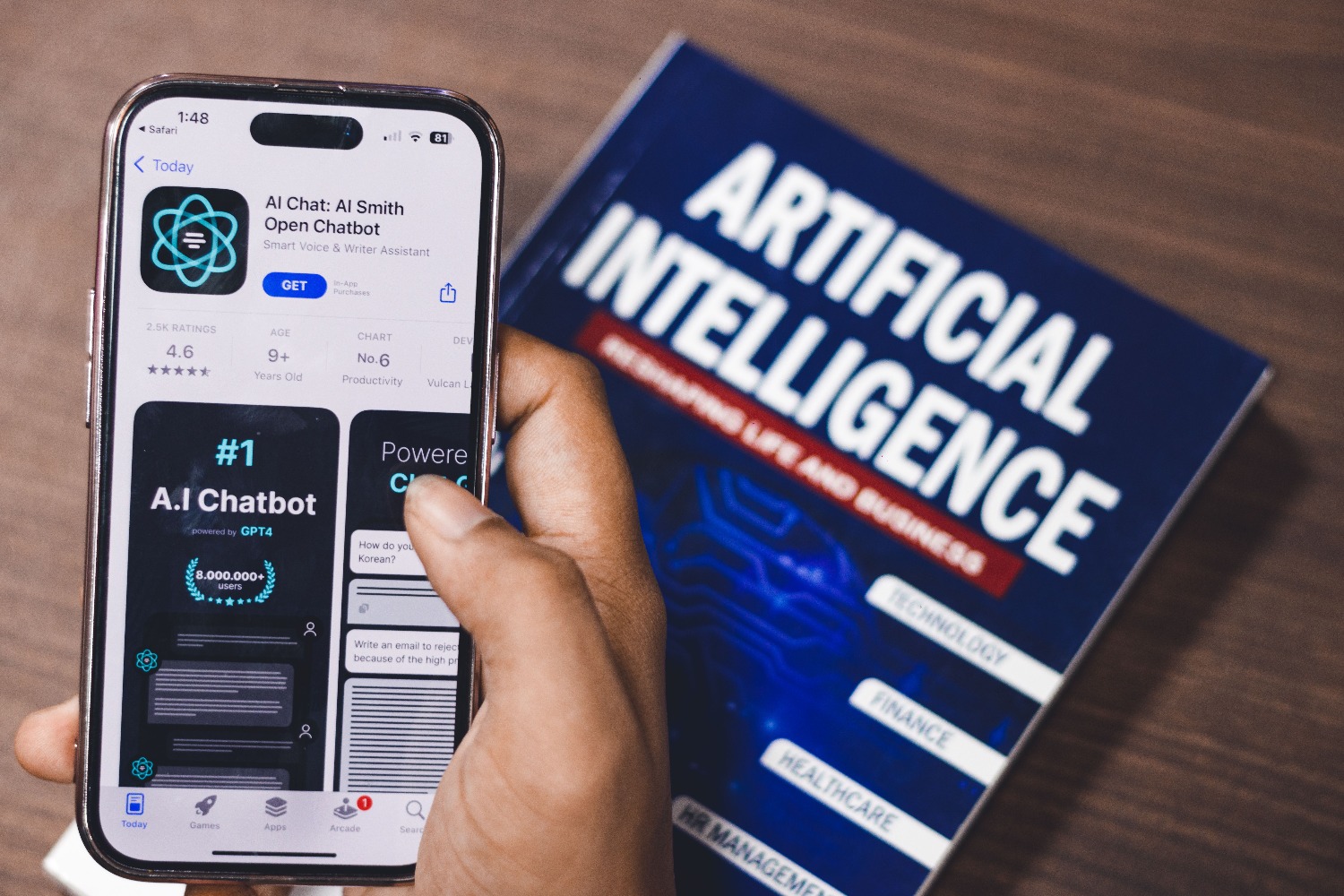
Depending on the objective, there are different ways to build an assistant. On the one hand, there are rule-based chatbots, which work with decision trees and regular expressions; these are ideal for closed processes such as forms or simple data validations.
On the other hand, we have intelligent bots that use prompt engineering and function calling to interact with external tools. To implement them, the market offers everything from no-code and low-code platforms for rapid prototyping to open-source frameworks for more complex and robust developments that require integration with enterprise CRM or ERP systems.
The professional impact and ethics in AI

Training in this discipline opens up a wide range of exciting career opportunities. You can work not only as an AI specialist, but also as a productivity consultant or digital transformation technician , helping SMEs automate tedious tasks and improve their customer service.
However, it's not all about code and design. Addressing ethics and security is essential. This includes compliance with the General Data Protection Regulation (GDPR) , transparency in informing the user that they are interacting with a machine, and the implementation of measures to prevent technical vulnerabilities or AI hallucinations.
Advantages of online training
Today's training programs allow you to learn at your own pace, which is essential if you're already working. Many programs offer the opportunity to interact with instructors and colleagues , fostering critical thinking and allowing you to see problems from different perspectives. Furthermore, access to PDF materials, videos, and assessment tests makes the process dynamic and compatible with any device.
Mastering tools like ChatGPT and Copilot, along with the ability to create custom GPTs, allows any professional to increase their creativity and efficiency on a daily basis, transforming the way we manage information and creative projects.
Integrating conversational artificial intelligence into the business fabric allows for optimizing customer service and internal operations through the use of advanced language models and user-centered design, always within an ethical and legal framework that guarantees data privacy.
FAQ
What exactly do you learn in a chatbot course?
It covers everything from the basics of artificial intelligence and natural language processing to the design of conversational flows and the implementation of advanced generative models.
Is it necessary to know how to program to learn how to create chatbots?
It is not essential, since there are no-code and low-code platforms that allow you to create functional assistants without writing code, although advanced frameworks do require technical knowledge.
What career opportunities does training in conversational AI offer?
It allows you to work as an AI tools specialist, productivity consultant, digital transformation technician, or expert in business task automation.
What is the difference between a rules-based chatbot and an intelligent one?
Rule-based systems follow rigid decision trees and predefined patterns, while intelligent systems use language models and deep learning to understand the context and generate natural responses.
What is the RAG technique in chatbot training?
It is the augmented generation by retrieval paradigm that allows the chatbot to consult external knowledge sources to give accurate answers and avoid factual errors.
How do chatbots help SMEs?
They allow you to optimize customer service in real time, automate the management of frequently asked questions, and improve operational efficiency through digital transformation.
What ethical aspects should be considered when implementing a bot?
It is essential to guarantee data privacy in accordance with legal regulations, be transparent about the bot's identity, and avoid bias or delusions in the information provided.
