- Avoid connecting high-power appliances such as ovens, washing machines, or heaters to prevent overheating and fires.
- Do not automate security systems or computer equipment that require continuous power or specific shutdown processes.
- Verify that the devices have electronic and not mechanical switches for the automation to be effective.
- Prioritize certified brands and official applications to avoid security vulnerabilities and unauthorized access to the Wi-Fi network.
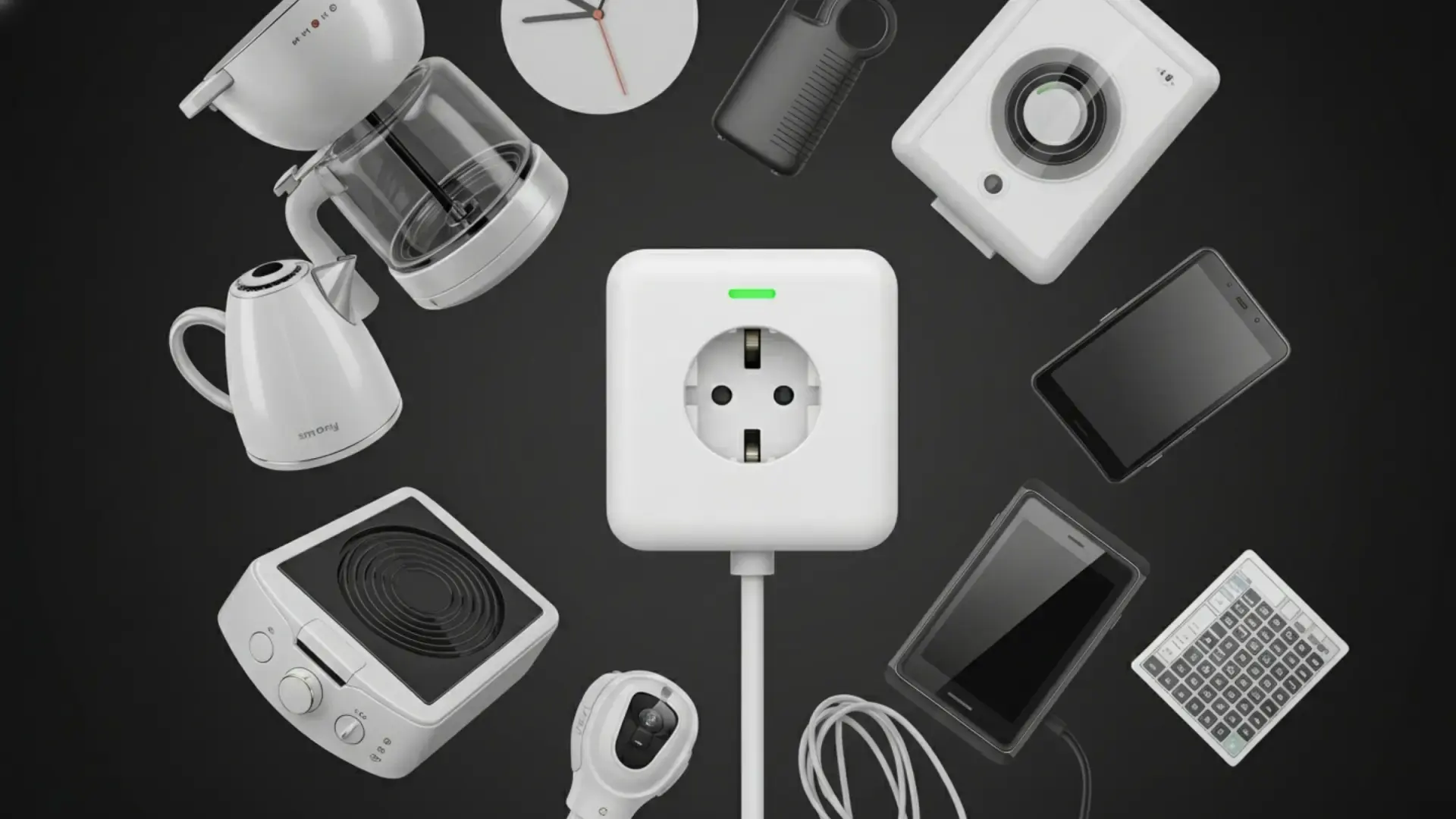
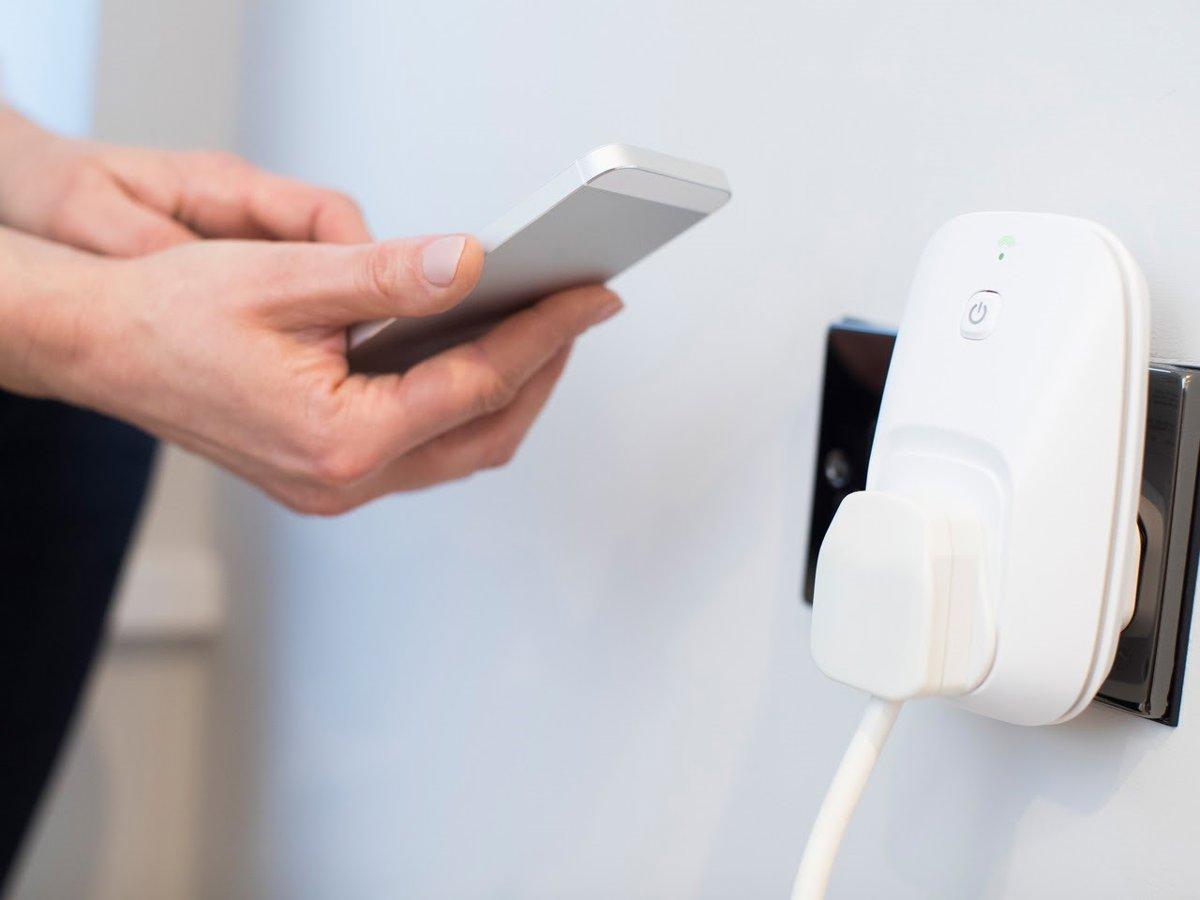
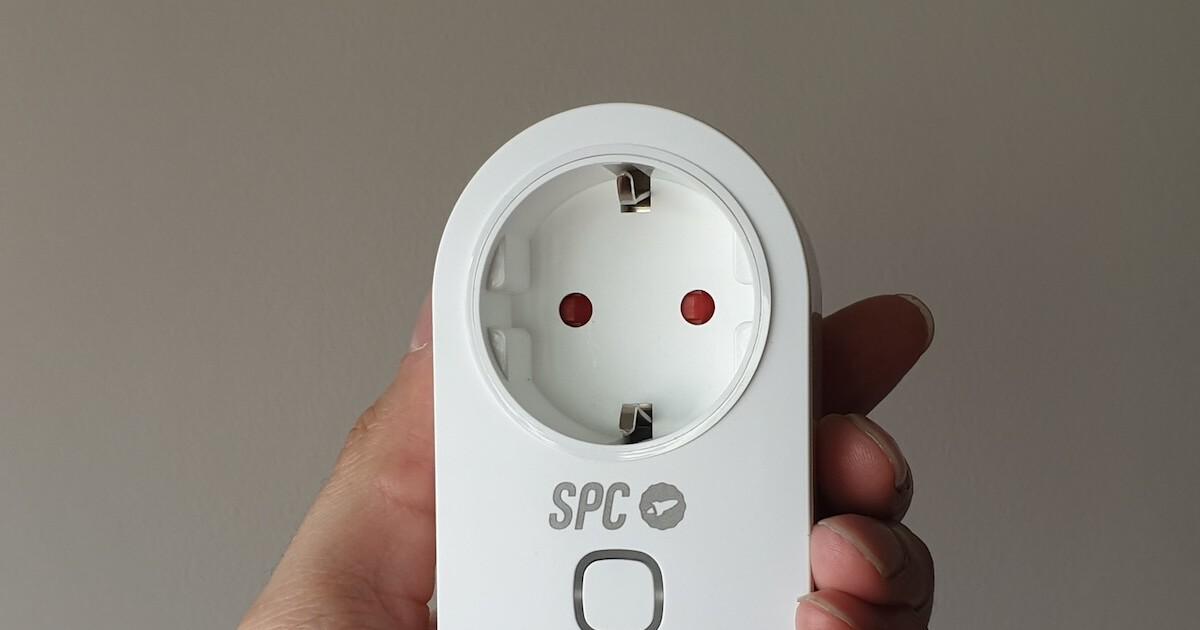
Smart plugs have become commonplace in many homes thanks to their affordability and the cool features they offer, such as manage lighting From the comfort of your bed, or even program the coffee maker. These little devices act as a bridge between the power supply and the device, giving us the ability to turn things on and off using Alexa, Google Home, or a simple mobile app.
However, there is one detail that we sometimes overlook and that can be a real headache: Not everything can be connected to them. Although it may seem that anything with a cable will do, forcing these devices can end up in dangerous overheatingsudden power outages or, if we're unlucky, a house fire.

The problem of power and heavy appliances
Most of these plugs are designed to handle low or medium loads, generally falling between the 1.800 and 3.000 wattsThe problem starts when we connect devices that draw a lot of power all at once. For example, electric ovens and microwavesLarge air fryers, like these, consume a tremendous amount of energy in short periods. If you plug them into a smart plug, it can quickly burn out or degrade because these appliances require a stable power supply that the intelligent intermediary does not always guarantee.
The same thing happens with the washing machines and drying machinesThese machines can easily exceed 2.500 watts and generate crazy power spikes when combining motors and water pumps. If the smart plug fails or accidentally cuts the power, the machine will be left half-finished, and you could... damage the applianceIdeally, these devices should always be plugged directly into a wall socket.
Take extreme care with heat and safety
If there's one thing firefighters hate, it's the automation of devices that generate direct heat. electric heaters, radiators and stoves These are the worst candidates. By emitting constant heat, they raise the temperature of the smart plug itself, increasing the risk of fire. Furthermore, there is a danger that they could be accidentally activated by a routine when There's nobody homeleaving a heat source turned on unattended.
Nor should we forget the hair dryers and straightenersEven with short use, they deliver a massive amount of power (between 1.800 and 2.200 watts) in seconds. The risk of the plug's internal components degrading is high, and frankly, it doesn't make sense to automate something we only use for ten minutes a day.
On the other hand, we have the security systems and camerasThese devices need to be active 24/7. If you connect them to a smart plug, any network failure or app error could leave your home without power. completely unprotected without you even noticing. The most sensible thing to do is use fixed outlets with a backup battery.

Sensitive electronic devices and usage errors
Many people plug in their Smart TVs or computers to save energy, but this can be counterproductive. Computer equipment needs to execute a logical shutdown process to avoid data loss or damage the internal components. Suddenly cutting the power is like unplugging your PC while it's working. If you want to automate this, it's much better to use specific smart power strips with integrated protection.
It should also be noted that devices with mechanical switches or levers They don't work with home automation systems. If the physical button on your old fan is set to "off," the smart plug can send the power-on command a thousand times, but the machine won't work. It will never startOnly modern models with electronic buttons are compatible.
Finally, we cannot ignore the risk of ciberseguridadSome cheap power adapters open ports on the router that can be an open door for malware. hackers access your network domestic. It is essential to buy recognized brands, check that their apps are in official stores, and not install devices that require dangerous network configurations.
How to use home automation safely
To avoid risks, it's best to use these gadgets with energy-efficient appliances and stable operation. They are perfect for lamps, humidifiers, small fans, or mobile phone chargers. You can create cool routines, like "night mode," which turns off all the non-essential devices, or use the function of energy monitoring to find out how much the refrigerator uses (provided the plug can handle its power).
They can even be used for curious things, like programming the christmas lightingControl a pool's pump or simulate that people are home by randomly turning on lights while you're away. The trick is in check the maximum power as indicated by the manufacturer and never cover the plug with furniture or use it in humid areas such as the bathroom.
The key to preventing technology from turning against us is to use it wisely. Although these devices are the cheapest entry point to the connected home, They do not replace a professional installation.If you notice the plastic of the plug getting hotter than usual, it's best to unplug it immediately to avoid any unpleasant surprises. The success of automation lies in knowing... balance comfort with common sense and the electrical safety of our home.
