- The Linux kernel demands a uniform and rigorous programming style, prioritizing readability and avoiding unnecessary abstractions or excessive use of the preprocessor.
- AI-assisted code integration is permitted as long as the human developer assumes full responsibility for errors and transparency is maintained throughout the process.
- There are automated verification tools and strict human review processes to prevent regressions and ensure system stability.
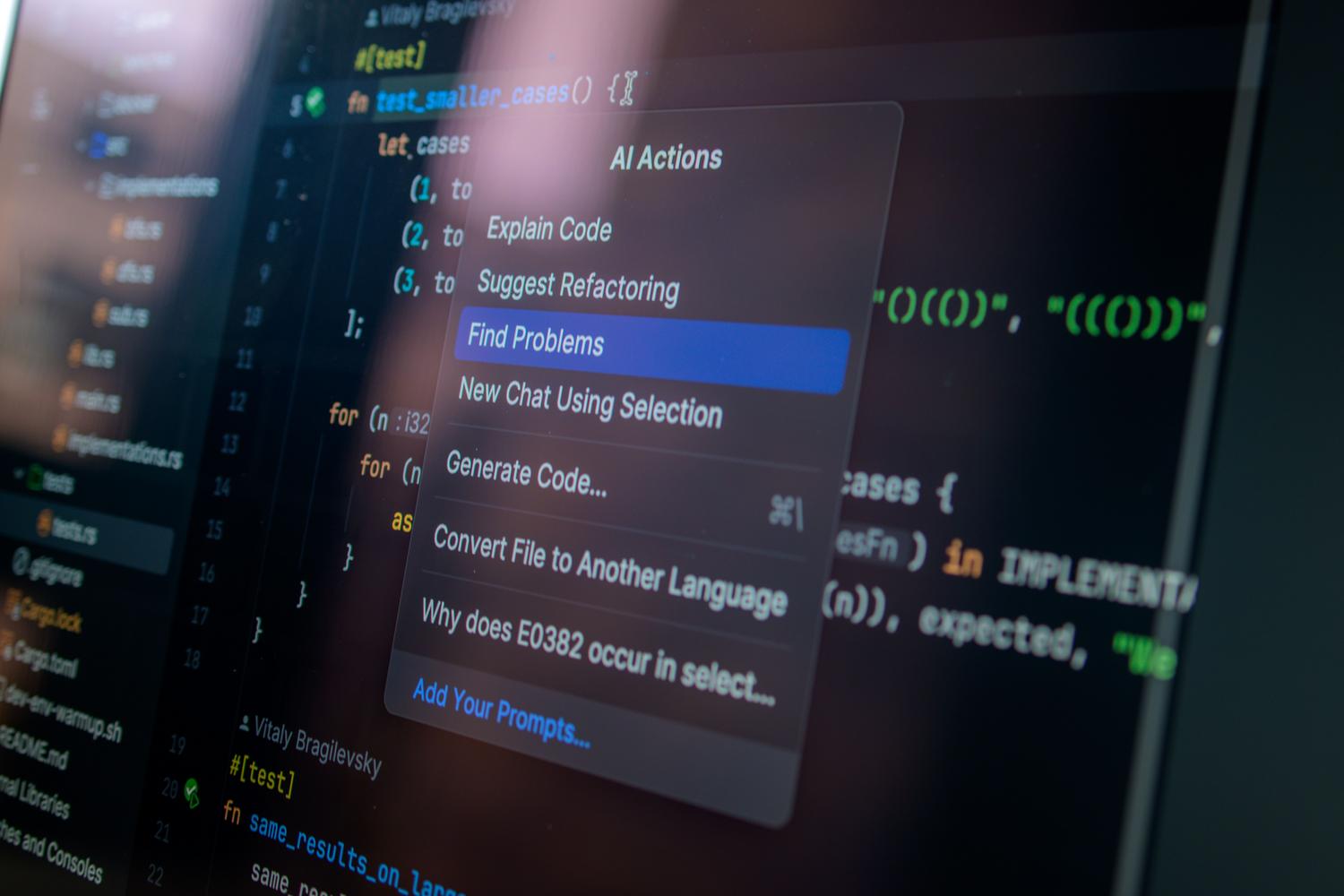
Entering the world of Linux kernel development is not exactly a walk in the park. For a line of code to be accepted into the main tree, it's not enough for it to "work"; it has to follow an extremely meticulous design philosophy that prioritizes long-term maintainability over the speed of immediate development.
Lately, the debate has focused on how artificial intelligence fits into this ecosystem. What began as almost total skepticism has evolved into a pragmatic and realistic approach , where AI is seen as just another tool, similar to a keyboard or an IDE, as long as it doesn't become an excuse for submitting shoddy code.
The Gold Standard: Style and Quality of the Code

The kernel has a very defined style guide that isn't just a suggestion, but a requirement. When a developer submits a patch, reviewers will likely ask them to reformat the entire code if it doesn't adhere to the guidelines, as uniformity is vital for thousands of programmers to quickly understand any part of the system. While tools like clang-format help automate this, human judgment still reigns supreme.
A common mistake among newcomers is trying to clean up the style of old files just to appear in the changelog. This is seen as irrelevant noise by the community and usually generates rejection; formatting changes are only accepted if they come with a real functional improvement. Furthermore, it's recommended to avoid premature abstraction layers. In the kernel, excessive flexibility can degrade performance and obscure logic, so abstractions should only be implemented when absolutely necessary.
Common Traps in Kernel Programming
The use of the C preprocessor is another critical point. Although the #ifdef They are useful, but filling the code with conditional compilations makes it unreadable. The general rule is confine the preprocessor to the header files or functions that can be left empty so that the compiler can optimize them. Similarly, macros should be replaced with online functions whenever possible, as the latter offer type assurance and avoid dangerous multiple assessments.
However, the functions should not be overused. inlineFilling the code with them can cause the final binary to swell, saturating the processor caches and slowing down system executionIn modern hardware, space is time: more compact code is usually more efficient. On the other hand, concurrency is non-negotiable. Any shared resource must be available. protected by a lock appropriate, since developing code while ignoring multiprocessor systems is a recipe for disaster.
The Danger of Regressions and Stability
In the Linux ecosystem, causing a regression is a cardinal sin. A regression occurs when an improvement breaks something that already works for other users. Linus Torvalds is adamant: changes that break existing functionality are usually rolled back immediately, regardless of how many new advantages they bring. This is even more critical in the user-space ABI , which must remain intact indefinitely to avoid breaking external software.
Verification and Documentation Tools

To prevent errors from reaching the end user, the kernel has an arsenal of tools. From paying attention to all GCC warnings to using lockdep to detect deadlocks , the workflow must be rigorous. Other notable tools include sparse , for detecting memory address confusion, and Coccinelle , which allows for large-scale semantic changes.
As for documentation, it's no longer a luxury but a requirement. Every patch must include a detailed changelog explaining the "why" behind the solution. New user space interfaces and boot parameters must be thoroughly documented. Furthermore, the use of kerneldoc is encouraged to ensure the internal API is understandable to any developer joining the project.
The Integration of Artificial Intelligence

The current stance on LLMs is clear: AI is welcome if it adds technical value, but it doesn't replace human judgment. The focus has shifted from viewing AI as pure marketing to using it in triage and automated review tasks , as with the Sashiko system , which helps detect bugs and CVEs before human intervention. However, the real problem isn't AI itself, but rather the spam of automated reports that flood mailing lists without any prior filtering.
For those who use AI, transparency and accountability are paramount. While there have been debates about labels like "Assisted-by ," the fundamental principle is that whoever submits the code is legally and technically responsible for every line, regardless of whether it was generated by a bot. There is no lower bar for AI-assisted code; it must meet the exact same standards of quality, testing, and maintainability as hand-written code.
Linux kernel development is governed by a strict discipline where the quality of the final code takes precedence over the development method. As long as the standard style is respected, regressions are avoided, and AI is used to support triage and bug detection without bypassing human review, the system can continue to evolve. The freedom not to use AI is respected, but technical efficiency and individual responsibility are the only pillars that guarantee the operating system kernel remains robust and scalable.