- POS systems optimize the management of orders, payments and inventories, reducing operational errors and improving customer service.
- There are various options ranging from free software and refurbished equipment to comprehensive cloud ecosystems with AI and delivery.
- It is essential that the chosen program complies with current tax regulations, especially Verifactu's requirements in Spain.
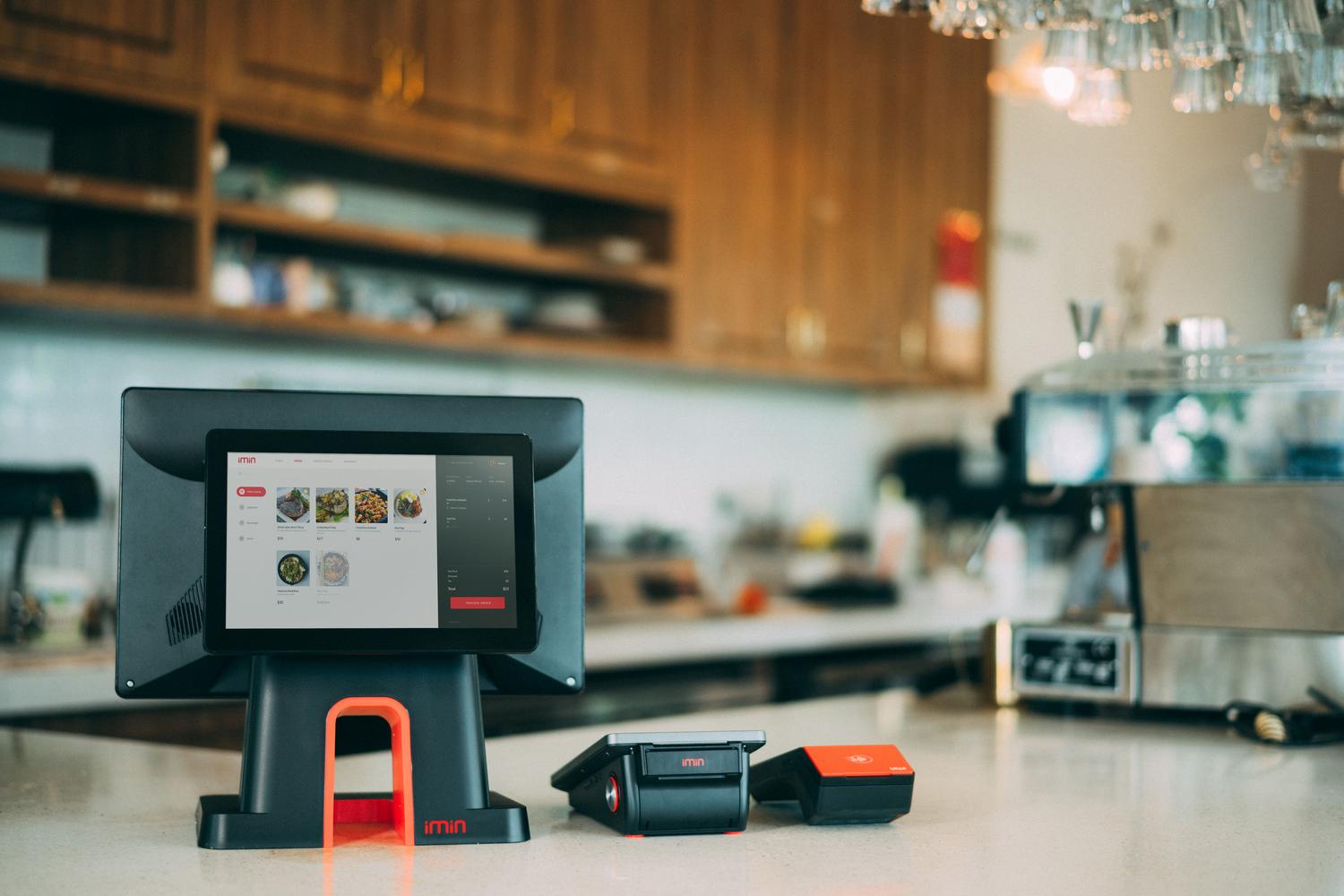
Running a hospitality business today is a real challenge; between customers wanting everything yesterday and the kitchen constantly running, it's normal to feel overwhelmed. That's why having a point of sale (POS) system It is no longer a luxury, but a basic tool to prevent the premises from becoming chaotic and to allow the owners to sleep peacefully.
Basically, a POS system for the hospitality industry is the brain of the establishment. It's not just about swiping a card and issuing a receipt, but about software that centralizes order takingIt organizes the tables, makes sure you don't run out of beer on Friday night, and tells you exactly how much you've earned at the end of the day without you having to wrestle with a calculator.
Many entrepreneurs make the mistake of thinking that, at the beginning, a notebook and a pen are enough to save a few euros. The reality is that this is shooting themselves in the foot, since You lose invaluable data about which dishes are most popular or if someone is making a mistake with the bill. Furthermore, slow service can cause a customer to never return.
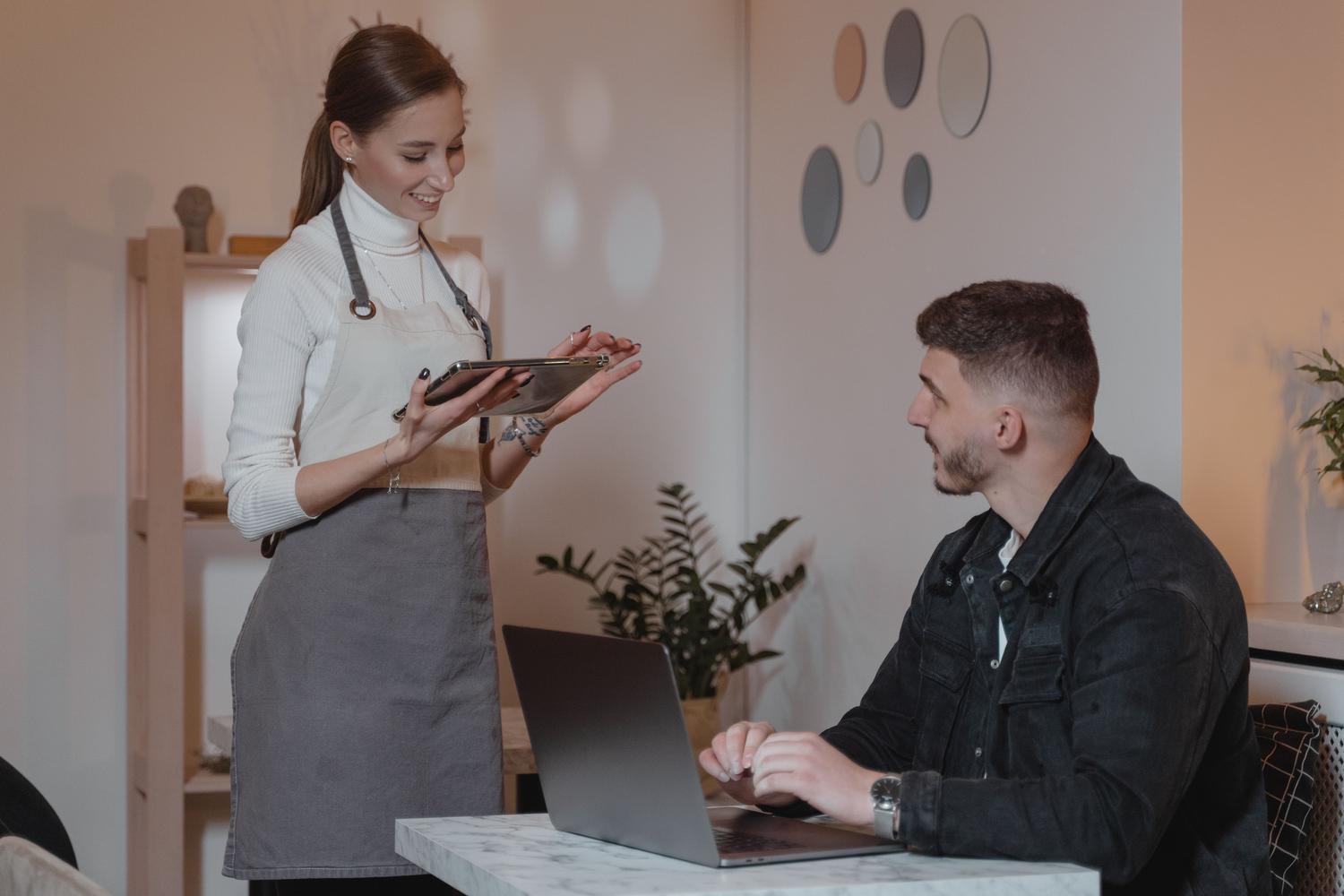
Investing in technology allows staff to be much more productive. If the waiter uses a mobile ordering deviceThe order arrives in the kitchen instantly, avoiding those unnecessary trips back and forth that only tire the team. In the end, this translates into a higher table turnover And, of course, more money in the till.
Not all bars are the same, and a café doesn't need the same things as a fine dining restaurant. When choosing, you have to look beyond the price. It's vital to check if you need a touch screen For faster speeds, or if you prefer iOS tablets for moving around the room, robust hardware is also crucial, capable of withstanding heavy use. splashes of grease and dustwhich are commonplace in this sector.
Another key factor is connectivity. Ideally, nowadays, it should be cloud storagewhich allows you to monitor sales from home or your mobile device in real time. Furthermore, we can't forget the legal aspect; any program you choose must comply with regulations. adapted to Verifactu regulations or mandatory electronic invoicing laws to avoid surprises with the tax authorities.

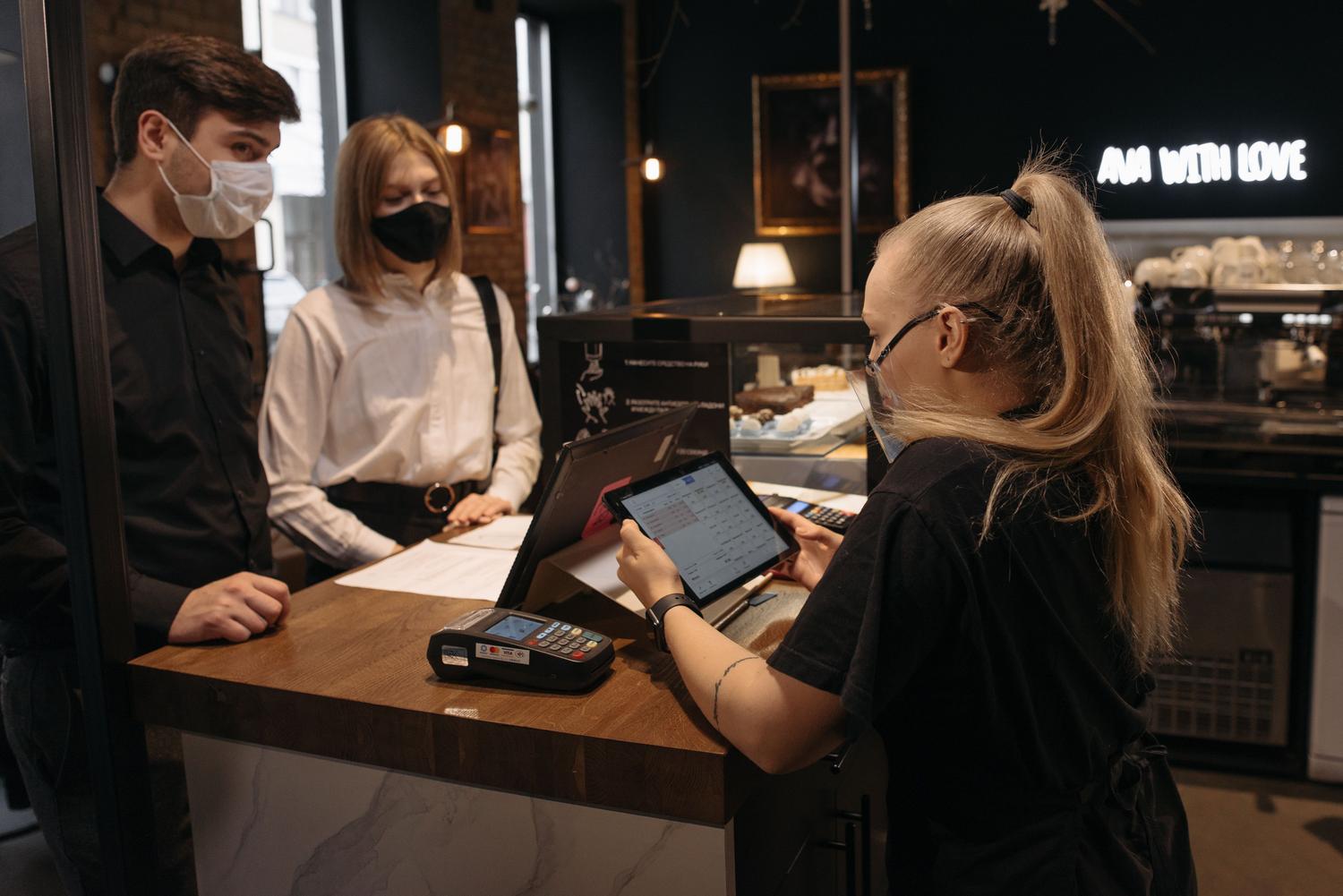
If you're looking for something very powerful and scalable, Glop It's a solid option because it offers everything from mini versions for small businesses to business ecosystems with artificial intelligence. On the other hand, if you're an Apple fan, Cegid Revo Xef o The bill They are ideal, as they are specifically designed for iPad and iPhone, offering a very smooth interface and a very professional image to the client.
For those seeking complete digitization, sipos y Last app They stand out for integrating everything into a single platform: from Glovo or Uber Eats delivery to reservation management and employee booking. If the budget is very tight, there are options such as Waiteriowhich offers a very simple free version to get started, or the option to purchase reconditioned equipment with a guarantee, combining the savings of the second-hand market with the security of a checked product.
Other interesting alternatives are Foodtic, very focused on improving the diner experience with self-ordering, or Hypoposwhich stands out for its advanced hardware and informative customer displays. For businesses that prioritize fast and easy checkout, Square y SumUp They are benchmarks, although they are usually based on transaction fees rather than fixed monthly fees.
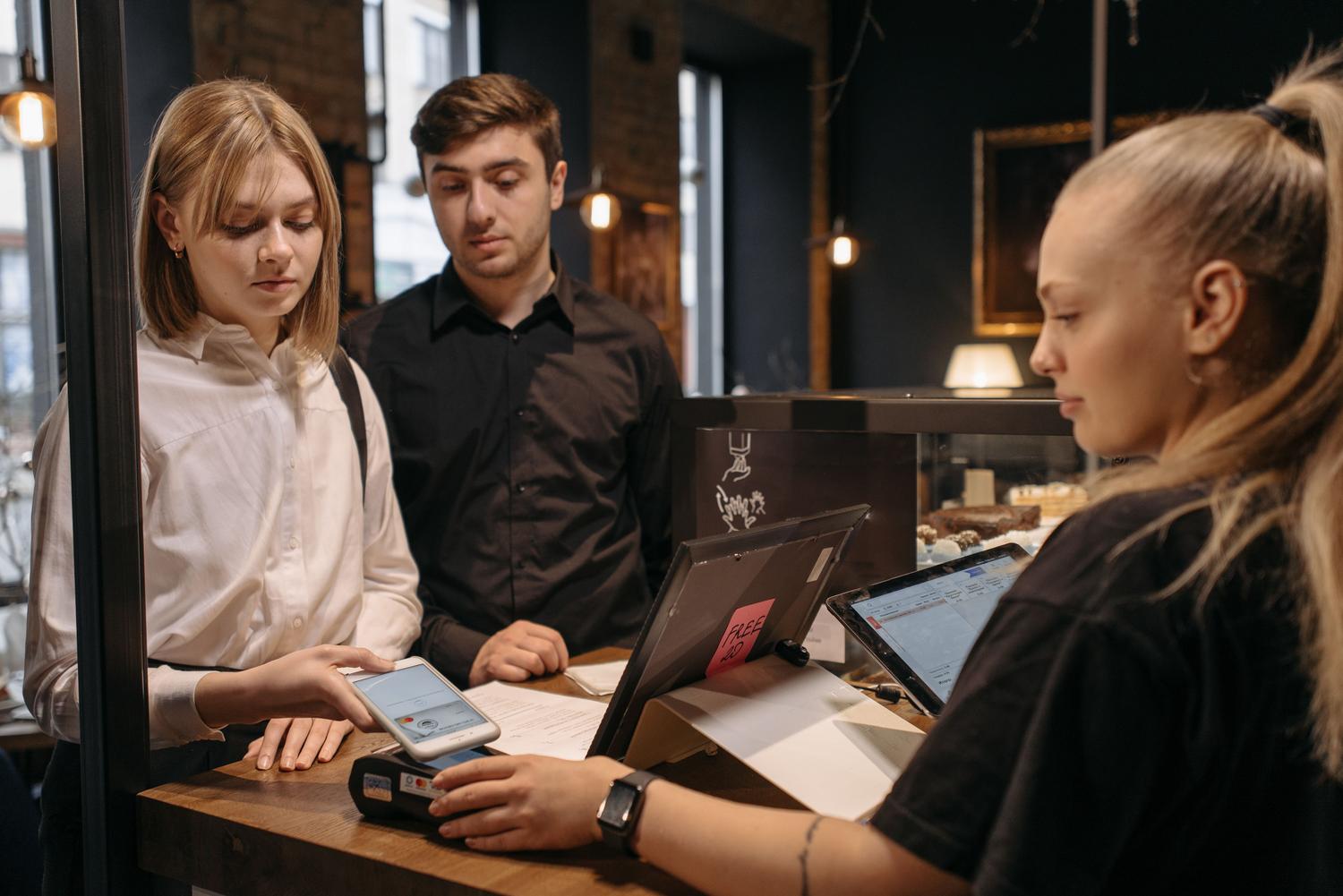
- Inventory management: Te avisa cuando un producto está por debajo del mínimo, evitando que tengas que decirle al cliente que «no queda» de su plato favorito.
- Digital menu and QR code: It allows the customer to view the dishes and, in some cases, place the order and payment from their own mobile phone.
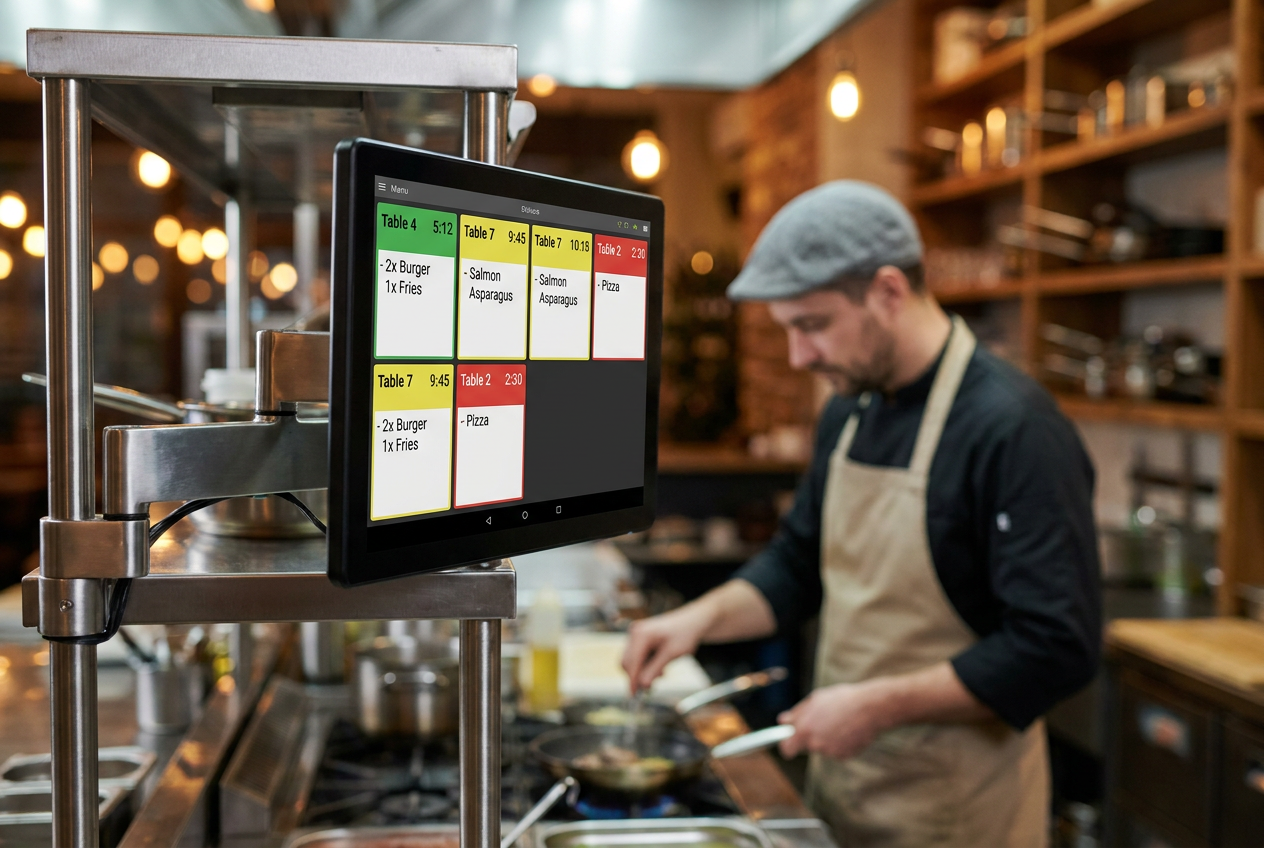
- KDS (Kitchen Display System): Replace paper tickets in the kitchen with screens, organizing dishes by preparation time.
- Analysis of data: Detailed reports that reveal peak hours and which employees are most efficient.

Once the equipment has been purchased, the first step is insert the letterThis involves uploading attractive images of the dishes and configuring the purchase and sale prices to calculate the cost breakdowns. If you don't have time to design the icons, there are image packs specifically designed for POS systems that make the screen much more intuitive for the server.
It is advisable to take advantage of the initial technical support to train staff. Powerful software is useless if the team doesn't know how to use it or is afraid of it. The key is to simplify processes: the fewer clicks an employee has to make to close a transaction, the better the workflow will be in the store.
Digitizing the hospitality industry through a suitable POS system allows a traditional business to be transformed into an efficient company, capable of controlling every penny and every ingredient while offering a fast and modern service that builds customer loyalty and maximizes operational profits.
