- Intel, founded in 1968, is the world's largest chip manufacturer and employs more than 100.000 people.
- Their processors, which have been around since the 70s, are used in PCs, laptops, servers, and embedded systems.
- Evolution by generations: from 8086/8088 to Pentium and Core, incorporating instructions and performance improvements.
- Manufacturing processes went from 32 nm to 14/10/7 nm; latest families include Core 12th and 13th with up to 24 cores.
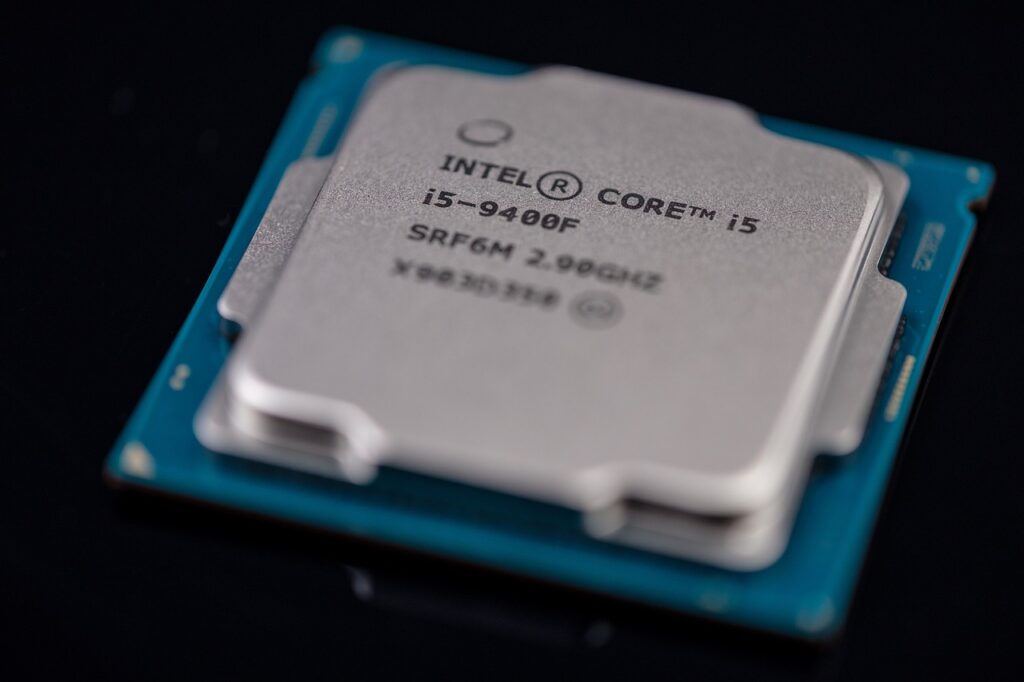
Intel Corporation is the world's largest semiconductor chip manufacturer and produces a wide range of processors. It was founded in 1968 by Gordon Moore, who co-founded it with Robert Noyce after leaving Fairchild Semiconductor. The company is headquartered in Santa Clara County, California, and currently employs more than 100.000 people worldwide.
Intel Processors: Types and Features
Intel processors are the most popular in the world for personal computers.
Intel Corporation's processors are the world's most popular processors for personal computers. They are used in a wide range of devices, including desktop computers, laptops, tablets and smartphones.
Intel processors have been used in personal computers since 1978 and were developed by Intel co-founder Gordon Moore with colleague Robert Noyce at Fairchild Semiconductor Corporation during 1969–1970. The first commercial microprocessor chip designed by Intel was known as the 4004 (which stood for 4000 series), which went on sale on November 15, 1971.
They are used in a wide range of devices, including desktop computers, laptops, tablets and smartphones.
Intel processors are used in a wide range of devices. They are used in desktop computers, laptops, tablets, and smartphones. Intel processors are also found in many other devices, such as servers and embedded systems.
There are currently several generations of Intel Corporation processors
The first Intel processors were introduced in 1978. They were based on the 8088 design and were limited to 16-bit addressing, with a maximum memory size of 1 MB (1 megabyte). Later versions included the 80286 and 80386 microprocessors, which offered more powerful features such as 32-bit addressing and protected mode operation.
The second generation of Intel chips was launched in 1985 with the release of the 386DX processor family. This new generation offered improved performance over previous processors while maintaining compatibility with existing software written for older versions of the x86 architecture.
Shortly after came the 486DX2, which offered higher clock speeds than its predecessors along with support for SIMD instructions, such as MMX technology, which allowed for faster multimedia applications, such as video editing applications or games that required 3D graphics capabilities, such as Quake III Arena, which was released at the time.
Intel Corporation Processors: Specific Instructions
Each generation is characterized by a specific set of instructions and technologies. The original 8086 processor, for example, had only 16 general-purpose registers (the memory that programs use to store data ), while more recent processors can have more than 1.000.
The first four generations were based on 14nm process technology; Intel then moved to 10nm in 2016 with its “Skylake” chip family and has since released 8th Gen Coffee Lake CPUs using 7nm production methods.
The first generation chips were launched in 1978
The first generation was released in 1978 and featured the 8088 CPU, which came with a very similar instruction set to that used by other CPUs of the time. The 8088 included instructions for integer arithmetic, as well as some advanced features like memory protection and paging capability. The 8088 chip wasn't very powerful by today's standards, but it helped pave the way for more advanced CPUs that followed later on this list.
The manufacturing process
Intel's chip manufacturing process has also evolved over the years, starting with 32nm chips and ending with 10nm chips today (2018).
The first generation of Intel processors used a 32nm process, which was followed by 22nm and 14nm processes. The latest generation of processors is based on a 10nm manufacturing process.
Since 1978 Intel Corporation Processors
Intel has been making processors since 1978 and has released new generations every few years since then. The first generation of Intel processors was released in 1978, and there have been a total of 7 generations so far:
- Intel 8086 (1978)
- Intel 286 (1982)
- Intel 386SX (1989)
- Intel 486DX2-66 (1992)
- Intel Pentium Pro/II/III (1995)
- Itanium IA64 Server Platforms (2001)
Latest processors
The latest processors released by Intel include the 13th generation Intel Core desktop processors and the 12th generation Intel Core mobile processors. The 13th generation desktop processors include six unlocked processors with up to 24 cores, 32 threads, and clock speeds up to 5.8 GHz, delivering an enhanced experience for gaming , streaming, and recording.
On the other hand, the 12th generation Intel Core processors for mobile devices offer industry-leading mobile performance, with the Intel Core i9-12900HK being the world's fastest mobile processor.
Conclusion: Intel Corporation Processors: Types and Features
Over the past few decades, Intel has manufactured processors for personal computers , laptops, tablets, and smartphones. The company has also changed its manufacturing process over time, moving from 32nm chips to the current 10nm process.