- Security is based on a shared responsibility model between AWS, Databricks, and the customer.
- Unity Catalog allows granular control of data through catalog limits and column masks.
- The use of private connectivity and TLS 1.2 encryption is recommended to protect the transmission of information.
- Regulatory compliance relies on hardened security profiles and evidence-based audits.

When you delve into the data ecosystem, protecting information isn't just a matter of setting a password. In the Databricks environment on AWS , security is a complex framework that blends identity management, network control, and encryption, all designed to ensure your data doesn't end up where it shouldn't and that you comply with current regulations without driving yourself crazy in the process.
For everything to run smoothly, it's essential to understand that responsibility is shared. Databricks isn't solely responsible; there's a clear division of labor between the cloud provider, the data platform, and your own organization, ensuring that each piece of the puzzle is monitored by the appropriate team to prevent security breaches.
Access Management and Authentication
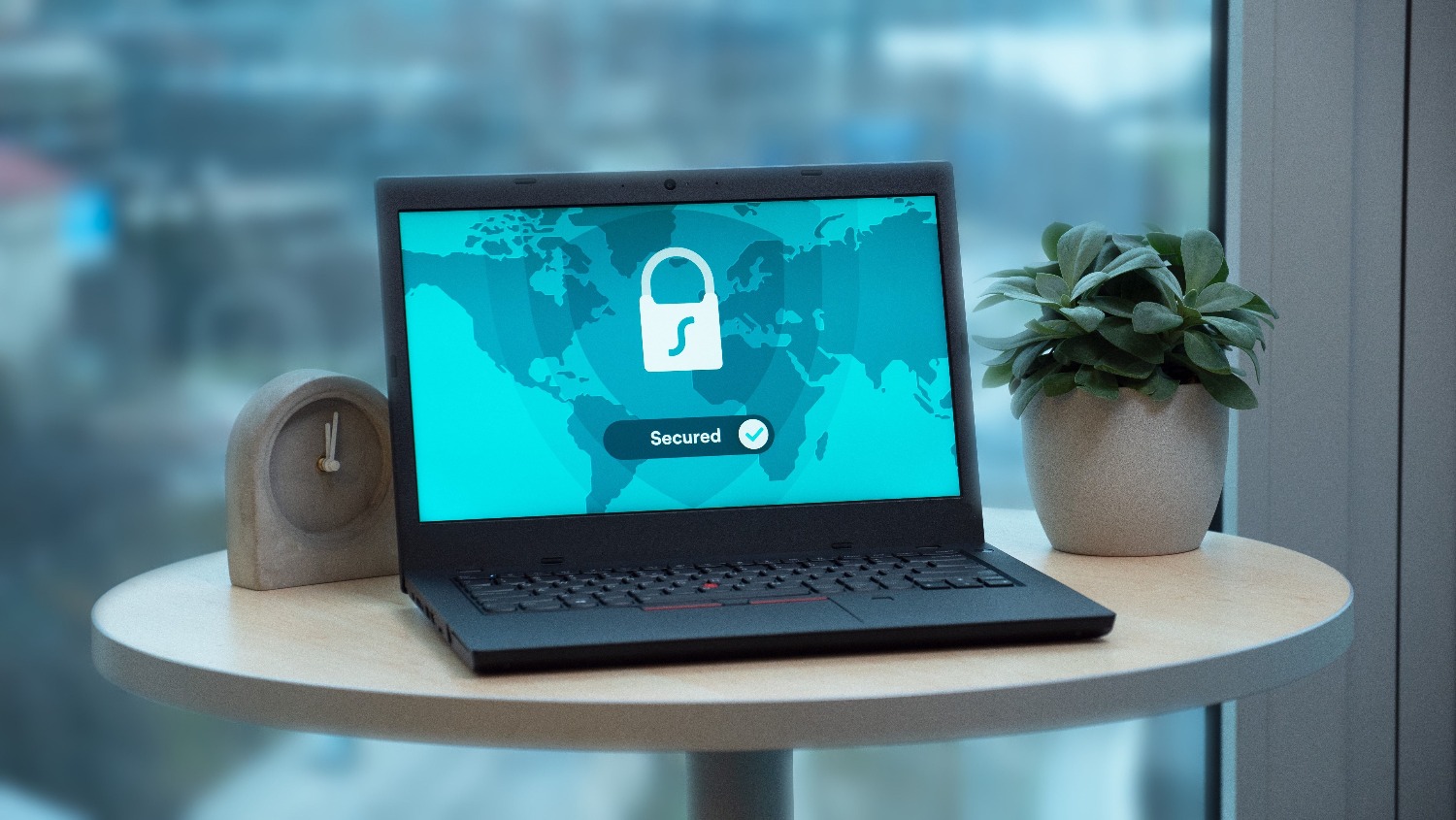
To keep things secure, the first step is to control who enters and what they can access. Implementing robust authentication is vital , relying on third-party identity providers, using single sign-on (SSO), and, above all, enforcing two-factor authentication to prevent unauthorized access.
Regarding permissions, it's best to avoid granting individual access and instead use groups. For automated processes, the most sensible approach is to use dedicated service principals with only the minimum necessary privileges. A good practice is to completely separate those who deploy the code from those who run the work in production, using OAuth identity federations to ensure secure and auditable CI/CD workflows.
Data Governance with Unity Catalog

If you want complete control over your assets, Unity Catalog is the key tool. It allows you to define catalog boundaries to separate development environments from production environments or divide data by business domains. Furthermore, you can restrict the use of certain catalogs to specific workspaces, preventing sensitive data from leaking into unauthorized environments.
It's important to remember that, even though Unity Catalog manages permissions, direct access to cloud storage still needs to be monitored, as someone with IAM permissions on AWS could bypass Databricks governance. For very specific cases where different users need to see different parts of the same table, row filters or column masks can be applied , ensuring that each user sees only what they are authorized to see.
Network Security and Connectivity

Data flow must travel along secure paths. Depending on your needs, you can choose the classic compute model, where you control the resources in your own AWS account, or opt for the serverless model, where Databricks manages the compute plane.
- Classical Computing: Here you must meticulously verify the network design, the routes to the data sources, and the exit restrictions to prevent information leaks.
- Serverless Computing: It relies on private endpoints and managed egress policies, facilitating connectivity through services such as AWS PrivateLink.
It is essential that all communications, both internal between nodes and to the metastore, use TLS 1.2 or higher protocols to ensure that information is encrypted while traveling across the network.
Encryption, Secrets and Regulations
In terms of storage, Databricks already encrypts data by default, but if your company has strict security requirements, you can implement customer-managed keys (CMKs) . This gives you complete control over the rotation and recovery of encryption keys, although it requires more active management on your part.
To prevent passwords from being exposed in code or logs, Databricks secret scopes should be used . Although an automatic redaction system exists, it is safest to restrict access to these secrets only to the applications that actually need them.
Compliance and Audit

For those working in regulated sectors, there's a compliance security profile that strengthens the system's security (based on standards like CIS Level 1) and adds monitoring agents that generate detailed logs. This is essential if you handle data subject to strict regulations such as HIPAA or GDPR.
Before deploying any workload to production, it's advisable to conduct a thorough review to determine who has access, how data flows, and who is responsible for each control. Collecting tangible evidence , such as screenshots of unauthorized access denials or audit event logs, is what truly demonstrates that the system is secure and meets SOC 2 Type II standards.
Having a secure architecture involves coordinating identity management, network segmentation through PrivateLink, and strict governance through Unity Catalog, ensuring that every access is audited and every piece of data is encrypted, thus minimizing operational and legal risks in the AWS environment.
FAQ
Who is responsible for security in a Databricks on AWS implementation?
Responsibility is shared: Databricks manages the control plane, AWS handles the underlying infrastructure, and the customer organization controls identities, data classification, and cloud configuration.
How does Unity Catalog help improve data security?
It allows you to set clear boundaries between environments, assign owners to catalogs, and apply row filters or column masks to restrict the visibility of sensitive data.
What is the difference between traditional computing and serverless computing in terms of networking?
In traditional computing, the customer designs and controls the network in their AWS account, while in serverless computing, Databricks manages the compute plane using private endpoints such as AWS PrivateLink.
How should credentials and passwords be managed in Databricks?
Databricks secret scopes should be used to avoid writing credentials in code or logs, limiting access only to applications that require them.
What is a compliance security profile and what is it used for?
It is a configuration that hardens the system's image following the CIS Level 1 standard and adds advanced monitoring to comply with regulations such as HIPAA or GDPR.
How can the security of data traffic be ensured?
The mandatory use of TLS 1.2 or higher versions is implemented for all internal cluster communications and external connections to the metastore.
What evidence is needed for a successful compliance review?
Evidence of effective permissions, records of denial of access to unauthorized users, and samples of audit events that match the actions taken must be collected.
