- Transition from touchscreens to invisible and wearable interfaces such as smart glasses.
- Implementation of contextual AI that optimizes everything from battery life to UI customization.
- Focus on hardware engineering and privacy to achieve mass adoption of mobile AI.

The way we interact with the technology in our pockets is undergoing a radical transformation. It's no longer just about having a screen that responds to our fingers, but about creating a true symbiosis between hardware and artificial intelligence so that devices understand us almost before we speak. This evolution is leading us to a point where the interface is no longer a glass wall, but an invisible experience that adapts to our lifestyle.
We're talking about a qualitative leap where AI ceases to be an added feature and becomes the core of mobile interaction . From glasses that read the environment to applications that anticipate our needs based on context, the goal is clear: to reduce friction and make technology a natural tool, eliminating the feeling of "operating" a machine and moving towards simply interacting with an intelligent assistant.

The leap towards wearable interfaces: AI glasses

One of the strongest bets for reducing smartphone dependency is smart glasses. These aren't just technological toys, but a new gateway to mobile AI that aims to integrate assistance into our line of sight. By combining precision engineering with fashionable design, these glasses allow AI to understand what the user sees and hears, making the assistance contextual and seamless in real time.
To make this device practical for everyday use, the engineers have been obsessed with every detail. Ultra-thin hinges and lightweight materials have been implemented so the user forgets they're even wearing technology. Furthermore, to prevent the processor from overheating the user's face, specialized thermal graphite is used , ensuring that the power of AI doesn't compromise physical comfort.
- Simultaneous translation: Breaking down the language barrier through live audio and visuals.
- Smart Capture: Ability to digitize a whiteboard or meeting and automatically organize key points into notes.
- Hands-free assistance: Gesture and voice control to manage routes or messages without taking out your phone.
- Ecosystem interaction: Full synchronization with watches and headphones to distribute the processing load.
Privacy is the elephant in the room, so visible LED indicators have been integrated to alert third parties when recording is in progress. Obstruction detection has also been implemented , which stops recording if the warning LED is covered, ensuring that the technology is neither intrusive nor secretive.

The evolution of user interface (UI) design and user experience
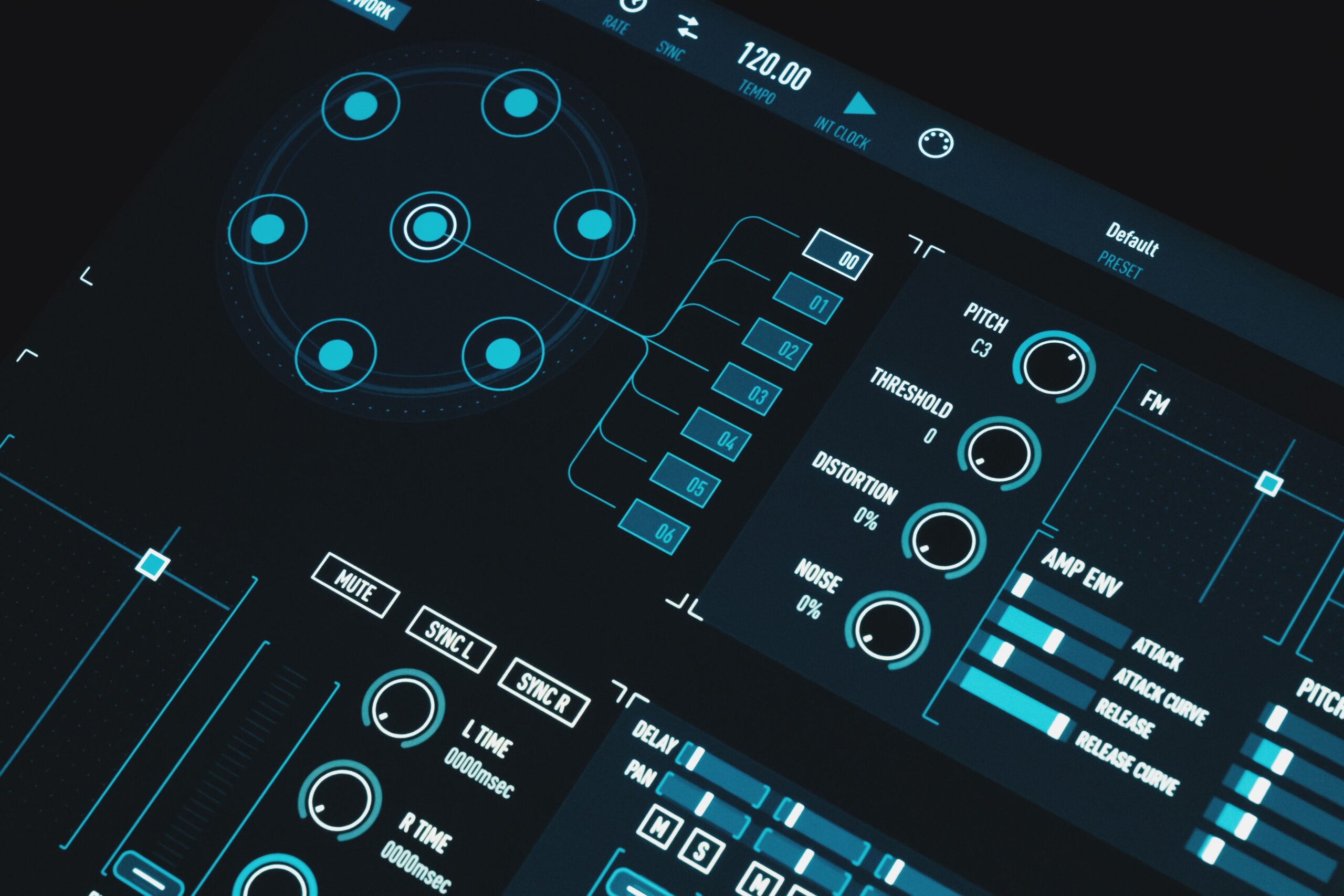
Interface design is no longer just about placing pretty buttons, but about creating intuitive , interactive visual elements . AI is transforming mobile UIs to be adaptive; that is, the interface changes based on the user's historical behavior. This creates a feeling that the application truly understands us , optimizing workflows and eliminating unnecessary steps.
For an AI implementation in an app to be successful, simply connecting a chatbot isn't enough. It's essential to define a clear use case that solves a real problem, whether it's improving customer retention or automating support. An intelligent interface should display timely suggestions without overwhelming the user, always maintaining transparency about how the data is being used and allowing the user to have ultimate control.
Optimization of hardware and mobile services

AI isn't just on the surface; it works behind the scenes to extend device life. Machine learning is now used to optimize battery consumption and improve internet connection stability. Even the keyboard has evolved; predictive text no longer just suggests words, but analyzes our writing style to make messages sound natural and authentic.
In specific sectors, such as international mobile top-ups, AI has been a game-changer. It's now possible to predict peak demand times to adjust offers and use chatbots that resolve payment issues 24/7. Furthermore, security has taken a giant leap forward thanks to real-time anomaly detection , which identifies patterns of criminal behavior to block fraud before it occurs.

Trends and the future of smart mobility
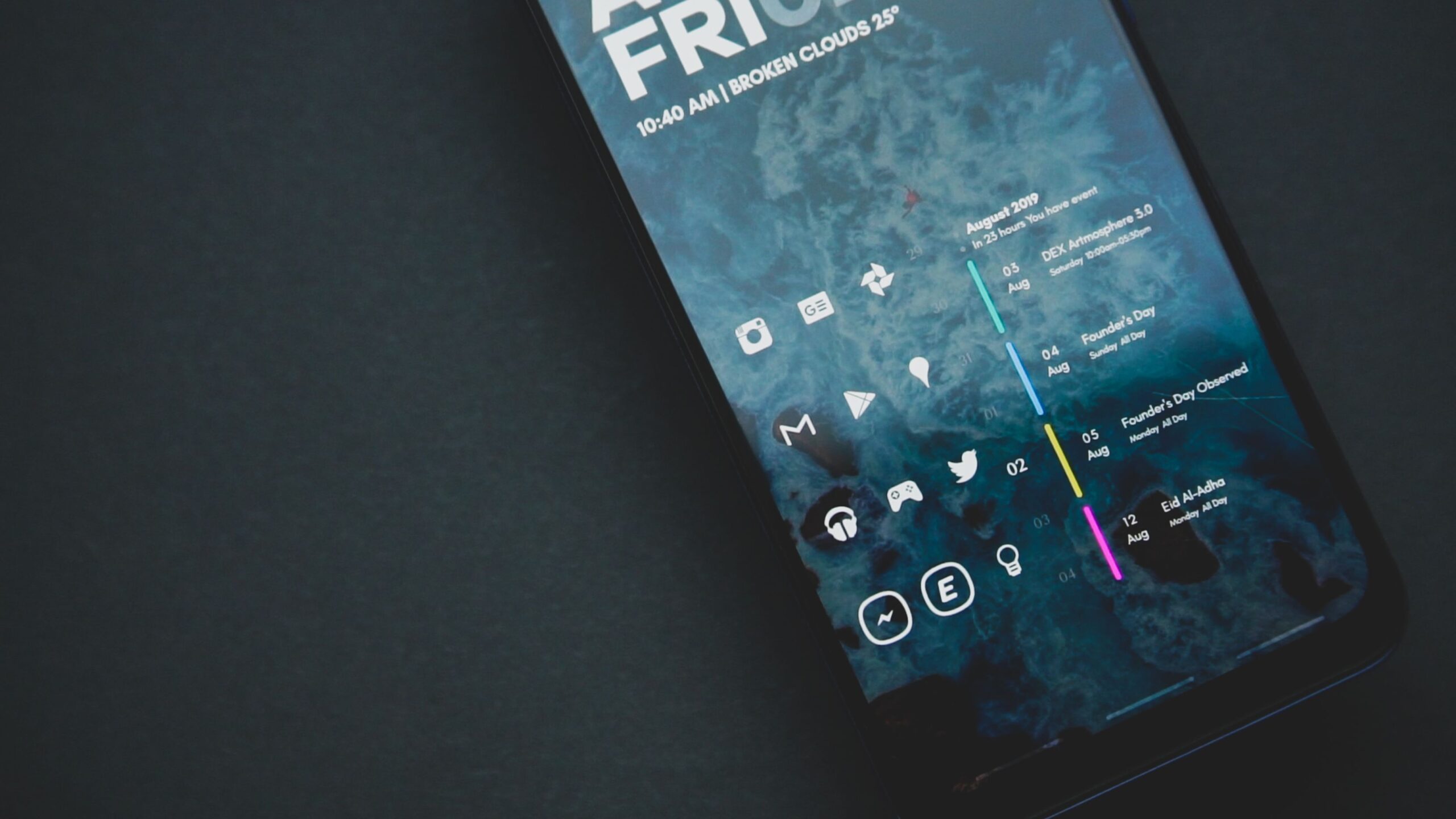
Looking ahead, the convergence of 5G connectivity and AI will accelerate edge computing. We'll see a much deeper integration of Augmented Reality (AR) and Virtual Reality (VR) , where virtual assistants will be more than just voices; they will be entities capable of fully personalizing the smartphone experience. The trend is clear: we're moving toward a distributed processing model , where work is shared between wearable devices and phones to maximize efficiency.
Artificial intelligence has moved beyond being a promise and has become the driving force redefining every aspect of mobile technology, from the ergonomics of smart glasses to the security of financial transactions. This seamless integration of optimized hardware, adaptive interfaces, and a deep understanding of human context is making technology invisible , allowing us to focus on living in the moment while AI manages the technical complexity in the background.
