- Web 3.0 seeks to democratize information and give users greater control over their data.
- Technologies such as artificial intelligence and blockchain are essential to improve privacy and security.
- Semantic interoperability enables better understanding of data and connects diverse sources of information.
- The metaverse offers immersive experiences, transforming sectors such as entertainment and commerce.
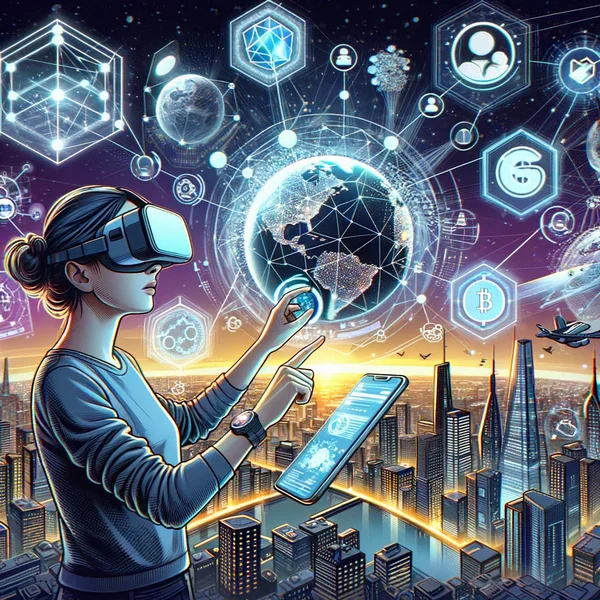
Web 3.0 represents a revolution in how we interact with the Internet universe. Unlike its centralized predecessor, Web 3.0 promises an era of digital democratization, where users have greater control and privacy. Web 3.0 applications, using emerging technologies such as artificial intelligence, blockchain, and XNUMXD graphics, are redefining our online experience.
The Evolution of the Internet: From Web 1.0 to Web 3.0
Origins and Centralization of the Web
Tim Berners-Lee, the pioneer of the World Wide Web, could not have foreseen how the Internet would transform in the decades that followed. From its beginnings as a decentralised network of information, it has evolved into a platform dominated by tech giants, raising issues of privacy and control. This transformation has led to significant debate about the need for a more open and accessible Internet, where power and control of information are not concentrated in a few hands.
Web 3.0 Applications: Democratizing Information
Web 3.0 applications seek to reverse this centralization. Using artificial intelligence, machine learning, and 3D graphics, they strive to create a more equitable and accessible online ecosystem. These technologies are designed to offer a more personalized and content-rich experience while protecting user privacy and security. The goal is to provide a platform where information and services are distributed fairly, and where users have greater control over their data.
Artificial Intelligence and Machine Learning in Web 3.0
AI: Automation and Data Analysis
AI is a key enabler in Web 3.0 applications. It enhances the user experience by automating tasks and providing faster, more in-depth data analysis, though it also raises challenges regarding privacy and bias. AI can be used to create smarter, more efficient systems that better understand user needs and preferences, delivering a more personalized and relevant experience.
Machine Learning: Personalization and Efficiency
Machine learning enables websites to deliver personalized experiences, tailoring content to individual interests. This marks a significant shift from the siloed approach of Web 2.0. Machine learning systems can analyze large amounts of data to identify patterns and preferences, enabling deeper personalization of content and a richer user experience.
The Data Revolution in Web 3.0
Big Data Management
With 2,5 quintillion bytes of data created every day, Web 3.0 aims to make this information understandable and valuable to users, significantly improving their lives. This massive amount of data requires advanced technologies for its management and analysis, allowing users to access and use the information more efficiently and effectively.
Data Storage and Privacy
Technologies like Storj offer secure storage solutions, allowing users to control their own information and earn rewards for hosting data. These decentralized storage solutions are a key component of Web 3.0, as they offer an alternative to traditional centralized models, increasing data security and privacy.
Semantic Interoperability in Web 3.0
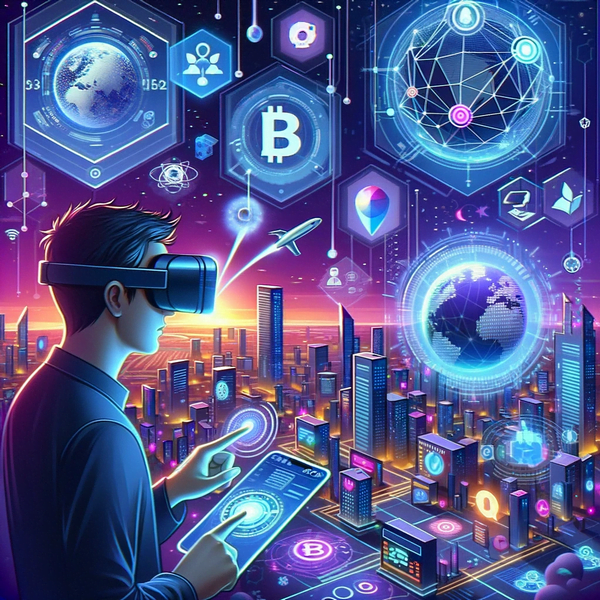
Data Interconnection on the Internet
Semantic interoperability is fundamental to Web 3.0, allowing systems to better understand the meaning and context of information, which is key in sectors such as healthcare and digital transformation. This ability to connect and understand data from diverse sources and formats is essential to creating a more integrated and efficient Internet ecosystem.
Blockchain and Cryptocurrencies: Pillars of Web 3.0
Decentralization and Security
Blockchain is essential in Web 3.0 for secure and transparent data transfer. Its adoption could transform entire industries, especially in the financial sector. Blockchain technology offers a method for storing and transferring data that is immutable and transparent, significantly reducing the risk of fraud and manipulation.
Impact on Small Businesses and Financial Services
Small businesses could benefit greatly from data decentralization, forcing tech giants to adapt their models toward greater transparency and user-centricity. This could level the playing field, allowing small businesses to compete more effectively in the global marketplace.
The Metaverse and Three-Dimensional Graphics
Immersion in Virtual Spaces
The metaverse, an integral part of Web 3.0, offers immersive experiences in virtual spaces, transforming industries such as entertainment, commerce, and education. These virtual environments allow for richer, more immersive interaction, opening up new possibilities for creativity, collaboration, and commerce.
Three-dimensional graphics technology
3D graphics are crucial in creating realistic environments in the metaverse and in various industrial and commercial applications. This technology allows for a more accurate and detailed representation of the real world, improving the user experience and expanding design and simulation possibilities.
Conclusion
Web 3.0 is on its way to transforming our interaction with the Internet, delivering a fairer, safer and more personalized world. Web 3.0 applications are the vehicle for this significant change. As we explore these new possibilities, we invite you to share this article and join the conversation about how Web 3.0 is shaping our digital future.