- The transition to the Cloud-Managed Networking model eliminates infrastructure fragmentation and reduces operating costs through centralized management.
- Task automation and real-time visibility enable proactive incident resolution without the need for on-site technical visits.
- Security becomes a model of shared responsibility, integrating Zero Trust architectures and European regulatory compliance.
- The scalability and flexibility of virtual networks facilitate business growth in sectors such as banking, healthcare, and transportation.
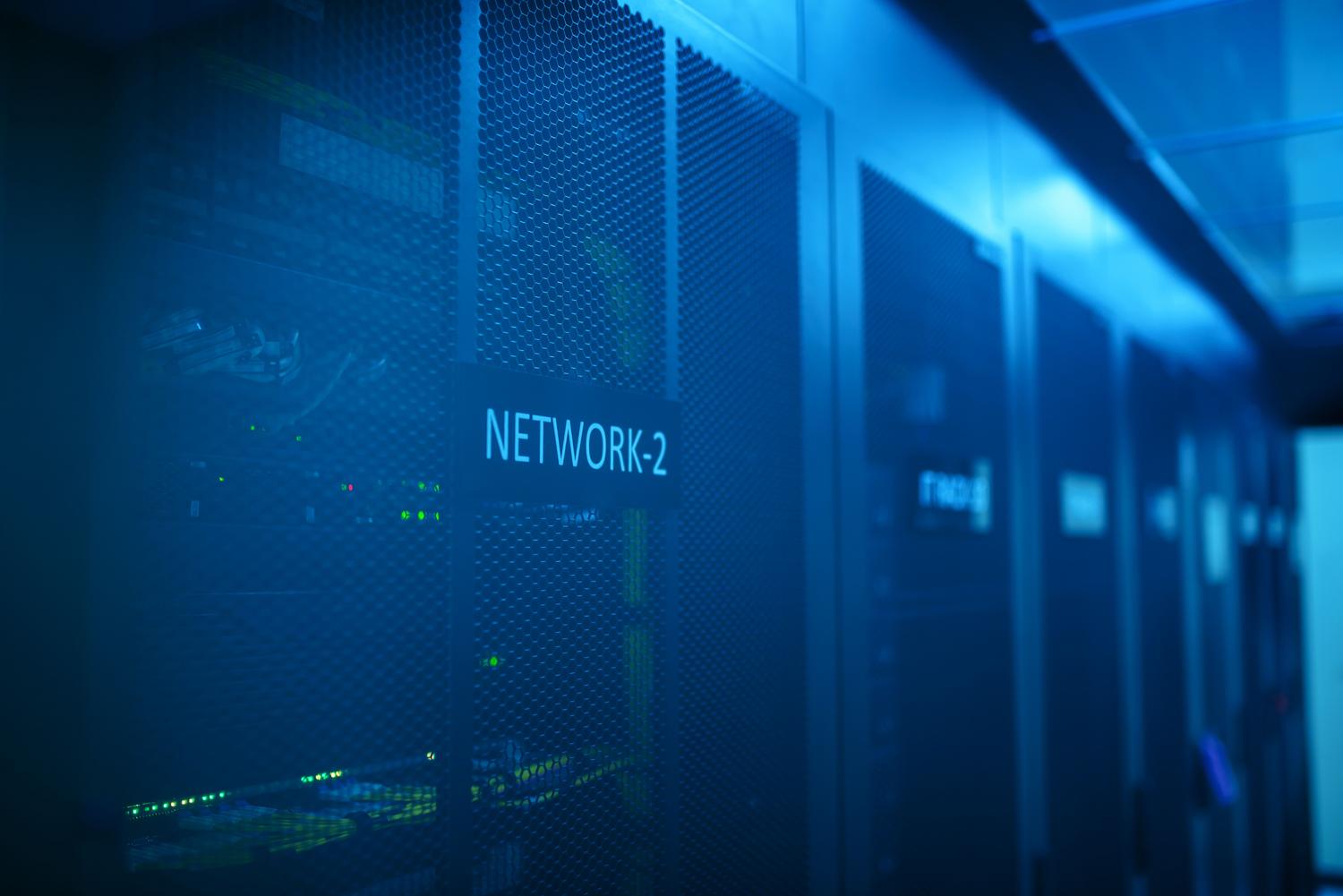
Today, the world of telecommunications is often perceived as a complex and murky terrain, even by those already working in the technology sector. There's a worrying trend where new IT professionals overlook the fact that mastering the TCP/IP protocol and understanding networks are the foundation upon which everything else is built. Essentially, without a network that functions like clockwork, information doesn't flow, and even the most advanced digital tools are reduced to mere empty boxes.
If we're being honest, a failing wireless network is the fastest way for end users to become frustrated and abandon the service. That's why we must understand that connectivity isn't an add-on, but rather the backbone of any business operation. Without a solid foundation, it's impossible for messages to reach their destination or for digital transformation to be anything more than a buzzword in management meetings.
The turning point in network management for SMEs and MSPs

The current reality for small and medium-sized businesses, as well as Managed Service Providers (MSPs), has reached an operational limit. With the rise of hybrid work and the dispersion of offices, we find ourselves with a fragmented network ecosystem full of connected devices in countless different locations. The problem is that, instead of gaining agility, many IT departments have become trapped in a reactive maintenance cycle, wasting valuable hours manually resolving incidents because they use tools that don't communicate with each other.
Furthermore, in Europe, the pressure is mounting, with regulations such as the Cyber Resilience Act (CRA). It's no longer enough for the network to simply function; strict control over the software lifecycle must be guaranteed to prevent artificial intelligence from being weaponized in cyberattacks. In a market facing a shortage of skilled professionals, the lack of centralized oversight creates dangerous blind spots and drives administrative costs to unsustainable levels.
Cloud-Managed Networking: The Strategic Solution
To overcome this bottleneck, businesses are migrating to cloud-managed infrastructure. This model, known as Cloud-Managed Networking, allows for the unified management of a wide variety of devices, from Wi-Fi and switches to firewalls and 5G/LTE access, all under a single control system. By eliminating local controllers or on-premises management hardware, companies simplify their network topology and save significant amounts of money on operating costs.
Having a single pane of glass, what's technically called a "single pane of glass ," is a game-changer. It allows for the real-time detection of anomalies across multiple sites before the client even realizes anything is wrong. Furthermore, it's possible to replicate security configurations across different locations with just a few clicks, ensuring a consistent environment and eliminating vulnerabilities due to human error.
Automation and the end of unnecessary technical visits

Where the return on investment truly shines is in automation. Forget about sending a technician across town just to update firmware or change a security setting. Remote deployment of patches and updates eliminates the need for on-site travel, optimizing the productivity of your support staff and drastically reducing support costs.
Advanced solutions, such as Zyxel's Nebula platform, democratize access by offering free professional versions. This is crucial for SMEs to avoid being left behind by expensive licenses. Thanks to Zero-Touch provisioning , devices can be configured even before they're taken out of the box, becoming operational within minutes of connection. They also facilitate the creation of VPNs in mesh or hub-and-spoke topologies to connect remote offices seamlessly.
Security and Governance in the Cloud Environment
In the field of cybersecurity, the current focus is shifting towards Zero Trust protection policies . To combat vulnerabilities, default passwords are being eliminated and the use of multi-factor authentication (MFA) is being mandated. Transparency and daily governance are fundamental; as experts point out, trust is earned through verifiable oversight that eliminates any blind spots in the infrastructure.
It is vital to understand that cloud security is a shared responsibility . While the provider secures the underlying infrastructure, the network owner must protect access controls, data, and applications. Misunderstandings in this division of tasks create serious security vulnerabilities that malicious actors will quickly exploit, especially in hybrid environments where on-premises and cloud networks coexist.
Virtual Cloud Networks (VCNs) versus the traditional model

Cloud networks, or VCNs, are the natural evolution of the enterprise network. In the old model, everything depended on a physical data center with hardware managed by local staff. Now, the functions and logistics reside in the cloud, whether private or public. This brings clear benefits: much more agile scalability , superior availability, and native integration of cloud-based functions.
For those who don't want to make the complete switch, the hybrid model is a balanced option, keeping critical data locally and leveraging the power of the cloud for everything else. This system allows the network to adapt automatically through containers and serverless computing, adjusting to current demand.
Key differences and sector applications

Cloud networking is often confused with cloud computing. The difference is simple: cloud computing focuses on how applications run (IaaS, PaaS, SaaS), while cloud networking focuses on how applications are accessed and how connections are managed.
- Private Cloud: Resources dedicated exclusively to one organization.
- Public Cloud: Shared infrastructure managed by third parties.
- Hybrid Cloud: A combination of both to optimize performance.
- Multicloud: Use of multiple providers to avoid dependence on a single one.
This versatility has impacted a wide range of sectors. In the medical industry , it helps process massive volumes of health data; in banking , it streamlines transaction tracking; and in the government sector , it alleviates the storage burden of thousands of urban surveillance cameras. Even in retail, it enables large-scale order coordination through the use of chatbots.
Adopting these technologies not only improves IT efficiency and reduces capital expenditures by leasing equipment instead of purchasing it, but also minimizes downtime , as the vendor handles hardware upgrades. Ultimately, the ability to manage connectivity in a unified and automated way has become a strategic imperative for any organization that wants to survive and grow in the digital age, ensuring a consistent security posture that is ready for any audit.