- Comprehensive digitalization redefines the business model and organizational culture to improve competitiveness.
- Implementing tools such as ERP, CRM, and Big Data optimizes operations and strategic decision-making.
- Overcoming resistance to change and lack of training is fundamental to ensuring business sustainability.

Today, fully embracing the digital world is no longer something small and medium-sized businesses can put off; it's simply a matter of survival. In a market that moves at breakneck speed, adopting digital technologies is the only way to stay ahead of the curve, allowing businesses to optimize their daily tasks, provide better customer service, and achieve a significant leap in operational efficiency.
But don't be fooled: transforming a company isn't just about creating a pretty website or opening an Instagram profile. We're talking about a profound restructuring that touches every fiber of the organization, from how data is managed to the team's mindset. It's about integrating technology into the DNA of the business to change how value is delivered to the market and adapt to consumers who no longer buy or interact the way they did a few years ago.

The real impact of digitalization on competitiveness

When an SME digitizes, it not only changes its tools but also redefines its business model. The ability to analyze data in real time allows business owners to move beyond intuition and start basing decisions on concrete facts. This translates into incredible agility in responding to market shifts, reducing costs, and eliminating the bottlenecks that often hinder more traditional companies.
Furthermore, digitalization acts as a powerful equalizer. Thanks to the cloud and scalable software, a small business can compete on equal footing with industry giants, accessing international markets and breaking down previously insurmountable geographical barriers. The COVID-19 crisis accelerated this process, demonstrating that those already digitized not only survived but also capitalized on the rise of e-commerce and remote work to grow.

Essential technological tools

For the change to be effective, you must choose the tools that truly fit the needs of the business. It's not about buying the most expensive software, but the most useful. Among the top solutions are:
- ERP Systems (Enterprise Resource Planning): These platforms are the heart of the company, as they integrate everything from accounting to inventory in one place, avoiding data duplication.
- CRM (Customer Relationship Management): Essential for maintaining the connection with the customer, allowing for hyper-personalized attention that boosts customer loyalty.
- Cloud Computing: Tools like Google Workspace or Microsoft 365 They allow the team to collaborate from anywhere, making work much more fluid and agile.
- Data Analysis and Big Data: Using solutions like Power BI or Tableau, SMEs can detect consumption patterns and predict trends before the competition.
- Digital Sales Channels: Using Shopify or WooCommerce is vital to opening your store to the entire world and improving the user's shopping experience.

The human factor: Culture and Change Management
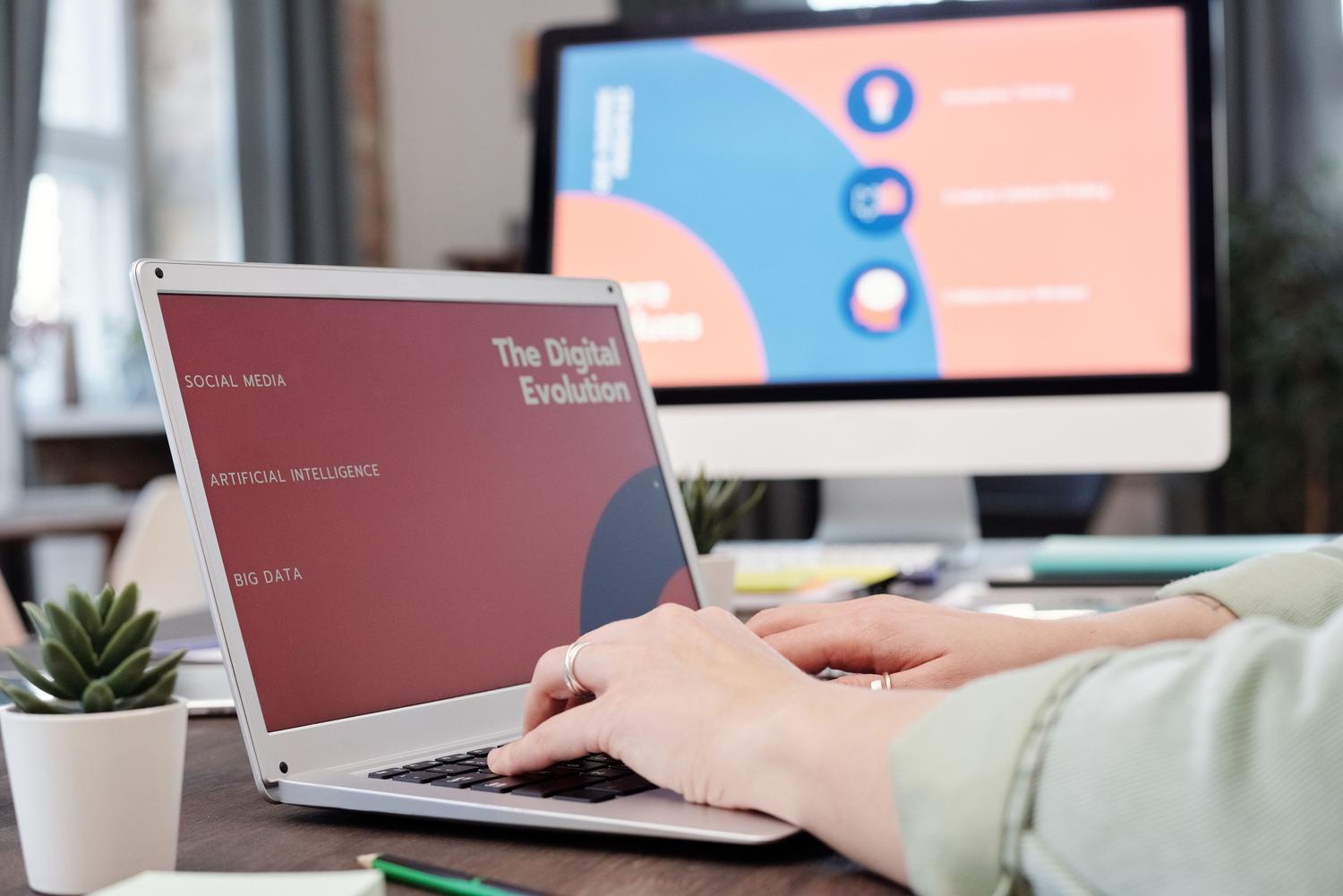
This is where many companies go wrong. You can have the best software in the world, but if your team doesn't want to use it, you've wasted your money. Digital transformation requires an organizational cultural shift . It's normal to experience fear of the unknown or the feeling that technology is replacing people, so it's vital to foster inclusive and proactive leadership.
To combat resistance to change, it's advisable to implement ongoing training programs . Staff should feel that digitalization is an opportunity to improve their work, not an added burden. Involving employees in the process and showcasing real-world success stories helps make the transition much more natural and less traumatic.

Roadmap for successful implementation

If you want your digital transformation to be smooth and not chaotic, you need a structured plan. You can't improvise when it comes to your business architecture. The key steps are:
- Initial diagnostic: Analyze current processes thoroughly to identify where there are efficiency leaks and which areas urgently need digitization.
- Goal setting: Set measurable goals. It's not enough to "want to sell more," but rather to "increase online sales by 20% in six months."
- Customer study: Analyze where your potential customers actually are. There's no point in investing in a social network if your target audience doesn't use it.
- Selection and deployment: Choosing the right technology and deploying it gradually, starting with those that offer a immediate return on investment.
- Measurement and adjustment: Evaluate the results against the set objectives and make the necessary adjustments as needed.
Common barriers and how to overcome them
It's not all sunshine and roses, and real obstacles exist. The most frequently mentioned is the cost of implementation , especially for micro-enterprises. However, we need to stop viewing technology as an expense and start seeing it as a profitable investment in the medium term. Furthermore, in Spain there are various grants and subsidies available, such as the EU-funded Recovery, Transformation and Resilience Plan, which facilitate access to funds for modernization.
Another obstacle is the lack of digital skills . To overcome this, the solution lies in specialized training and the creation of collaborative ecosystems, where SMEs partner with research centers or expert consultancies to close the knowledge gap and achieve digital maturity.
Carrying out this process requires time, effort, and a generous dose of patience, but the results are undeniable. By integrating technology into management, optimizing customer relationships, and training the team, an SME ceases to be a vulnerable entity and becomes an agile organization, capable of constant innovation and securing its place in the global economy of the future.
