- Time series definition as sets of data collected at regular intervals to predict future trends.
- Breakdown of fundamental components: trend, seasonality, cycles and random noise.
- A comparison between the various modeling approaches, from classical and ARIMA methods to deep learning and AI.
- Practical applications in critical sectors such as healthcare, finance, energy, and e-commerce.
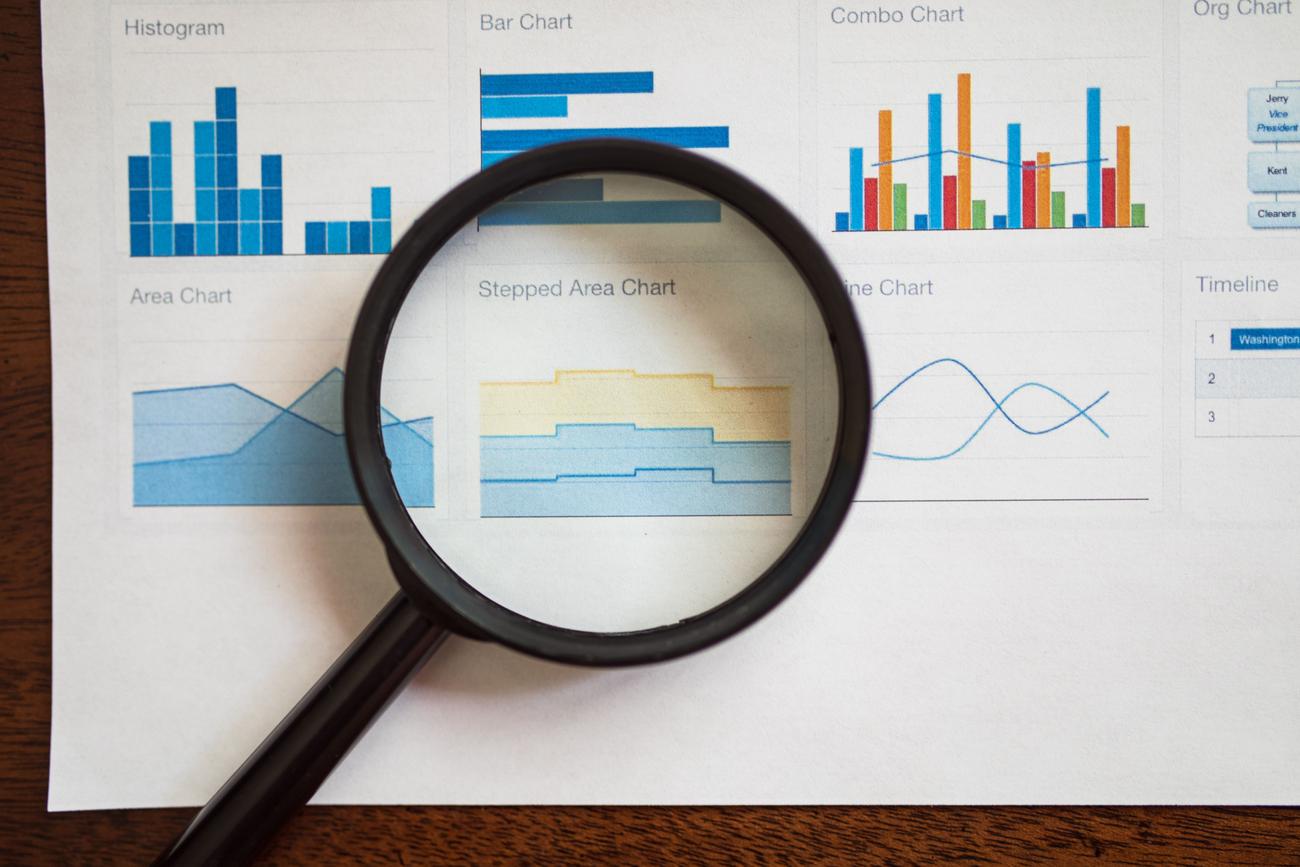
You've probably wondered how some companies seem to predict the future or how they know exactly when there will be a peak in demand for a product. It's not magic or a crystal ball; they use time series analysis , a powerful tool for understanding how data evolves over time and anticipating what's coming.
Basically, we're talking about collecting data taken at regular intervals, such as daily rainfall or monthly sales. The interesting thing here is that we don't treat the data as isolated pieces, but rather understand that the past directly influences the future , allowing us to detect patterns that would otherwise go unnoticed through data mining.

How is a time series model structured?
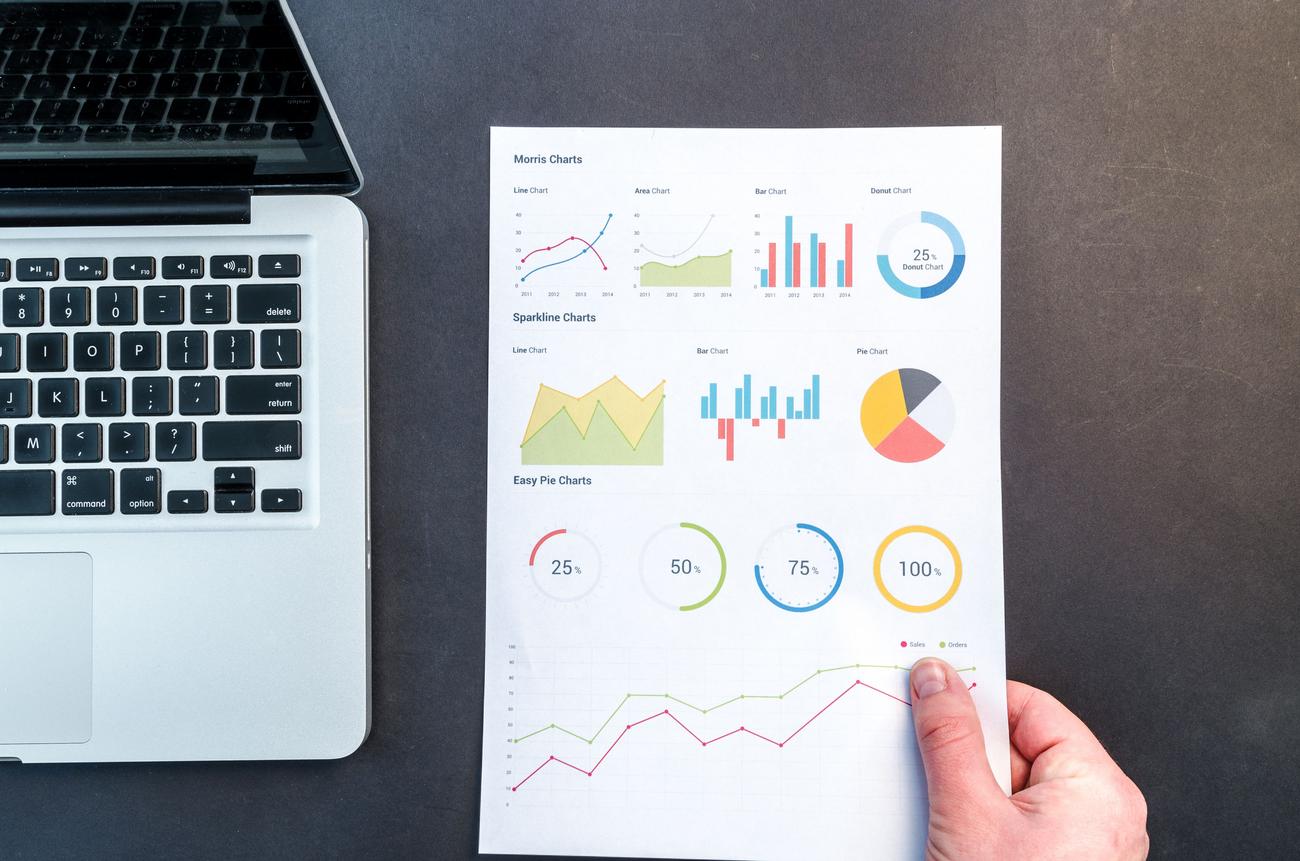
To avoid confusion, it's essential to understand that a time series can be broken down into several components. In an additive model, for example, we say that the value at a given moment is the sum of the trend, seasonality, and randomness . If the behavior is more complex, we might need a multiplicative model where these elements reinforce each other.
- Trend: It's the general direction. It tells us if things are going up, down, or if they'll remain stable in the long term.
- Seasonality: These are patterns that repeat themselves periodically. For example, selling more scarves in winter or electricity consumption increasing during the day.
- Cycle: Unlike seasonality, cycles are repetitions that do not have a fixed period and are analyzed from a more global perspective.
- Random variation or noise: Those are the unpredictable events. conflicting data or errors that do not follow any rules and that make prediction a challenge.
Classification approaches and methodologies

Depending on what we're looking for, we can approach the problem from different angles. Wanting a quick estimate is not the same as building a hyper-accurate prediction system based on Artificial Intelligence and deep AI reasoning.

Classical and Non-Parametric Models
Here we find tools like the moving average, which is used to evaluate short-term fluctuations by calculating the mean of a given interval. There's also time smoothing, which gives more weight to more recent data to better reflect the immediate trend. These methods are usually non-parametric, as they focus on estimating the trend without assuming the process has a fixed structure.
Autoregressive Integrated Models (ARIMA)
When things get more serious, ARIMA models come into play. These combine autoregression, differencing, and moving averages. It's a much more powerful approach for handling complex data and non-stationary series, allowing the data to be transformed until it becomes stable and predictable.
Deep Learning and Neural Networks
With the AI boom, we now use recurrent neural networks and long-term short-term memory (LTSM) models . These machines are capable of processing massive volumes of information and understanding how neural networks learn to pick up incredibly complex patterns that a classical model wouldn't even come close to recognizing, although of course, they require much more computing power.

Advanced Technical Classifications
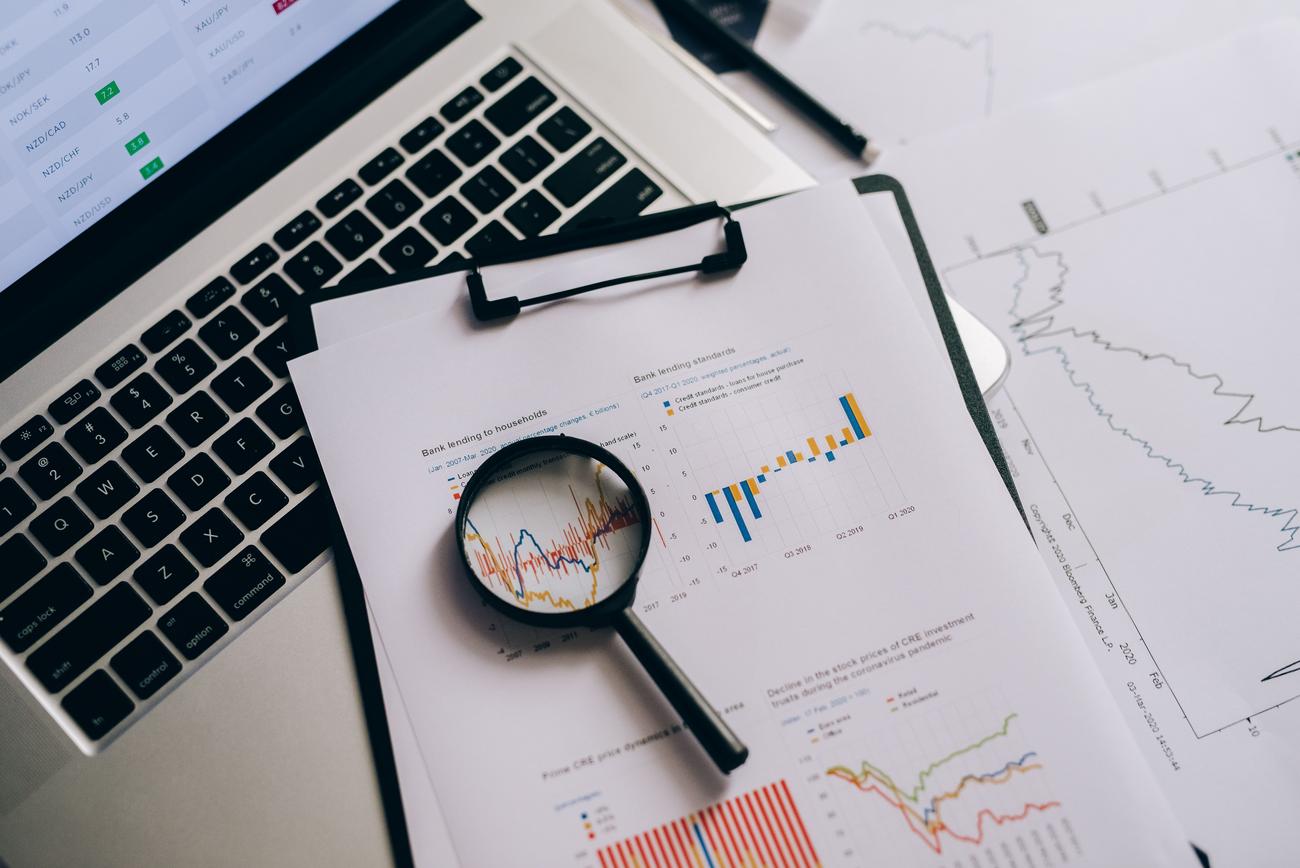
To get more technical, the specialized literature divides these techniques into several groups. On the one hand, there are frequency-domain methods (such as wavelet analysis) and time-domain methods (such as cross-correlation). A distinction is also made between parametric methods, which use a few parameters to describe the process structure, and non-parametric methods, which do not assume any prior structure.
Furthermore, we can discuss linear or nonlinear models, and whether they are univariate or multivariate , depending on how many variables we are analyzing simultaneously. In critical situations, such as the Covid-19 pandemic, a robust time-series-based method has proven to be sometimes preferable to specific models (such as the SIR model), as it allows for updating assumptions on the fly with new data.
Real-world applications in the workplace
This modeling isn't just mathematical theory; it's applied in sectors that handle millions of euros and save lives. In the healthcare sector , it helps predict epidemics and manage hospital resources before a crisis hits. In the world of finance and trading , it's the key tool for anticipating stock prices or cryptocurrency movements.
In the energy sector, it's key to avoiding resource waste by calculating winter energy needs based on data from previous years . On the other hand, e-commerce and marketing use it to optimize inventory and design advertising campaigns that reach users precisely when they intend to buy, thus improving customer experience and loyalty.
The ability to transform historical data into a roadmap allows any organization, from a small online store to a government, to minimize risks and optimize the planning of its human and material resources, turning the uncertainty of tomorrow into a strategy based on statistical and computational evidence.
