- Differentiation between simple automation and service orchestration for managing complex digital ecosystems.
- Comprehensive analysis of the main categories: containers, infrastructure, LLM, and data flows.
- Comparison of leading solutions such as Kubernetes, Terraform, Ansible and enterprise automation platforms.
- Impact of agentic artificial intelligence and machine learning on the evolution of IT management.
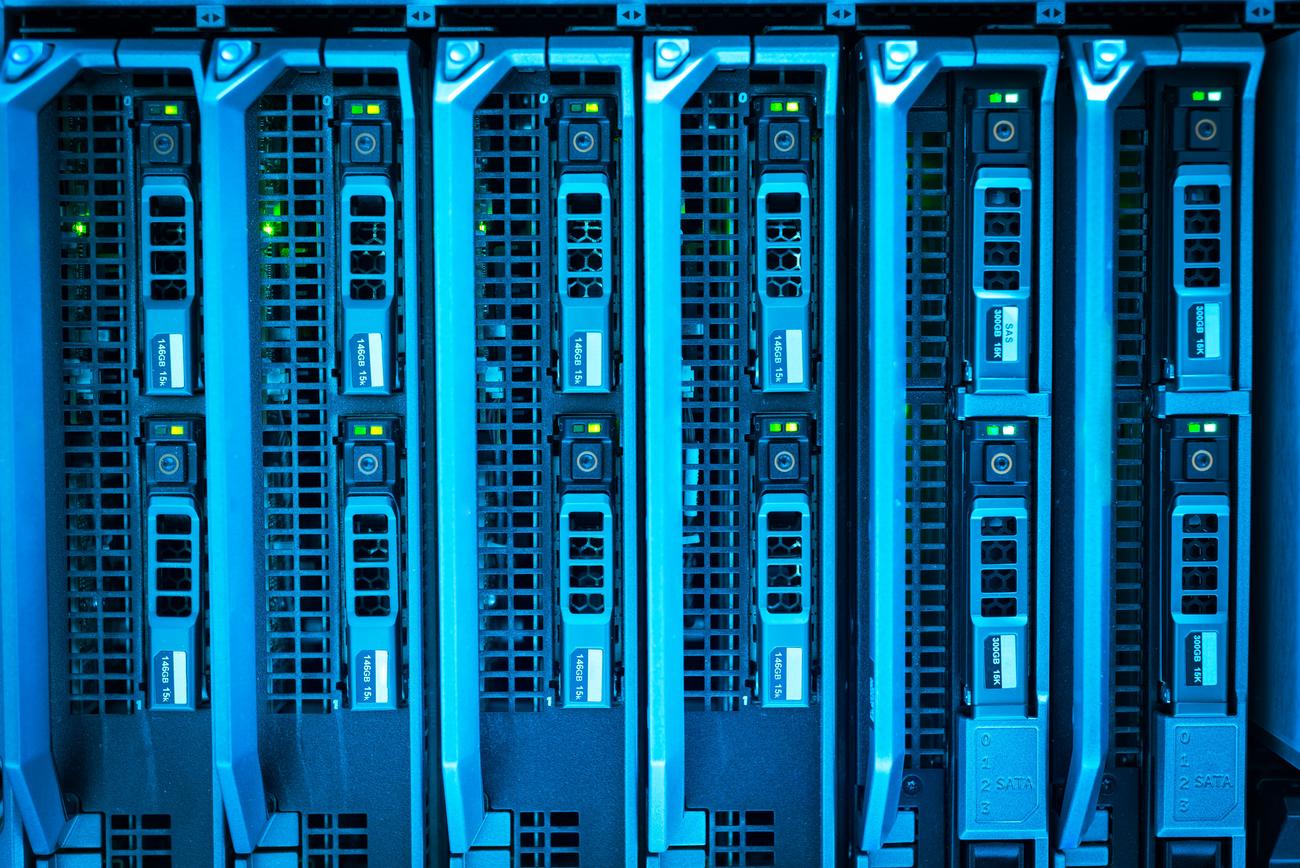
Let's be honest, managing a company's digital infrastructure today is like trying to conduct an orchestra without a score and with the musicians in different cities. With the explosion of microservices , hybrid cloud, and the sheer number of tools we use, it's understandable that someone might get overwhelmed trying to make everything fit together. This is where IT orchestration comes in ; it's essentially the brain that coordinates all those automated processes to ensure a smooth workflow and avoid complete chaos.
Many people confuse automation with orchestration, but there's an important distinction. While automation ensures a specific task is completed automatically, orchestration connects multiple processes and applications to create an end-to-end workflow. In today's landscape, dominated by cloud -native environments , having software that centralizes management and eliminates operational silos is not a luxury, but a strategic necessity to avoid falling behind and reduce costly human errors.

The universe of container orchestration
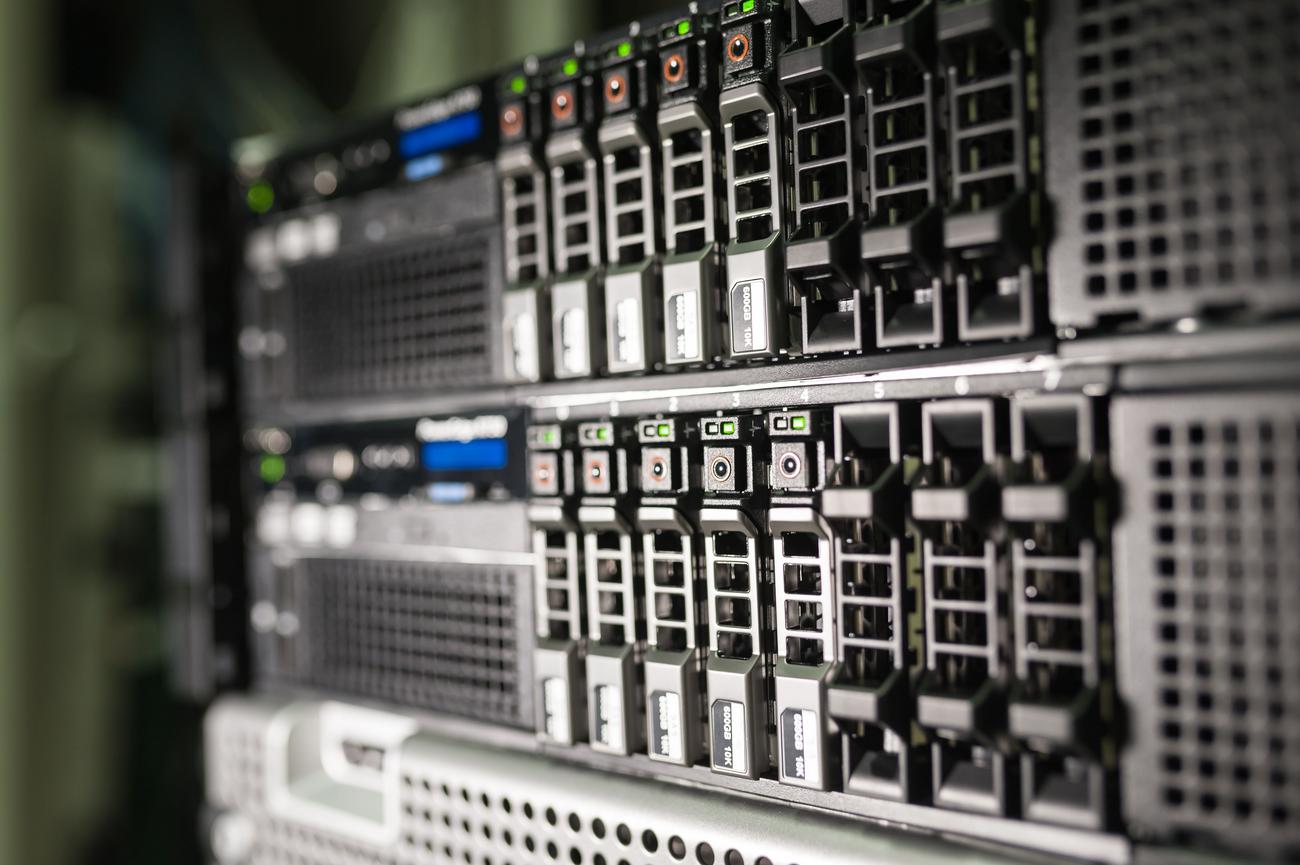
Containers have revolutionized programming because they are lightweight and flexible, but when you have hundreds of them, you need someone to manage them. Container orchestration ensures that the deployment, scaling, and availability of these logical units run like clockwork. Essentially, the orchestrator monitors the health of each container, balances the workload , and ensures that if something fails, it automatically restarts.
- Kubernetes: It's the undisputed king. Born at Google, it allows you to manage massive clusters with horizontal and vertical auto-scalingIt's the ideal option for those looking for robustness and a huge community, although its learning curve is a bit steep.
- Docker Swarm: If you're looking for something simpler and more native, Docker swarm That's the answer. It's much lighter to set up than Kubernetes and It is integrated directly into Docker.which makes it perfect for medium-sized projects that don't want to complicate things.
- Amazon ECS and GKE: These are the managed versions from AWS and Google. GKE optimizes productivity by hiding the complexity of Kubernetes, while ECS allows running containers on EC2 instances with a Full integration with AWS security.
- Nomad and Apache Mesos: Nomad stands out as a unique and very fast binary tool, capable of handling millions of containers. Mesos, on the other hand, is a heavyweight that can orchestrate not only containers, but also... virtual machines and high-performance applications.

Infrastructure and configuration management

When we talk about infrastructure, we don't want to be manually creating virtual machines every time. Infrastructure orchestration allows us to define everything through code (Infrastructure as Code), ensuring that the development environment is exactly the same as the production environment, avoiding the typical "it worked on my machine" scenario.
In this area, Terraform shines thanks to its declarative language and multi-cloud capabilities, allowing for the simultaneous deployment of resources across different providers. For cloud-specific solutions, there's AWS CloudFormation and Azure ARM , which use JSON or YAML templates to manage entire stacks consistently. For those who need to maintain the desired state of their systems and manage vulnerabilities, Puppet is a key tool, as is Ansible , which uses YAML playbooks to simplify application deployment and configuration management.

LLM orchestration and data flows

Artificial intelligence has brought about a new category: Large Language Model (LLM) orchestration. Here, tools like Langchain and LlamaIndex coordinate AI models with external systems and databases, enabling AI to be truly functional in complex enterprise environments.
On the other hand, data needs its own path. Data orchestration moves and transforms information between systems. Google Dataflow offers a serverless model for processing data in real time or in batches, while Prefect allows you to build and monitor complex workflows with full traceability of records , greatly facilitating the debugging of errors in data pipelines.
Automation of workloads and business processes
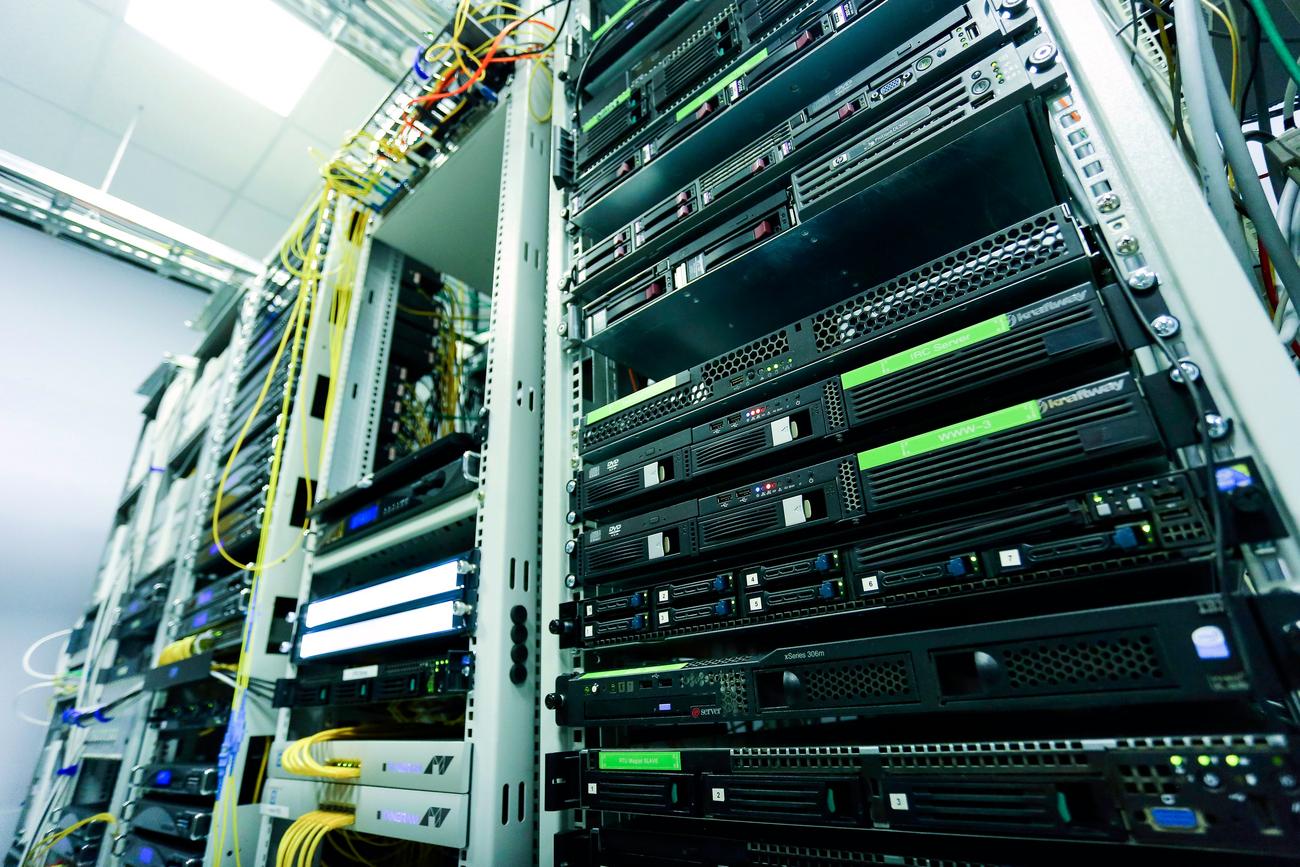
There's a level of orchestration more geared towards enterprise and regulatory compliance. Here, we find tools that unify automation in hybrid environments, allowing developers to publish jobs directly from their IDEs. Solutions like Stonebranch UAC, ActiveBatch, and RunMyJobs (the latter being particularly powerful within the SAP ecosystem) enable the design of visual workflows using drag-and-drop techniques , eliminating the need to write complex code for each task.
For pure business processes, platforms like Pipefy and Process Street help standardize workflows using directed acyclic graphs (DAGs). These tools not only automate processes but also measure performance KPIs and manage responsibilities and deadlines for each stage, ensuring nothing is left unattended.

Trends and the future of orchestration
Looking ahead, orchestration is becoming much more autonomous. Agentic AI is the big new development: it's no longer about following a fixed rule, but about intelligent agents proactively initiating workflows and adjusting priorities based on what's happening in real time. This, combined with edge computing , allows processing to occur closer to the user, minimizing latency.
Furthermore, the use of RPA (Robotic Process Automation) integrated into the orchestration allows bots to manage legacy systems that lack APIs, while predictive monitoring uses machine learning to warn of failures before they occur. Energy efficiency is also becoming a key selection criterion, with the goal of achieving sustainable orchestration that doesn't unnecessarily increase resource consumption.
The ability to coordinate containers, infrastructure, data, and artificial intelligence through centralized platforms allows organizations to reduce operational complexity and scale their services with unprecedented agility, transforming the technical management of a reactive cost center into a proactive and resilient competitive advantage.
