- Signal optimization through the use of high-performance computing (HPC) and engineering environments.
- Advanced support for cloud-native deployments and certifications in SUSE Telco Cloud and Edge.
- Guarantee of operational continuity through high availability systems and flexible virtualization options.
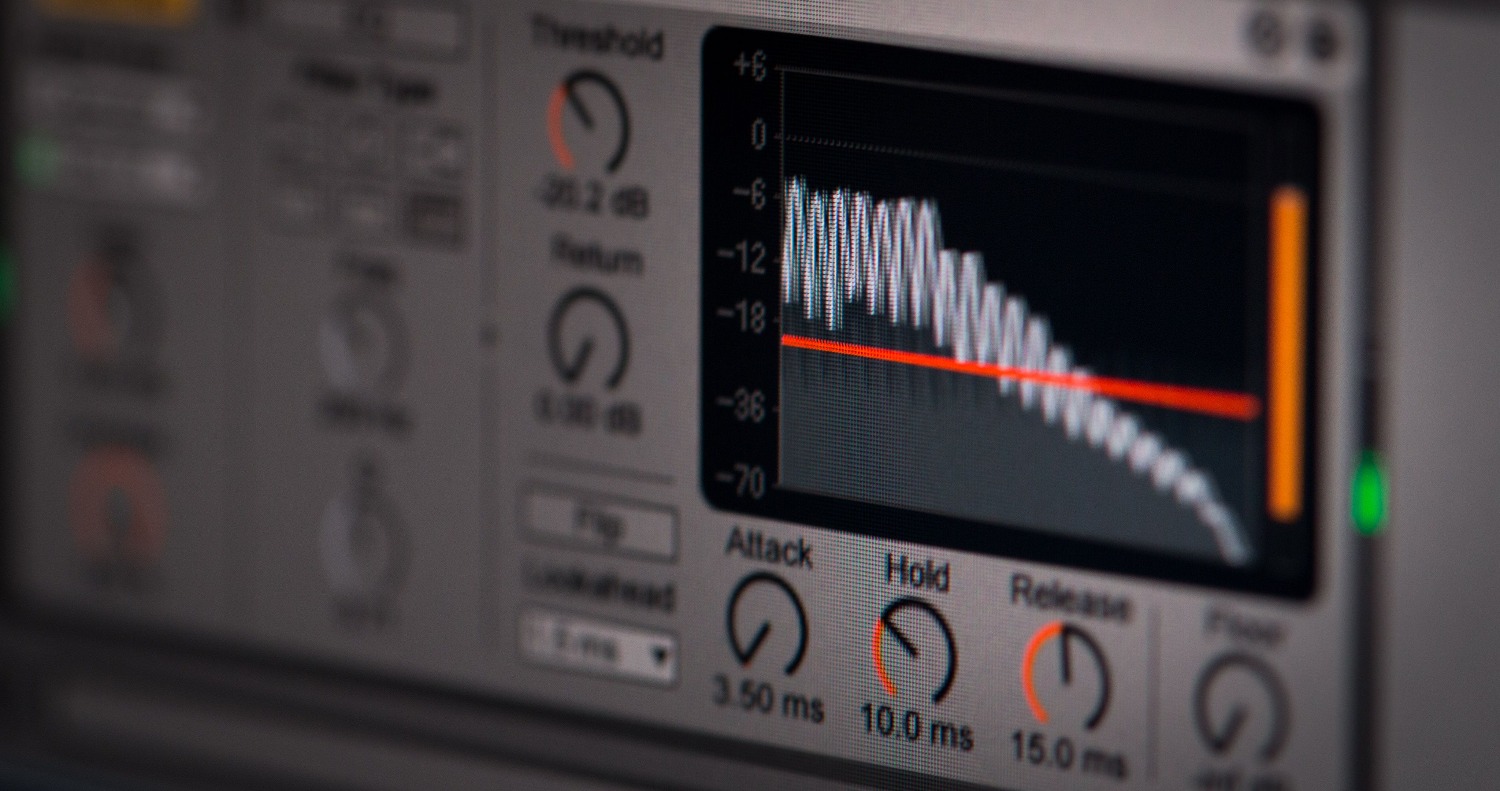
If you work in the world of digital signal processing, you know that having the right tools makes all the difference between a project that flies and one that gets stuck. The DSP System Toolbox is positioned as a robust solution for those looking to optimize the design and implementation of real-time signal processing and communication systems.
What's most interesting is how this technology intertwines with high-performance scientific computing (HPC) infrastructures and advanced engineering environments. It's not just about writing code, but about deploying solutions capable of handling massive workloads effortlessly, fully leveraging the power of modern hardware.
Integration with Software and Cloud Ecosystems
When we talk about modern deployments, it's essential that the software is compatible with flexible environments. In this regard, there are key certifications such as the Rancher Catalog and Rancher-specific extensions, which greatly facilitate container management and service orchestration.
For those working in the telecommunications sector, the Cloud-Native Network Function is a critical feature. This allows signal processing applications to behave like cloud-native services, resulting in increased scalability and operational efficiency. Furthermore, compatibility with SUSE Edge and SUSE Telco Cloud ensures that the software is certified to operate at the network edge, minimizing latency.
System Availability and Robustness
In industrial environments, system downtime is not an option. That's why High Availability (HA) is so crucial . Thanks to specific extensions, applications can run in redundant environments, ensuring uninterrupted data flow even if a component fails.
To facilitate implementation, there are what are called Integrated Systems Available . These are essentially pre-configured solutions, either as a physical appliance, a virtual machine, or a ready-to-use software package, which saves a significant amount of time during the installation phase.
Virtualization and Hosting Flexibility
Versatility is another key pillar. Support for virtualized environments allows these tools to run seamlessly on hypervisors such as KVM, VMware, or Xen. This is vital because it means the solution can be easily migrated to the cloud or maintained on local servers, depending on the project's needs.
Having this level of compatibility with SUSE Linux Enterprise ensures stable performance and makes system administration much simpler for system engineers, allowing the main focus to remain on optimizing signal processing rather than struggling with the infrastructure.
The combination of advanced processing tools with certified and virtualized infrastructures enables the creation of extremely efficient workflows. From the ability to scale in the cloud to the security of high-availability systems and simplified deployments using appliances, everything is geared towards maximizing performance in signal engineering.
FAQ
In what computing environments is the DSP System Toolbox integrated?
This tool is primarily integrated into high-performance engineering and scientific computing environments known as HPC.
What advantages does the Cloud-Native Network Function offer?
It allows signal processing software to function as a cloud-native service, improving network scalability and management.
Is the system compatible with virtual environments?
The software is compatible with various virtualization solutions such as VMware, KVM, and Xen under the SUSE Linux Enterprise ecosystem.
What does it mean for software to have High Availability?
It indicates that the application can run in redundant environments to avoid service interruptions through specific extensions.
What is an integrated system available in this context?
This is a pre-configured version of the application that can be presented as a physical device, a virtual device, or a software appliance.
Which SUSE certifications is this technology compatible with?
The product is certified to operate on SUSE Edge and be part of the SUSE Telco Cloud infrastructure.
