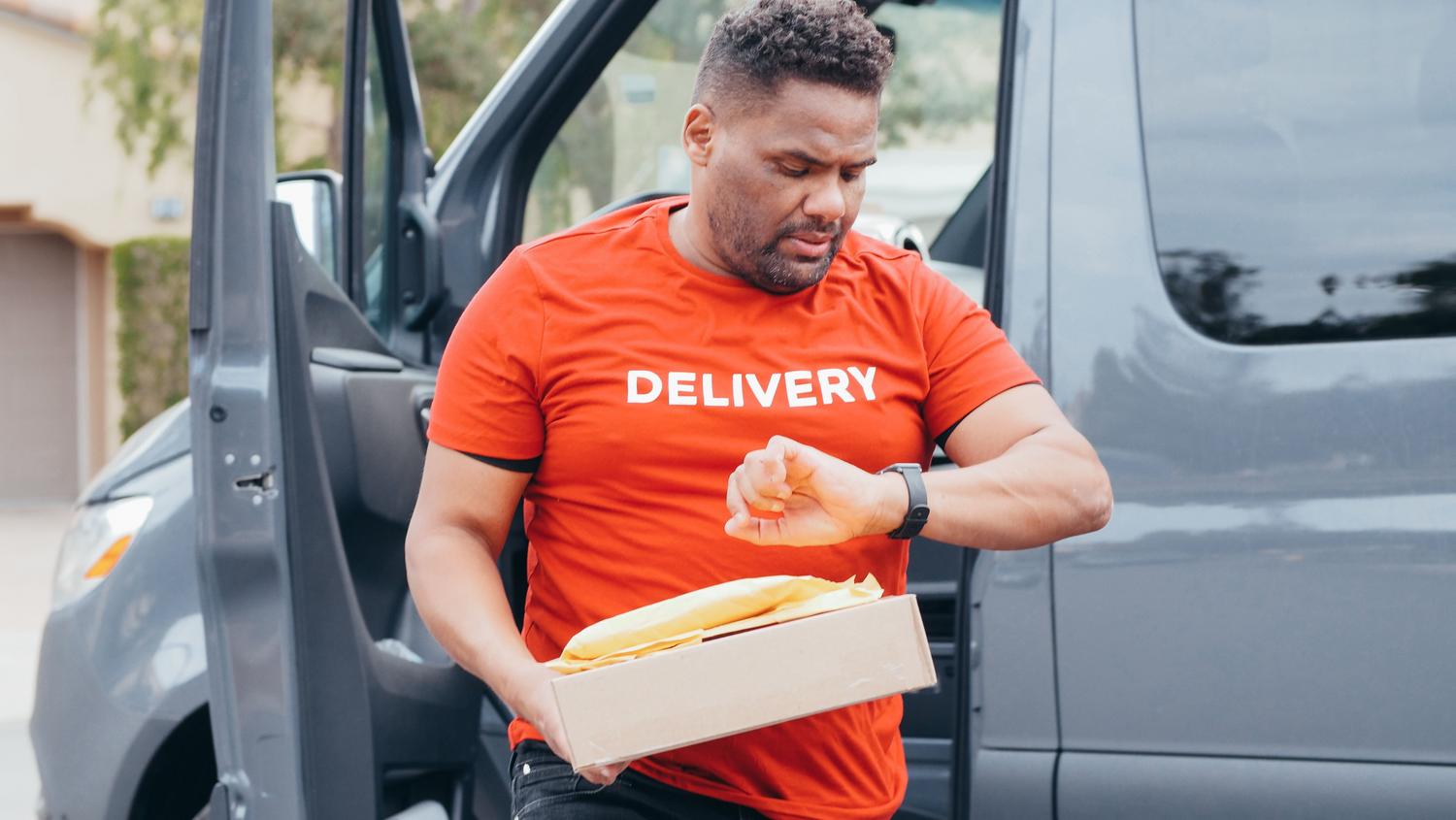
- Definition and operation of tracking in the final stage of delivery to optimize the customer experience.
- Key operational obstacles include data fragmentation and lack of real-time visibility.
- Essential tools and technological functionalities that guarantee efficient and verifiable deliveries.
When we order something online, the wait can be endless and sometimes even overwhelming. That feeling of not knowing exactly where our package is just before arriving home is known as last-mile uncertainty , the final and most critical leg of the entire delivery chain.
For businesses, this process is a real headache, since a delivery failure can cause 84% of consumers to decide never to buy from that store again. Therefore, having a robust tracking system is no longer a luxury, but a necessity to avoid losing customers along the way.

What exactly is last-mile tracking?
Basically, we're talking about the ability to monitor the status of an order in real time, from the moment it leaves the local distribution center until the delivery driver rings the doorbell. This process allows both the business and the end user to have complete visibility into the location , the estimated time of arrival, and any issues that may arise during transit.
In many cases, especially with international purchases like those from AliExpress, the concept of a last-mile tracking number may appear . This occurs when the package changes hands; for example, it travels from China with one company and, upon entering the destination country, is handed over to a local carrier like USPS. At that point, a new tracking code is generated so the customer can track the package on the final carrier's website.
The journey of a package: from origin to your door
To understand why tracking sometimes gets "frozen," you have to understand that an international shipment is like a small odyssey. It all starts with packaging and handing it over to the carrier, followed by internal transit in the country of origin and passage through export customs , which functions like a passport control for goods.
Next comes the great transoceanic leap, whether by air or sea, and occasionally a few stopovers called transshipments . Once it arrives in the destination country, it must clear import customs. If all goes well, it enters the last-mile phase, where the package moves through the local network until the delivery person drops it off in the mailbox or at a collection point.
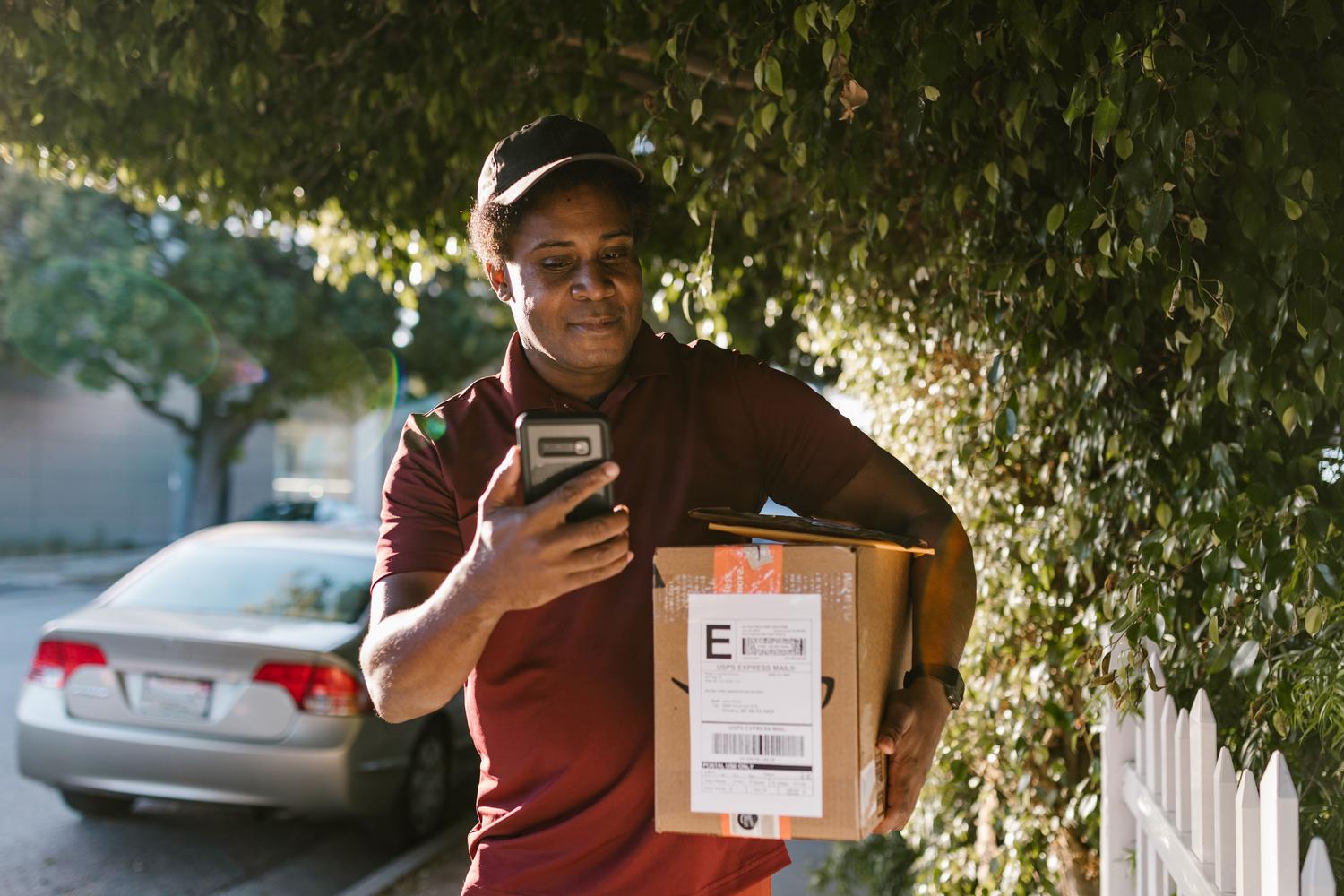

Why does my package seem to have disappeared?
It's very common to panic when the shipment status doesn't change for days. However, there are logical reasons for this "digital silence." Sometimes the package is on a long journey without checkpoints , like a transatlantic flight, where there's no one to scan the label.
Peak periods, such as Christmas, also contribute to the delays, as the volume of packages is so high that scanning is delayed even while the package is in transit. Other factors include weekends, when logistics activity drops drastically, and technical problems with information systems that pause updates.
Customs' headache
Customs is arguably the point where shipments get stuck the most. If you see messages like "Customs Clearance Complete" but the package isn't moving, it might be undergoing a random security check or some documentation might be missing. To determine if there's a real problem, it's best to check for any outstanding tax notices or contact your local customs office directly.

Challenges and solutions for logistics operators
Managing the last mile is complex because systems are often fragmented. Many companies use one tool for dispatch and a different one for notifying the customer, creating blind spots in the operation . Furthermore, the lack of real-time data erodes customer trust, as users are unwilling to receive a generic "order out for delivery" email without knowing when it will actually arrive.
To address this, modern platforms implement key features such as live driver tracking and predictive ETAs sent via SMS. Digital proof of delivery (photos, electronic signatures, or OTP codes) is also essential to prevent fraudulent claims and ensure the product reached the correct recipient.
Optimization and technology in transportation
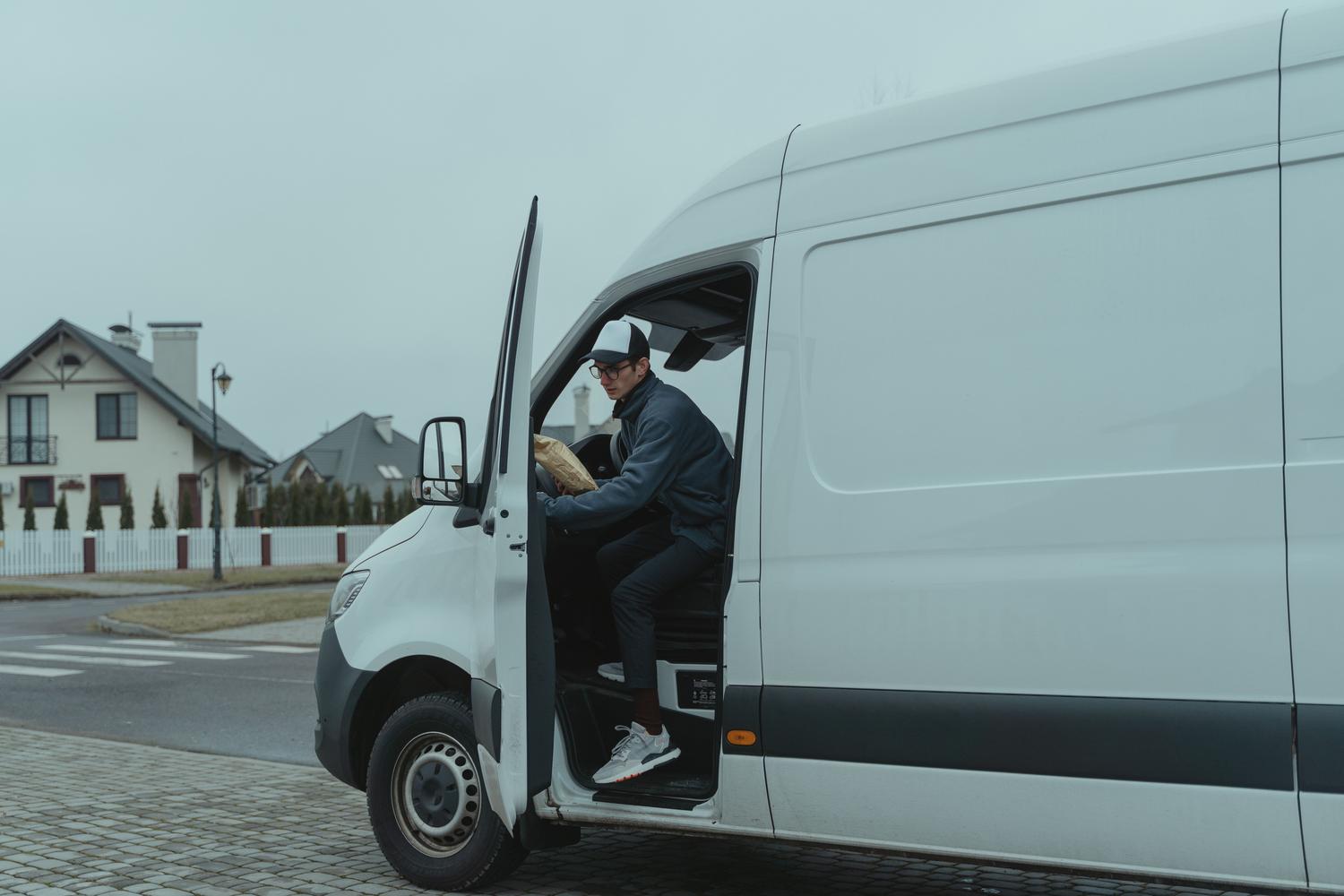
Current technology allows delivery drivers to avoid wasting time deciding on a route. Through AI-based route optimization , mileage and fuel consumption are reduced. Furthermore, two-way communication enables drivers and customers to coordinate details such as building access codes, thus preventing failed deliveries.
In critical sectors, such as aerospace logistics, precision is even more critical. It's not just about moving a box, but about ensuring the operational continuity of aircraft , where a late part can mean an aircraft is grounded, skyrocketing operating costs.
Efficient management of this final stage, supported by specialized software and transparent communication, is the only way to turn a routine delivery into a competitive advantage that fosters customer loyalty and maximizes supply chain profitability.