- Fundamental difference between a generic LLM and a robust code assistant with the ability to interact with the file system and the terminal.
- Comprehensive analysis of leading tools, from commercial options like GitHub Copilot and Gemini to Open Source and self-hosted alternatives.
- Importance of MCP protocols and context retrieval pipelines for achieving accurate and efficient code edits.
- Diverse applications ranging from test generation and refactoring to the modernization of legacy languages.
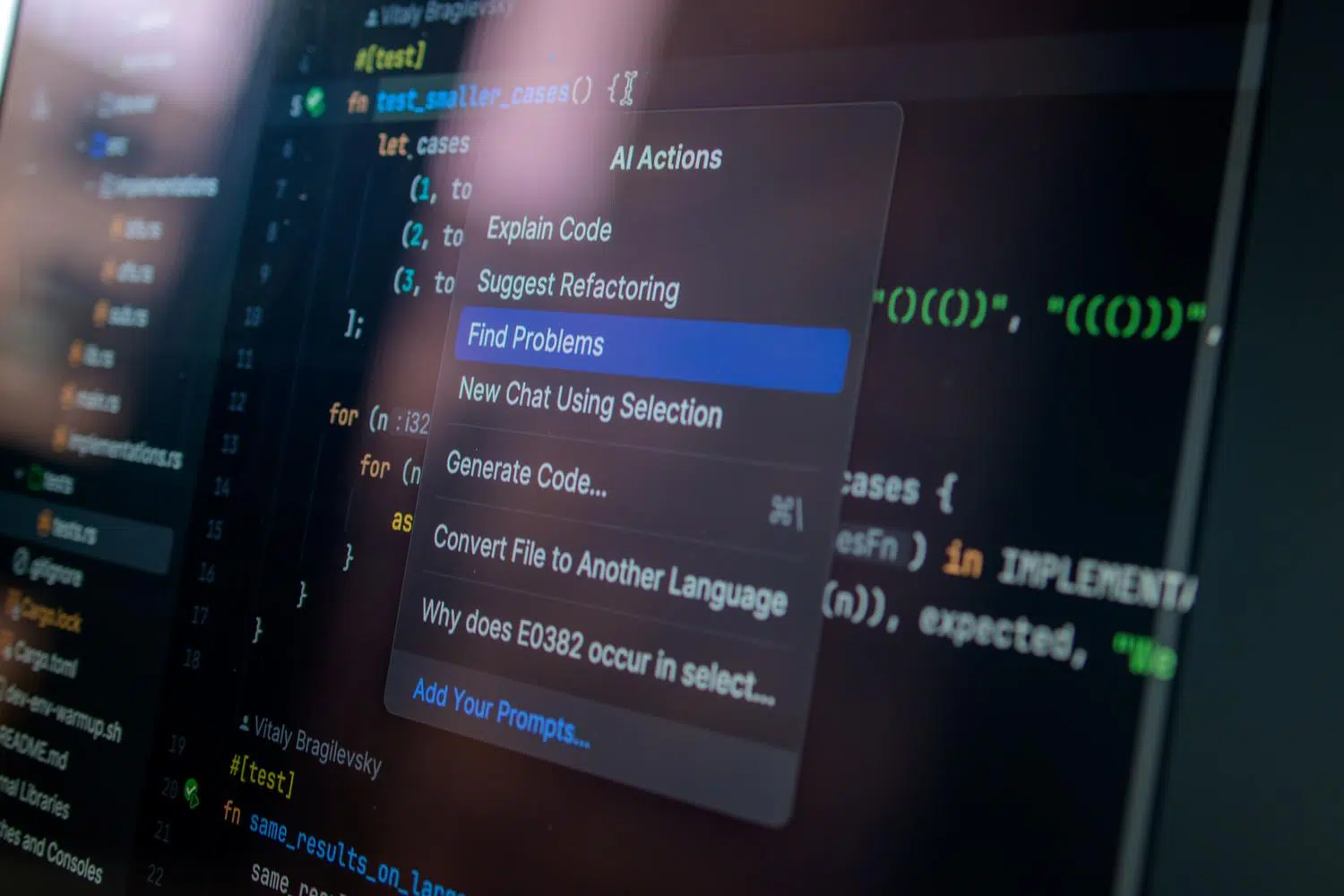
I'm sure it's happened to you: you're glued to the screen, wrestling with a pointless bug or trying to write a repetitive function that's driving you crazy. This is where AI-powered programming assistants come in . They're simply advanced tools that blend machine learning with artificial intelligence to make life easier for developers, helping us debug code and autocomplete lines in the blink of an eye.
But be aware that not everyone understands the same thing by "assistant." Many people think that simply opening a language model (LLM) chat is enough, but the reality is that a plain LLM is like a brain without a body; it can give you an idea, but it can't open files, execute commands in your terminal , or manage your repository. A true assistant is a complete product that uses that brain but adds "arms and legs" through optimized interfaces and workflows.

What makes an AI assistant truly useful?

The key difference lies in automation capabilities. While a manual chat requires you to copy and paste all your code (experiencing a huge amount of context in no time), modern assistants use data retrieval pipelines to understand your project's context without becoming overwhelmed. Furthermore, the use of Model Context Protocol (MCP) servers , originally developed by Anthropic , allows AI to communicate directly with databases, APIs, and local files.
This means that, instead of AI rewriting the entire file to change a single comma, it can perform localized and precise edits . Many of these systems integrate directly into popular IDEs like PyCharm or Visual Studio Code , although some go further and offer their own shell or even a standalone IDE with built-in version control and refactoring tools.

The ecosystem of available tools

The market is overflowing with options, and depending on what you're looking for, one will be better than another. If you're looking for something backed by the giants, there's Google's Gemini Code Assist , which offers a very generous free version with high chat limits and autocomplete, or the classic GitHub Copilot , which acts like a partner programmer, suggesting code as you write.
- Generation and autocomplete tools: They stand out Amazon Q Developer (ideal for AWS environments), tabninewhich relies heavily on context and syntax, and Codeiumwhich is a very powerful free alternative. We also have JetBrains AI integrated into their IDEs and GitLab Code Suggestions.
- Freelance agents and specialized publishers: Here they come in Cursor, an editor born to program with AI, or WindsurfOptimized for collaboration. There are also agents that live on your device, such as Claude Code or Aider, which work directly with your Git repositories.
- Open Source and self-hosted approaches: For those who don't want to depend on the cloud, there are FauxPilot, TabbyML and Refact.ai, which allow you to maintain total control of the data.
- Quality and testing specialists: Tools like Codium AI They focus on generating meaningful tests, while Pixee It looks for security flaws to open Pull Requests that have already been fixed.

Advanced features: Refactoring and Documentation

It's not all about writing new code; a large part of the work is cleaning up what already exists. For this, there are analysis platforms like Codiga or DeepCode that suggest structural improvements. There are even tools capable of modernizing legacy code , such as Amazon Q Developer, which can help migrate applications from Java, .NET, or COBOL to current versions.
On the other hand, documentation is often a programmer's nightmare. Tools like Autodoc use LLMs to automatically generate technical documentation, while Kiro focuses on specification-based development that automates this process. There are also highly specific utilities, such as autocomplete.sh for the Bash terminal or plugins for Neovim and Emacs , demonstrating that AI has permeated every aspect of the workflow.
Beyond the code: Complementary tools
The ecosystem has expanded to include utilities that optimize search and management. Phind is a search engine designed specifically for technical questions, while Sourcegraph Cody uses your entire codebase as context to provide hyper-precise answers. There are even unusual tools like Berry , which turns social media posts into web apps, or CensusGPT for querying US census data using natural language.
In short, we've moved from simple text suggestions to autonomous agents capable of using the CLI , managing the software development lifecycle (SDLC), and coordinating complex tasks across multiple files thanks to engines like Plandex . Integrating discovery servers like Roundtable allows us to unify several assistants into a single interface, making the choice of tool more dependent on personal workflow than on the capabilities of the model itself.
The evolution of these technologies has transformed software development, moving from simple autocomplete suggestions to agentic development environments that manage project complexity, optimize code quality, and eliminate the most tedious day-to-day tasks.
