- Fundamental differences between custom packaging through printing and the manufacture of custom boxes with specific dimensions.
- Use of rendering tools and 3D simulators to optimize visual design and reduce errors before production.
- Critical factors in professional packaging: sustainability, product protection, and alignment with brand identity.
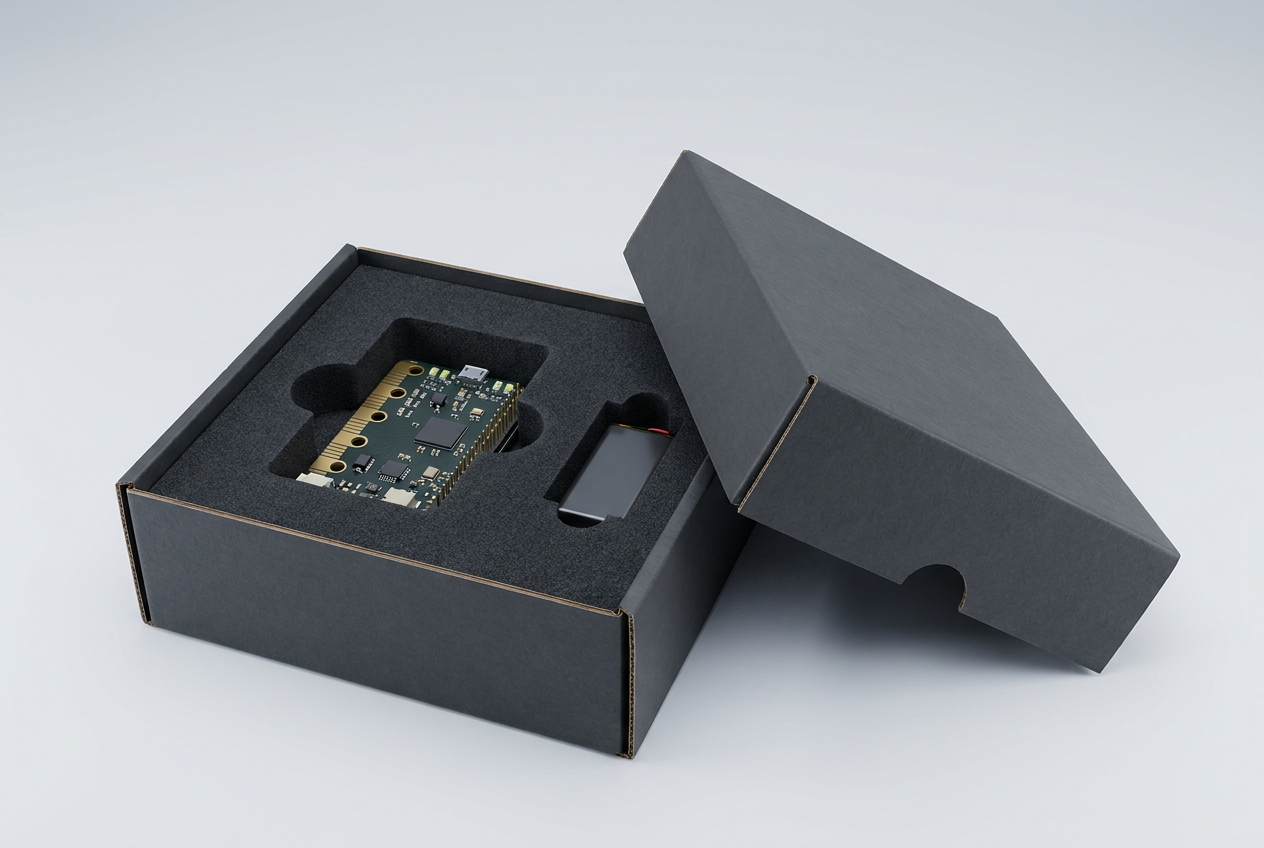
When launching a product, the packaging is crucial. First impressions matter a great deal, and striking packaging design is essentially the first handshake between your brand and the customer. It's not just about the package arriving intact, but about creating an experience that makes the user want to show off their purchase on social media.
Today, thanks to technology, you no longer need to be an industrial design expert to achieve professional results. Tools exist that allow you to create digital mockups and visualize the final result in three dimensions, saving you a lot of headaches and money by avoiding costly printing errors.

Personalized box or custom-made box? They are not the same thing
Many people confuse these two concepts, but there's a world of difference. Custom boxes are essentially standard models that are already in stock, to which a graphic design or logo is added through printing. It's the quickest and most economical option if you don't need an unusual size.
On the other hand, custom-made boxes are those where the physical dimensions of the packaging are modified to fit the product exactly. This is vital for electronics or fragile products, as it allows for the inclusion of internal cutouts or supports that ensure the contents don't move around inside the package.
The power of the 3D simulator in design
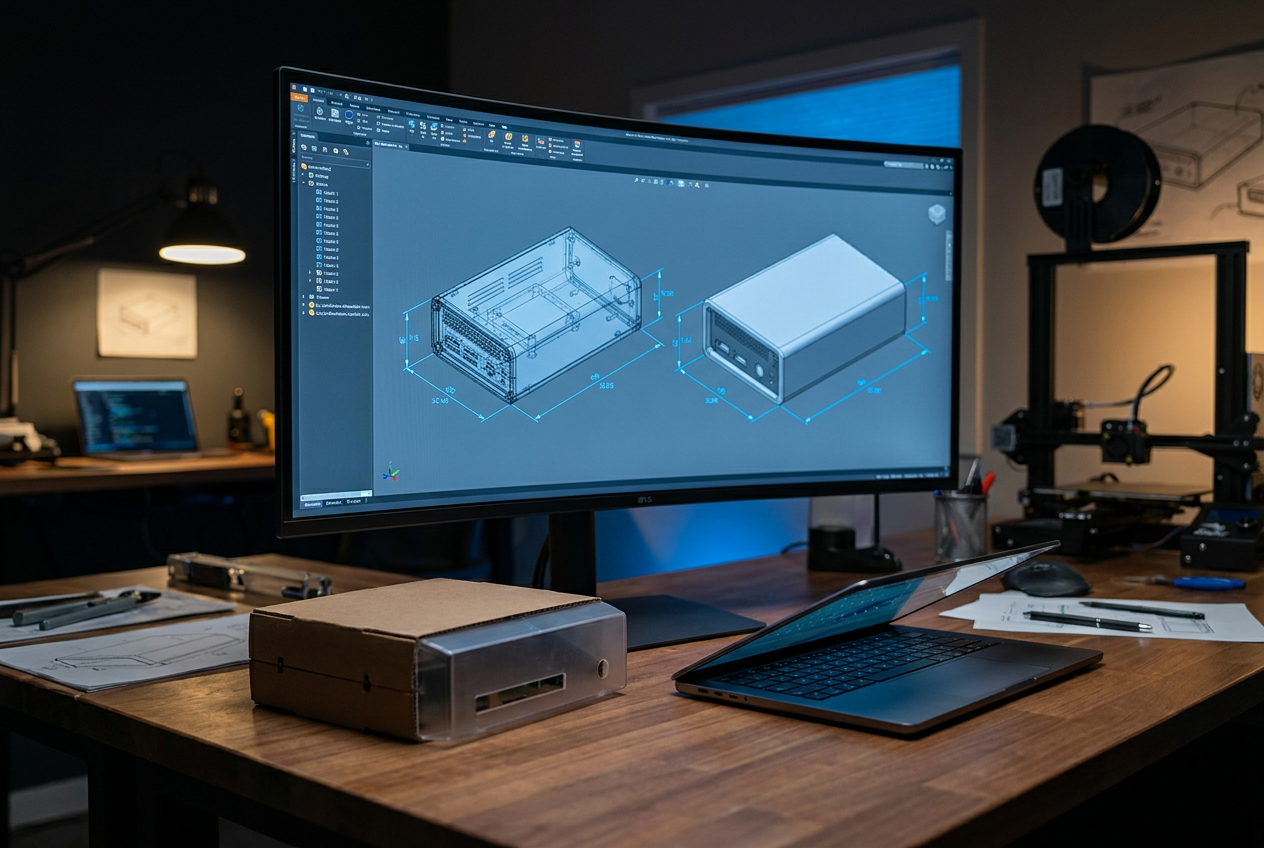
Having a 3D simulator is like having a crystal ball. It allows you to upload your images and see exactly how the graphics bend at the edges and how the side perspective looks. This tool is essential for minimizing design flaws , allowing you to adjust shadows, reflections, and camera angles before sending the file to production.

There are various options, from free online generators for software mockups and digital courses, to advanced editors where you can adjust the material (such as kraft or white cardboard) and download the result in JPG, PNG or even MP4 video formats for business presentations.
Steps to create your online packaging
If you want to design your own box, the process is usually quite intuitive. The first step is to select the type of box that best suits your product, whether it's a shipping box for e-commerce, a gift box, or corporate packaging. Once you've chosen the model, define the quantity and move on to the creative phase.
For the design, you have three options: you can upload your own finished file, use pre-designed templates that only require changing colors and logos, or enlist the help of a team of professional designers. Ideally, you should run everything through a 3D renderer to confirm that the brand is visible and that the die-cutting is correct.
Strategic objectives of good packaging
Packaging is more than just a box; it's a marketing tool. To be effective, it must meet several key requirements. First, it must be safe and secure , protecting the product from damage during shipping. Second, it must be consistent with the company's visual identity so that the customer instantly recognizes the brand.
Furthermore, we cannot overlook the sustainability of materials , a factor that consumers increasingly value. Intelligent design seeks a balance between attractive aesthetics, the use of durable materials, and the ability to stand out from the competition through exclusive shapes or finishes such as lamination.
Advanced options and materials
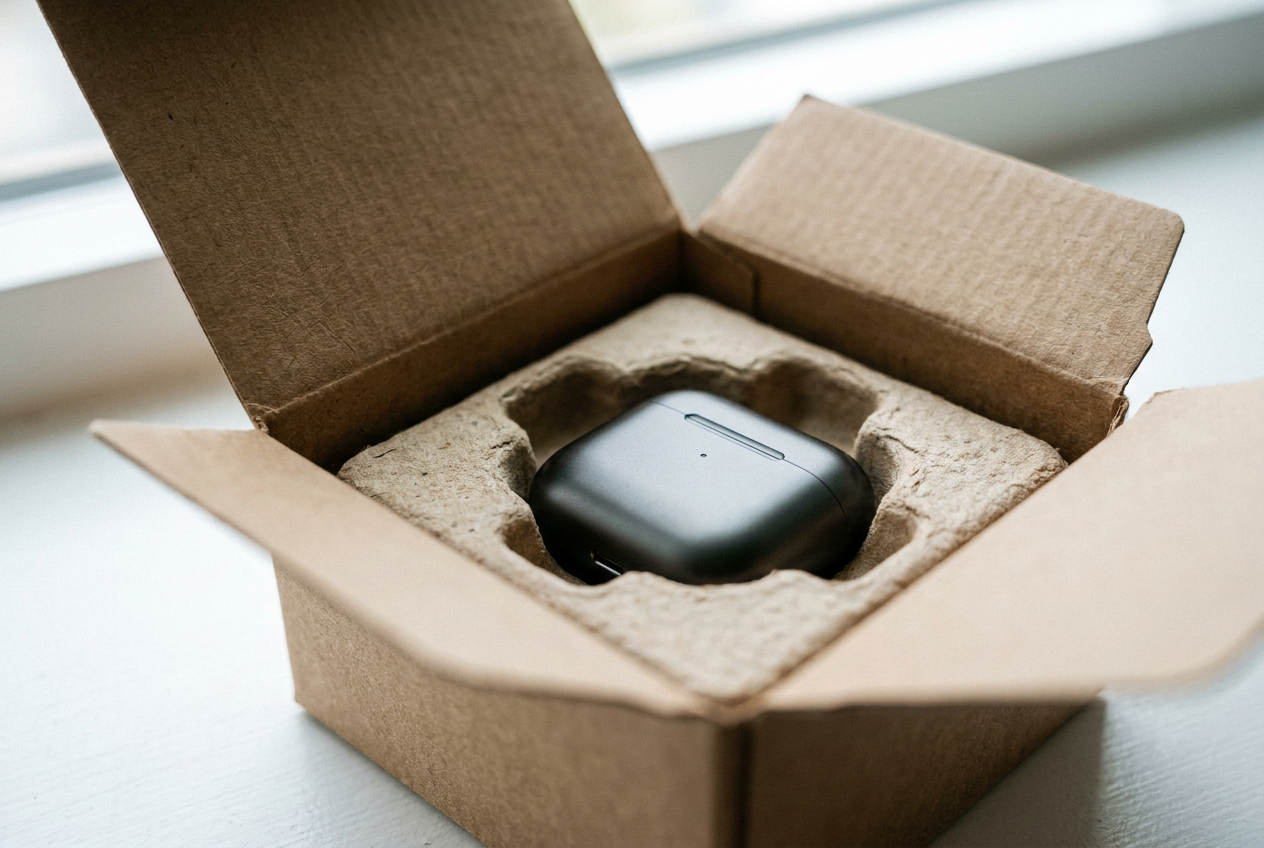
For those seeking a more premium experience, special finishes are available that enhance the perceived quality. Custom internal cuts can be integrated to secure the product, or specific cardboard weights can be selected based on the merchandise's weight. From boxes for cakes or cereals to technical packaging for electronics, the key is ensuring the material is suitable for the contents.
The ability to produce from a single unit to large runs allows both small artisans and large ecommerce companies to access exclusive packaging without the need for astronomical initial investments.
Having a comprehensive design system that combines dimension selection, graphic customization, and validation through 3D renderings ensures a professional final product. By integrating protective functionality with refined aesthetics and sustainable materials, companies can not only transport an object but also communicate their values and enhance their brand image with every delivery.