- Detailed analysis of the leading platforms for consuming and broadcasting audiovisual content in real time.
- Technical requirements and hardware needed to set up an efficient streaming setup according to the budget.
- Software tools and advanced AI features to optimize content creation and monetization.
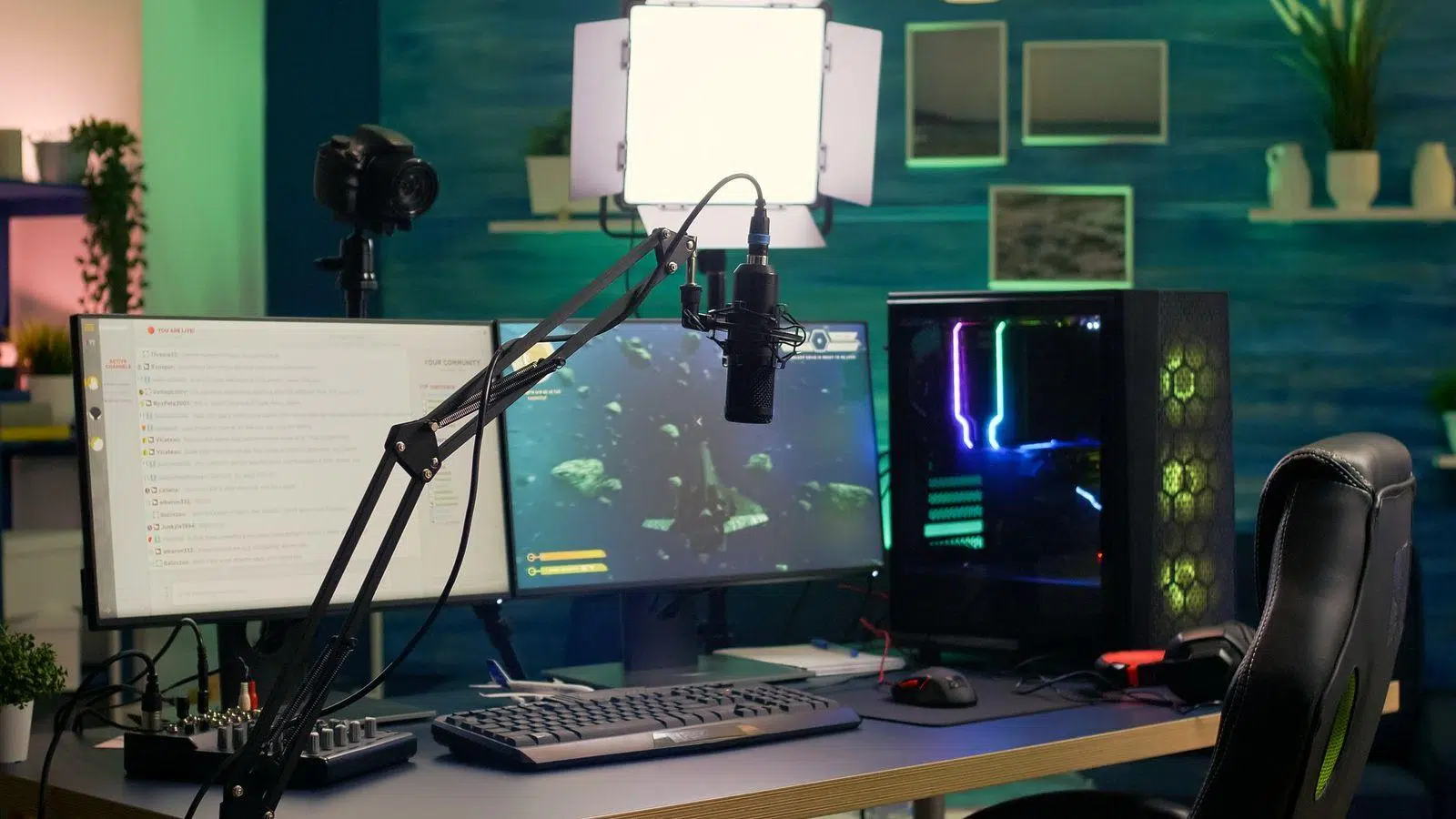
Today, the consumption of digital content has undergone a radical transformation, making streaming the central focus of our leisure time. Whether you're looking to binge-watch a series, listen to music nonstop, or connect with someone in real time , the way we access entertainment has changed forever. For those who simply want to enjoy themselves, the range of options is enormous, but for those who aspire to work alongside creators, understanding this ecosystem is vital.
Diving into the world of live streaming isn't just a matter of pressing a "start" button. It requires a blend of technical skill and storytelling ability . In fact, there are specialized programs, such as master's degrees in live streaming creation and production, that teach you how to design successful formats and master the technical aspects to ensure your broadcast doesn't crash at the worst possible moment. Below, we break down everything you need to know about this world.

What exactly is streaming and how does it work?
Simply put, streaming platforms are services that allow us to watch or listen to content without having to download the entire file to our hard drive. Instead, the data travels over the network and plays instantly, giving us complete flexibility to switch between devices seamlessly.
Technically, the process is an engineering marvel: the content is stored on servers or in the cloud, broken down into small data packets , and sent sequentially to the user. To allow millions of people to view it simultaneously without buffering, Content Delivery Networks (CDNs) are used to optimize overall traffic.
When we talk about live streams, things get complicated because generation and distribution happen simultaneously. This is where tools like OBS or Streamlabs come in , acting as the streamer's digital mixing console, allowing them to manage scenes and audio before the signal reaches the platform's server.
Types of platforms and the best current options
Not all platforms are the same, as they are divided according to their content and how they make money. There's VOD (Video on Demand) like Netflix or Prime Video, audio streaming like Spotify and its algorithmic analytics , and of course, live streaming where Twitch and YouTube Live reign supreme. There are also hybrid options that combine free plans with ads and premium subscriptions.
Subscription and payment options
If you're looking for cinematic quality and original productions, paid streaming platforms remain the safe bet. Netflix continues to be the giant for its international series, while Disney+ is the jewel for fans of major franchises and family-friendly content. Meanwhile, Amazon Prime Video offers added value by integrating with its delivery services, and HBO Max remains the benchmark for high-quality premium content.
Free and affordable alternatives
If you don't want to spend a penny, there are some very decent options, even if you have to put up with some ads. Pluto TV is great for its linear channels, and Rakuten TV offers an interesting free catalog. YouTube, although a hybrid, remains the largest source of free content on the planet, ideal for those looking to explore new formats without commitment.
Guide to getting started with live streaming: Equipment and Software
If you're curious and want to become a streamer, don't fall into the trap of buying all the professional equipment on day one. You can start with what you have on hand and upgrade as you go. A mid-range PC with 16GB of RAM and a capable processor is more than enough to prevent video encoding from hogging your computer's resources.
One area where you can't skimp is sound. Trust me, people will tolerate a pixelated image, but scratchy or cutting audio will have any viewer closing the tab in seconds. Start with an inexpensive micro USB adapter like a Fifine or a Samson, and you can upgrade to an XLR system later when you have a stable audience. As for the image, good natural light or an inexpensive LED ring light will make any simple webcam look professional.
As for software, OBS Studio is the absolute standard, being both free and extremely powerful. It allows you to create scenes, add alerts, and manage audio with surgical precision. If you find it too complex, Streamlabs is a more intuitive alternative, although less flexible in the long run. For those who prefer mobile, apps like Prism Live are an incredible help.
Analysis of broadcasting platforms
- Twitch: The mecca of gaming. It's the best for interacting thanks to its bits and subscriptions, although grow from scratch It's a challenge due to saturation.
- YouTube Live: Ideal if you already have videos uploaded, as the algorithm recommends your live streams to your subscribers and these are saved as normal videos.
- TikTok Live: A machine for rapid growth and monetization through virtual gifts, highly focused on Generation Z and e-commerce.
- kick: The disruptive alternative that attracts creators with a much more generous income sharing (95% for the streamer).
New features and advanced strategies on YouTube
YouTube has made it clear that it wants to dominate live content by integrating it into a global strategy. One of the most useful features is rehearsal mode , which allows you to test your entire setup without anyone seeing you, thus avoiding those embarrassing technical glitches in the first minute of broadcasting.
Furthermore, it's now possible to stream in both portrait and landscape formats simultaneously with a unified chat, which significantly increases visibility. But the real gem is the AI-powered automatic highlights: the platform detects the most intense moments of your stream and turns them into ready-to-publish Shorts , saving you hours of manual editing.

They've also embraced social interaction with stream-on-streaming, allowing users to react to other live streams in real time. And for those looking to monetize their services, they've implemented side-by-side ads , less intrusive ads that don't interrupt the user experience, although they do momentarily mute the audio.
Monetization and audience growth
Making money isn't immediate. On Twitch, you need to reach Affiliate level (50 followers and a certain number of streaming hours) to start earning. On YouTube, the key is 1.000 subscribers and a certain number of watch hours. Meanwhile, TikTok allows you to earn diamonds redeemable for real money through fan gifts.
To keep people from leaving, remember that the first 30 seconds are crucial: start with energy and clearly state the purpose of the live stream. Constant interaction is key; calling viewers by name and responding to chat triples retention. Furthermore, maintaining a consistent schedule encourages your audience to return, which exponentially accelerates growth.
Invest in your own platform
For those who want to go further and create their own streaming platform, it's important to know that the investment is considerable. A basic project can cost around €15.000, while an advanced one exceeds €100.000. Robust server infrastructure , video compression systems, and secure payment gateways are essential.
The business model can be SVOD (monthly subscription), AVOD (free with ads), or TVOD (pay-per-view). Ultimately, profitability depends not only on technology but also on offering differentiated content not found on the industry giants.
The world of streaming is a vibrant ecosystem where the democratization of content creation and technical sophistication coexist. From choosing the ideal free platform to setting up a professional setup with OBS and quality hardware, the path to success lies in consistency and the ability to adapt to the new AI tools and social formats that define the current industry.
