- It promotes learning about engineering and electronics through the use of recycled materials and reused components.
- It promotes problem-solving and critical thinking by forcing you to design solutions with limited resources.
- It follows a development cycle based on imagining, building, programming, and optimizing the prototype through trial and error.
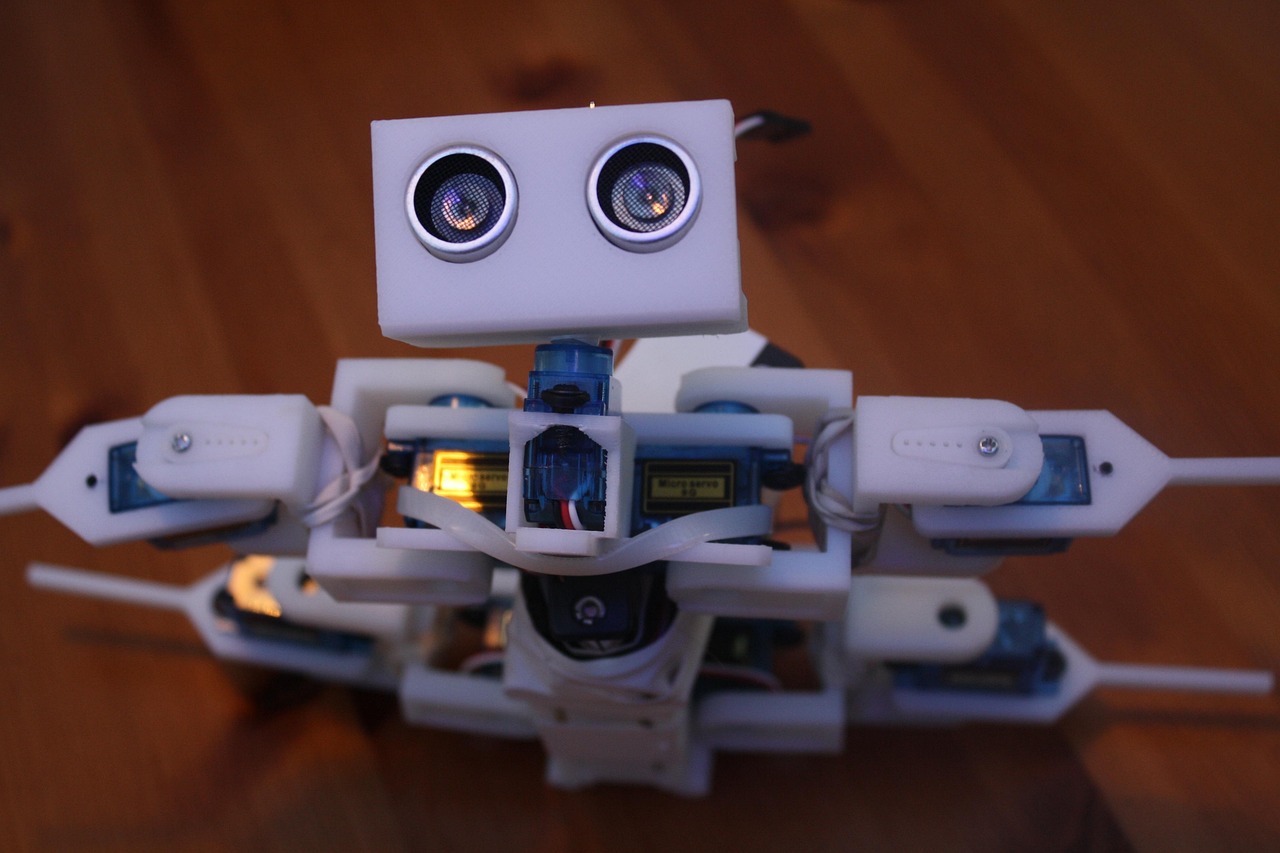
Have you ever noticed that drawer where all the odds and ends, old cables, and screws you don't know the origin of end up? Well, it turns out that this chaos is actually a goldmine for creative robotics . So-called "Junk Drawer Robots" are projects designed to transform these forgotten bits and pieces into functional machines, fostering ingenuity and technological recycling.
The idea isn't to buy an expensive kit and assemble prefabricated parts, but to take on the challenge of designing something from scratch with whatever you have on hand. It's a fantastic way to learn electronics and mechanics without fear of breaking anything, since, after all, you're using materials that were destined for oblivion or recycling, giving them a second life full of utility and learning.
The concept of box robotics
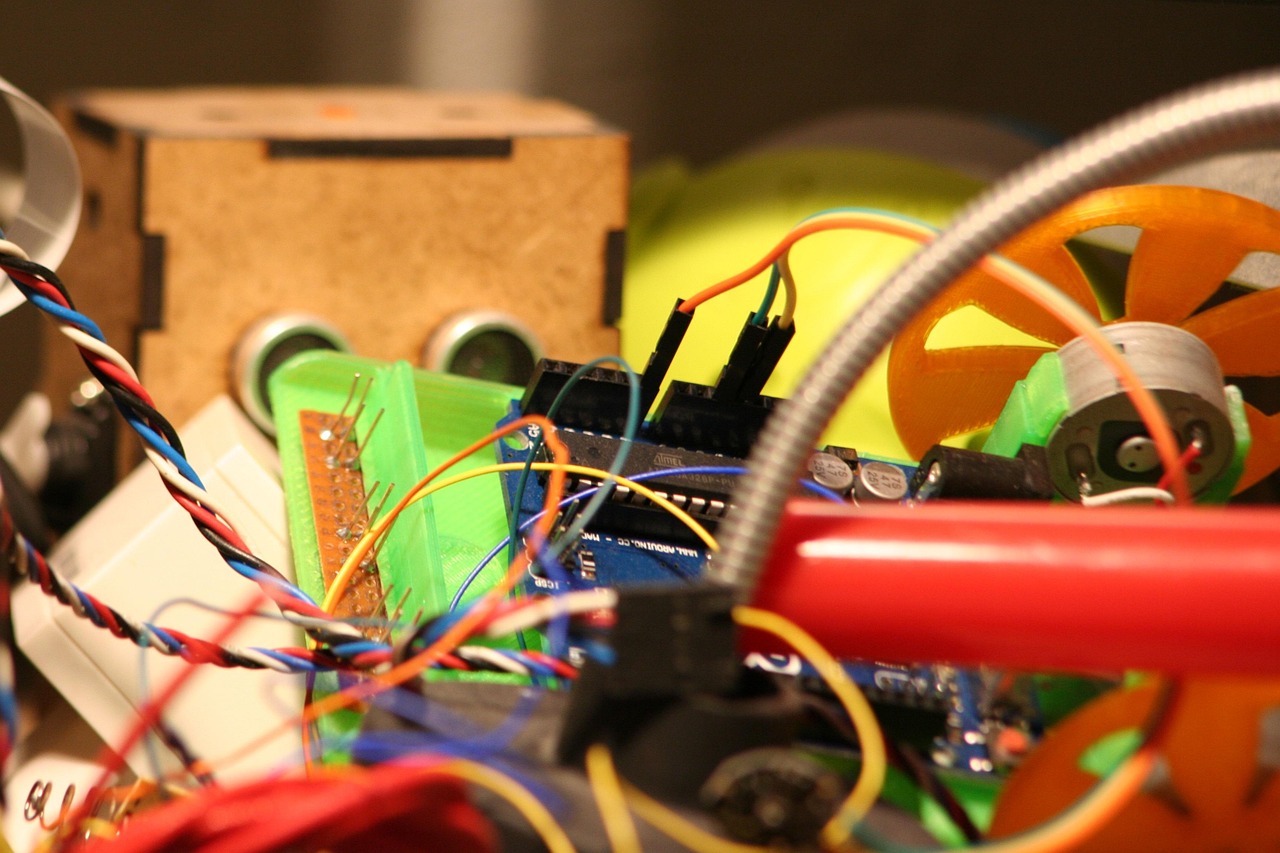
The essence of this discipline lies in guided improvisation. It's not about assembling just anything, but about applying critical thinking to solve technical problems using everyday objects and discarded materials . For example, a paperclip can become an axle, a bottle cap a wheel, and a rubber band a tensioning system. This approach allows anyone, regardless of their budget, to experiment with engineering in a practical way.
Essential materials that usually reside in the drawer

To start building, all you need to do is take a look at those storage nooks and crannies in your home. The most useful components are usually:
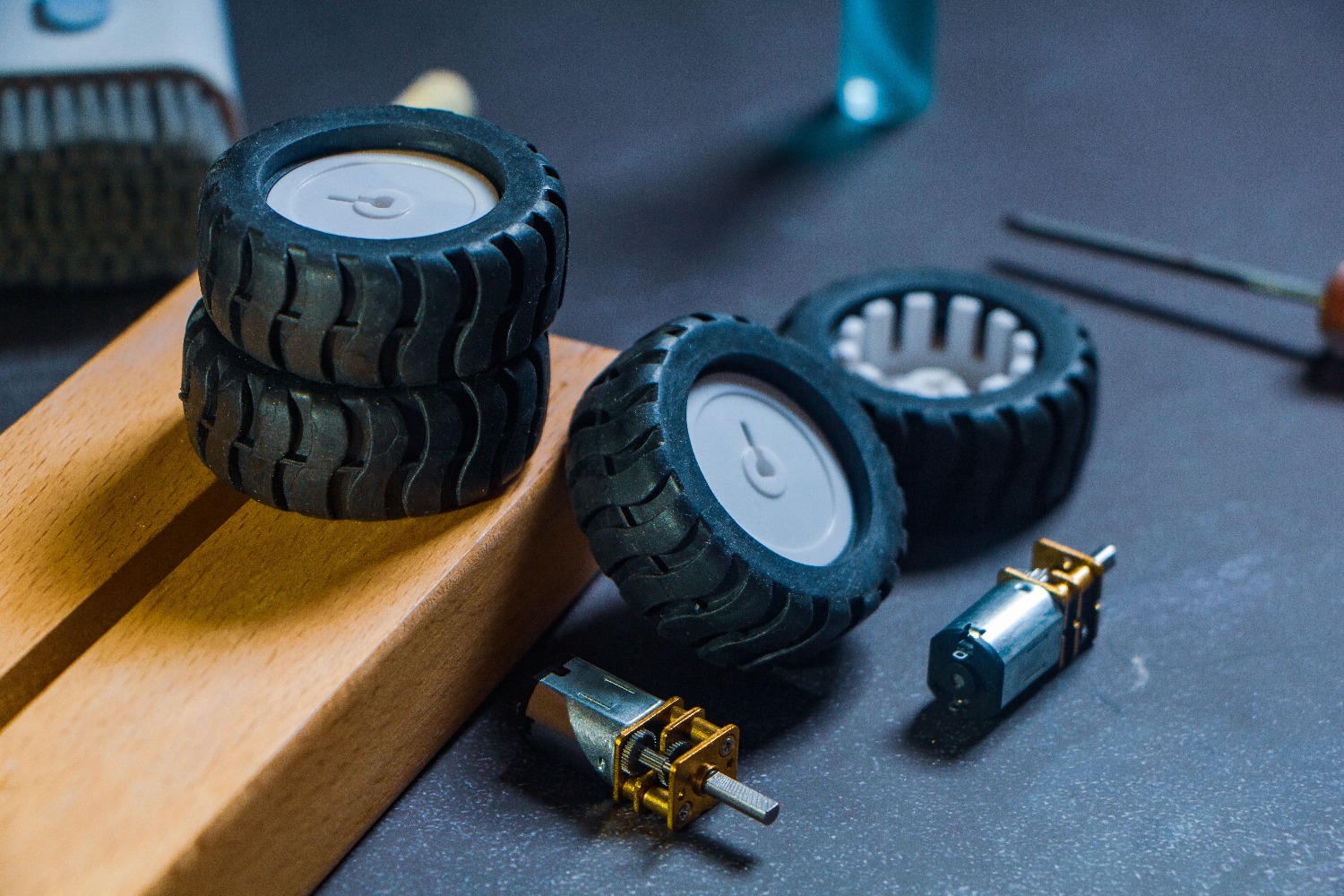
- Small engines salvaged from old toys or CD players.
- Power cables that are no longer compatible with any modern device.
- Batteries or cells that still have some charge.
- Pieces of plastic, cardboard, toothpicks and fastening elements such as adhesive tape or hot glue.
- Simple switches or even pieces of aluminum foil to make electrical contacts.
The creative process: designing, building, and programming
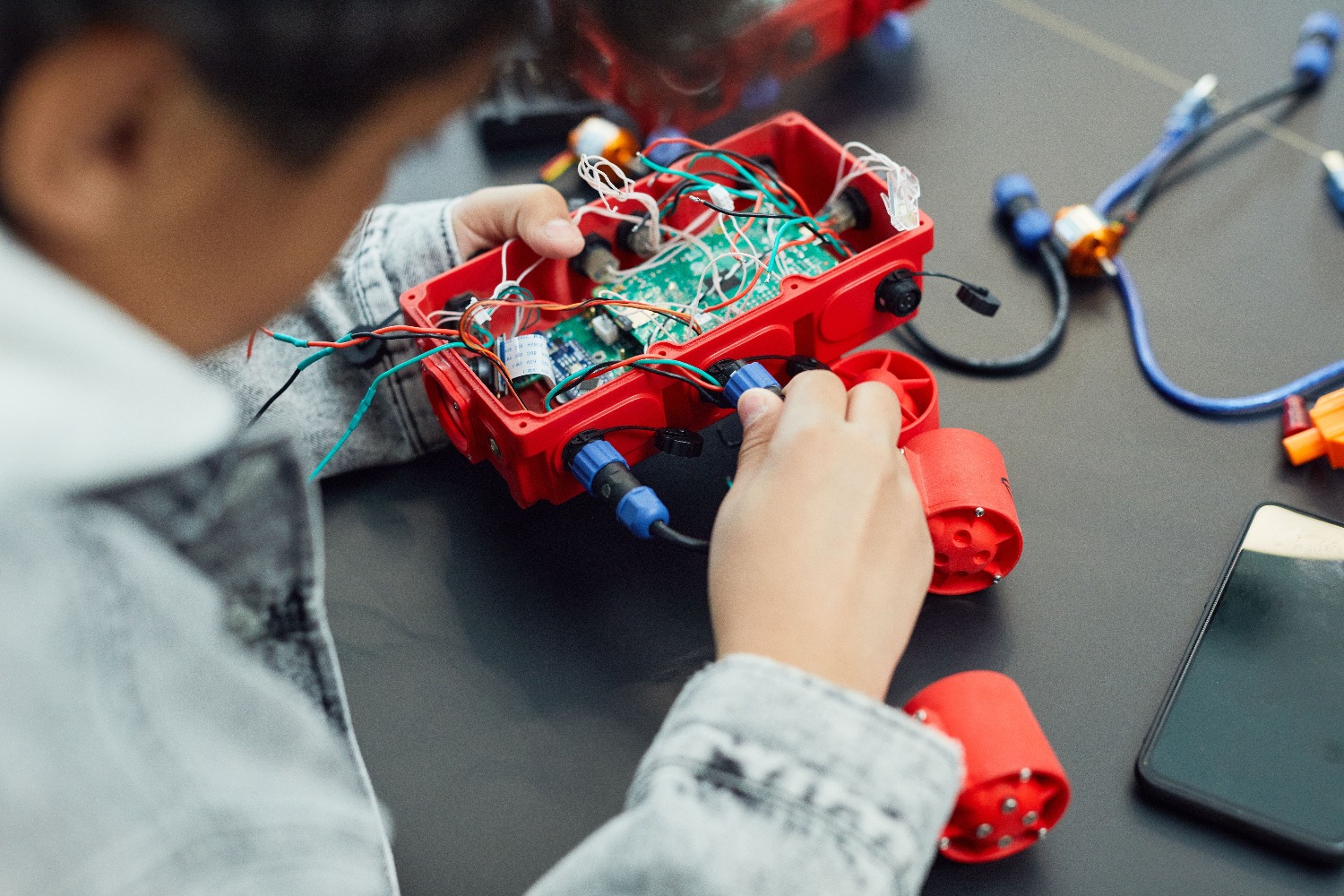
Building a robot like this follows a dynamic cycle that encourages constant experimentation. First comes the imagination and design phase , where you decide what you want your creation to do: should it climb, fly, slide, or simply move erratically? Once the goal is defined, you move on to action, assembling the pieces and adjusting the structure for stability.
In many of these projects, the challenge lies in coding the robot's behavior. Depending on the complexity, simple control boards or basic circuits can be used. The fun part is testing the prototype and, when something goes wrong (which it inevitably will), redesigning the solution on the fly. It's a trial-and-error process where learning happens precisely when the robot doesn't do what you expected.
Challenges and opportunities to improve skills
To make the experience more exciting, specific challenges are often presented. These can range from creating a robot capable of overcoming a particular obstacle to designing a machine that can transport a small object from one point to another. By limiting the materials to what's in the "junk drawer," the creator is forced to be extremely efficient and creative with space and energy.
This methodology not only teaches robotics, but also develops the ability to solve complex problems in a simple way. In the end, what matters is not that the robot is aesthetically perfect, but that the mechanism works thanks to the ingenuity applied to materials that others would consider trash.
Integrating technology with recycling allows you to create amazing machines from old motors and spare parts, transforming the learning of electronics into a constant discovery game where creativity is the main tool to bring unique inventions to life.
FAQ
What exactly is a Junk Drawer Robot?
It is a robot built using mainly recycled materials, spare parts and electronic components recovered from old objects that are usually found in drawers at home.
Do I need advanced programming skills to get started?
It is not essential, since many of these projects start with basic circuits and evolve towards programming as the creator gains experience.
What basic materials can be reused for these robots?
You can use motors from old toys, cables, plastic caps, clips, batteries and various fastening elements such as tape or glue.
What is the main objective of this type of robotics?
The goal is to foster creativity and practical engineering learning by solving technical challenges with limited resources.
How is the robot's function decided?
The creator defines a specific goal, such as climbing or transporting objects, and then designs the mechanism based on the materials available in their drawer.
Is it expensive to set up a Junk Drawer Robots project?
It is a very economical activity since the basis of the project is to use waste and parts that already exist in the home, avoiding the purchase of expensive kits.
