- A digital SMS phone number allows you to receive messages without using your real mobile phone, protecting your privacy and separating personal and professional uses.
- There are free, pay-per-activation, and monthly rental services available, suitable for one-off checks, intensive use, or continuous business communication.
- Many providers offer international coverage, APIs, volume discounts, and SMS delivery via email, apps, or web panels, catering to both technical and business profiles.
- The choice of provider should be based on cost, available countries and the need for courier services (receiving only or also sending), seeking a balance between reliability and price.
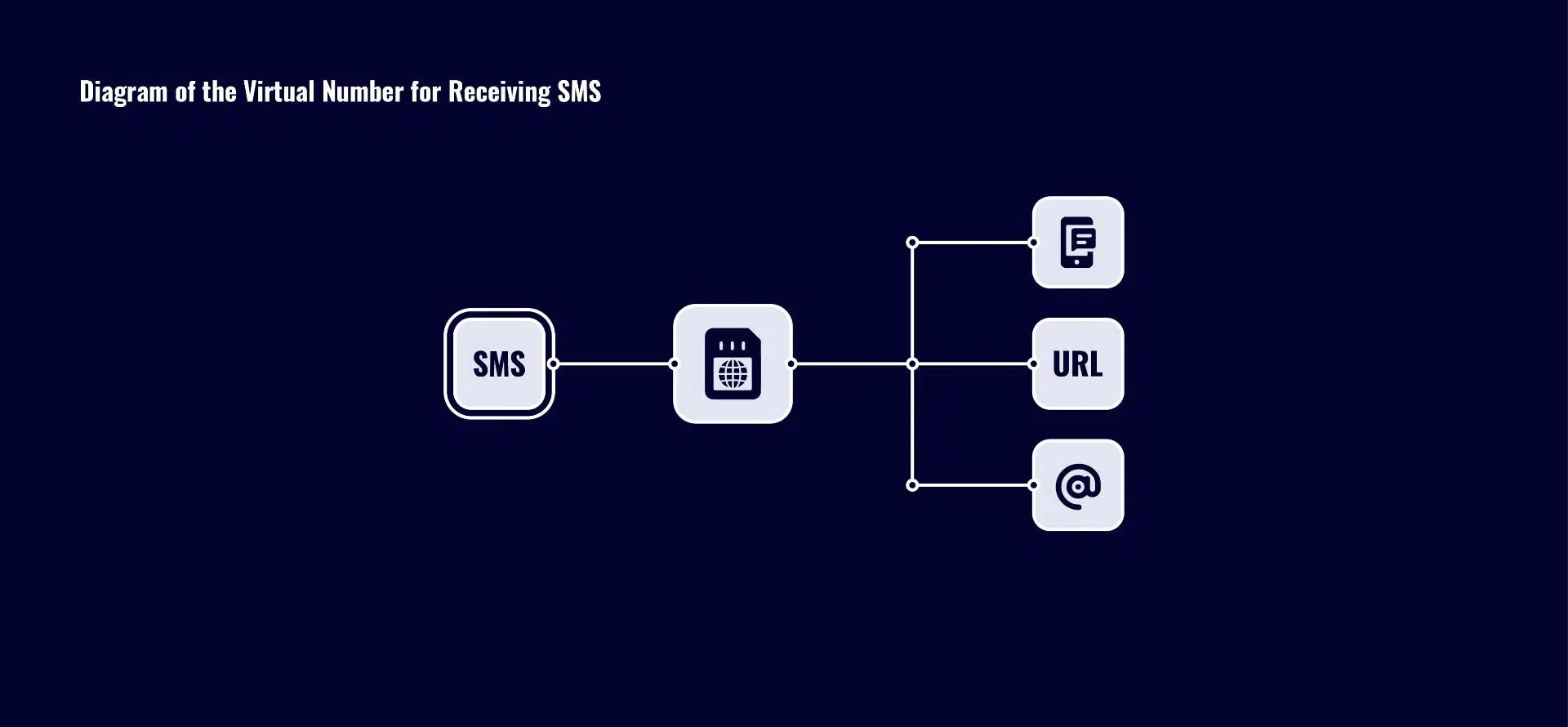
Digital phone numbers for receiving SMS messages have become a key tool for creating online accounts, verifying services, and keeping your privacy safe without having to give out your real number. If you frequently register on many platforms, manage multiple projects, or simply want to separate your personal and professional life, these types of solutions can save you a lot of headaches.
With a virtual number, you can receive verification messages, OTPs, and SMS communications from almost any website or app, without needing a physical SIM card or a specific mobile phone. Furthermore, depending on the service type (free, one-time payment, or monthly rental), you can choose between short-term disposable numbers or more stable lines designed for intensive and business use.
What exactly is a digital phone number for receiving SMS messages?
A digital phone number, or virtual SMS number, is a number that isn't linked to a SIM card or a specific landline . It operates on cloud infrastructure and is managed via the internet, so incoming messages are displayed on a website, app, or even in your email, instead of arriving in the SMS inbox of your physical mobile phone.
For the person writing to you, this number behaves like a normal mobile or landline number : they can send an SMS and the message is delivered without them having to do anything special. The difference is that, instead of residing on a phone, the message passes through the provider's servers, which are responsible for routing it to your user panel, API, or inbox.
This approach lets you manage your SMS messages from any device, anywhere : computer, tablet, or mobile phone, simply by logging in. You don't need to have your original phone with you or worry about coverage, SIM card changes, or losing your device.
Most of these numbers are offered by VoIP services and cloud-based telephony platforms , designed for both individual users and businesses. They can be local, mobile, or even toll-free numbers, depending on the country and provider.
In practice, a digital SMS number becomes a dedicated messaging line that you control entirely online , ideal for separating uses, automating processes, and having a well-organized history of all your checks and conversations.
Main uses of a virtual number for SMS
There are many use cases for a digital number to receive SMS messages, and some of them have become almost indispensable for those who live constantly connected or work in digital environments.
1. Protect your privacy and avoid spam
One of the most common reasons for using a virtual number is to keep your personal number safe. Whenever you register on a website, social network, coupon app, marketplace, or advertising service, you can enter the digital number to receive the verification SMS instead of your regular phone number.
This way, your main phone line is protected from aggressive advertising, annoying calls, or data leaks . Many people use these numbers on dating apps, online marketplaces, or services where they're not entirely sure what will happen to their data, achieving an extra layer of security and anonymity.
2. Business communication and customer service
For freelancers and small businesses, having a separate SMS number is almost mandatory if they don't want to mix work and personal life. A digital number dedicated to customers allows them to offer a professional messaging channel where the team can respond without exposing their personal phones.
SMS remains a powerful channel: the vast majority of messages are opened within minutes , and many consumers are happy to receive notifications from businesses via text. From this virtual number, your business can receive inquiries, support requests, or post-service feedback, centralizing all interactions in a single dashboard.
3. Two-factor authentication (2FA) and OTP codes
If you manage dozens of accounts, projects, hosting panels, SaaS tools, or social media profiles, you end up with a flood of one-time passwords (OTPs) that clog up your personal phone. A dedicated digital phone number for receive these verification SMS messages It helps you to better organize security.
This way, you can dedicate that virtual number to verifications, leaving your main mobile phone free of constant notifications. It's especially convenient for digital entrepreneurs, developers, or freelancers who create and test many services. However, keep in mind that some financial institutions and highly sensitive platforms may block the use of VoIP numbers for security reasons.
4. International presence and local numbers
If you have clients, users, or collaborators in other countries, a virtual number allows you to acquire local lines in those regionsFor example, a Spanish startup can contract a US or UK number to receive SMS messages from those countries, making it easier for contacts to write to a national number instead of paying international rates.
This not only reduces costs but also conveys a sense of connection and trust by offering international customers a local number. Messages still reach your online dashboard, but for them, it's like texting a local mobile number.
5. Collecting feedback and surveys via SMS
Many companies use SMS to quick surveys, post-service evaluations, or short opinion formsA virtual number that centralizes all responses in one place greatly simplifies management and analysis. Your team can review responses, tag them, integrate them into a CRM, or automate actions (for example, sending an automatic thank you to those who respond).
How disposable and single-use SMS number services work
In addition to "permanent" numbers, there are platforms focused on temporary numbers for receiving verification SMS messages , which are very useful for one-off registrations or service tests. Their philosophy is to offer you a second, disposable number that you can use for a few minutes.
In these types of services, the process usually works like this: you choose your country, select the app or website where you want to register, pay (if applicable) a small activation fee, and the system assigns you a virtual number. You copy that number, paste it into the service you're using , and wait for the SMS to arrive.
You typically have a limited time, for example, around 20 minutes of use per number . During this time, SMS messages sent to that number will be displayed in the provider's interface. If the verification code never arrives before the number expires, most platforms either don't charge you for activation or automatically refund your balance.
This scheme is repeated in many services: you can create accounts in multiple applications without using your usual line, protect your identity and, if something goes wrong and you don't receive the SMS, you recover the credit to try again.
These disposable numbers are perfect as an "instant second number" for verifying accounts , although they are not the most appropriate if you are looking to maintain continuous communication with customers or receive large volumes of messages in the long term.

Mobile apps and use with additional protection
Some providers strongly recommend managing your virtual SMS messages through dedicated mobile apps , available for systems like Windows, Mac, and, of course, mobile devices. Their argument is that by installing the app, you'll get a more stable experience, better performance, and more convenient control over your numbers.
In addition, many of these apps add extra layers such as built-in VPN protection . This means that when working with SMS-based services from within the app, your traffic is encrypted, your real IP address is hidden, and your online identity is made more secure. This is a valuable feature for those who want maximum anonymity or handle sensitive information.
The goal of these solutions is to provide private and reliable access to services that rely on SMS (banking, wallets, social networks, marketing tools, etc.), reducing the risk of leaks or tracking.
In many cases they also offer desktop versions for Windows and Mac , so you can monitor your messages and manage long or high-turnover numbers from your computer with greater ease.
Free vs. paid SMS services
When you look for a digital phone number to receive SMS messages, you'll find both free and paid services , each with clear advantages and limitations depending on your needs.
Free services for receiving SMS
Free services usually offer shared numbers, visible to all users. They are extremely useful for disposable checks and rapid testswhere you're not too worried about the number being public or maintaining long-term control.
The main advantage is zero cost, but in return, they can suffer from saturation problems, delivery delays, and low reliability when many people use the same number simultaneously. Furthermore, some websites may block these numbers because they are too well-known.
One-time activation fee services
Platforms specializing in one-off activations (such as various marketplace providers) allow you to buy a number for a single verification or for a specific serviceThey usually display a very extensive list of compatible websites and apps, with different prices depending on the country and the popularity of the platform to be checked.
The general process is the same: you choose your country and service, see the price, get the number, use it, and if the SMS doesn't arrive within the expected time, you get a refund or the activation fee is waived . These options are designed for those who need frequent, one-off checks with greater control and reliability than free public services.
Long-term number rental
If you're looking for stability, the ideal solution is to turn to monthly number rental servicesHere you pay a fixed fee (some start around $40/month for certain countries or number types) and keep that line for your exclusive use for the entire period.
These numbers are perfect for sustained use, high SMS volumes, or ongoing projects , such as marketing campaigns, customer service, bot automations, or receiving recurring codes. Because they are not public, the risk of being blocked is reduced, and you have stricter control over who messages you.
Alternatives to large platforms like Twilio
For developers or businesses that need to integrate SMS into their systems, Twilio is a well-known name, but it can often be expensive. There are alternatives specifically focused on... Pay-per-use SMS services and APIwhere you only pay for the messages or activations actually consumed.
In many cases, these dedicated services are more economical and offer simple APIs for automating activations, SMS reception, and number management . If you already work in cloud ecosystems like AWS, you can also leverage messaging services like SNS, although for bulk verification, a provider focused on virtual SMS is usually more cost-effective.
Non-VoIP numbers and advanced features for heavy use
In some contexts, especially when it comes to verification on platforms that reject VoIP numbers , so-called non-VoIP numbers become relevant. These are numbers that, although managed online, meet certain technical or regulatory conditions that make them acceptable for more services.
With a single, properly configured No-VoIP number, you can register on almost any online platform , receive SMS messages in all countries, enjoy 24/7 incoming messages, and in some cases, get unlimited verifications without having to constantly switch lines.
For high-volume users, many providers offer discounts of up to 80% for bulk purchases . If you manage hundreds or thousands of activations per month, this volume pricing reduction makes a huge difference in costs.
Another interesting feature for technical profiles is API access , which allows you to integrate SMS reception into your internal systems, dashboards, or applications. This lets you completely automate the process: requesting numbers, reading codes, activating accounts, and freeing up resources without manual intervention.
In some cases, advanced solutions such as MCP servers or AI agents for SMS are incorporated , designed to allow intelligent bots to manage incoming conversations, respond automatically, filter spam, or classify messages before they reach a human.
And, as an extra layer of privacy, some providers also offer a private email address associated with the service , of a personalized type, to further separate your real identity from the tools you use to operate online.
How to get and set up a virtual phone number for SMS
If you want to move from theory to practice, the process of getting a digital phone number to receive SMS is quite simple and, in many cases, quick.
1. Choose a reliable supplier
The first step is to choose a platform that offers virtual numbers with SMS capabilityYou should consider whether you only need to receive messages or also send them, which countries you are interested in, whether you want mobile, landline or toll-free numbers, and whether the solution is designed more for one-off checks, continuous use or API integrations.
It's advisable to review international coverage, other users' opinions, prices, and usage policies , especially regarding prohibited uses, data privacy, and the cancellation process.
2. Create your account and verify your identity
Since phone numbers are regulated, most providers will ask you to Verify your identity and address Before activating a number, you usually only need to provide a billing address and some form of identification (ID card, passport, or company document).
This procedure is part of the "Know Your Customer" policies to prevent fraud and abuse . In practice, if you have the documentation prepared, it is usually completed very quickly, sometimes in a matter of hours.
3. Select a number that supports SMS
Once the account is validated, it's time to choose a number. The panels usually clearly indicate which one. Numbers support incoming (and outgoing) SMSMany mobile numbers are supported by default, and some landlines in certain countries also allow you to receive texts.
Here you can decide if you're interested in a local number in a specific city, a national number, or even a toll-free number if it fits your strategy. You can also acquire numbers in other countries to project a local image in international markets.
4. Purchase and activate the number
The next step is to pay the activation fee or charge. Prices vary considerably, but there are very affordable options starting with really low monthly rates for numbers with SMS reception included.
Once payment is complete and verification is passed, the number is usually activated almost instantly . From then on, it's ready to receive messages, which you can manage from the website, app, or via additional integrations.
5. Configure how you want to receive SMS messages
One of the key points is choosing the message delivery method. Many platforms offer several options: email forwarding, access via a mobile app or web paneland instant notifications.
Some even have a built-in "SMS to email" service , so every time someone sends a message to your virtual number, you receive an email with the content. Others prefer that you manage everything from their app, with push notifications and chats organized by contacts.
6. Perform a functional test
Before using the number extensively, it's worth doing a small test. From another mobile phone, send an SMS to the virtual number or ask someone else to do so, and verify that The message arrives correctly to the channel you have configured (email, app, panel).
This ensures that everything is properly linked and ready to work, preventing surprises when using the number in critical processes such as account recovery or 2FA access.
Comparison of virtual SMS number providers
There are many providers of digital phone numbers for receiving SMS messages on the market, each with a different approach. Some prioritize low costs and global coverage , while others are highly integrated with productivity tools or focused on team collaboration.
For example, there are options that offer numbers in over 70 countries at very affordable prices , including extras like voice call forwarding, AI-powered summaries, and SMS-to-email delivery at no additional cost. These solutions are especially well-suited for entrepreneurs who simply need to receive messages from around the world without paying expensive per-user licenses.
Other alternatives, such as certain Google phone services, are closely tied to its ecosystem and often offer two-way SMS in specific countries (e.g., the US and Canada), with native integration with Gmail, voicemail, or collaborative work tools.
There are also more enterprise-focused tools that include a complete phone system with call center features , shared SMS inboxes, CRM integrations, and team collaboration. These types of solutions typically have higher per-user/month pricing but provide a unified environment for calls, text, and support.
In the intermediate segment, providers emerge that offer numbers in dozens of countries, two-way SMS and moderate prices , generally with per-user plans geared towards SMEs with distributed customer service teams.
In general, the choice should be based on three factors: price, coverage, and messaging needs . If you only want to receive SMS messages to verify minor services in multiple countries, a cheap, global provider with mail delivery will be more useful. However, if you need your entire team to manage two-way conversations with customers, it might be worth paying more for a unified business telephony solution.
Ultimately, digital SMS numbers have evolved from a simple website registration tool to essential resources for privacy, customer service, international expansion, and process automation . Choosing the right service type (free or paid, disposable or stable, with or without an API) will make a significant difference in convenience, cost, and reliability in your daily digital life.