- Hardware options range from WiFi controllers like Orbit B-hyve to Shelly relays for full local control.
- Implementation of automation based on weather forecasts and soil moisture sensors.
- Advanced strategies to optimize water consumption through evapotranspiration and leak detection.
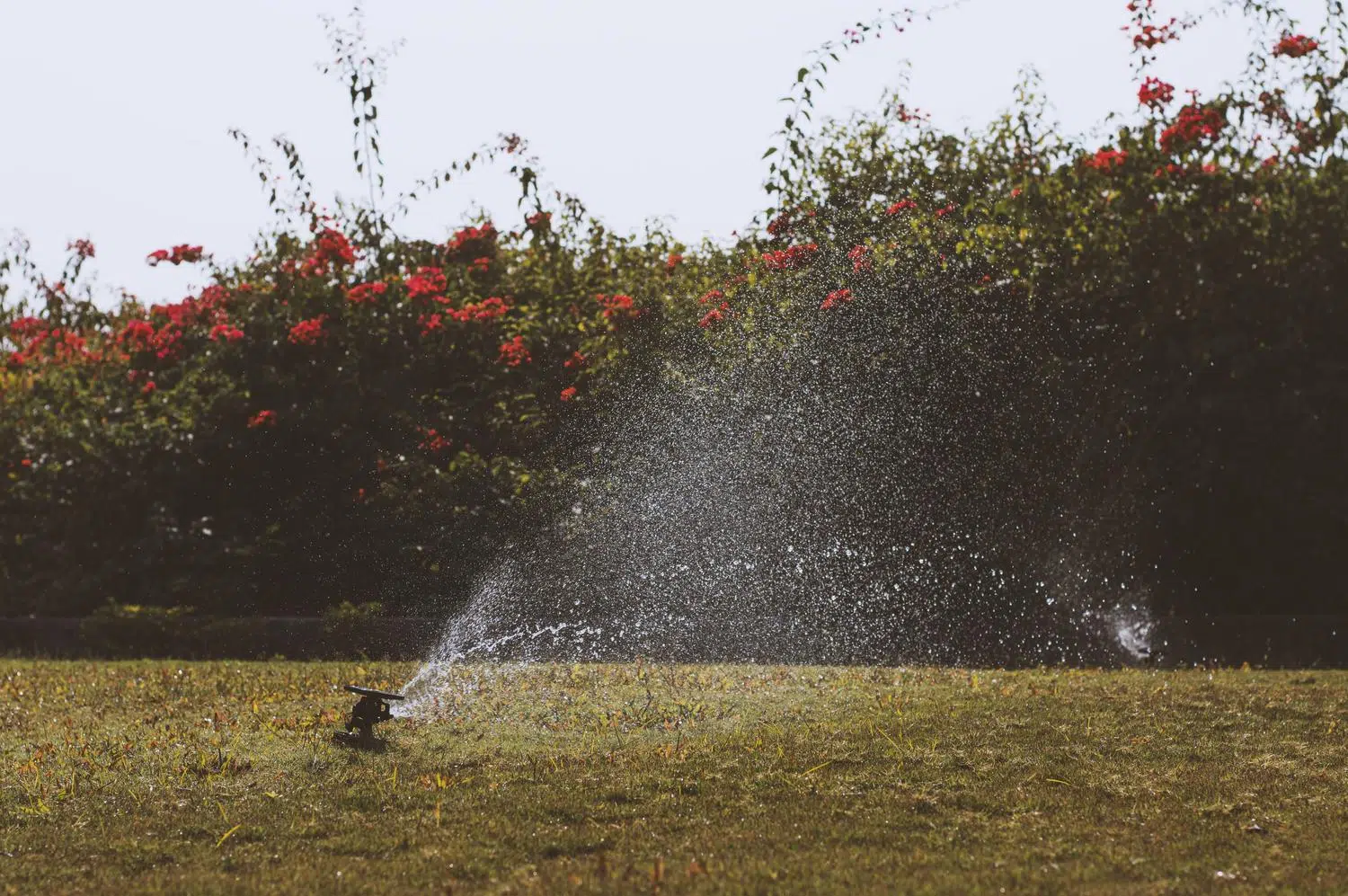
Having a spotless garden without spending hours with the hose is everyone's dream, and thanks to Home Assistant , it's easier than ever. You don't need to tear down your entire existing system to make the leap to home automation; the key is choosing the hardware that best suits what you already have installed at home, whether it's a professional solenoid valve system or a simple outdoor tap.
The best thing about installing this system is that you stop watering "blindly" and start doing so based on real data about the terrain and the sky . This avoids the common mistake of turning on the sprinklers just as it starts pouring rain, which is not only ridiculous but also wastes a lot of water and can drown your plants.

Hardware: What equipment should you choose for your garden?
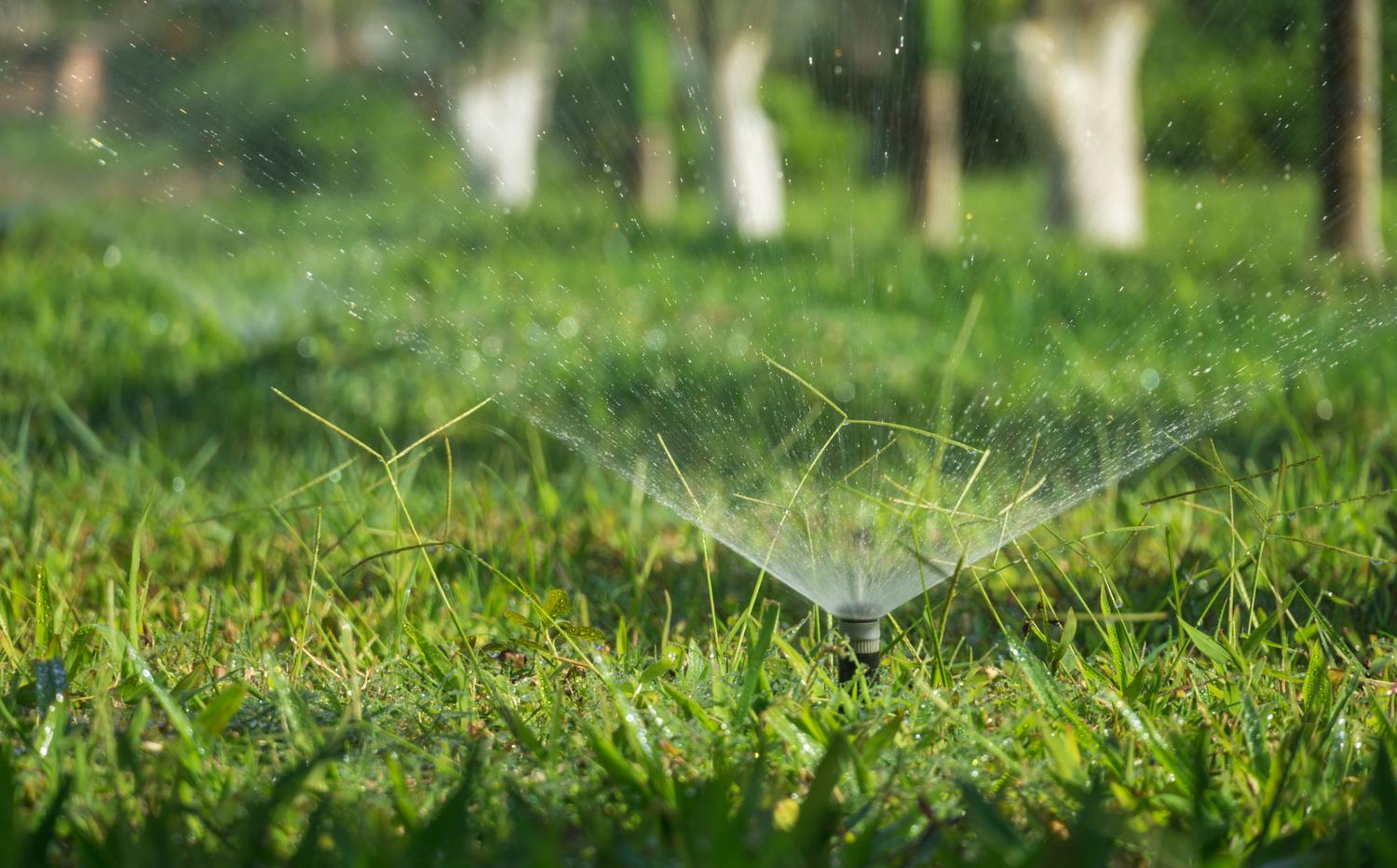
Depending on your infrastructure, you have several options for integrating water control into your home automation server. If you already have a network of 24V AC pipes and solenoid valves , the quickest option is a Wi-Fi controller. The Orbit B-hyve is very popular in Spain because it's easy to set up, even though it relies on the cloud , and it manages up to 6 zones without complications.
For those who prefer to avoid sending their data through external servers at all costs, Shelly relays (like the Shelly 1 or Plus 1) are the crown jewel. They allow you to control each solenoid locally and directly, although they do require some hands-on experience with wiring and a basic understanding of electricity.
If you don't have buried pipes and are looking for something more "plug and play", there are smart taps or solutions like LinkTap , which uses Zigbee and offers solid integration with Home Assistant, ideal for those who need the signal to reach far in the garden without depending on WiFi.

Intelligent automation strategies
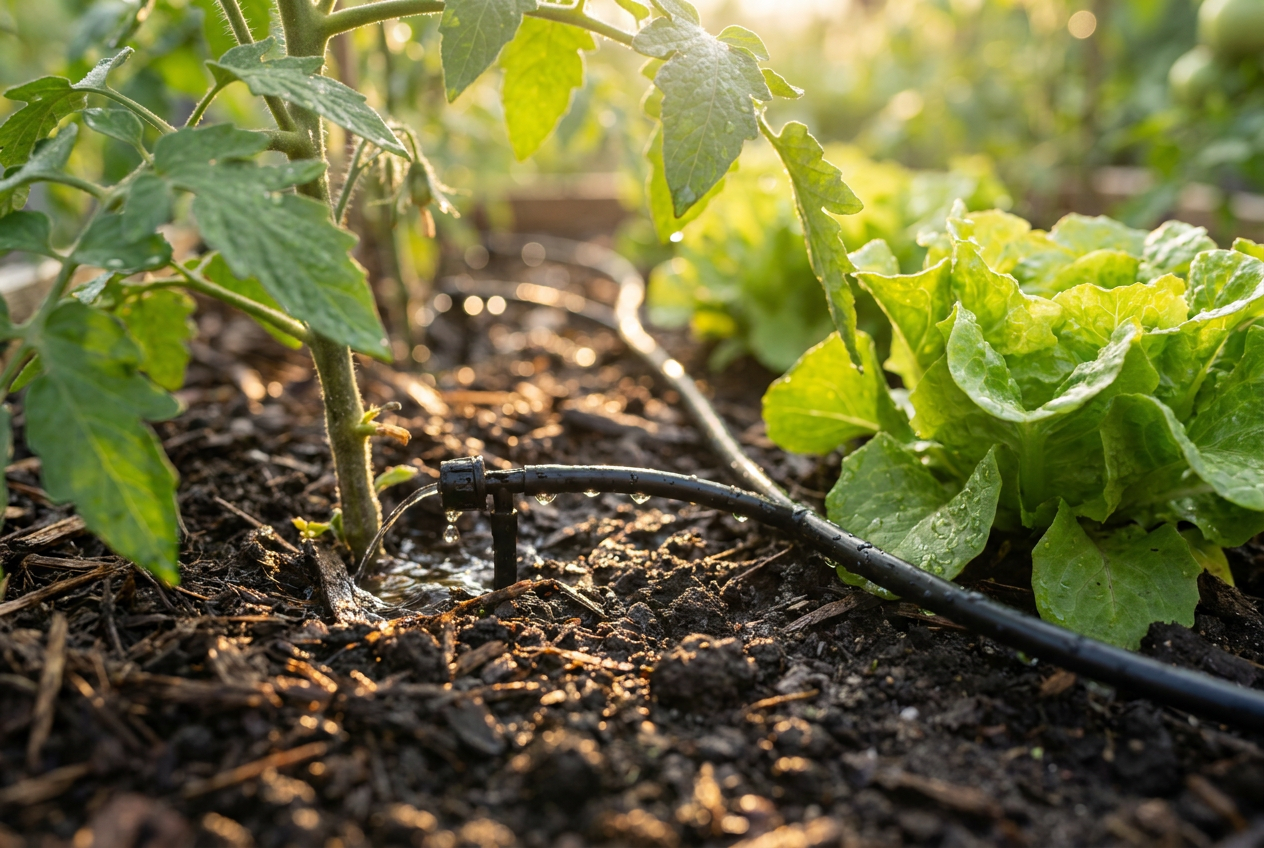
The magic happens when we create rules that think for us. The most basic automation, yet the one that saves the most water, is suspending irrigation if it's going to rain . Using integrations like OpenWeatherMap or Météo-France, we can program the system so that if the rainfall forecast for the next 24 hours exceeds 5 mm, it simply doesn't activate.
- Irrigation based on actual humidity: Using smart sensors Like the WH51 via MQTT or the Xiaomi Mi Flora, you can condition the power-on on the soil moisture drops below 30%ensuring that water arrives only when the land is truly dry.
- Evapotranspiration calculation: For those who are more detail-oriented, it's possible to calculate how much water the plant loses based on temperature, wind, and humidity. This allows adjust the watering duration automatically, saving up to 35% of water in the middle of summer.
- Security and presence: There's nothing more annoying than getting soaked unexpectedly. By integrating presence sensors like the Aqara FP2, you can make irrigation more convenient. pause immediately if it detects that someone is walking through the sprinkler area.
System maintenance and optimization

To avoid unpleasant surprises, it's advisable to implement a leak detection system . If you have a flow meter or use a Shelly 1PM to monitor the pump's power consumption, HA can send you a mobile alert if it detects an abnormal flow, warning you that a pipe may have burst or a sprinkler may have come loose.
For visual management, the ideal solution is to create a dedicated dashboard using Mushroom cards. This way, you can see the status of each zone at a glance, when you last watered, and initiate manual watering from your mobile device while relaxing on the sofa or even on vacation, thanks to Nabu Casa.

Practical tips for the Spanish climate
In our country, timing is critical. The smartest thing to do is water at dawn or dusk to prevent the sun from instantly evaporating the water or burning the leaves with its magnifying effect. Furthermore, it's essential to configure the system to comply with municipal summer watering restrictions , scheduling watering on alternate days according to your local council's regulations.
Creating an automated garden involves combining the right hardware—whether Zigbee, Wi-Fi, or local relays—with logical rules that analyze the weather and soil moisture. By integrating soil sensors and weather forecasts into Home Assistant, you transform a basic timer into an efficient system that cares for your plants and optimizes water usage completely autonomously.
