- Access to a vast library of realistic voices in dozens of native languages and dialects.
- Ability to process large files in PDF and TXT formats with high character limits.
- Advanced tools for customizing tone, speed, and emotional expressiveness.
I'm sure you've been there: you have a ton of documents to read, and it would be so helpful if someone could read them aloud to you while you did other things. Well, technology has come a long way these days, and we no longer have to put up with those robotic voices that made you want to turn them off after two seconds; now we have AI to the rescue.
The magic of converting text to audio has taken an incredible leap, allowing us to create content that sounds exactly like a real person speaking . Whether you're creating a podcast , dubbing a video, or simply reducing eye strain, there are tools that ensure a natural and fluid result, adapting to your needs.
Cutting-edge technology and human voices
The secret behind these systems lies in deep learning and cutting-edge research . Thanks to this, machines no longer just repeat words, but understand intonation and rhythm, making the sound extremely close to the quality of the human voice.
If you're looking for something that conveys emotion, there are models like Eleven v3 that focus on achieving expressive and emotional intonation , preventing the audio from sounding flat and boring. This is essential if you want your audience to truly connect with the message you're delivering.
Linguistic diversity and native accents
One of the most amazing things is the number of languages it supports. We have options that cover more than 32 different languages , ensuring native-like, high-fidelity accents. To break down language barriers, there are real-time voice tools and AI that make everything sound natural in every region.
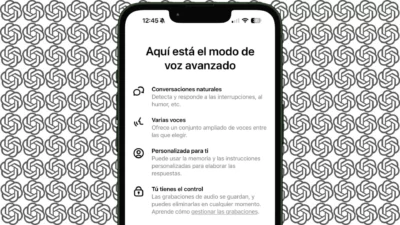
- European languages: Spanish, English, French, German, Italian, Portuguese, Polish, Dutch, Swedish, Czech, Finnish, Romanian, Danish, Bulgarian, Slovak, Croatian and Norwegian.
- Asian and other languages: Hindi, Japanese, Chinese, Korean, Arabic, Russian, Turkish, Indonesian, Filipino, Ukrainian, Greek, Malay, Tamil, Hungarian, and Vietnamese.
For those who need speed, there are low-latency models ideal for real-time applications, while for longer and more detailed projects, there are optimized versions that maintain maximum quality throughout the audio path.
Advanced features for creators
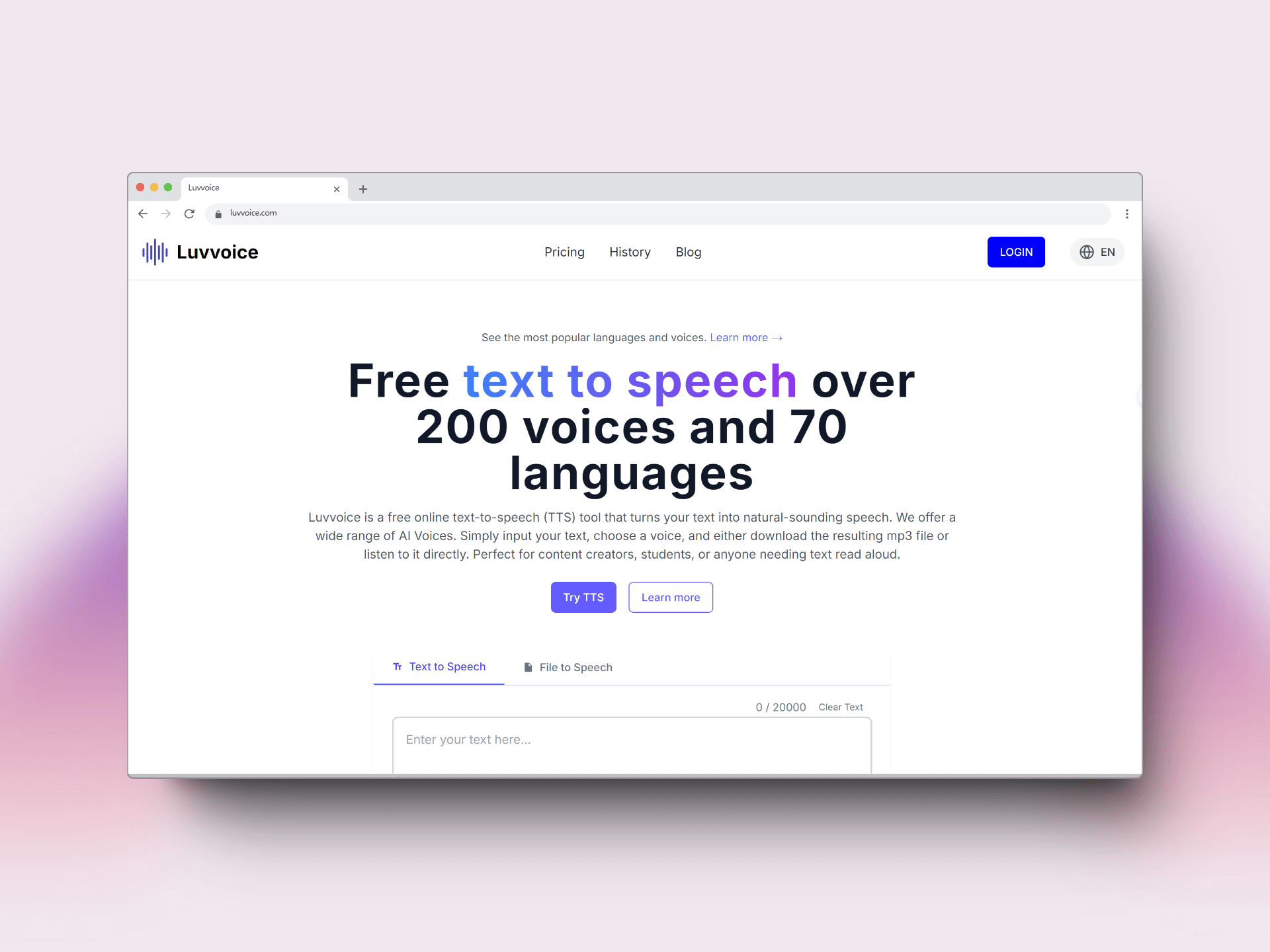
If you already have a script written, you don't have to complicate things; simply copy and paste the text into the editor or type it directly. But the best part is that you're not limited to just typing, as you can convert PDFs to audio or TXT files with hundreds of thousands of characters without the system crashing.

For professionals, efficiency is key, which is why some services allow registered users to generate up to 20.000 characters at once . Furthermore, you have the freedom to adjust the speed and pitch with a simple click, allowing the audio to perfectly match the rhythm of your video or presentation.
These tools are incredibly versatile and can be used in a wide range of areas. They're perfect for creating audiobooks, virtual assistants, e-learning , or even for producing realistic video dubbing that makes the content sound engaging and professional.
Having a library of over 200 voices distributed across 70 languages allows anyone, regardless of their language, to transform their writing into high-quality sound pieces that can be stored for several hours before expiring, thus facilitating the creative workflow.