- Advanced digital tools that allow you to customize fonts, colors, and professional designs using AI or templates.
- Psychological design strategies to optimize customer understanding and boost sales of signature dishes.
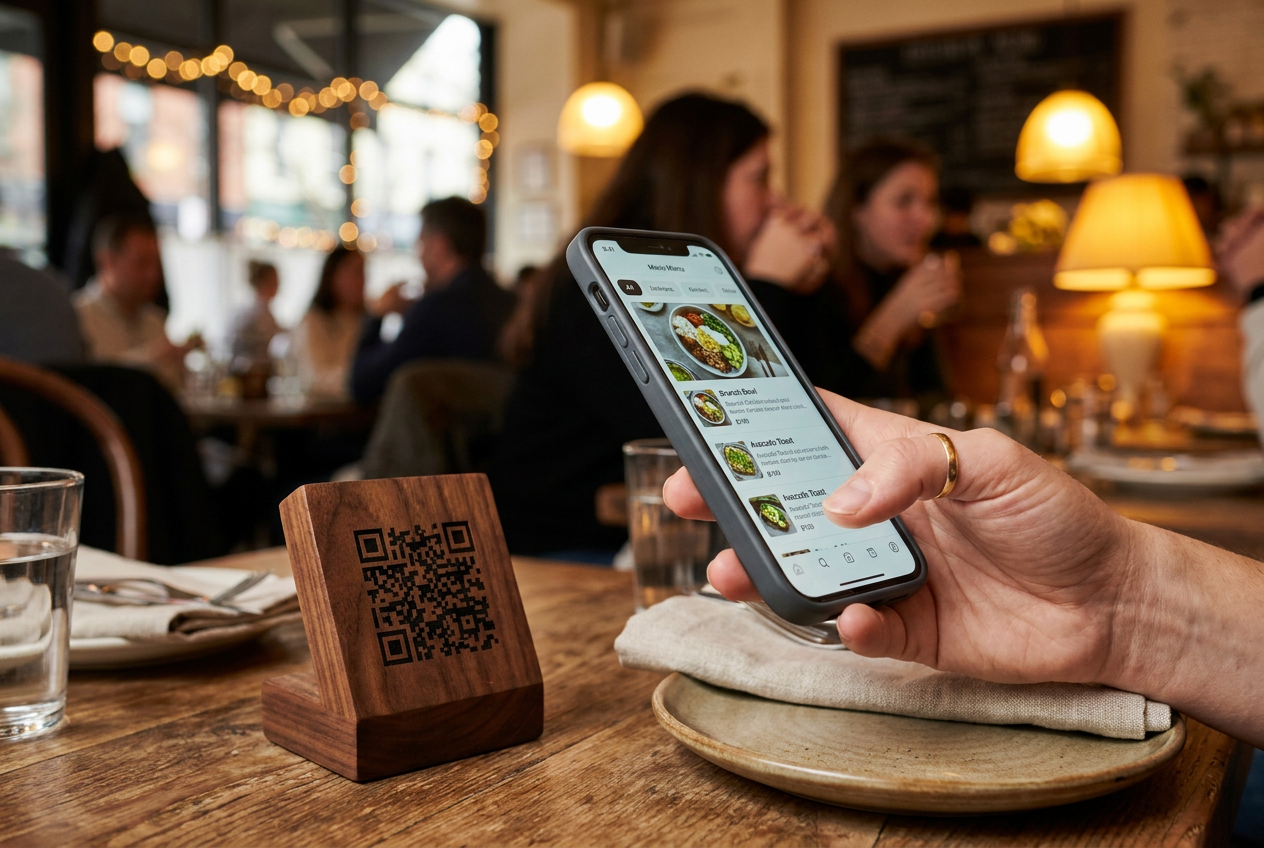
- Implementation of digital menus and QR codes to improve hygiene and management of multiple locations.
Running a successful hospitality business isn't just about cooking delicious food; presentation is half the battle. A visually appealing menu is essential, as it's your primary sales tool . Whether you run a food truck, a fine-dining restaurant, or a neighborhood café, your menu design should clearly reflect your brand and the values you uphold.
These days, you don't need to be a Photoshop expert or spend a fortune on a designer to achieve a professional finish. Intuitive technological solutions allow you to create anything from a minimalist menu to an interactive digital menu in minutes, adapting to any type of cuisine or special event.

Modern tools for letter design
Currently, we have several platforms that make life easier for entrepreneurs. Some use artificial intelligence to generate visual proposals, allowing you to learn how to write prompts for professional graphic design with AI to adjust prices or menu items using simple commands. Others rely on massive libraries of pre-designed templates that only require you to change the text and add your logo.
For those managing multiple locations, there are business systems that allow you to manage independent QR codes for each location from a central account. This is fantastic because you can change the price of a dish at one branch without affecting the others, always maintaining a consistent visual identity thanks to customized brand kits.
Designing a menu for a fast-food restaurant is not the same as designing one for a fine-dining establishment. Depending on the atmosphere, the style should vary drastically:
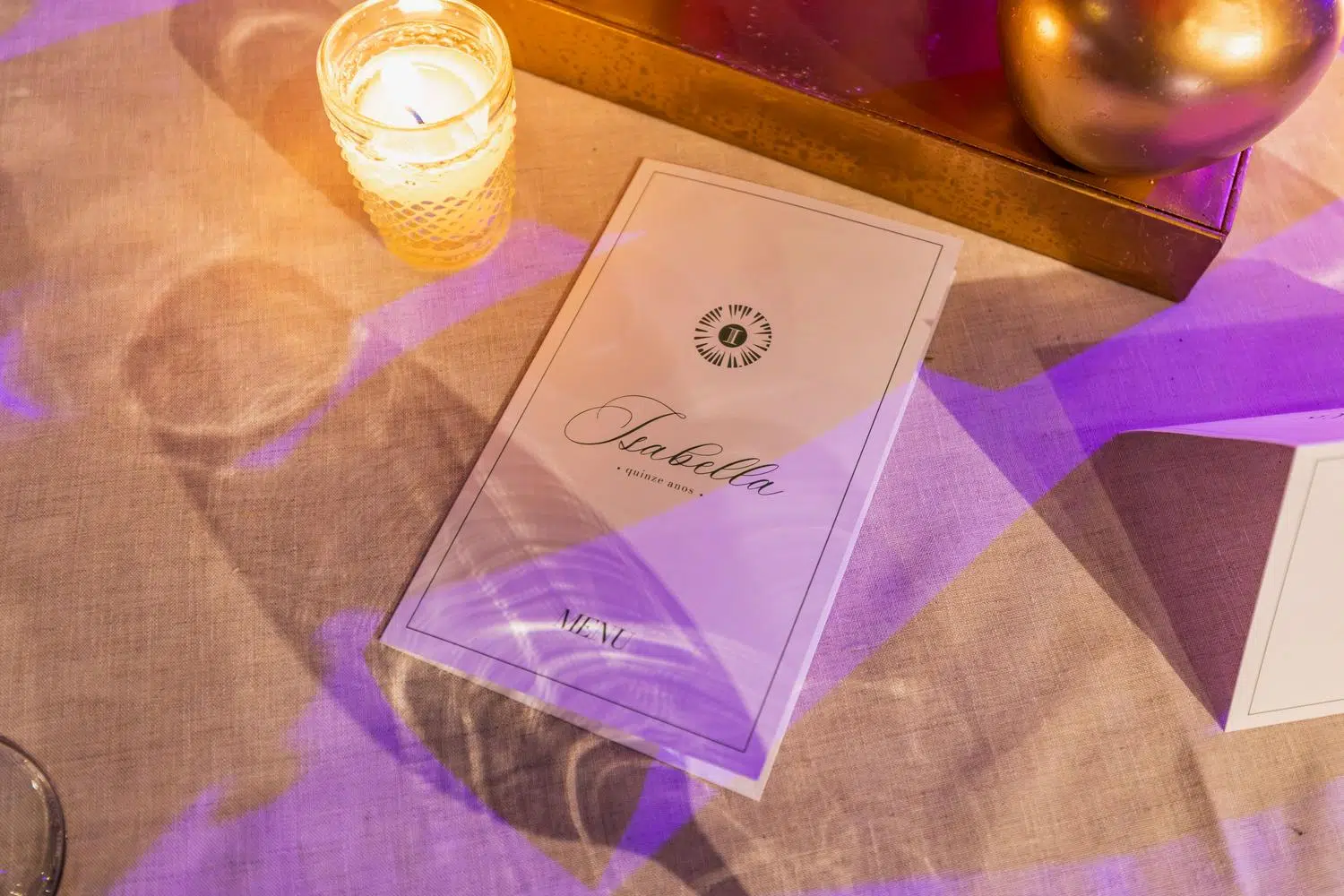
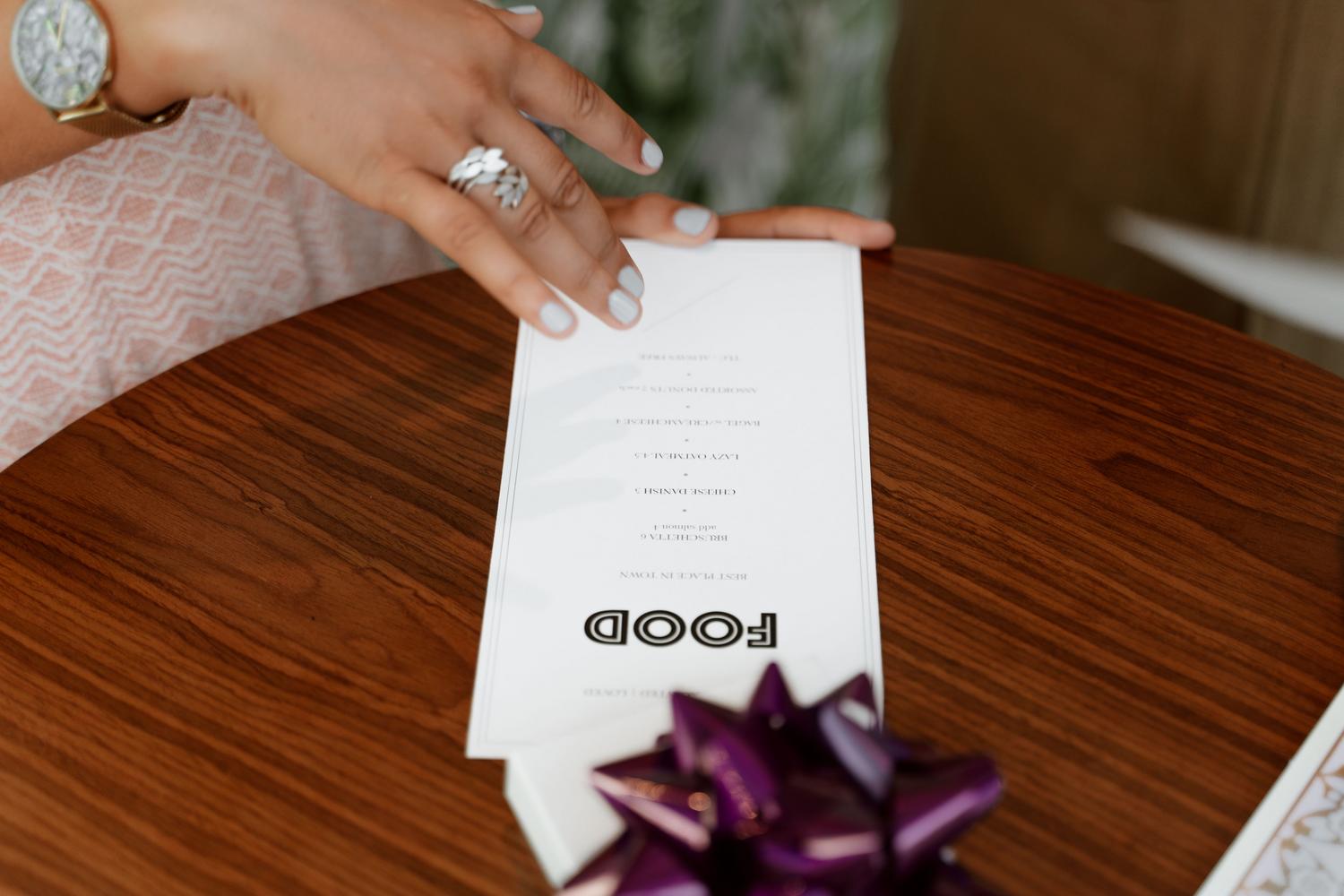
- Sophisticated and exclusive style: Ideal for upscale restaurants. A vertical format, elegant typography, and a clean design are recommended. Here, less is more, focusing on the quality of the ingredients and evocative descriptions.
- Casual settings and cafes: Designs inspired by chalkboards work very well, with warm colors, hand-drawn icons, and a modern sans-serif font that feels welcoming.
- Fast food and food trucks: Impact is key here. Vibrant colors like red and yellow, fun fonts, and a highly scannable design. Including checkboxes to expedite the ordering process is very helpful.
- Themed cuisines (Italian, Chinese, Mexican): Cultural elements should be integrated, such as terracotta-toned borders for Italian style or traditional Asian aesthetics, drawing on professional food photography that whet the appetite.
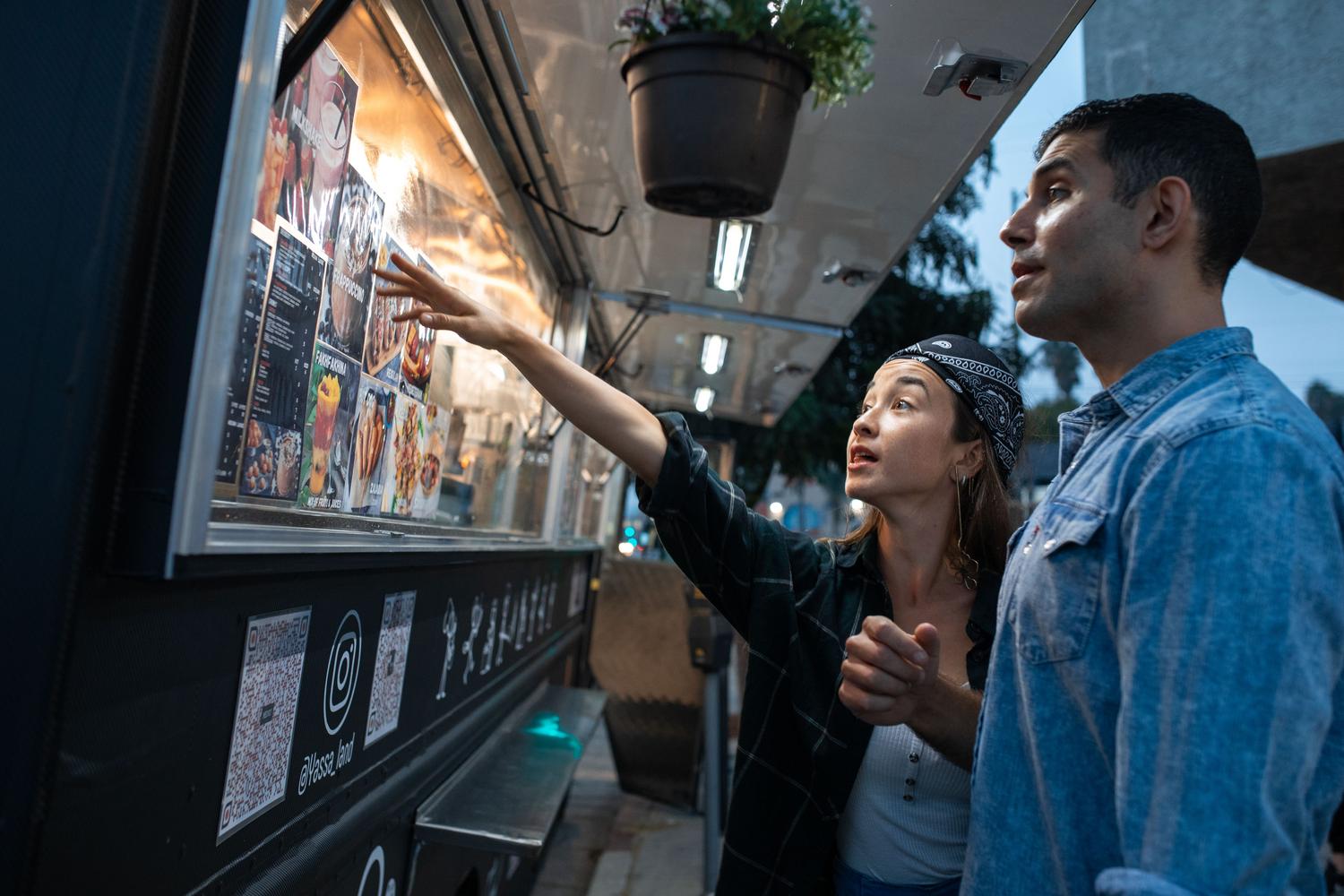
To ensure your menu is not only visually appealing but also effective at selling, you need to apply certain principles of psychology and design. For example, understanding human scanning patterns is crucial ; most people first glance at the top left corner, so that's where you should place your signature dish or most profitable offer.
The menu should be organized logically and smoothly. Dividing the menu into clear sections like starters, main courses, desserts, and drinks prevents the customer from feeling overwhelmed. Using text boxes is a great way to visually organize information and facilitate quick decision-making.
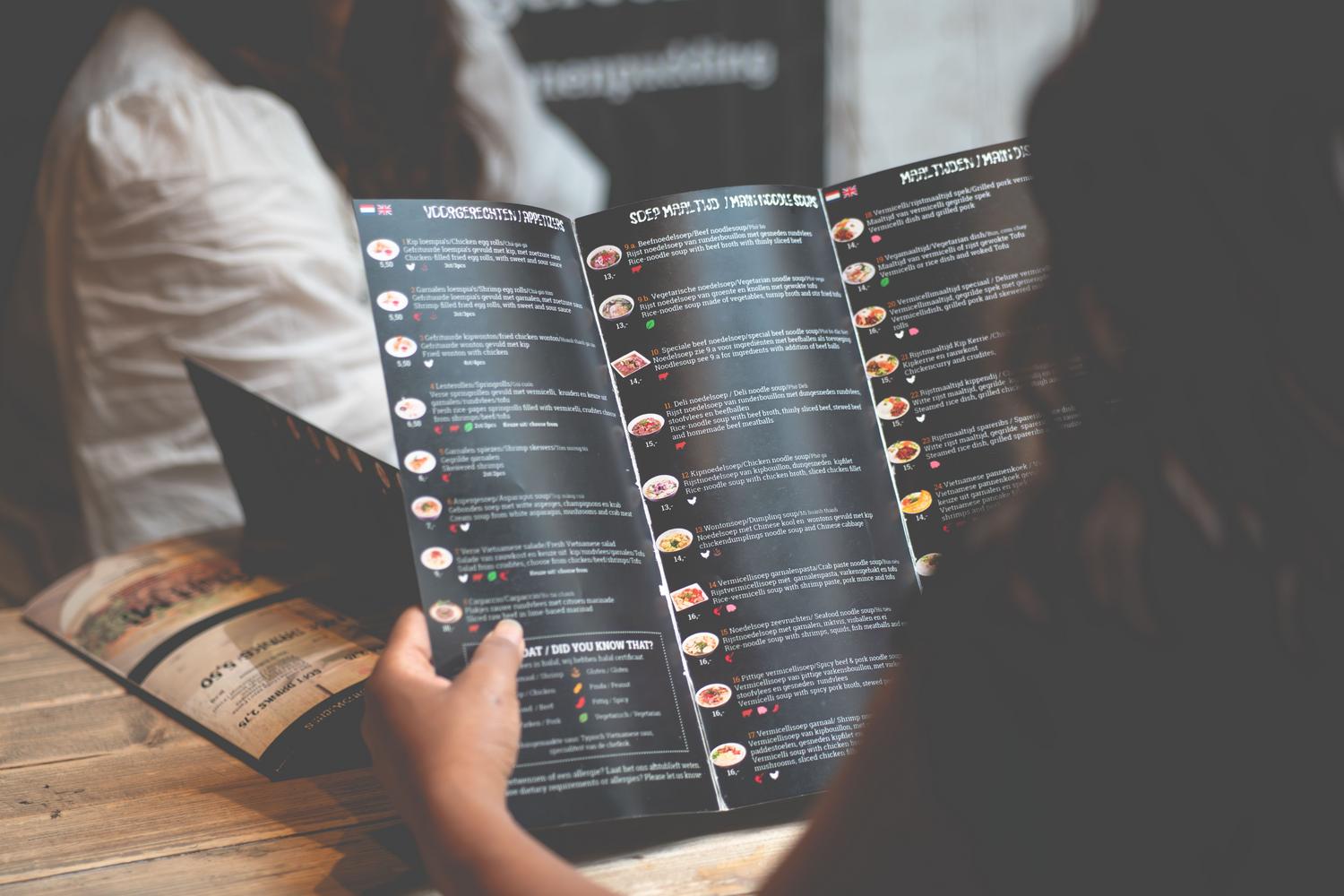
In terms of aesthetics, avoid excess. Don't overload the page with images; photos are great for fast food, but in a quality restaurant, a single professional photo is far more powerful than ten mediocre ones. Also, try to keep prices reasonable; we don't want customers to choose based solely on cost, but rather on their desire for the dish.
Having a digital version of your menu is practically essential these days. It's not just about hygiene and sustainability by saving paper, but it also offers incredible convenience, similar to what a professional website design aims for in converting visits into actual customers. Customers can check the menu on their mobile phones before arriving at the restaurant or while waiting for service.
These digital menus can be easily integrated into social media platforms like Instagram or Facebook, allowing users to see the daily specials in real time. Furthermore, they enable dynamic management : if you run out of an ingredient, you can remove the dish from the digital menu instantly, preventing customer disappointment after they've already ordered.
Having a well-structured menu, whether printed on quality paper or accessible via a QR code, is the bridge between your kitchen and customer satisfaction. By combining the power of today's design tools with a smart organizational strategy and an aesthetic consistent with your brand, you can transform a simple price list into a complete dining experience that will make customers want to return again and again.