- Equipped with Intel Xeon Granite Rapids processors and NVIDIA RTX Pro 6000 GPUs with 96 GB GDDR7.
- Optimization for Generative AI at the edge, enabling local LLM execution and reduced token costs.
- Advanced support for HPC, photorealistic 3D rendering, and digital twin simulations.
- Infrastructure based on PCIe 5.0 and designed for intensive 24/7 operation.
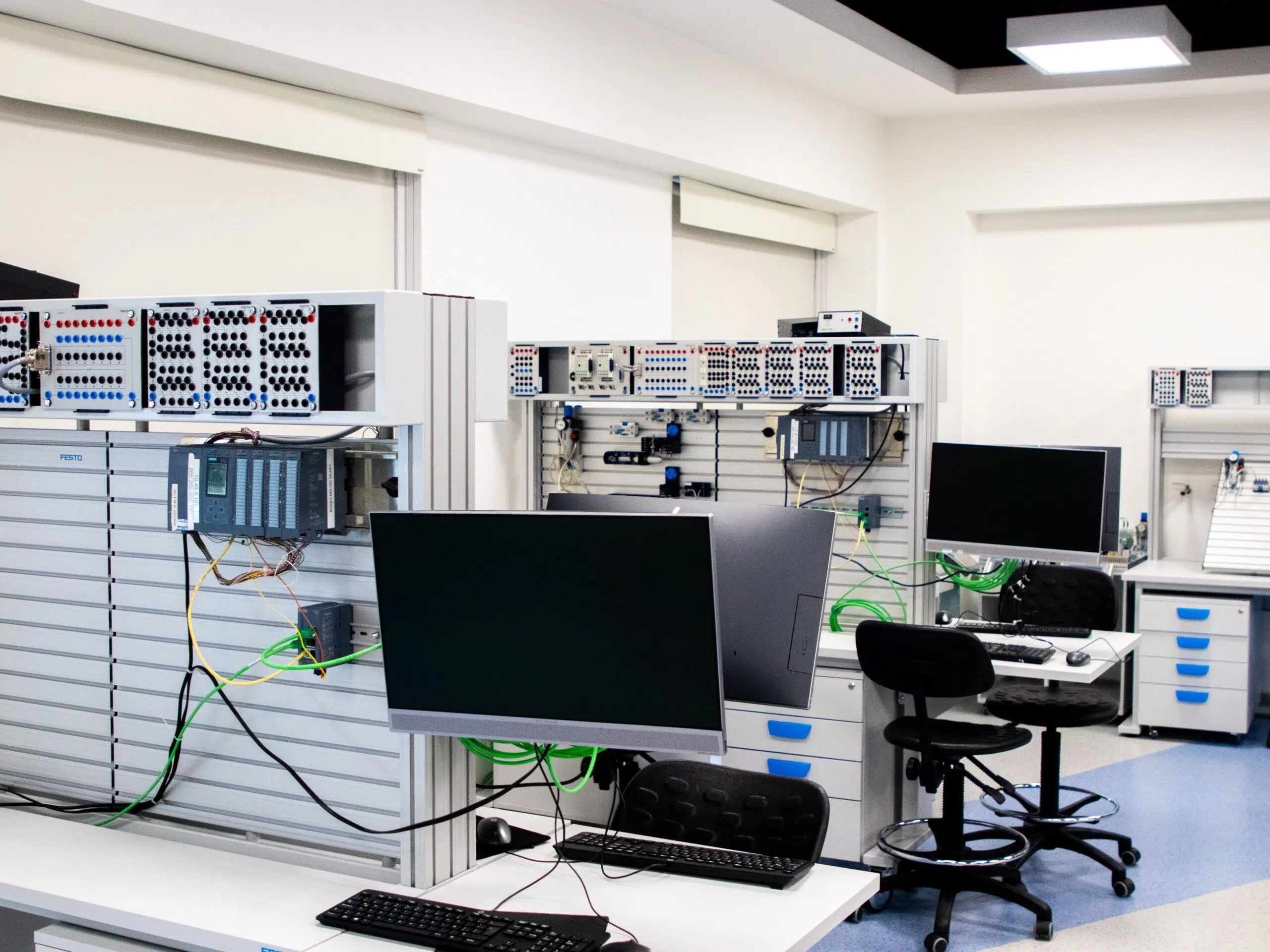
If you're looking to take your computing power to the next level, you probably already know that the current market is undergoing a true revolution thanks to artificial intelligence. We're not talking about simple fast computers, but rather workstations designed for HPC (High Performance Computing) that can handle massive volumes of data effortlessly, allowing companies to move away from the cloud and toward an edge AI model.
Having a computer with a latest-generation Intel Xeon processor and an NVIDIA RTX Pro 6000 graphics card isn't a luxury; it's a strategic investment for cost optimization . By running large language models (LLMs) locally, you avoid paying for each token generated through external APIs, which translates into significant savings in the medium term, especially in automated programming environments or complex scientific simulations.

The heart of performance: Intel Xeon Granite Rapids
The power of these machines lies largely in their processors, such as the Intel Xeon 678X from the Granite Rapids family. We're talking about CPUs that can reach 48 cores and 96 threads , offering turbo frequencies of up to 4,2 GHz on all cores. This capability is fundamental for managing CPU performance adjustments for different workloads , ensuring that the GPU doesn't wait for information and that the workflow is smooth.
In virtualized configurations, such as those found in Azure environments, these CPUs allow scaling from 24 to 288 vCPUs, ensuring that converged AI and visual computing workloads run at maximum efficiency, avoiding bottlenecks in the most demanding tasks.

NVIDIA RTX Pro 6000: The beast of Blackwell architecture
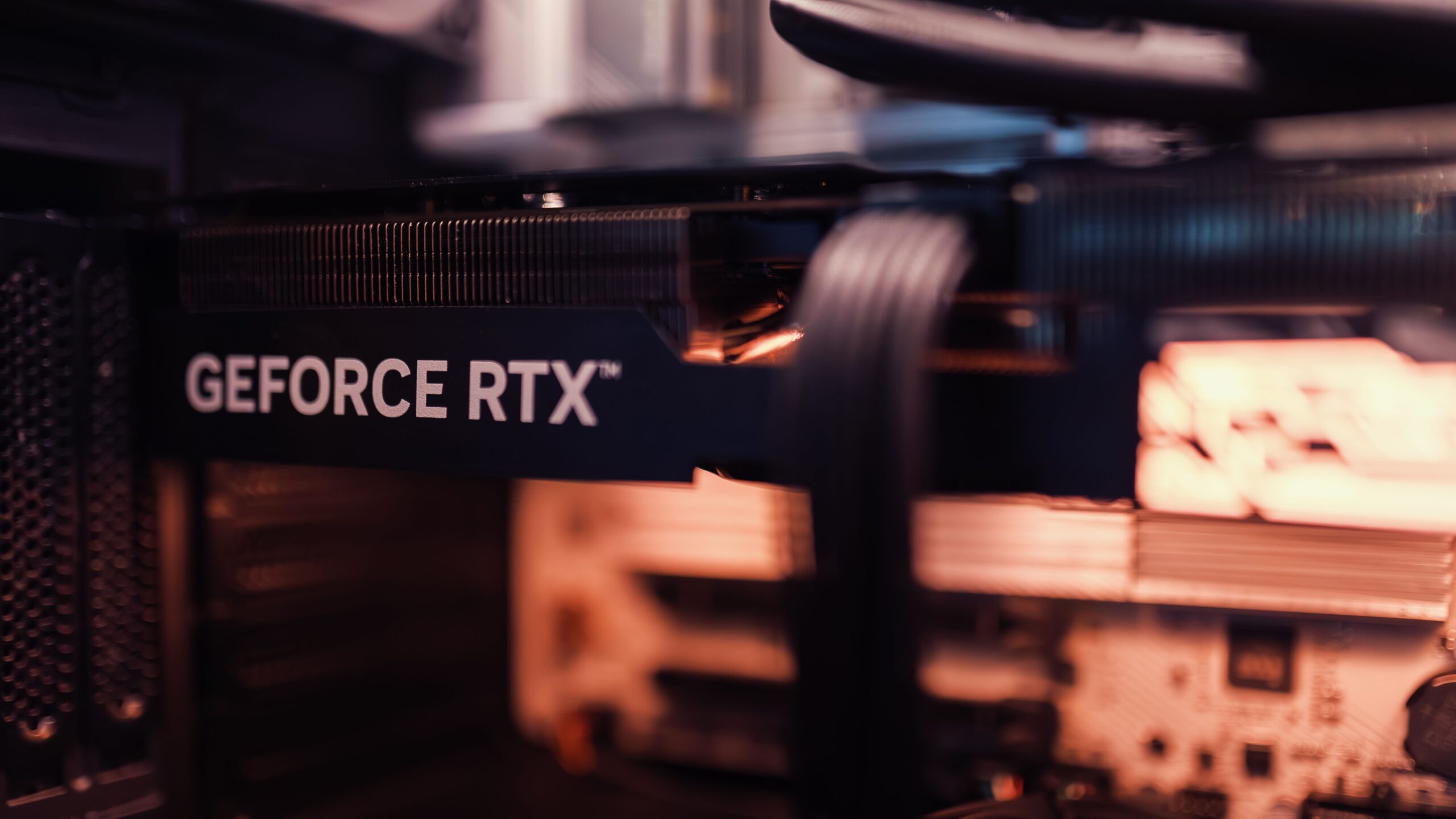
If the processor is the brain, the GPU is the muscle. The NVIDIA RTX Pro 6000, based on the Blackwell architecture, is simply unbeatable. Its most striking feature is its 96 GB of GDDR7 VRAM , which dramatically increases bandwidth and allows for working with massive datasets that were previously unthinkable in a comprehensive guide to AI GPUs installed locally. Thanks to this, it's possible to perform LLM and RAG inferences on models with up to 70 billion parameters.
- 5th Generation Tensor Cores: They triple the performance compared to the previous generation and support FP4 accuracy, ideal for prototyping new AI models.
- 4th generation RT cores: They double the speed of ray tracing, allowing the creation of photorealistic scenes and immersive 3D designs with astonishing physical accuracy.
- Blackwell CUDA cores: They integrate neural shaders that take graphic innovation and AI processing to a whole new dimension.
In addition, the device incorporates 9th generation NVENC and 6th generation NVDEC engines, which accelerates professional video encoding and decoding in formats such as AV1, H.264 and HEVC 4:2:2, making it an indispensable tool for high-end video editing.

Advanced capabilities and connectivity
For all this hardware to function, a robust infrastructure is needed. The use of PCI Express 5.0 is key, as it doubles the data transfer speed compared to the previous generation. This is vital when moving gigabytes of information between system memory and the GPU. Furthermore, the inclusion of DisplayPort 2.1 allows for the connection of monitors up to 16K at 60Hz, offering unprecedented visual clarity for industrial design and architecture.
Regarding the physical hardware, systems like the HP Z4 G6i stand out for their robustness. They are designed to operate in 24/7 duty cycles without losing stability. Their massive air cooling system ensures that the components do not suffer from thermal throttling. Furthermore, they offer complete versatility, as they can be installed in 4U racks or used as remote workstations where multiple users can access the computing power simultaneously.
Real-world applications in the professional sector
These workstations aren't for browsing the internet; they're designed for tasks where time is money. Real-time digital twins using NVIDIA Omniverse or GPU-accelerated desktop virtualization (VDI) are just a few examples. In engineering, CAD/CAM design and scientific visualization using FP32 directly benefit from this raw power.
For those requiring maximum density, there are versions like the 300W Max-Q, which allows for the integration of up to four GPUs in a single system. This scales AI training and 3D rendering capabilities to industrial levels, transforming the workstation into a small, private data center.
The combination of Xeon Granite Rapids processors and RTX Pro 6000 graphics with 96GB of VRAM redefines what is possible to do locally, eliminating dependence on the cloud and optimizing return on investment by running generative AI and high-level HPC with total stability in enterprise environments.
