- Software becomes the core of vehicle design, allowing the car to evolve through over-the-air updates without changing the hardware.
- The architecture is migrating from multiple independent control units to powerful, centralized systems that optimize safety and efficiency.
- The business model is shifting towards Software-as-a-Service, opening up new avenues for post-sales monetization and constant customization.

Imagine your car, once parked in the garage, waking up the next morning with improved power or a smarter safety system, all without you ever having to set foot in a mechanic. This is no longer science fiction, but the reality of software-defined vehicles (SDVs) , a paradigm shift that is turning the automotive industry upside down, shifting the value of the mechanical engine to lines of code.
Essentially, we're talking about an approach where software isn't just an accessory for controlling the radio or air conditioning, but the heart of the overall architecture . Unlike traditional cars, where every function was tied to rigid hardware, SDVs allow the vehicle to be a living entity, capable of learning and improving throughout its lifespan thanks to the complete separation between hardware and software.
How does an SDV differ from a conventional car?
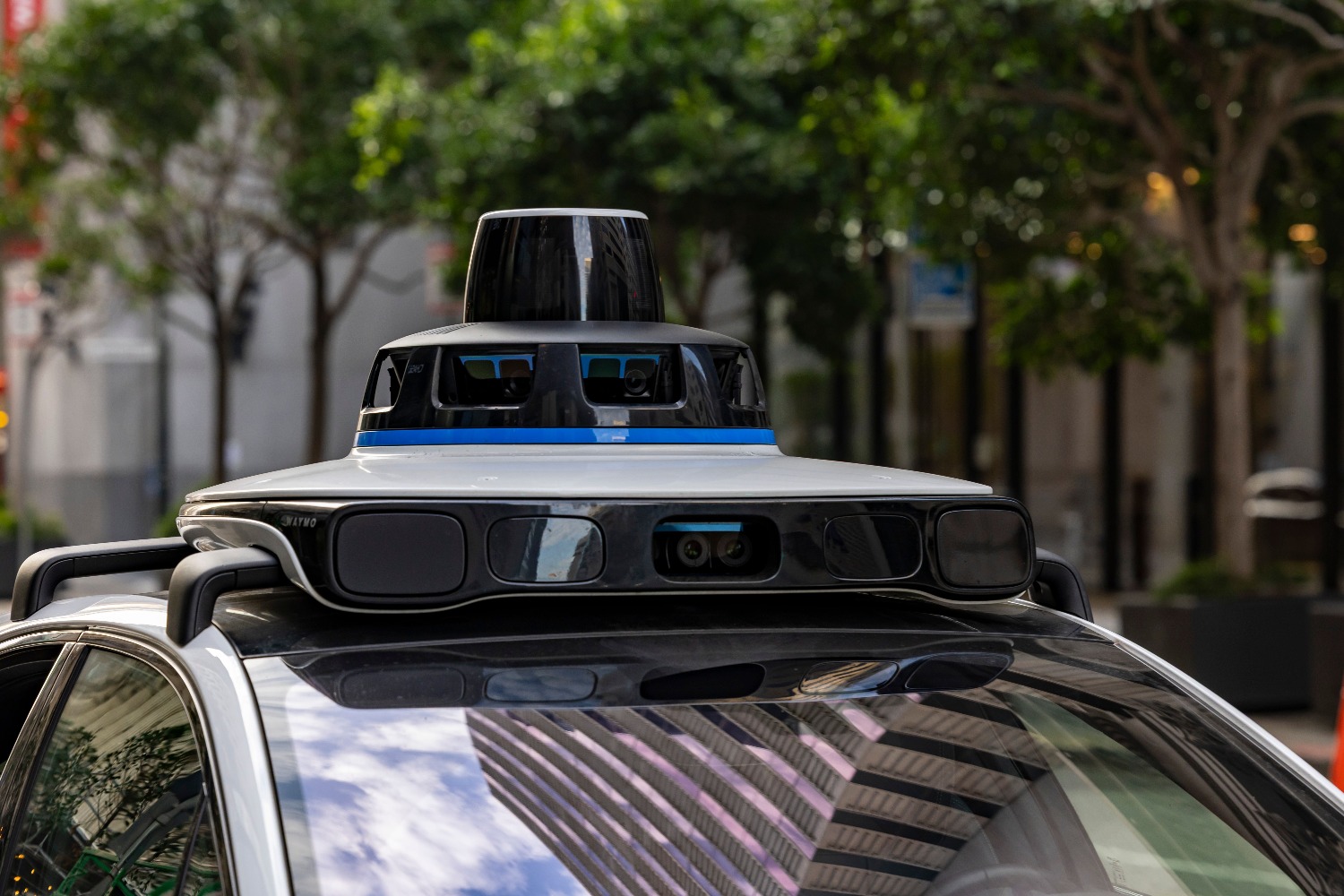
If we look under the hood of a traditional vehicle, we find a jungle of independent electronic control units (ECUs). Each one does its own thing and they don't communicate much with each other. In contrast, a SDV (Safety Vehicle) opts for a centralized architecture , replacing that myriad of modules with a few high-performance computers and zone controllers that manage everything in a coordinated manner.
The key difference lies in flexibility. While in a classic car any upgrade involved replacing a physical part, in a Smart Vehicle (SDV) functions are managed through software layers. This allows the car to receive Over-The-Air (OTA) updates , working exactly like your mobile phone: you receive a notification, the patch downloads in the background, and voilà! You have new capabilities installed. This ability to evolve without changing the hardware reduces costs and keeps the vehicle up-to-date.
The technical structure: Layers and ecosystems
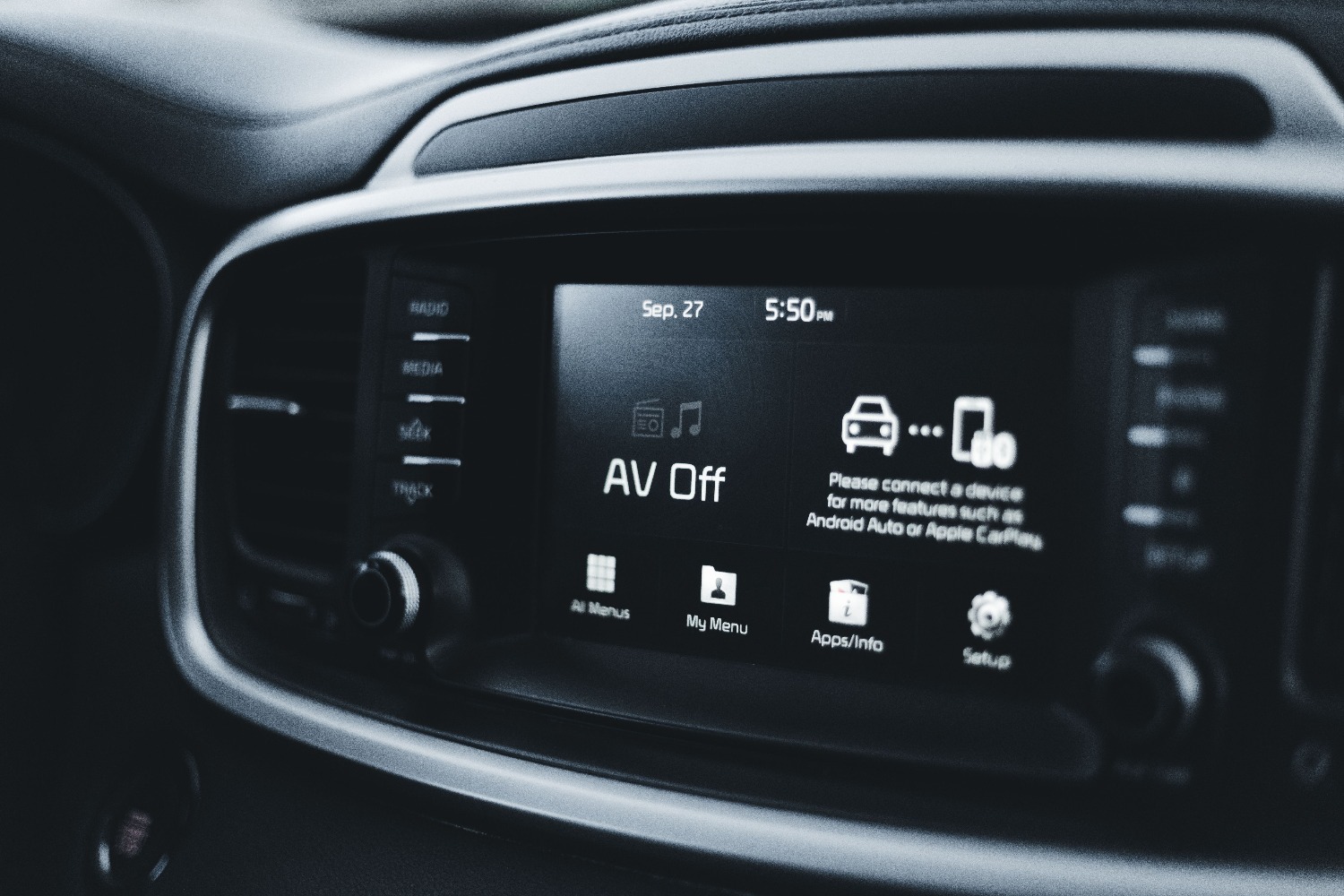
For all of this to work, the SDVs are organized into a complex but efficient structure. First, there is the hardware platform , which includes SoC (system-on-chip) processors, LiDAR sensors, radars, and actuators. On top of this sits the software platform, divided into three levels:
- Operating system: The lowest layer that manages memory, cybersecurity, and port access.
- Middleware or virtualization: The translator that allows applications to communicate with the hardware without depending on the chip brand.
- Application layer: Where the logic of functions like braking or traction resides, being completely independent of the physical components.
In this ecosystem, standards like AUTOSAR are fundamental for different vendors to collaborate. While Classic AUTOSAR handles critical security functions, Adaptive AUTOSAR allows for the management of dynamic environments like 5G. Additionally, languages like Rust are being integrated for their secure memory management, and systems like FreeRTOS and SafeRTOS are being implemented for tasks requiring immediate response times.
Real advantages for the driver and the manufacturer
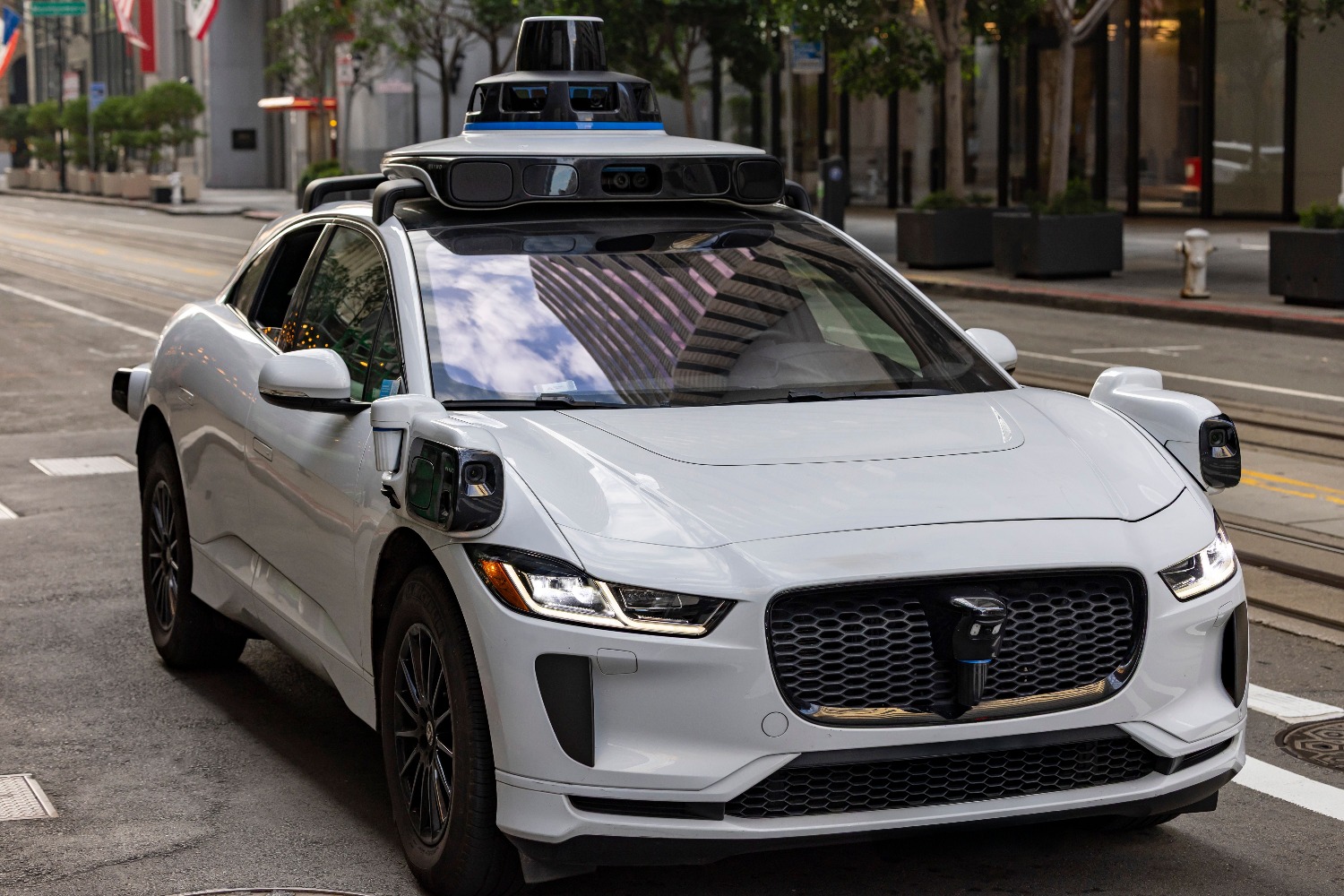
The most obvious benefit is active safety . ADAS (Advanced Driver Assistance Systems) become much more powerful by centralizing data from cameras and sensors. Functions such as automatic emergency braking or adaptive cruise control are no longer static; their perception algorithms are constantly optimized via the cloud.
From an operational standpoint, the car becomes much more efficient. Thanks to predictive diagnostics , the vehicle can warn of a fault before it occurs, preventing you from being stranded on the road. Furthermore, the user experience is significantly enhanced thanks to advanced V2X connectivity , which allows the car to communicate with urban infrastructure and other vehicles in real time.
The big leap for suppliers and the business
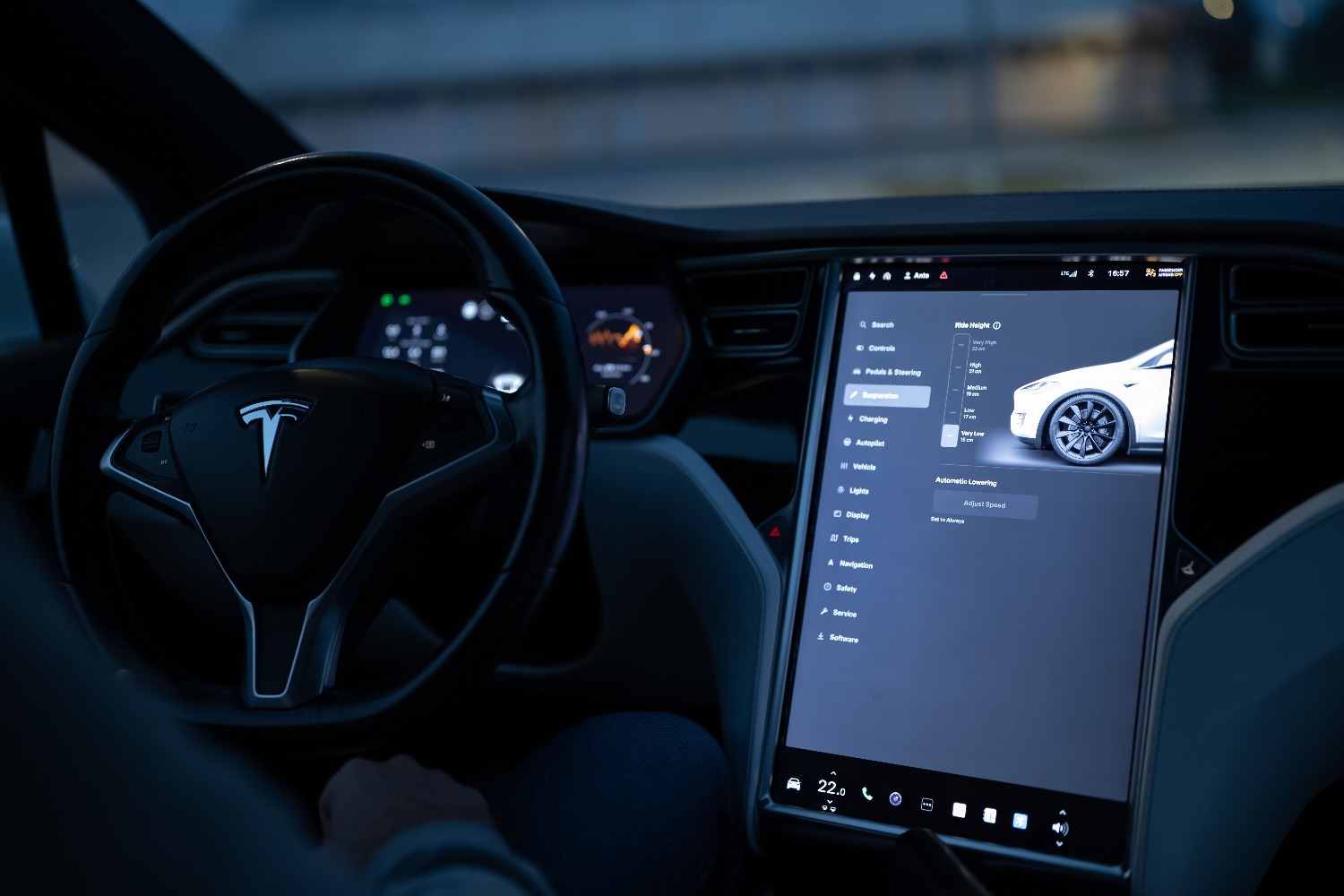
This is where things get interesting. Parts suppliers are moving beyond simply manufacturing metal and plastic to becoming technology companies . The business model is shifting towards Software-as-a-Service (SaaS) , where the value lies not in selling the part once, but in offering continuous improvements.
This introduces post-sales monetization . Customers could pay a subscription to activate heated seats in winter or boost engine power for long journeys. However, this is no small feat, as it requires companies to invest millions in R&D and shift from a traditional mechanical culture to an agile development mindset.
The obstacles and challenges along the way
It's not all sunshine and roses. Transitioning from a mechanical to a digital architecture is a technical headache. Many executives admit that separating hardware from software is extremely complex. Added to this is the talent shortage , as the automotive industry now competes with Big Tech to recruit top AI and cybersecurity engineers.
There are also significant risks. Being constantly connected makes the car vulnerable to cyberattacks that could compromise data privacy or even vehicle control. Furthermore, there is a risk of consumer backlash if they feel that basic functions are being replaced with monthly subscription options. Finally, homologation and regulations (such as UNECE R156) require that each update be traceable and secure to avoid compromising road safety.
The transition to software-defined vehicles implies a complete redesign of the industry, where the ability to process data and update systems in real time determines who will survive in the market. This advancement not only optimizes driving and safety through AI, but also transforms the car into an evolving service, even as it forces manufacturers to overcome critical challenges in cybersecurity, technical expertise, and new legal regulations.
FAQ
What exactly is a software-defined vehicle?
It is a car whose functionality and main value depend on the software, allowing its capabilities and performance to be updated remotely without the need to modify the physical parts.
How do OTA updates work in cars?
These are wireless downloads via 4G or 5G networks that allow security patches or new features to be installed directly in the vehicle, similar to how a smartphone is updated.
What is the difference between the architecture of an SDV and a traditional car?
Traditional cars use multiple independent electronic modules for each function, while SDVs use a centralized architecture with high-performance computers.
What safety risks do SDV vehicles present?
Being permanently connected makes them more vulnerable to cyberattacks that could affect data privacy or control of critical car systems.
What does post-sale monetization in SDVs consist of?
It is a business model where the user can pay for subscriptions or one-time purchases to unlock power upgrades or comfort features after having purchased the vehicle.
What is AUTOSAR and what is its purpose in SDVs?
It is an open architectural standard that allows software and hardware from different vendors to be compatible and interoperate efficiently.
How do SDVs affect ADAS systems?
They allow driver assistance systems to process information from sensors and cameras more quickly and in a more coordinated way, improving their algorithms through constant updates.
