- Open access to models and data allows SMEs and non-technical profiles to develop competitive AI solutions.
- Diversifying technology creators is essential to mitigating algorithmic biases and improving social equity.
- The deployment of generative AI acts as a catalyst to increase productivity and creativity in the workplace.

When we talk about democratizing artificial intelligence, we're not referring to a voting system, but rather to opening the doors of development so that it's not an exclusive club for a select few. Essentially, it's about ensuring that the ability to create and utilize these tools isn't confined to the servers of large tech companies, but rather reaches anyone with a good idea, regardless of their programming skills, even allowing the use of artificial intelligence without creating an account to eliminate barriers to access.
This move is crucial because if we allow only a few to steer the ship, we risk creating an insurmountable digital divide . By making technology readily available, we enable innovation to flourish from unexpected corners, making AI an engine of inclusive progress and not a tool of control for a privileged few.

What does it really mean to democratize AI?

The concept has several layers. On one hand, there's the technical aspect: giving researchers and data scientists affordable or free computing resources, eliminating the economic barrier that only Big Tech companies can currently overcome effortlessly. But there's a deeper layer: the inclusion of non-technical users . This involves creating interfaces and tools that allow someone without knowledge of complex algorithms to design their own AI applications.
This phenomenon is very similar to what happened with the democratization of data in companies, where any employee, regardless of their background, can now use data science to make evidence-based decisions, not just relying on intuition. Essentially, it's a shift from a model of "experts locked in an ivory tower" to a model of open and participatory co-creation.
The crucial role of open data and open source
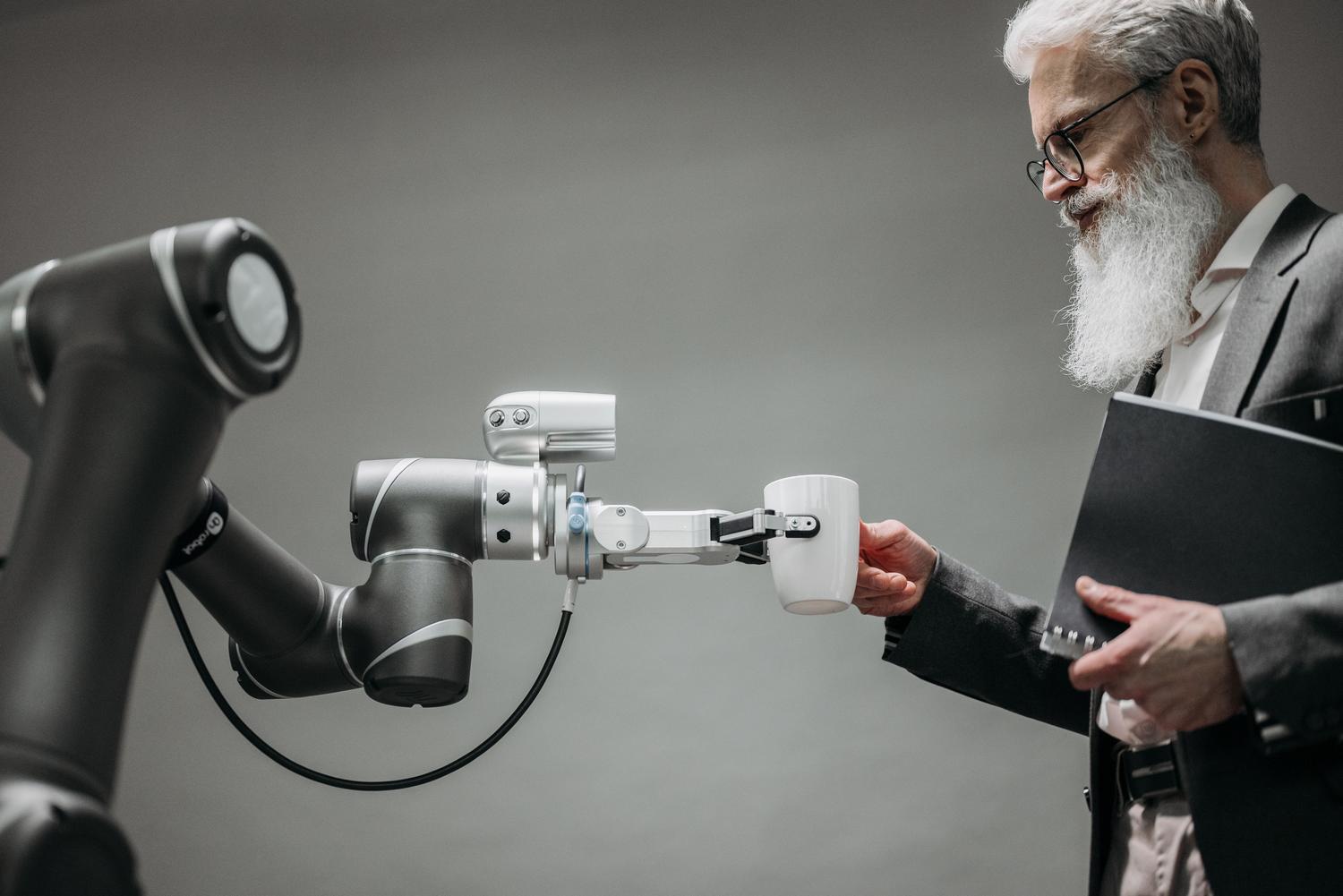
For AI to be accessible, it needs fuel, and that fuel is data. This is where Open Data initiatives come in , such as those promoted by the European Union with portals like data.europa.eu. When data is public, organizations can build innovative solutions without having to invest millions in collecting information from scratch, which boosts the digital economy and ensures that the benefits of technology are distributed more fairly.

A prime example is the AI4EU project, which creates a collaborative ecosystem to improve everything from medical diagnostics to smart manufacturing. Added to this is the rise of open-source models , such as Meta's Llama or Google's Gemma. These tools allow any developer to customize AI to their needs, fostering a culture of rapid experimentation that doesn't depend on expensive proprietary licenses.
Impact on the world of work and generative AI

Generative AI has been the true catalyst for this revolution. By enabling simple interaction through natural language, it has made the technology extremely user-friendly . There's no longer a need to write complex code; you simply need to know how to ask for things. This is transforming entire sectors: in the legal field, enormous volumes of documents are processed in seconds, and in healthcare, diagnoses are optimized, provided that AI acts as a support for the doctor and not as a replacement.
- Personal assistance: Agenda management and fast text writing.
- Personalized education: Simplifying difficult concepts for the student.
- Automated support: Immediate answers to frequently asked questions in companies.
- Productivity increase: Eliminating repetitive tasks to focus on creativity.
Many fear this will mean the end of their jobs, but the more optimistic view suggests that, as in the Industrial Revolution, we are simply raising the level of abstraction . By delegating routine tasks to machines, humans can focus on more strategic and human-centered endeavors, achieving increased knowledge that enhances professional capabilities.
Ethics, biases and the fight against monopolies

One of the most critical issues is combating AI bias. When technology is consistently developed by the same demographic groups, social prejudices seep into the algorithms, disadvantaging underrepresented groups. By democratizing development, we incorporate diverse perspectives that help create fairer and more equitable systems. It's a matter of social survival to prevent technology from perpetuating discrimination.
Furthermore, opening up the market prevents it from becoming an oligopoly. If SMEs have access to powerful tools, they can compete on equal footing with giant corporations. This not only boosts the economy but also makes ethics a central issue, since widespread use of AI entails much more rigorous collective oversight.
Challenges and risks along the way
It's not all rosy. The complete opening of data clashes head-on with the right to privacy. While Europe has the GDPR, other countries have fragmented legislation, which complicates the creation of a global regulatory standard . For Open Data to work, there must be a real guarantee that privacy is not sold to the highest bidder; data is the fuel, but it cannot trample on individual freedom and requires proper management of data security posture.
On the other hand, the popularization of these tools carries tangible risks, such as an increase in more sophisticated cyberattacks or the use of AI to generate disinformation and illicit acts. It's a delicate balance between wanting everyone to have access to knowledge and preventing that access from being used to open doors that should be closed , especially in the face of cybersecurity risks in the digital age.
The shift towards accessible artificial intelligence is transforming the very fabric of society, ensuring that creativity and efficiency are no longer dependent on the size of a company's budget. By integrating open data, collaborative models, and an ethical vision that combats bias, a future is being built where the ability to innovate is a right, not a privilege, enabling technology to truly work to improve the quality of life for everyone.