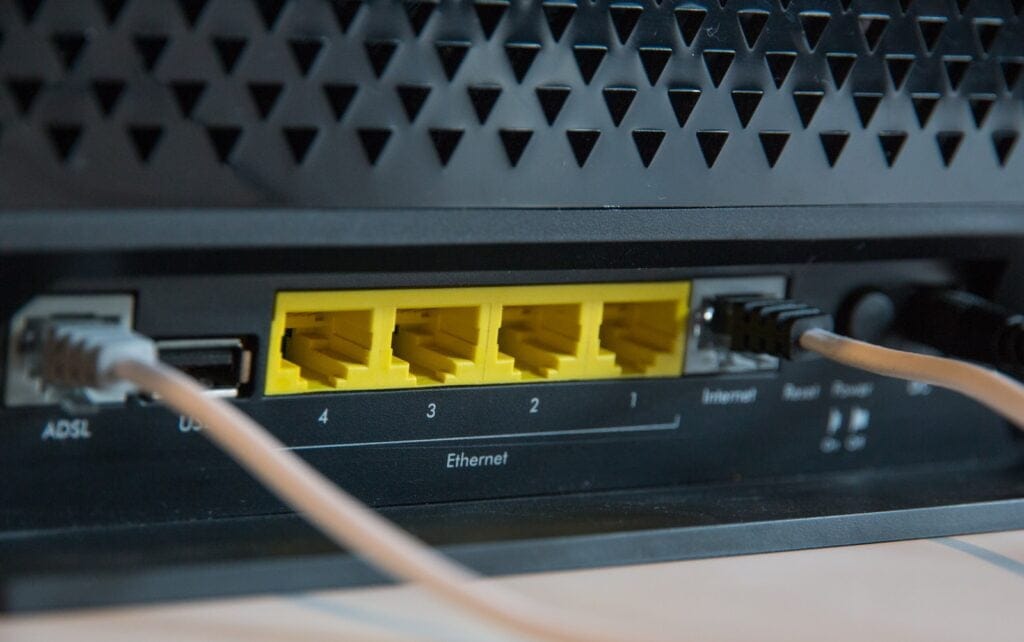
Nowadays, internet access has become a fundamental part of our lives. Whether for work, study, or entertainment, having a stable and fast connection is essential. And to achieve this, one of the key elements in computer network components It's the modem. In this article, we'll explore the different types of modems and their main features. From traditional modems to the latest wireless technologies, we'll discover how they work, their advantages, and what to consider when choosing the right one for our needs.
Types of modems and their main features
Below, we'll take a closer look at various types of modems and their key features. From classic dial-up modems to modern wireless modems, we'll learn the key differences between them and how they fit into different situations.
Dial-Up Modems
Dial-up modems were one of the first types of modems used to access the Internet. They used the telephone line to establish a connection through dial tones. Although they are less common today due to their limited speed, they are still used in rural areas or in cases where there is no access to more advanced technologies.
Main features of dial-up modems:
- Limited connection speed.
- They require an active telephone line.
- Connection not always stable.
- Not suitable for bandwidth-intensive activities such as streaming HD video.
Despite their limitations, dial-up modems are still a viable option in certain scenarios. For example, they can be useful as a backup in case the primary connection fails or as a temporary solution while waiting for a broadband connection to be installed.
DSL Modems
DSL (Digital Subscriber Line) modems are widely used for broadband internet connections. They work by using the existing telephone line to transmit data over frequencies that do not interfere with telephone calls. This allows for faster and more stable internet connections than with dial-up modems.
Main features of DSL modems:
- Faster connection speeds than dial-up modems.
- They use the existing telephone line.
- Stable and constant connection.
- They allow you to make and receive phone calls while connected to the Internet.
DSL modems are a popular choice for homes and small businesses that don't require large amounts of data. However, if a high-speed connection is needed for activities such as 4K video streaming or online gaming, more advanced technology may be required.
Cable modems
Cable modems are another common option for accessing broadband internet. They use the coaxial cable infrastructure of cable TV companies to transmit data. This allows them to offer faster connection speeds than DSL modems.
Main features of cable modems:
- Faster connection speeds than DSL modems.
- They use the coaxial cable infrastructure of cable television companies.
- Stable and constant connection.
- Possibility of offering television and telephone services through the same connection.
Cable modems are ideal for those who want a fast and stable connection, especially if a large amount of data upload and download capacity is required. However, it is important to note that connection speed can be affected by the number of users sharing the same network segment.
Fiber optic modems
The modems of optical fiber are one of the most advanced and fastest options available today. They use high-speed cables optical fiber to transmit data via pulses of light. This technology enables extremely fast connection speeds and high data upload and download capacity.
Main features of fiber optic modems:
- Ultra-fast connection speeds.
- They use fiber optic cables.
- Extremely stable connection.
- High data upload and download capacity.
Fiber optic modems are ideal for those who require a high-speed connection for bandwidth-intensive activities such as streaming 4K video, conducting high-quality video conferencing, or downloading large files. However, it is important to note that not all areas have the infrastructure necessary to support this technology.
Wireless Modems
Wireless modems, also known as routers, allow you to connect to the Internet without cables. They use technologies such as Wi-Fi or Bluetooth to transmit data wirelessly to connected devices.
Main features of wireless modems:
- Wireless connection.
- They allow the connection of multiple devices at the same time.
- Variety of configuration and security options.
- Limited scope depending on the standard used.
Wireless modems are widely used in homes and public spaces to provide internet access to multiple devices. They are especially useful for mobile devices such as smartphones and tablets. However, it is important to note that signal range can be affected by physical obstacles and distance from the modem.
Frequently Asked Questions (FAQs)
- Which modem is best for me?
Choosing the right modem depends on your specific needs. If you only require a basic connection for web browsing and email, a DSL or cable modem may be sufficient. If you need faster speeds for activities such as streaming HD video or online gaming, you may want to consider a fiber optic modem. On the other hand, if you value the mobility and convenience of a wireless connection, a wireless modem is the ideal choice.
2. What should I consider when choosing a modem?
When choosing a modem, it is important to consider factors such as connection speed, stability, availability in your area, data upload and download capacity, as well as budget. In addition, you should check the modem's compatibility with your Internet Service Provider (ISP) and make sure it meets the necessary security standards.
3. Can I use different types of modems in my home?
Yes, it is possible to use different types of modems in your home. For example, you can have a fiber optic modem for a high-speed connection in your home office, while using a wireless modem to provide internet access to other devices in different rooms. This allows you to take advantage of different technologies depending on your specific needs.
4. What is the right connection speed for me?
The right connection speed depends on the type of activities you plan to use the internet for. If you only need to browse websites and check emails, a connection speed of 10 to 25 Mbps may be sufficient. However, if you plan to stream HD videos, play online games, or download large files, it's advisable to opt for faster speeds, such as 100 Mbps or higher.
5. What advantages does a wireless modem offer?
A wireless modem offers several advantages. First, it provides the convenience of a cable-free connection, allowing you to use mobile devices anywhere within range of the signal. Additionally, wireless modems allow multiple devices to be connected at once, which is ideal for multi-user households or public spaces with high connection demand.
6. Can I use a wireless modem with a device that doesn't have Wi-Fi?
Yes, it is possible to use a wireless modem with a device that does not have Wi-Fi. To do so, you can connect the device to the modem using an Ethernet cable. This allows you to take advantage of the modem's Internet connection even on devices that do not support Wi-Fi.
7. Can I change my modem in the future if my needs change?
Yes, it is usually possible to change your modem in the future if your needs change. However, it is important to check with your Internet Service Provider (ISP) for available options and any additional costs associated with changing your modem. Some ISPs may require you to return your old modem or may charge a fee for the new modem.
Conclusion
In short, different types of modems offer different features and benefits, and it's important to choose the right one based on your specific needs. Whether you opt for a dial-up modem as a backup, a DSL or cable modem for a stable broadband connection, a fiber optic modem for ultra-fast speeds, or a wireless modem for convenience and mobility, be sure to consider factors like speed, stability, and compatibility with your internet service provider. With the right choice, you can enjoy a fast and reliable internet connection that meets all of your digital needs.