- Social networking began with bulletin board systems in the 70s, laying the groundwork for online communication.
- Friendster and MySpace were pioneers before the rise of Facebook in 2004.
- Twitter and Instagram revolutionized social interaction and visual content.
- The future of social media will include virtual reality, privacy, and social commerce.
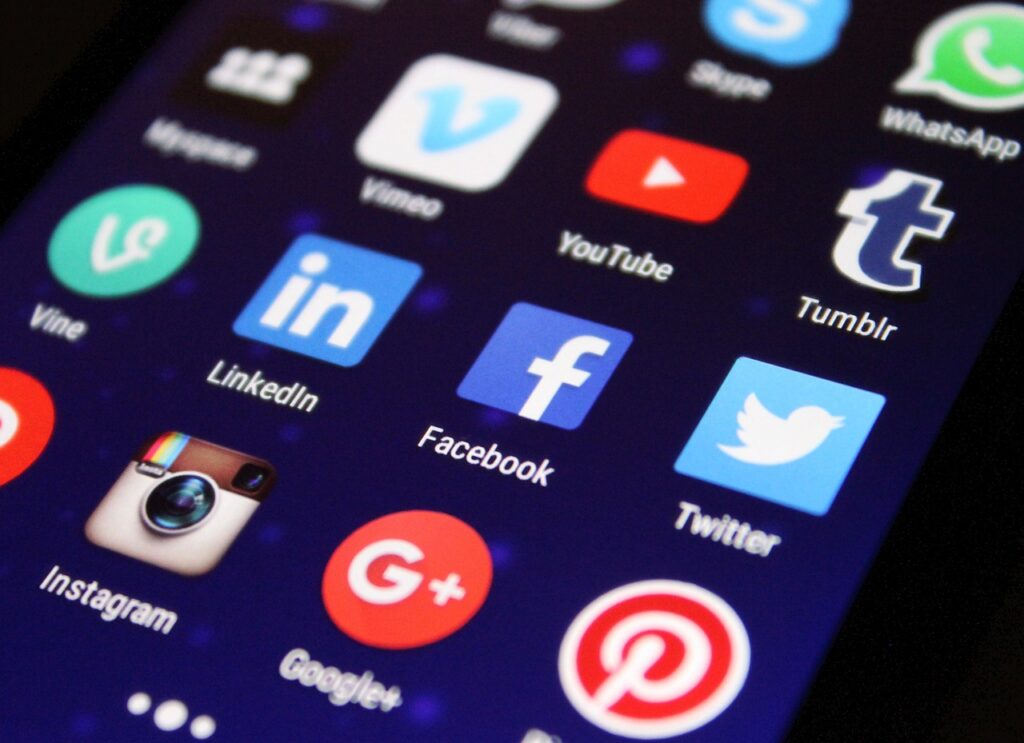
In the digital age we live in, social media has become a fundamental part of our lives. But when were social media created? Have you ever stopped to think about its origins? This article will take you on a fascinating journey through the history of the platforms that have transformed the way we communicate, share information and relate to the world.
To understand when social networks were created, we must go back several decades. Although the concept of " social network " as we know it today is relatively recent, its roots go back to the dawn of the internet.
Getting started: BBS and online forums
In the 1970s, long before the Internet was accessible to the general public, the first bulletin board systems (BBS) emerged. These systems allowed users to connect to a central server to exchange messages and files.
One of the first notable examples was CBBS (Computerized Bulletin Board System), created in 1978 by Ward Christensen and Randy Suess. Although primitive compared to today's social networks, CBBS laid the groundwork for online communication between multiple users.
As the Internet became popular in the 90s, online forums became virtual spaces where people could discuss specific topics. Platforms such as Usenet (created in 1979) and AOL forums gained great popularity, allowing users to interact around common interests. Let's continue to discover when social networks were created.
The era of instant messengers
The next step in the evolution towards modern social networking was the emergence of instant messengers. In 1997, AOL launched AOL Instant Messenger (AIM), which revolutionized real-time communication over the Internet. Shortly after, in 1999, came Microsoft's MSN Messenger, which would become one of the most popular messaging services during the first decade of the 2000s.
These programs not only allowed for real-time text messaging, but also introduced concepts such as friend lists and online statuses, elements that would later become fundamental to social networks.
At the beginning of the new millennium, we began to see the emergence of platforms that more closely resemble what we know today as social media. Let’s find out when social media was created.
Friendster: The pioneer who paved the way
Launched in 2002, Friendster was one of the first social networks to gain mass popularity. It allowed users to create profiles, connect with friends, and share content. Although its success was relatively short-lived, Friendster paved the way for the platforms that would follow.
MySpace, founded in 2003, took the concept of social networking to a new level. It offered users the ability to fully customize their profiles, share music, and connect with artists. For several years, MySpace was the most popular social network in the world, especially among young people and the music community.
Facebook: The giant that changed the game
In 2004, Mark Zuckerberg launched Facebook from his dorm room at Harvard. Initially limited to college students, Facebook opened to the general public in 2006 and quickly became the dominant social network worldwide. Its clean interface, ever-evolving features, and global expansion strategy revolutionized the social media landscape.
With the success of Facebook, the world of social media began to diversify, with new platforms focused on specific niches or innovative ways of sharing content. If you want to delve deeper into how these platforms have changed communication, I recommend checking out " Social Networks and Their Impact ."
Twitter: The microblogging revolution
Launched in 2006, Twitter introduced the concept of microblogging, allowing users to share short messages (initially limited to 140 characters). Its unique format made it an ideal platform for real-time news, commentary on live events, and direct communication between celebrities and their followers.
Instagram: The rise of the visual
In 2010, Instagram came along to change the way we share images online. With its photo filters and focus on visual content, Instagram quickly captured the attention of millions of users, especially among younger users. Its acquisition by Facebook in 2012 for $1.000 billion demonstrated the power and potential of image-centric social media.
LinkedIn: Connecting professionals around the world
Although LinkedIn was launched in 2003, its growth and relevance increased significantly in the following decade. Focused on professional networking, LinkedIn has become the go-to platform for job searching, career development, and business connections.
Social media has transformed virtually every aspect of our daily lives. It has revolutionized the way we communicate, consume news, conduct business, and even how we relate romantically.
From political activism and digital marketing to online education and entertainment, social media has created new opportunities and challenges. It has given a voice to social movements, enabled small businesses to reach global audiences, and redefined concepts like privacy and identity in the digital age. To better understand why social media is such a powerful tool, review what social media is used for.
However, this impact is not without controversy. Concerns about social media addiction, the spread of misinformation and the misuse of personal data have led to an ongoing debate about how to balance the benefits of these platforms with the need to protect users and society at large.
Social media is primarily used to facilitate connection, communication, and information sharing between individuals, groups, and even organizations. Below is a look at what social media is currently used for.
- Communication: They allow instant, two-way communication between individuals and groups through direct messages, comments, posts, etc. This makes it easy to stay in touch with friends, family, and colleagues, regardless of distance.
- Social interaction: Social networks provide platforms for social interaction, sharing common interests and participating in virtual communities. This may include discussion groups, topic-based forums, events and pages of specific interest.
- Entertainment: Many people use social media as a source of entertainment, accessing multimedia content such as videos, images, memes and games.
- education and learning: Social media is increasingly being used as an educational tool. Educators use it to interact with students, share educational resources, and foster collaborative learning.
- Promotion and marketing: Companies and brands use social media to promote their products and services, reach their target audiences, and increase their visibility and brand recognition.
- Information and news: Social media act as platforms for the rapid dissemination of information and news, allowing users to stay up to date on current events and relevant trends.
- Professional networking: They are useful for establishing and maintaining professional contacts, searching for job opportunities, participating in industry discussions and building a professional reputation.
- Activism and social change:Social media have become powerful tools for social and political activism, allowing users to share their opinions, organize protests, and raise awareness about social and environmental issues.
We have discovered when social media was created. As we move forward, the social media landscape continues to evolve. Some trends and predictions for the future include:
- Virtual and augmented reality: Platforms like Facebook (now Meta) are betting heavily on creating immersive social experiences in virtual environments.
- Privacy and data control: We are likely to see a greater emphasis on protecting user privacy and giving people more control over their data.
- Ephemeral contentThe success of formats like “stories” suggests that temporary content will continue to gain popularity.
- Artificial intelligence: AI will play an increasingly important role in content personalization and platform moderation.
- Social commerce:The integration of direct purchasing features into social networks will likely expand.

What was the first modern social network?
While it is difficult to single out a single platform as the “first” modern social network, Friendster, launched in 2002, is often regarded as one of the pioneers that established many of the key concepts of today’s social networks.
When was Facebook created?
Facebook was created by Mark Zuckerberg and his college friends in February 2004. Initially limited to Harvard students, it quickly expanded to other universities before opening to the general public in 2006.
Which social network was most successful before Facebook?
MySpace was the dominant social network before the rise of Facebook. Launched in 2003, MySpace reached its peak of popularity around 2006-2007, being especially popular among musicians and their fans.
When was Twitter created?
Twitter was created in March 2006 by Jack Dorsey, Noah Glass, Biz Stone and Evan Williams. The platform was launched publicly in July of that year.
What is the oldest social network that is still active?
LinkedIn, launched in 2003, is one of the oldest social networks that remains widely used and relevant today.
How have social networks evolved since their creation?
Social media has evolved from simple platforms for connecting friends to complex ecosystems that integrate messaging, e-commerce, news, entertainment and much more. Technological evolution has allowed for greater interactivity, better quality content and more personalized experiences.

The journey from early BBS to today's sophisticated social platforms is a testament to the rapid evolution of technology and our innate desire to connect and share. Understanding when social media was created helps us appreciate not only how far we've come, but also imagine future possibilities.
Social media has fundamentally transformed the way we communicate, inform ourselves and engage with the world around us. As these platforms continue to evolve, it is crucial that as a society we reflect on their impact and work to shape a digital future that is inclusive, ethical and beneficial for all.
