- Rapid equipment restoration after failures to minimize downtime and maintain production.
- Extends the useful life of machinery through timely repairs that prevent major damage and premature obsolescence.
- Improves operational performance by restoring optimal conditions, reducing defects and increasing production efficiency.
- Complementing it with monitoring, data analysis, and preventive maintenance optimizes costs and reduces occupational risks.
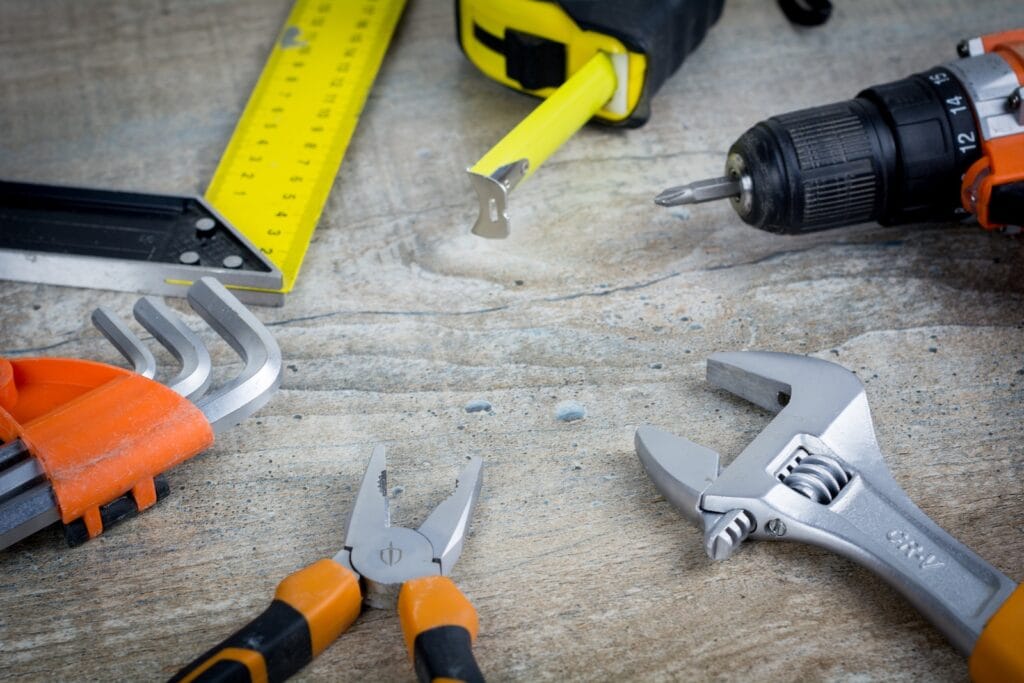
Corrective maintenance in industry is a fundamental strategy for ensuring the proper functioning of equipment and machinery used in production processes. It consists of carrying out repair and corrective actions once a failure or breakdown has occurred. The main objective of this type of maintenance is to restore the affected equipment to its original operating condition, thus minimizing downtime and ensuring the continuity of production.
In industry, equipment and machinery are often exposed to extreme working conditions, heavy loads, high temperatures, and corrosive environments, which can lead to accelerated wear and tear and failures. Therefore, it is crucial to have an effective corrective maintenance plan that allows for the rapid identification and resolution of problems before they become serious breakdowns.
The benefits of corrective maintenance in the industry

1. Reduced downtime
Corrective maintenance allows for rapid intervention when a failure occurs, helping to reduce equipment downtime. By addressing problems promptly, production interruptions are minimized and productivity losses are avoided, while also contributing to the optimization of industrial processes.
2. Extending the useful life of the equipment
By immediately repairing and correcting faults, corrective maintenance helps to prolong the useful life of equipment in the industry. By solving problems in time, they are prevented from developing into major damage that could lead to premature obsolescence of the equipment.
3. Performance optimization
Corrective maintenance ensures that equipment operates at peak performance once faults have been resolved. By restoring optimal operation, it ensures the efficiency of production processes and minimizes errors or defects in production through integration with industrial automation.
4. Cost savings
While corrective maintenance involves repairs and corrections, it can be more cost-effective compared to other types of maintenance. Instead of performing costly preventive interventions on equipment that has not yet shown signs of failure, corrective maintenance focuses on the real problems and acts efficiently to resolve them.
Key strategies for implementing corrective maintenance in the industry
Implementing an effective corrective maintenance plan in industry requires a well-defined strategy and the application of best practices. Here are some key strategies to ensure the success of your corrective maintenance program:
1. Constant monitoring of the status of the equipment
It is essential to constantly monitor the condition of equipment to identify any early signs of failure. This may include the use of advanced monitoring technologies, such as sensors, digital twins , and diagnostic systems, which allow for the detection of anomalies and the prediction of potential problems.
2. Planning corrective interventions
Proper planning of corrective interventions is essential to minimize downtime and ensure efficient repairs. This involves having a trained maintenance team ready to act quickly and effectively when a breakdown occurs, as well as having systems like PLCs that facilitate control and diagnostics.
3. Data recording and analysis
Maintaining a detailed record of failures and breakdowns, as well as corrective maintenance actions performed, provides valuable information for analysis and decision-making using cloud solutions . Analyzing this data can reveal recurring failure patterns, identify equipment prone to problems, and guide the implementation of additional preventative measures.
4. Establishment of preventive maintenance plans
Although corrective maintenance is reactive in nature, it's important to complement it with a preventive maintenance plan. Preventive maintenance involves performing regular maintenance tasks to prevent failures from occurring. By combining both approaches, a balance is achieved between correcting and preventing problems, supported by industrial robotic automation where applicable.
Frequently asked questions about corrective maintenance in the industry
1. What is the difference between corrective maintenance and preventive maintenance?
Corrective maintenance is carried out after a failure or breakdown has occurred in a piece of equipment, with the aim of restoring it to its original operating state. Preventive maintenance, on the other hand, is carried out periodically before failures occur, with the aim of preventing their occurrence. Both types of maintenance are complementary and form part of an overall maintenance management strategy.
2. When is it appropriate to use corrective maintenance in industry?
Corrective maintenance is used when unexpected failures occur in industrial equipment. It is appropriate when preventive interventions have failed to prevent problems from occurring or when the cost of preventive actions outweighs the expected benefits. However, it is important to note that corrective maintenance should not be the only maintenance strategy, as it can be costly and cause interruptions in production.
3. What risks can corrective maintenance entail?
Corrective maintenance can involve certain risks, especially if it is not implemented properly. Some of the potential risks include increased downtime, high repair costs, production delays and possible workplace accidents. To mitigate these risks, it is essential to have a well-structured corrective maintenance plan and to carry out interventions safely and efficiently.
4. What is the relationship between corrective maintenance and equipment reliability?
Corrective maintenance has a direct impact on equipment reliability in industry. If corrective maintenance is neglected, failures and breakdowns can occur more frequently, affecting equipment reliability and potentially leading to decreased product quality, increased production costs, and loss of customers. Therefore, implementing an effective corrective maintenance program is crucial to ensuring equipment reliability and operational success.
5. What is the role of technology in corrective maintenance?
Technology plays a key role in corrective maintenance in industry. Advanced diagnostic tools and equipment enable early detection of faults, facilitating quick and accurate intervention. In addition, computerized maintenance management systems (CMMS) help to keep track of corrective maintenance activities, as well as to schedule and plan interventions. Technology has also facilitated the implementation of predictive techniques, such as real-time monitoring and data analysis, which enable failures to be predicted and preventive actions to be taken.
Conclusions
Corrective maintenance in industry is an essential strategy to ensure optimal equipment performance and prolong its useful life. By quickly addressing faults and breakdowns, downtime is reduced and production is optimized. In addition, implementing a balanced approach to corrective and preventive maintenance allows risks and associated costs to be minimized.
To carry out effective corrective maintenance, it is important to constantly monitor the condition of equipment, plan interventions, record and analyze data, and combine this with appropriate preventive maintenance. The use of advanced technology , such as sensors and diagnostic systems, plays a key role in the early detection of faults and data-driven decision-making.
In conclusion, corrective maintenance in industry is a fundamental component of maintenance management that helps ensure the reliability, efficiency and profitability of production processes. By implementing the right best practices and strategies, companies can optimize their performance and extend the life of their equipment, thus ensuring their long-term success.