- Domain: Your site's unique and readable address (name + extension), translates IP addresses so users can access it.
- Hosting: a service that stores files and data on servers, offering security, speed, and availability for the site to function.
- Domains and hosting work together via DNS; you can contract them separately; types of hosting: shared, VPS, cloud, dedicated and managed.

Have you ever encountered terms like hosting and domain when trying to create a website and been unsure what they meant? That's perfectly normal, as they are technical concepts that aren't always easily explained. However, understanding them is key if you want a strong online presence , whether for a personal project or a business.
In this article, we'll delve into what hosting and domains are , how they work together, and the differences between them. We'll also explore the various types of hosting available and the specific features of each, so you can make informed decisions when creating your website.
What is a domain?
Simply put, a domain is the unique address that identifies your website on the internet. It's what users type into their browser to access your site. For example, in "www.google.com", the "google.com" part is the domain.
A domain is composed of two main parts:
- Name It is the word or combination of words that identifies your site (for example, "google").
- Extension: It is the ending that follows the name, such as .com, .org, .es, among others.
Instead of remembering long strings of numbers like IP addresses , domains act as user-friendly labels. In other words, they're the "postal address" of your website, making it easier for users to find it.
Types of domain extensions
There are different domain extensions adapted to various needs:
- Generic domains: Just like .com, .org o .netThey are suitable for almost any type of website.
- Geographic domains: Just like .es, .mx o .jp, indicate a geographic location specific.
- Thematic domains: Just like .Shop, .online o .business, are designed for specific sectors.
It's important to check the availability of the domain you want and register it through certified companies known as domain registrars . These companies manage and maintain domain name registrations globally.
What is a hosting?
Web hosting , also known as web hosting, is the service that stores all the files, data, and information of your website on a server connected to the internet. It's the "physical space" where your website is located and from where it's accessed by entering your domain name in a browser.
Hosting not only stores your website ; it also provides the necessary technical support for it to function properly, such as server maintenance, security, and loading speed.

Main features of hosting
- Storage: Allows you to save all site elements, such as images, videos, databases and HTML files.
- Safety: Provides protection against cyber attacks through SSL certificates, daily backups and firewalls.
- Speed: Optimized servers ensure fast loading times, improving user experience.
- Availability: Ensure your site is accessible 24/7.
How do domain and hosting work together?
The domain and hosting are two separate elements, but they work together to make your website accessible. The domain acts as the address, and the hosting as the place where the content is stored.
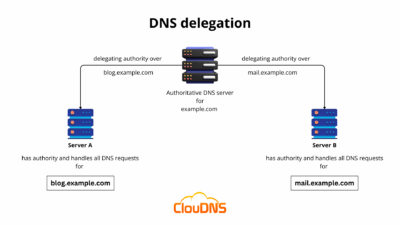
When someone types your domain into a browser, it connects to the server hosting your site through a process known as DNS (Domain Name System) . DNS translates the domain into the server's IP address, allowing the site's files and data to be loaded.
It's important to mention that you can register your domain and hosting with different providers, but doing so with just one makes managing both services easier.
Types of hosting
There are different types of hosting to cover various needs, depending on the size and traffic of the website :
- Shared Hosting: Affordable and easy to use, ideal for small sites and personal blogs.
- VPS Hosting: Offer greater control and flexibility in allocating dedicated resources on a shared server.
- Cloud Hosting: Uses multiple servers to ensure High availability and scalability.
- Dedicated hosting: A dedicated server for one site, suitable for large businesses.
- Managed Hosting: The provider takes care of technical maintenance so you can focus on your content.
Choosing the right hosting depends on the specific needs of your web project and your budget.
Choosing the right domain and hosting is crucial for the success of any website. While a domain makes your site easily accessible, hosting ensures it functions properly. With a solid combination of both, you can build a professional online presence that stands out on the internet.