- Progressive learning from basic MySQL concepts to advanced SQL Server administration.
- Practical approach based on real exercises, integrated editors and validations through exams.
- Access to ecosystems of global resources and official materials for cloud certifications.
- Ability to automate database tasks and optimize the handling of large volumes of information.

If you're thinking about making a career leap in the tech world, learning to manage data is simply the best investment you can make . It doesn't matter if you're a complete beginner or already have some programming experience; mastering structured query language opens the door to a wealth of job opportunities in sectors that are driving the world today.
Today's training doesn't just rely on boring theory; it focuses on real-world, practical experiences . From testimonials from students who have overcome their own challenges to access to massive digital libraries, the path to becoming a database expert is clearer than ever, allowing you to progress at your own pace and with the right resources.
Fundamentals and First Steps in SQL

For those who have no idea where to begin, the ideal starting point is to delve into the basics of relational systems . SQL is the universal standard for interacting with databases, and learning it from the ground up allows you to understand how data is structured and how it can be retrieved efficiently. Using popular tools like MySQL, students can discover more than 50 essential commands that are commonplace in professional software development.

The key here is not to rely solely on manuals. It's essential to have an integrated SQL editor within the lessons to test the code instantly. By completing hundreds of practical exercises and validation tests, the knowledge becomes ingrained, enabling anyone, even without prior experience, to manage and structure data professionally.
Specialization in SQL Server and Advanced Administration
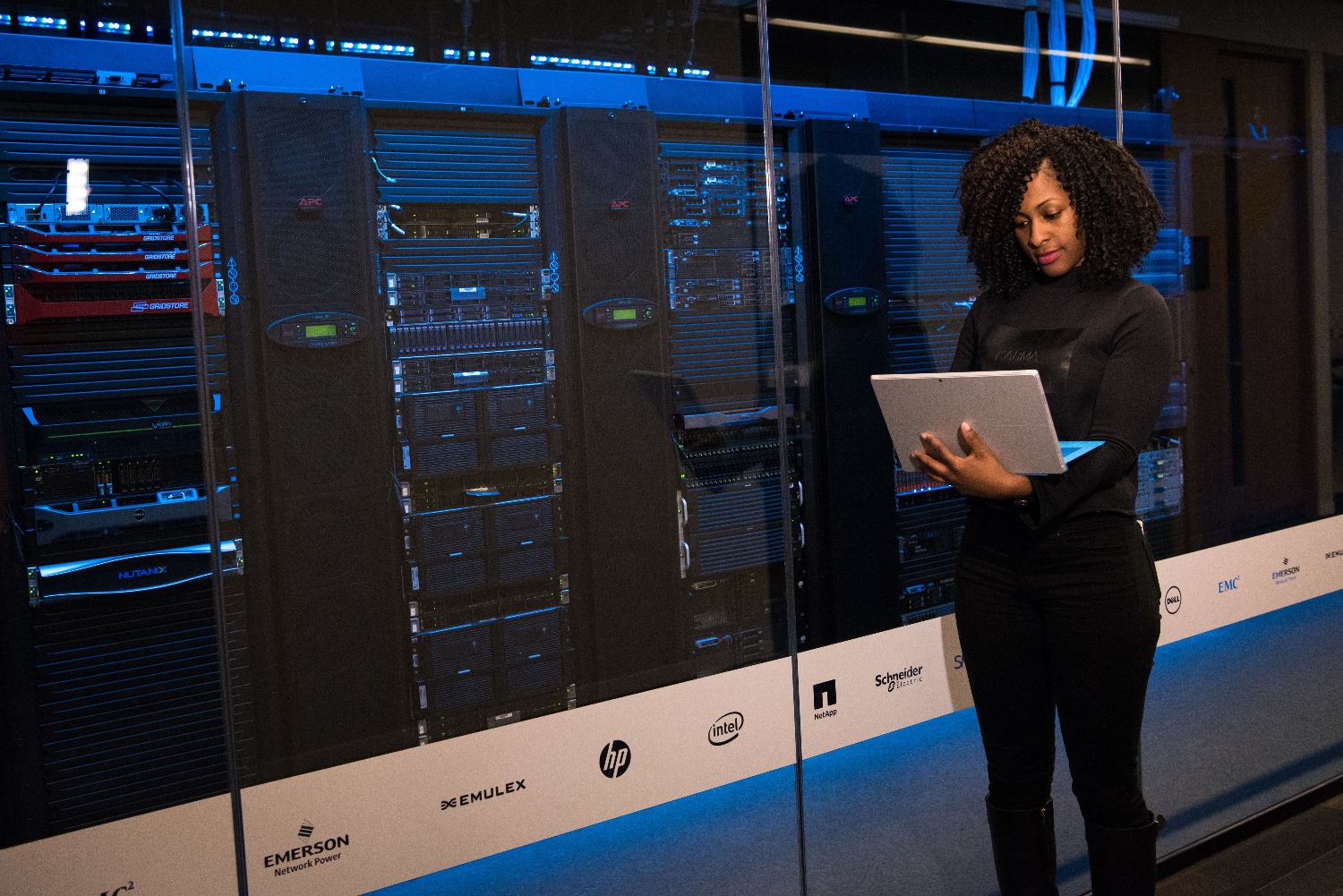
Once the initial stage is mastered, the next level involves mastering more robust environments, such as SQL Server. Here, the focus shifts to the administration, maintenance, and optimization of large-scale databases. It's not just about running queries, but about ensuring data security and system efficiency, even when handling massive data volumes.
- Architecture and components: Understanding how the database engine works in order to manage it effectively.
- Data manipulation: Design robust tables and master the insertion, updating, and deletion of records.
- Complex queries: Use JOINs, subqueries, and aggregation functions to extract valuable analysis.
- Automation: Create views, triggers, and stored procedures so the system can work on its own.
All this technical deployment has a clear objective: to provide storage solutions that facilitate business decision-making based on real data and not on intuition.
Additional Resources and Certifications

To take learning to the next level, it's vital to leverage broad knowledge ecosystems. Access to platforms like O'Reilly offers an impressive catalog of over 50.000 specialized resources . This includes everything from books and videos to practical case studies developed by experts from leading companies in today's technology sector.
In addition to SQL, it's highly recommended to explore related areas such as software architecture, web development, and cloud platforms . Studying official guides from giants like AWS, Google Cloud, Microsoft, and Oracle allows students not only to write code but also to implement it in real-world environments . Upon completion of these courses, obtaining a digital certificate is the logical next step to enhance your professional profile on networks like LinkedIn and attract the attention of recruiters.
The combination of comprehensive theoretical training, constant practice with real editors, and the support of official certification materials ensures that any student can transform their professional career and master the flow of data in any modern organization.
FAQ
Do I need prior knowledge to start an SQL course?
No prior experience is necessary, as there are training courses designed to teach the fundamental concepts of the language from scratch.
What is the difference between learning general SQL and SQL Server?
SQL is the standard language for relational databases, while SQL Server is a specific system that includes advanced management and optimization tools.
How can I verify that I have learned SQL correctly?
The best way is to complete courses that include exams, validation tests, and practical exercises with code editors.
What tools are typically used in these courses?
Popular systems such as MySQL and SQL Server are used, along with integrated SQL editors and resource platforms such as O'Reilly.
Is it possible to obtain an official certification upon completion?
Yes, many programs offer certificates in PDF format that can be shared professionally and provide guides for official certification exams.
What advanced functions are learned in database administration?
You will learn to create stored procedures, triggers, and views to automate processes and improve the operational efficiency of the system.
