- MASORANGE consolidates its position as a leading telecommunications company in Spain in terms of number of customers and network reach.
- The Spanish market is highly fragmented and regulated, with strong competition between large groups, MVNOs and regional operators.
- The most valuable and strongest brands globally remain Verizon, Deutsche Telekom, AT&T, China Mobile, and Etisalat.
- The sector faces pressure on revenue, ARPU and customer loyalty, betting on innovation, service quality and referral programs.
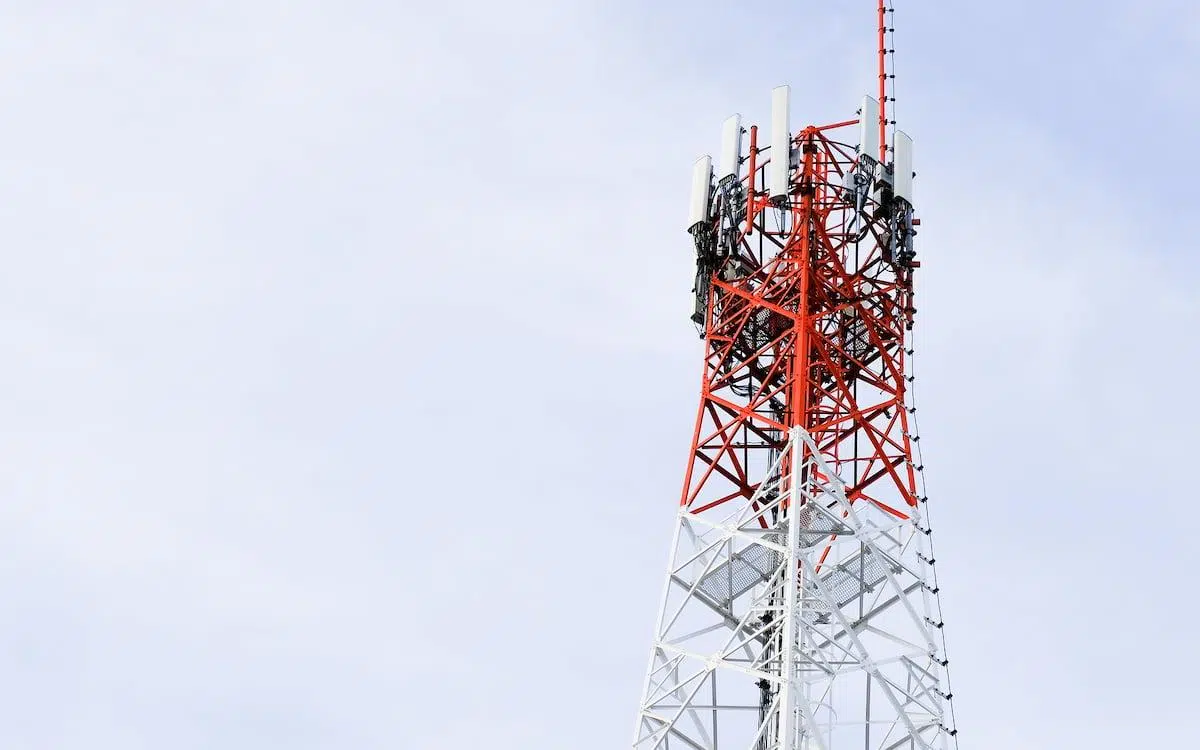
In recent years, the telecommunications sector has become a veritable battleground, a swarm of massive investments, price wars, increasingly stringent regulations, and a relentless technological race for 5G, fiber optics, and advanced digital services. Amidst this landscape, a crucial question arises: who can truly be considered the leading telecommunications company today , and what does it really mean to be a leader in such a rapidly evolving market?
Far from being just a matter of size, leadership in telecommunications combines market share, brand value, investment capacity, innovation, and customer satisfaction . Spain, Europe, and the rest of the world offer very different examples of how this leadership is built: from American giants like Verizon to European groups like Deutsche Telekom, passing through the new major Spanish player MASORANGE and the historical weight of Telefónica and Movistar.
The regulatory framework: what is a main operator and why does it matter
Before discussing leading companies, it's important to understand how "big" players are defined in this sector in Spain . Royal Decree-Law 6/2000, on Urgent Measures to Intensify Competition in Goods and Services Markets, mandated the establishment of a "list of main operators" in the fixed and mobile telephony markets , which the CNMC (National Commission for Markets and Competition) reviews periodically based on market share.
This official list effectively confirms a powerful duopoly between MASORANGE and Telefónica in both fixed and mobile lines , with the top four operators dominating both segments and a fifth player significantly behind in terms of market share. According to the latest data, the fifth mobile operator was Wewi (Finetwork) , whose market share will be integrated into Vodafone in upcoming reviews, strengthening its position. However, the regulator does not publish the sixth operator, making it impossible to know precisely who currently holds the fifth position in the mobile market.
This classification is not merely a statistical curiosity: it establishes concrete restrictions on the voting rights of major shareholders . The Royal Decree limits the political rights of those holding shares that, in aggregate, exceed 3% of the voting rights in more than one company that is a leading operator in the same market (fixed or mobile). Beyond this threshold, the excess votes cannot be exercised simultaneously in several leading companies within the same segment.
Furthermore, the regulation stipulates that no individual or legal entity may directly or indirectly appoint directors to more than one major operator within the same fixed or mobile telephony market. The legislator's objective is clear: to prevent a single financial or industrial actor from accumulating disproportionate power by controlling several major operators, thereby safeguarding a minimum level of competitive plurality in the telecom ecosystem.
MASORANGE: new leading company in the Spanish market

The merger of Orange Spain and the MASMOVIL Group has created MASORANGE, the leading telecommunications company in Spain by number of customers and one of the country's major corporate players in terms of revenue. This joint venture marks a turning point in the Spanish sector, creating a stronger, more sustainable operator with enormous investment capacity , capable of competing with Telefónica and other major European groups.
The new company launches with figures that speak for themselves: over 37 million lines across mobile and broadband (more than 30 million mobile services and 7,3 million fixed broadband connections), along with 2,3 million pay-TV subscribers . This translates into a market share exceeding 40% in both fixed and mobile, positioning MASORANGE as the leading operator in the Spanish market in terms of customer volume.
In terms of infrastructure, MASORANGE is the undisputed leader in fiber-to-the-home (FTTH) coverage in Spain , with over 29 million homes eligible for fiber optic service. It also boasts one of the best 4G coverages in the country (around 98% of the population) and 5G coverage that already exceeds 80% in more than 2.500 municipalities . The industrial plan aims to increase 5G coverage to over 90% of the population and add up to 6 million new premises with fiber optic connections in the coming years.
On the financial front, the new group ranks among the 20 largest companies in Spain by revenue , with over €7.400 billion in sales, EBITDA exceeding €2.600 billion, and a combined valuation above €18.600 billion. This size allows it to plan investments of around €4.000 billion over three years , primarily in 5G networks, further FTTH deployments, and new digital services.
MASORANGE maintains a highly aggressive multi-brand strategy , which was key to the growth of both groups before the merger. Nationally, it manages nine main brands (Orange, Yoigo, Jazztel, MASMOVIL, Simyo, Pepephone, Lebara, Lyca, and Llamaya) and five leading regional brands (Euskaltel, R, Telecable, Guuk, and Embou). This brand architecture allows it to cover the entire customer spectrum : residential, business, and public administrations, with more than 1.500 exclusive points of sale throughout the country.
MASORANGE's industrial plan rests on five operational pillars: revenue, integration, investment, innovation, and positive impact . On the one hand, it aims to grow its traditional telecom business and, in parallel, accelerate its non-telecom services (green energy, financial services, insurance, alarms, telemedicine, and others), where it already has over 2,1 million active services. On the other hand, it aspires to generate annual synergies of around €500 million, primarily by optimizing overlapping infrastructure , funds that will be reinvested in new networks and services.
In innovation, MASORANGE aims to be a technological leader in Spain and Europe , deploying technologies such as XGSPON, FTTR, WiFi 6E and WiFi 7, 5G Standalone and 5G network slicing, as well as strengthening its innovation center in Derio. The intensive use of data and artificial intelligence to improve customer experience and productivity is another strategic focus. In the ESG arena, the group has set ambitious goals: extending its B Corp certification , reinforcing its sustainability ratings, promoting social projects through the Orange and Euskaltel Foundations, and accelerating its Net-Zero Carbon objective by reducing its carbon footprint.
The major telephone operators in Spain: beyond the leader
MASORANGE's leading position in terms of customer numbers doesn't mean the rest of the market is insignificant. Spain is, in fact, one of the European countries with the most fragmented market : there are nearly 20 operators offering converged services (fixed and mobile) nationwide and around 50 additional local brands. Despite this fragmentation, a few players control the majority of the market share and investment.
Movistar, Telefónica's flagship brand, remains the most popular and well-known operator among Spanish consumers . Its long-standing leadership can be attributed to three factors: extensive network coverage, the largest fiber optic access network in Europe (with tens of millions of installed connections), and a comprehensive offering of fixed-line, mobile, internet, and pay television services. This is further bolstered by its significant investment in communication and advertising , which makes Movistar, Telefónica, and Vodafone the most visible brands in the country.
Vodafone Spain, a subsidiary of the British group, is another pillar of the Spanish market . Since acquiring Airtel in 2000, it has positioned itself as a direct competitor to Movistar in infrastructure and services, standing out for its pioneering role in the deployment of 4G and 5G networks and for its comprehensive offering of mobile, fixed broadband, and digital television . However, competitive pressure and price wars have strained its margins and led to strategic moves such as the future integration of Wewi/Finetwork and discussions surrounding potential mergers and divestments in other countries.
Orange, now part of MASORANGE, established itself for years as one of the most popular operators in Spain , supported by its membership in one of the world's largest telecommunications groups, with nearly 300 million customers. In addition to providing mobile and fixed lines, it developed a wide range of devices (mobile phones, tablets, smart TVs, connected devices) and a low-cost strategy through secondary brands such as Amena, although sometimes with less emphasis on value-added services.
Jazztel, now also under the Orange/MASORANGE umbrella, specializes in combining competitive rates with high-speed fiber optic internet and mobile and television services . Although it offers customer service 365 days a year, some users have noted limitations in quality and response times, reflecting the enormous challenge of maintaining an outstanding customer experience in this sector amidst a price war.
Yoigo, owned by the MASMOVIL Group (now part of MASORANGE), stands out for its value for money and its mobile, fiber optic, and television (Agile TV) offerings . MásMóvil, for its part, has been the most remarkable growth story in the Spanish market: since its founding in 2006, it has acquired and consolidated brands such as Yoigo, Pepephone, Euskaltel, Lycamobile, Lebara, Llamaya, Ahí+, Hits Mobile, and Oceans, closing 2021 with more than 14,3 million lines and a 26% increase in customers.
Within the group, Pepephone has earned a unique reputation: a low-cost model with a strong focus on transparency and customer service , committed to rectifying errors even without the user's request. It offers good coverage by relying on third-party networks (Movistar, Orange, Yoigo, MásMóvil), although this very dependence on external infrastructure can lead to service variations depending on the area.
Among MVNOs with an international focus, Lycamobile stands out, present in more than 20 countries with some 16 million customers worldwide . Its offering centers on cheap international calls and prepaid plans with generous data allowances, although, as it relies entirely on other operators' networks, its service quality can fluctuate in certain areas. Its offer of 50 GB for €15 for 28 days is one of the most popular, although it competes with increasingly sophisticated VoIP and cloud-based telephony options.
Simyo, another MVNO integrated into the Orange/MASORANGE ecosystem, has specialized in flexible plans, without commitment and with bills adjusted to the budget , which has allowed it to position itself as a favorite option for those who prioritize contractual freedom and total price transparency.
International ranking: the most valuable and strongest telecommunications companies
On a global scale, the “ Brand Finance Telecoms 150 2022 ” report offers a fairly clear picture of who dominates brand value within the industry. According to this study, Verizon has consolidated its position as the most valuable telecommunications brand, with a value of nearly €60.049 billion, 2,4% higher than the previous year. Despite initial problems with the 5G rollout and its potential impact on aviation, the company has successfully positioned itself as a leader in high-speed wireless internet for homes.
Behind them, Deutsche Telekom has seen a remarkable rise, reaching a brand value of approximately €51.883 billion, an 18% increase and over 50% growth since 2020. Its strong performance in the United States, particularly with T-Mobile US, has been key to this leap. AT&T , also American, maintains a prominent position with a brand value of around €40.535 billion, confirming the dominance of North American and European brands at the top of the ranking.
In Asia, China Telecom strengthened its position, increasing its brand value by 38% to €15.844 billion, making it the tenth most valuable telecommunications brand in the world . With nearly 362 million users, its net subscriber growth—more than 11,5 million additional subscribers—illustrates the scale of the Chinese market and the region's strategic importance to the global industry.
In terms of relative growth, the report highlights striking cases such as Iliad Italia , whose brand value has soared by 109% to €385 million, making it the fastest-growing brand in the ranking . Since its launch in 2018, it has achieved approximately a 10% market share in the Italian mobile market, with over 8 million subscribers and a strong expansion of its physical store network. Another example is Moov (Etisalat) , with a 104% increase to €390 million, driven by the unification of several African subsidiaries under the Moov Africa brand to leverage group synergies.
If we analyze not only brand value but also brand strength , Brand Finance ranks Etisalat as the strongest telecom brand in the world, with a score of 89,2 out of 100 and a AAA rating. It is also the strongest brand in the Middle East and Africa across all sectors, demonstrating that the most valuable brand is not always the strongest in terms of reputation, loyalty, and perceived quality.
The role of Spanish brands in international rankings
In this global landscape, Spain occupies an intermediate but relevant position. The Telefónica, Movistar, Cellnex Telecom, and Yoigo brands appear among the world's most valuable telecommunications companies, although their combined value has decreased in recent years. According to Brand Finance, the combined value of these four brands is around €7.857 billion, 12% less than the previous year , and Spain has lost significant ground with the departure of Euskaltel from the ranking, which saw its value fall by 11%.
Movistar is the leading Spanish brand, ranking around 13th among the most valuable telecommunications companies , even ahead of giants like China Unicom, Sky, Etisalat, Telstra, STC, TIM, and Bell. Telefónica appears in a lower position, around 63rd place, while Yoigo and Cellnex are approximately 130th and 103rd, respectively. Telefónica and Yoigo have slipped a few places , but Cellnex has risen sharply.
Cellnex Telecom, specializing in telecommunications infrastructure (towers, antennas, and transmission networks) , has experienced a spectacular increase in its brand value: from 144th to 103rd place in just two years, with increases of 28,4% and 81% in brand value in 2021 and 2022. This growth is supported by a 58% increase in revenue to €2.536 billion and an aggressive acquisition strategy in twelve European countries, with an investment of nearly €19.000 billion in 2020-2021.
Collectively, Spain's leading telecommunications brands have a brand value of around €11 billion, placing Spain eighth in the world in terms of added telco brand value . Even so, this figure is already some €500 million lower than in 2019, in line with a global trend of declining brand value in the sector : in recent years, the total aggregate value of global telcos has fallen by around 11.000%, from $777.000 billion to $692.000 billion.
The consultancy firm Brand Finance emphasizes that, despite the impact of COVID-19 on the global economy, the telecom sector has shown remarkable resilience thanks to the explosion of remote work, the boom in e-commerce, and the need for connectivity for education, health, and leisure. Mobile and fiber optic networks in Spain, in particular, have withstood unprecedented peaks in demand and have become a key element in maintaining economic and social activity during the pandemic.
Telefónica, Movistar and the evolution of the group in a context of competitive pressure
Although Movistar remains the leading telecommunications brand for most Spaniards , the Telefónica group has had to deal with a perfect storm: intense price competition, customer attrition, regulatory changes, pressure on ARPU and the challenge of maintaining profitability in mature markets like Spain.
The last few years have shown a sustained decline in Telefónica's brand value , while Spain—its home market and one of its main areas of operation—is experiencing a very aggressive price war and significant fragmentation of demand among large operators, low-cost brands, and MVNOs. This is compounded by occasional price increases in premium services , which have led to customers leaving for cheaper or faster alternatives.
However, on a financial level, Telefónica has achieved some very positive results . In 2021, for example, the company chaired by José María Álvarez-Pallete announced profits exceeding €8.137 billion, five times more than the previous year, driven by extraordinary gains such as the merger of O2 and Virgin Media in the United Kingdom, the sale of Telxius towers, and the divestment of businesses in Costa Rica and El Salvador.
The group's strategy focuses on concentrating on its four major strategic markets (Spain, the United Kingdom, Germany, and Brazil), strengthening its Technology and Infrastructure subsidiaries (Telefónica Tech and Telefónica Infra), diversifying revenue streams through agreements with streaming platforms (such as the acquisition of LaLiga rights), and entering new markets such as digital banking, home security, energy, and professional services . In this process, Telefónica both competes with and collaborates with other major groups like Orange, Vodafone, and MASORANGE, which are following a similar diversification path.
A saturated, fragmented sector with constant price wars
The Spanish telecom sector is one of the most competitive in Europe. In just a few years, the industry has lost nearly 35% of its revenue and more than 12.000 jobs due to the constant battle of offers and promotions. Even with over thirty national brands and dozens of local operators, new players continue to emerge , such as Sweno (the result of an alliance between MásMóvil and El Corte Inglés), which uses the network of the group led by Meinrad Spenger.
This fragmentation coexists with a trend toward consolidation through mergers and joint ventures , particularly around the rollout of 5G and the need for profitability on investments. Among the most notable developments are the integration of MASORANGE, merger talks between Vodafone and MásMóvil at various times, Iliad & Apax Partners' interest in Vodafone's assets in Italy, and the potential integration of Three UK into Vodafone's portfolio.
Added to all this is brutal pressure on average revenue per user (ARPU) , with increasingly less loyal customers, highly price-sensitive and willing to switch providers for better offers or temporary promotions. In practice, many commercial offerings are perceived as commodities: the same mobile phone, the same data allowances, the same fiber optic connection, and very similar coverage among operators, which forces companies to differentiate themselves through service, customer experience, and added services.
Meanwhile, traditional voice and SMS revenues are being eroded by OTT platforms like WhatsApp, Viber, Zoom, and Google Meet , which monetize data traffic without directly bearing the costs of building and maintaining the infrastructure. This is forcing telcos to refocus their business model on digital services, pay TV, cloud computing, IoT, cybersecurity, and enterprise solutions.
Referral programs: a key lever for attracting customers
In this environment of tight margins, low ARPU, and customer disloyalty, operators have sought alternatives to traditional advertising and massive search engine and social media campaigns (whose costs are skyrocketing). One of the solutions that has gained the most traction is referral marketing, also known as member-get-member.
Numerous studies indicate that referred customers are more valuable than those acquired through other channels, and that word-of-mouth, far from being anecdotal, has become commonplace: eight out of ten customers expect to be able to recommend their favorite brands , and around 95% say they have recommended at least one product or service in the last year. Telecom companies have taken up the challenge with increasingly sophisticated referral programs.
Internationally, examples include T-Mobile US , which offers rewards of up to $50 for each friend who joins (with annual limits), and VOXI (Vodafone's UK subsidiary aimed at young people), which rewards both the referrer and the referred friend with Amazon gift cards based on the plan purchased. Sky, giffgaff, Mint Mobile, SMARTY, Visible, Koodo, and Assurance Wireless have launched variations on the same model, combining bill credits, discounts, free months, or gift cards for general retailers.
In Canada, operators like Telus Mobility, Freedom Mobile, Virgin Plus, Lucky Mobile, Bell Mobility, and Koodo offer credits of between 25 and 50 Canadian dollars per referral, with annual limits that can reach 300 dollars per customer. In Europe, MVNOs like Mobile Vikings Poland have made referrals their main growth engine—attributing around 70% of monthly sign-ups to them —thanks to very straightforward schemes: each friend referred permanently reduces the bill, eventually allowing them to enjoy the plan for free.
In Spain, Adamo incentivizes new customer acquisition with financial rewards via PayPal; Jazztel offers discounts on bills depending on the product type (Fiber+Mobile or Fiber only); and large groups like MASORANGE, Vodafone, and Telefónica have been integrating referral programs into their sales strategies and loyalty programs. The logic is clear: lower the customer acquisition cost (CAC) , strengthen the loyalty of existing customers, and leverage peer-to-peer trust as a differentiator against increasingly ineffective advertising campaigns.
Meanwhile, cloud-based business telephony providers like Ringover have made a strong entry into the B2B segment. Ringover offers a cloud-based CCaaS solution that integrates calls, video conferencing, SMS, messaging, email, and AI features (automatic transcription, semantic interaction analysis, intelligent routing) directly within CRM and ticketing systems (Salesforce, HubSpot, Zoho, Zendesk, Gorgias, Sellsy, etc.). With virtual numbers in 65 countries and unlimited calls to over 110 destinations , it has positioned itself as a highly competitive alternative for companies seeking advanced digital communications without hardware or long-term contracts.
Ultimately, the combination of converged services, next-generation networks, a strong brand, effective referral programs, and a carefully crafted customer experience is what defines who can legitimately call themselves a leading telecommunications company, both in the Spanish market and on the international stage.
This whole web of mergers, brand rankings, industrial plans, price wars, technological advances, and new ways of attracting and retaining users paints a picture of a telecom sector in full swing, where leadership is no longer measured solely in millions of customers or kilometers of fiber , but in the ability to adapt quickly, invest intelligently, generate trust, and provide real value to people, companies, and administrations in a world that, every day, needs to be better and more connected.
