- What they are: external devices that expand computer functions, connected by USB, Bluetooth or wirelessly to improve interaction and productivity.
- Common types: keyboards, mice, monitors, printers, speakers, and headphones; each offers specific functions depending on use and budget.
- How to choose: Consider ergonomics, resolution, connectivity, durability, and price to tailor peripherals to your needs and improve your computing experience.
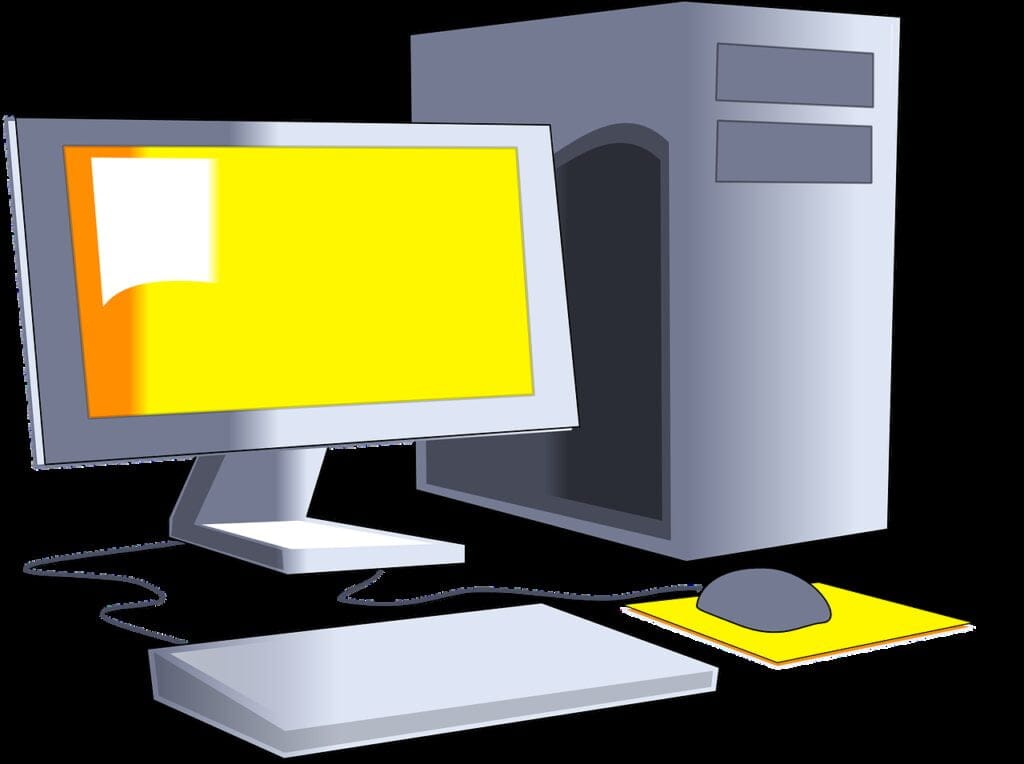
If you are a tech enthusiast or just someone looking to improve their computing experience, you are in the right place. Here we will explore everything related to computer accessories: Hardware Peripherals, from keyboards and mice to headsets and monitors. Get ready to find out how these devices can take your computing experience to the next level!
What are Peripheral Hardware?
Peripheral hardware refers to the external devices and accessories used with a computer or computing system to enhance the user experience. These devices connect to the computer through various interfaces, such as USB ports, Bluetooth, or wireless connections. Peripheral hardware is an essential part of any computing setup, as it expands system capabilities and improves user convenience and efficiency.
The Different Types of Peripheral Hardware
There are a wide variety of peripheral hardware available on the market, each with its own function and utility. Below, we will explore some of the most common types of peripheral hardware:
1. Keyboards: Type in Comfort!
Keyboards are one of the most commonly used and basic elements of any computer setup. They allow the user to input data and communicate with the computer. Did you know that the first keyboards were developed in the 1960s? Since then, they have evolved significantly, and we now find a wide range of keyboards available on the market, such as mechanical keyboards, ergonomic keyboards, and backlit keyboards. Mice: Precise Control at Your Fingertips
Mice are another essential component of any computer setup. These devices allow users to move the cursor and click to select and manipulate items on the screen. From traditional wired mice to advanced wireless mice , there are many options available to suit your needs. Choose a mouse that fits perfectly in your hand and enhances your browsing experience!
3. Monitors: Sharp Images and Vibrant Colors
Monitors are your window to the digital world. These devices display computer-generated images, videos, and text, providing an immersive visual experience. Modern monitors come in different sizes and resolutions, such as Full HD, 4K, and more. When choosing a monitor, you should consider factors such as screen size, resolution, refresh rate, and connectivity options. Which features are most important to you?
4. Printers: Turn Digital into Physical
Printers are peripheral hardware that allow you to convert digital documents into tangible hard copies. Whether you need to print documents, photos, or labels, there are a wide variety of printers available for different purposes. Some printers even have additional features, such as scanning and copying. Make sure you choose a printer that fits your printing and quality needs.
5. Speakers: Fill the Space with Quality Sound!
Speakers are audio output devices that allow you to enjoy music, movies, and games in clear, room-filling sound. From small portable speakers to high-end surround sound systems, there are options to suit every taste and budget. When selecting speakers, consider size, power, sound quality, and connectivity.
6. Headphones: Immerse yourself in your own world of sound
Headphones are a popular choice for personal and private audio enjoyment. Whether you prefer wireless, wired, noise-cancelling, or headphones with a built-in microphone, there are a wide variety of options to choose from. Discover a pair of headphones that fit your needs and enjoy an immersive sound experience!
These are just a few examples of the types of peripheral hardware available. Other popular devices include scanners, webcams, graphics tablets, gaming joysticks, and many more. Now that we’ve explored some key types of peripheral hardware, let’s move on and answer some frequently asked questions about these accessories.
Frequently Asked Questions about Peripheral Hardware
1. What is the difference between a mechanical keyboard and a membrane keyboard?
Mechanical and membrane keyboards are two different types of keyboards. Mechanical keyboards use individual mechanical switches under each key, providing a tactile feel and a distinctive sound when typing. On the other hand, membrane keyboards have a rubber surface covering all the keys and use an array of circuits to detect key presses. In general, mechanical keyboards are more durable and offer a more satisfying typing experience, while membrane keyboards are cheaper and quieter.
2. What are the advantages of using a wireless mouse?
Wireless mice offer several advantages over wired mice. First, the lack of cables provides greater freedom of movement and reduces desk clutter. Additionally, many modern wireless mice use Bluetooth technology or compact USB receivers for a reliable, lag-free connection. This makes them ideal for users who need mobility or who want to avoid the tangle of cables. However, it is important to note that wireless mice require batteries or periodic recharging.
3. What is the appropriate resolution for a monitor?
The right resolution for a monitor depends on your needs and preferences. Resolution refers to the number of pixels displayed on the screen, and it directly affects the image quality. When choosing the resolution, consider the size of the screen and the type of content you plan to view. For example, for office tasks and web browsing, a resolution of 1080p (Full HD) is sufficient. However, if you work with graphic design, video editing, or gaming, you may want to consider a higher resolution, such as 1440p (2K) or 2160p (4K), for sharper details and greater clarity.
4. What is the difference between an inkjet printer and a laser printer?
Inkjet printers and laser printers are two different technologies for printing documents and photos. Inkjet printers use liquid ink cartridges and apply tiny ink droplets onto paper to create images and text. They are ideal for printing high-quality color documents and photos. On the other hand, laser printers use powdered toner and an electrophotographic process to generate images and text. They are faster and more efficient for printing black and white and are widely used in office environments. The choice between an inkjet and laser printer depends on your specific printing needs.
5. What are the advantages of noise-cancelling headphones?
Noise-cancelling headphones are popular among those who want to enjoy their music or content without external distractions. These headphones use built-in microphones to detect and analyse ambient sound, then generate reverse sound waves to cancel out or reduce unwanted noise. This creates a quieter environment and immerses you in your own sound bubble. Noise-cancelling headphones are ideal for travelling, working in noisy environments, or simply enjoying a more immersive audio experience.
6. What should I consider when choosing speakers for my audio setup?
When selecting speakers for your audio setup, there are several important factors to consider. First, determine the type of speakers that fit your needs, whether desktop speakers, portable Bluetooth speakers, or surround sound systems. Next, consider power and sound quality. Check the output power in watts (W) to ensure the speakers are loud enough for your environment. Additionally, pay attention to frequency response and look for speakers with a wide range for balanced sound reproduction. Connectivity is also important to consider, making sure the speakers can be connected to your audio playback device conveniently.
Peripheral Hardware Conclusion
Peripheral hardware is a key component in enhancing and personalizing your computing experience. From keyboards and mice to monitors and speakers, these devices expand the capabilities of your system and improve user comfort and efficiency. When choosing peripheral hardware, it's important to consider your individual needs and preferences, as well as the quality and compatibility of the devices. With the wide variety of options available on the market, you're sure to find the perfect computing accessories to take your experience to the next level.
We hope this article has provided you with some useful information and answered your questions about peripheral hardware! If you have any further queries or would like to explore the fascinating world of computer accessories further, feel free to check out our other guides and resources. Enjoy your enhanced computing experience with the right peripheral hardware!