- Data management is crucial in today's digital age.
- External hard drives are ideal for affordable, mass storage.
- External SSDs offer speed and portability, but at a higher cost.
- Cloud storage allows access and scalability from anywhere.

1. Storage peripheral
2. External hard drives: The titans of mass storage
Key Features of Modern External Hard Drives
- Stratospheric capacity: Models of up to 20TB are now a reality.
- Improved connectivity: USB 3.2 and Thunderbolt 4 for ultra-fast transfers.
- robust designs: Shock and vibration resistant for greater durability.
- Backup software included: Intuitive tools to automate backups.
3. External SSDs: Speed and reliability in the palm of your hand
Advantages of external SSDs
- dizzying speed: Data transfers up to 10 times faster than HDDs.
- Small size: Ultraportable models that fit in your pocket.
- Total silence:With no moving parts, they operate without making any noise.
- Greater resistance: Less susceptible to damage from drops or bumps.
4. USB flash drives: Small but mighty
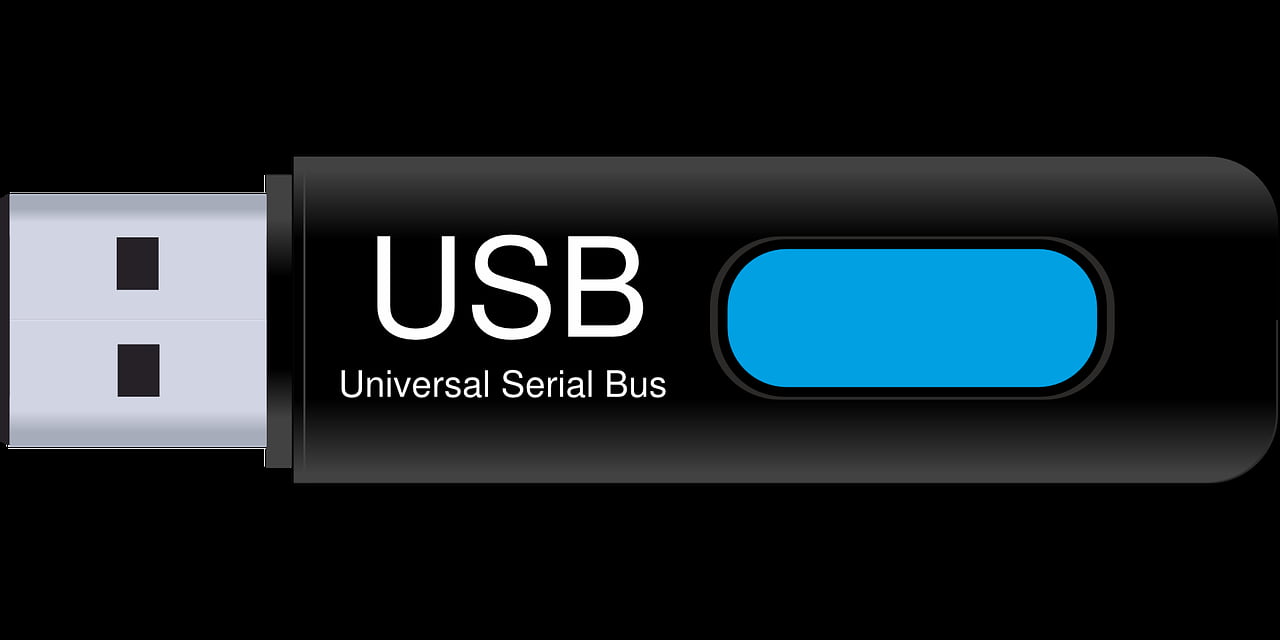
Evolution of USB flash drives
- Growing capabilities: Models up to 2TB in ultra-compact formats.
- USB 3.2 speeds: Fast transfers even on such small devices.
- Innovative designs: From waterproof models to units with biometric authentication.
- Improved versatility: Dual connectors (USB-A and USB-C) for greater compatibility.
5. Memory cards: The chameleons of portable storage
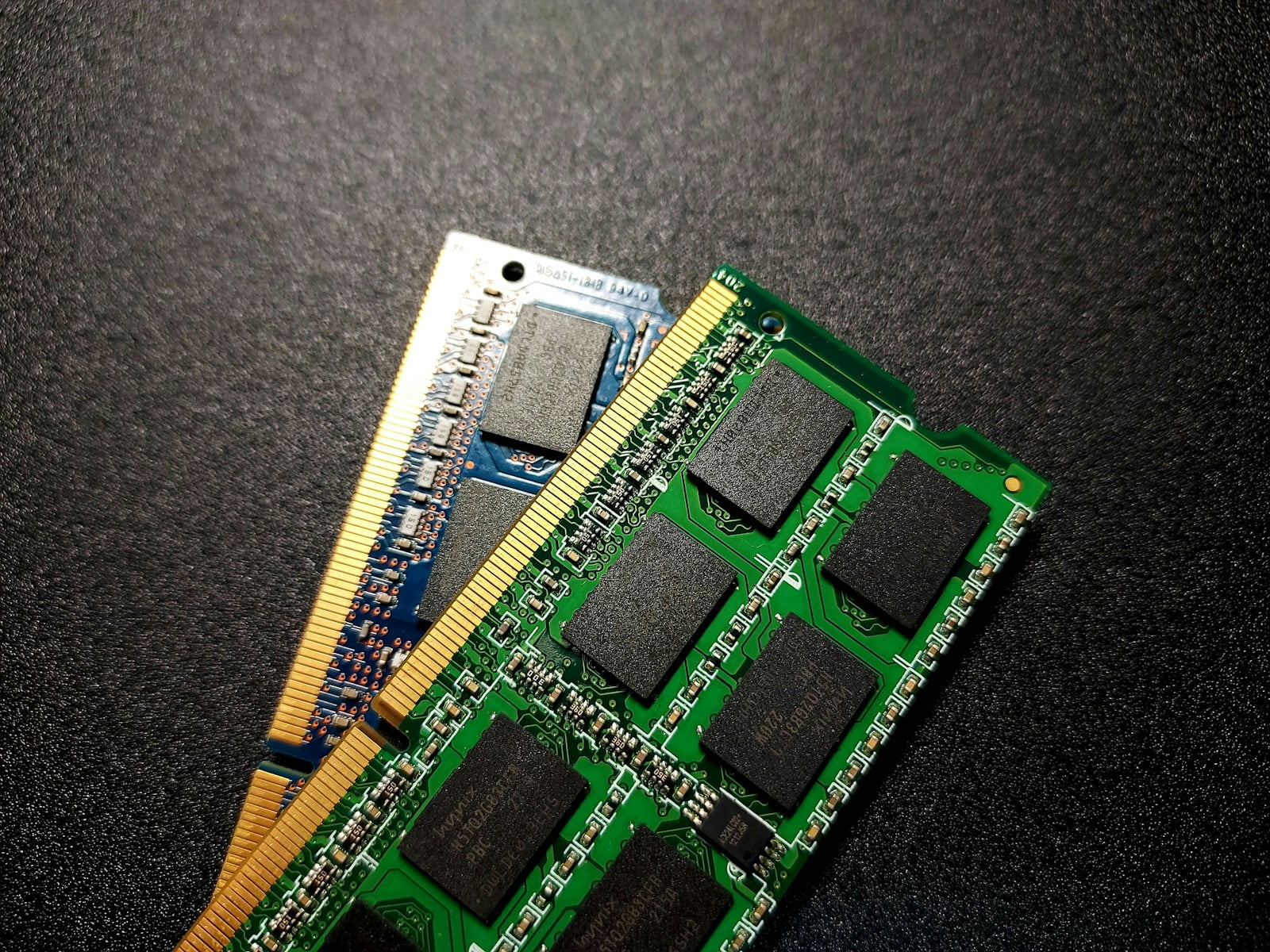
Innovations in memory cards
- Stratospheric speeds: UHS-II cards with speeds of up to 300 MB/s.
- Rising Capabilities: 1TB models in formats as small as microSD.
- improved durability: Resistance to water, extreme temperatures and X-rays.
- smart features: Some cards include Wi-Fi for wireless data transfer.
6. NAS (Network Attached Storage): The nerve center of your digital ecosystem
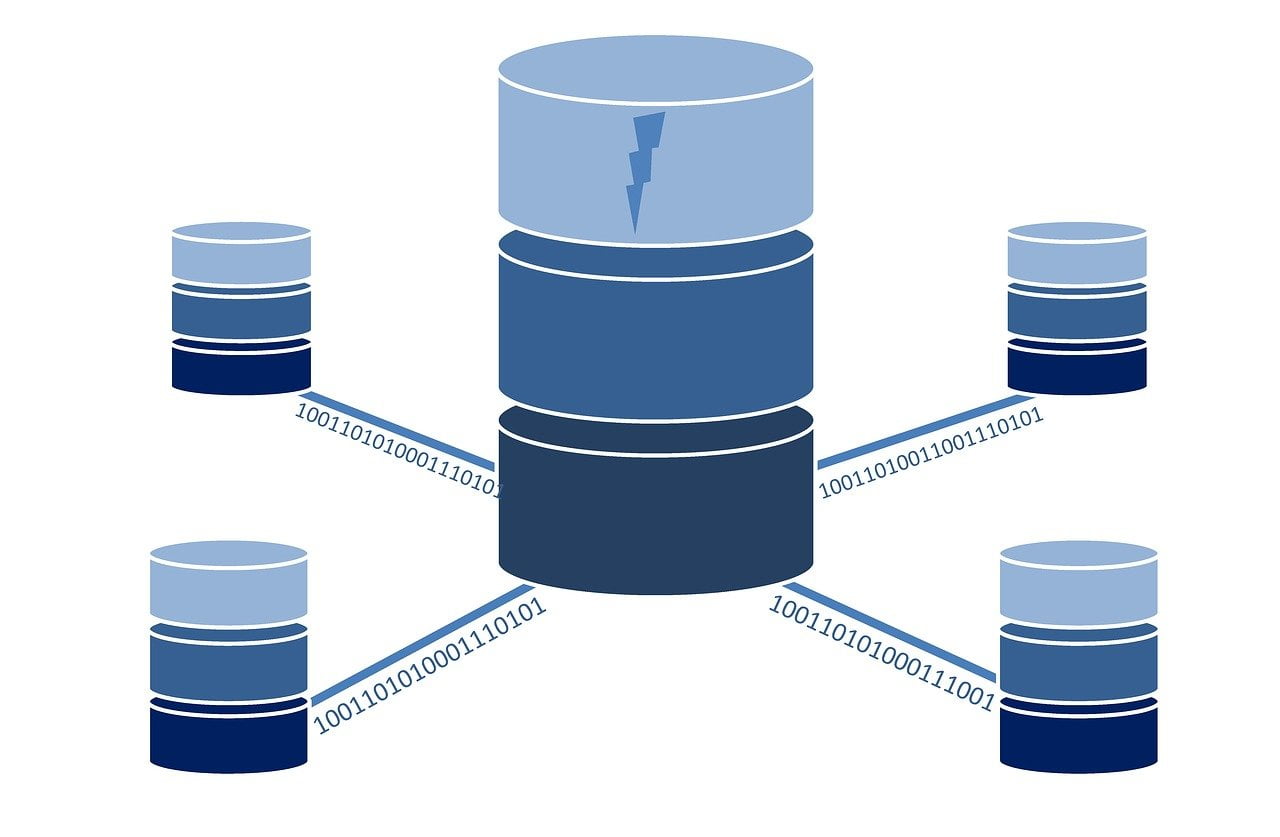
Advanced Features of Modern NAS
- Massive capabilities: Configurations that can hold tens of terabytes.
- Powerful processors: Quad-core or higher CPUs for optimal performance.
- Server Functions: From web servers to virtualization of operating systems.
- robust security: Data encryption, automatic backups, and ransomware protection.
7. Cloud storage: The end of physical peripherals?
Advantages of cloud storage
- Ubiquitous accessibility: Access your data from any device with an internet connection.
- Instant scalability: Increase your storage capacity with one click.
- Real-time collaboration: Share and edit files with other users simultaneously.
- Advanced Security: Protection against data loss through redundancy and encryption.
8. Storage peripherals of the future: What does tomorrow hold?
Emerging Technologies in Storage
- synthetic DNA: Storing data in DNA molecules, promising unimaginable storage densities.
- Holographic storage: Using holograms to store data in three dimensions, dramatically increasing capacity.
- Phase Change Memories: Technology that promises access speeds close to RAM with the persistence of traditional storage.
- Quantum storage: Harnessing quantum properties to store massive amounts of data in tiny spaces.
Storage Peripherals Conclusion

Table of Contents
- 1 1. Storage peripheral
- 2 2. External hard drives: The titans of mass storage
- 3 3. External SSDs: Speed and reliability in the palm of your hand
- 4 4. USB flash drives: Small but mighty
- 5 5. Memory cards: The chameleons of portable storage
- 6 6. NAS (Network Attached Storage): The nerve center of your digital ecosystem
- 7 7. Cloud storage: The end of physical peripherals?
- 8 8. Storage peripherals of the future: What does tomorrow hold?
- 9 Storage Peripherals Conclusion