- Drones have become a key tool in Industry 4.0, providing accurate data and greater safety in sectors such as construction, energy, agriculture, and logistics.
- The Drones as a Service (DaaS) model allows companies to access advanced technology and certified pilots without investing in their own fleet or taking on complex regulatory management.
- AESA regulations and European regulations condition the deployment of projects, especially in BVLOS operations and urban environments, but open the door to new business models.
- Integrating drones into occupational risk prevention and operational management requires risk assessment, staff training, and the establishment of safe and traceable procedures.
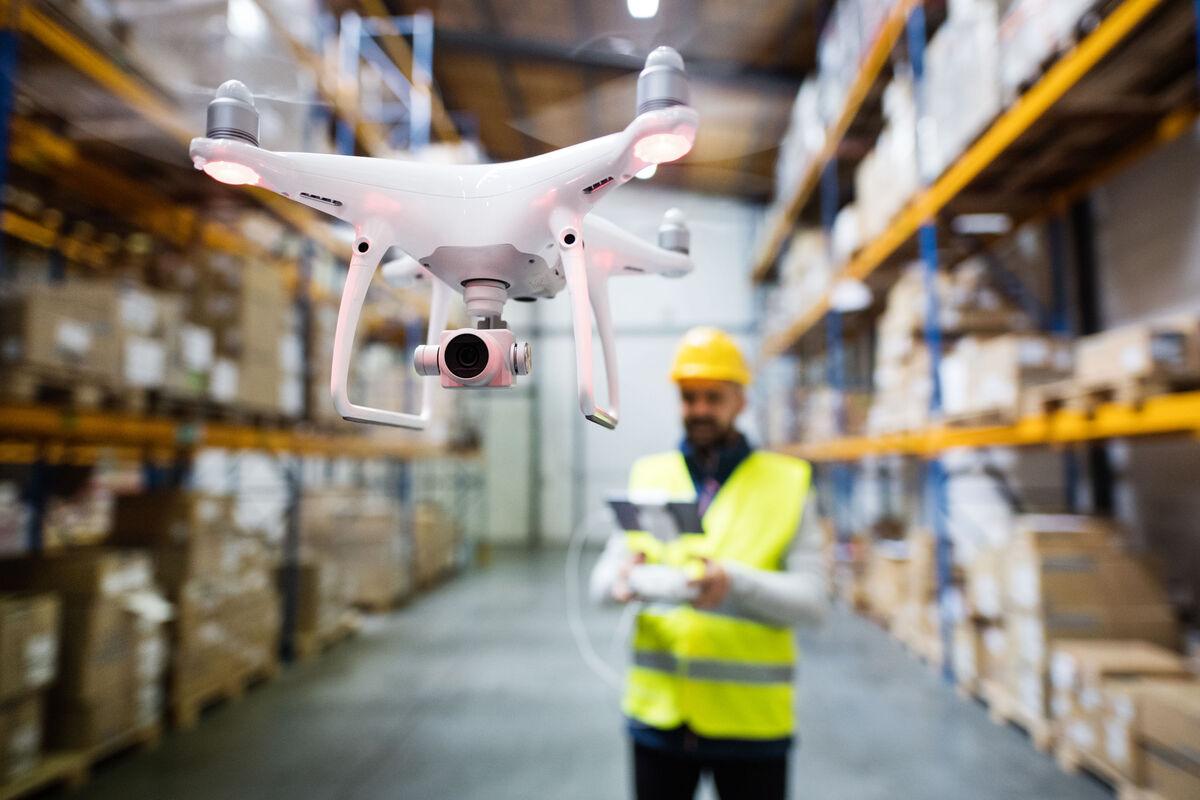
In a very short time the Drones have gone from being an eye-catching "toy" to becoming a strategic tool for companies in almost any sector. The combination of advanced sensors, cloud software, and artificial intelligence now makes it possible to perform everything from critical inspections at height to automated warehouse inventories or urgent deliveries of medical supplies.
At the same time, This technological revolution brings with it important challenges: complying with increasingly complex aviation regulations, adapting occupational risk prevention, training pilots and data analysts, or deciding whether to buy its own fleet or opt for the model of drones as a service (DaaS)All of this is redefining how organizations plan, control, and optimize their operations.
What is a drone and what types do companies use?
A drone, or unmanned aerial vehicle (UAS or RPAS)A drone is an aircraft that flies without a pilot on board and is controlled remotely or via navigation software supported by GPS, inertial systems, and other sensors. In professional settings, these systems typically integrate high resolution camerasthermal, multispectral, or even LiDAR sensors to capture data with an accuracy that would be unthinkable with traditional methods.
Depending on its aerodynamic configuration, Business drones are grouped into three main families: fixed-wing aircraft, very efficient for long distances and extensive mapping; multirotors, versatile and capable of hovering for detailed work; and unmanned helicopters, less common but with greater load capacity and autonomy in certain industrial environments.
Models Fixed-wing aircraft offer outstanding performance on long-duration missions., such as topographic surveys, precision farming large-scale or linear infrastructure surveillance (pipelines, roads, railways). Since they cannot remain stationary in the air, they are mainly used to cover large areas with high energy efficiency.
Meanwhile, the Multirotors (quadcopters, hexacopters, etc.) dominate the industrial market Thanks to their maneuverability, ease of vertical takeoff and landing (VTOL), and ability to position themselves just meters from an asset to be inspected, they are preferred for high-rise inspections, construction, emergencies, security, and high-precision urban work.
In between emerge the VTOL hybrids, which take off and land like a multirotor but They fly in cruise mode like a fixed-wing aircraft.These devices are gaining prominence in cases such as last-mile deliveries, supplying rural areas, or urgent transport of medical samples, where a combination of range, accuracy, and fuel or battery efficiency is required.
From hobby to key component in Industry 4.0
Although at first they were mainly associated with leisure, recording spectacular videosToday, drones are fully integrated into what is known as Industry 4.0They are not just “flying cameras”: they have become advanced data capture and analysis platformscapable of generating geospatial and technical information that feeds management systems, digital twins and real-time decisions.
Companies use drones to automate and optimize tasks that previously took weeks of work: periodic inspections of critical assets, 3D mapping of works, crop monitoring, automated inventories, electrical network monitoring or visual documentation for audits and certifications.
One of the great attractions is its ability to access quickly and safely to hard-to-reach places: high-voltage towers, wind farms, dams, industrial roofs, offshore platforms, storage tanks or confined spaces where human access poses a significant risk.
At an audiovisual level, drones have revolutionized content production in media, film, television and marketingThis allows for plans that were impossible just a few years ago, at a much lower cost than helicopters or special cranes. This same visual logic has been applied to technical reports, documented inspections, and risk prevention training.
Special attention should be paid to their contribution to occupational risk controlBy replacing human presence at heights, in contaminated interiors, or in unstable environments, drones allow detailed inspections without exposing the staff, reinforcing compliance with occupational risk prevention (ORP) regulations and reducing accidents.
Drones as a Service (DaaS) model: use without buying
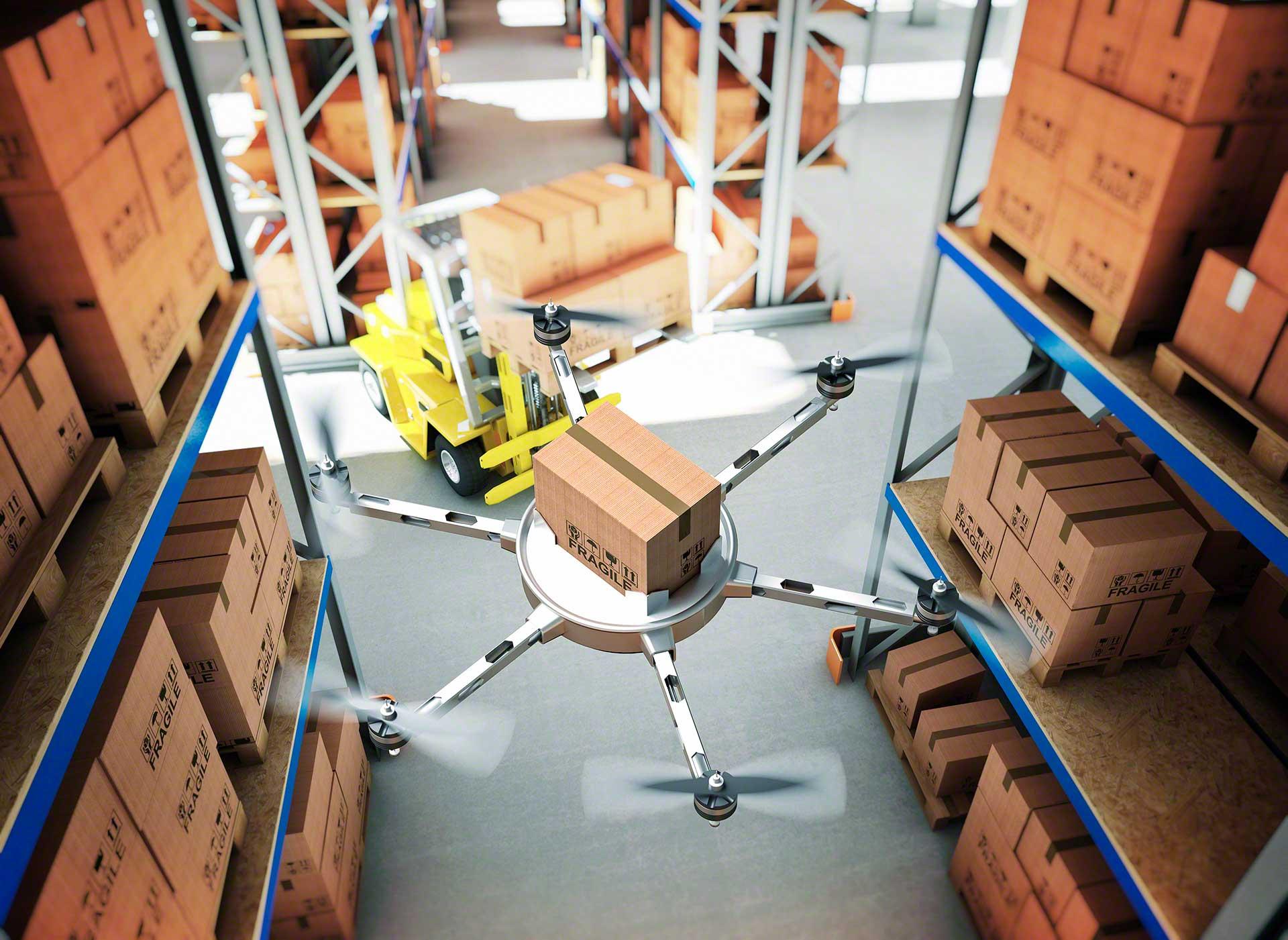
Many organizations do not have technical team, certified pilots, or internal structure to manage their own drone program. This is where the model comes into play. Drones as a Service (DaaS)which allows you to hire "turnkey" drone missions without investing in fleet, licenses or specialized software.
In this scheme, The client company pays per project, per flight hour, or via subscriptionwhile the supplier takes care of everything: selecting the right drone, pilot, insurance, processing permits with the aeronautical authority, mission planning, data capture, processing and delivery of reports or ready-to-use 3D models.
The most comprehensive DaaS packages include real-time monitoring, secure cloud storage, advanced analytics, and integration with corporate systems (ERP, GIS, maintenance platforms, etc.). In critical sectors, such as energy or mining, this service can be accompanied by 24/7 support and very demanding service level agreements (SLAs).
The main advantage is converting a high capital investment (CAPEX) in flexible operating expenditure (OPEX)For companies that only need drones occasionally—annual inspection campaigns, periodic inventories, seasonal missions in agriculture—DaaS removes the barrier to entry and prevents the equipment from being underutilized the rest of the year.
Furthermore, the DaaS model provides immediate access to State-of-the-art technology: multispectral cameras, LiDAR, high-resolution thermal sensors, AI algorithms for automatic anomaly detection and specialized technical personnel who are already familiar with local regulations and best safety practices.
Main uses of drones by business sector
The range of professional applications is very broad, but in many countries they are already being observed clear usage patterns by sectorwhere drones have proven to provide measurable savings and safety improvements.
In mining, for example, they are used to monitor work areas, calculate stockpile volumes, and supervise slopes and exclusion zonesThanks to regular flights, companies obtain updated digital terrain models, improve planning, and reduce the exposure of operators in hazardous areas.
In the area of infrastructure, drones facilitate Visual and thermal inspections of power lines, bridges, viaducts, dams, unique buildings or wind turbinesThis allows the detection of corrosion, cracks, hot spots, or insulation losses without interrupting operations and at a significantly lower cost than traditional methods.
In agriculture and livestock farming, the combination of multispectral and thermal sensors with analysis algorithms allows detect water stress, nutritional deficiencies or pests in early stages. This information is used to design precision irrigation and fertilization strategies that reduce inputs, improve yields, and decrease environmental impact.
Meanwhile, energy, water, and telecommunications companies are using drones to mapping networks, monitoring routes, checking antennas and towers or to assess damage after storms and natural disasters. In emergencies, they are used to coordinate response teams, locate people, assess access, and document damage for insurance companies and government agencies.
Drones in construction, industry and confined spaces
In the construction sector, drones have become indispensable for to monitor the progress of the work, document milestones, and improve the coordination of business activitiesPeriodic flights provide orthophotos, 3D models, and point clouds that allow for comparison of actual progress with the plan and the timely detection of deviations.
In addition, they are used for quality control, measurements, topographic surveys, land preparation and volume calculationsThanks to aerial images and photogrammetric post-processing, geometric information is obtained with a precision that rivals terrestrial surveys, drastically reducing time and human presence in dangerous areas.
In the field of occupational risk prevention, drones allow to work at height, in confined spaces and maintenance in hard-to-reach areasAfter a proper risk assessment, they are integrated as a preventive work team in the prevention plan, respecting the principles of article 15 of Law 31/1995 on Occupational Risk Prevention, by reducing the direct exposure of the workforce to serious hazards.
This implies that The company's own preventative management needs to be updated: review the risk assessment, adapt the prevention plan, incorporate specific drone operating procedures, coordinate business activities when hiring external operators, and consider new sources of risk linked to the aircraft and control equipment.
Technical conferences and sector forums are focusing on How to integrate drones into preventative management in an orderly mannerWhat requirements must operating companies meet and how to take advantage of complementary technologies such as virtual reality, simulators or 360º environments to train workers in the safe use of these tools.
Drones and occupational risk prevention: advantages and new challenges
From the perspective of occupational safety and health, drones offer clear benefits of replacing dangerous tasks that previously required prolonged exposure to heights, toxic environments, or unstable surroundings. Using them correctly can significantly reduce accidents and situations of extreme risk.
Among the most common preventative applications are the inspection of high-rise infrastructure, supervision of works, environmental control and emergency managementIn all these cases, personnel remain in a safe zone while the drone collects visual, thermal, or other information.
However, this technology also introduces new occupational risks that must be consideredTechnical failures in flight, loss of control, impacts with people or other equipment, visual or cognitive strain on the pilot, and psychosocial aspects such as technostress or the feeling of constant surveillance by the staff.
To manage them correctly, it is essential conduct a prior risk assessment specific to each useDefining clear operating protocols, emergency plans, and specialized training for those piloting or supervising missions is essential. Compliance with aviation safety and data protection regulations is also part of the preventative obligations.
Good practices include require appropriate certifications for operators, use approved equipment, plan for contingencies (loss of signal, battery failure, adverse weather conditions) and continuously monitor operations to detect deviations or incidents that require corrective action.
Business advantages of using drones
Beyond security, drones offer a range of cross-cutting benefits applicable to almost any sectorThe first is the increase in operational safety, by being able to send the aircraft where previously a person had to go, for example in fires, natural disasters, inspection of unstable slopes or review of structures in poor condition.
The second major benefit is the reduction of operating costsThe operating cost of a drone—energy, maintenance, personnel—is much lower than that of a helicopter or the mobilization of large teams to erect scaffolding, block traffic, or stop a production line for hours to inspect a component.
It also excels ability to collect data with an enormous level of detailCentimeter-level resolution in images, heat maps in thermography, precise 3D models for engineering, or automated inventory counts with machine vision. This data quality enhances analysis and reporting, enabling more informed decision-making.
La autonomy and versatility The use of drones allows for the programming of repetitive missions, the automation of routine inspections, and the minimization of human intervention. This shortens execution times and facilitates increasing the frequency of inspections without significantly increasing costs.
Finally, being electrical and low-consumption systems, drones They reduce environmental impact compared to other means of inspection and transportespecially when compared to heavy vehicles or helicopters. Their size and light weight also simplify transport and storage, facilitating rapid deployment to multiple locations.
Regulations and rules for drones in the business environment
In Spain, the State Aviation Safety Agency (AESA) It is the body responsible for regulating the use of drones, both recreational and professional. Since harmonization with European regulations, there is no longer a legal distinction between recreational and professional flight; instead, operations are conducted under the same regulations. risk categories (open, specific and certified) depending on weight, type of operation and environment.
As a general rule, drones must fly within the pilot's visual line of sight (VLOS)Aircraft must not exceed 120 meters in height above ground level, except in duly authorized cases, and must maintain safety distances from airports, airfields, and controlled airspace. In many cases, prior authorizations, safety studies, and coordination with air traffic control authorities are required.
If the drone weighs more than 250 grams, it is usually mandatory that The operator and pilot are registered and have appropriate training and certificationsIn addition to having liability insurance to cover potential damages to third parties, the company contracting the service must ensure that all this documentation is in order.
The regulations are especially strict regarding the right to privacy and data protectionThe images captured cannot violate the privacy of individuals, must have a legal basis and respect current legislation on the protection of personal data, which requires clearly defining the purposes of the processing and the applicable security measures.
At the European level, the U-Space framework and specific regulations are being developed for Beyond visual line of sight (BVLOS) operations, flights in urban environments, and air corridors for logisticsAlthough Spain has aligned itself with European regulations, practical application remains very restrictive, especially for automated delivery operations in cities, which limits the massive expansion of logistics services with drones.
Drones and logistics: potential, pioneering cases and current barriers
In the field of logistics and transport, drones represent a Opportunity to accelerate deliveries, reduce costs and lower emissionsespecially in the last mile and in remote or hard-to-reach areas. However, its actual deployment in Spain is still limited by regulatory and operational issues.
At an international level, companies such as Amazon, UPS or DHL They have been conducting pilot tests of autonomous parcel delivery in suburban and rural areas for years, demonstrating that the technology is technically viable. Other companies, such as Zipline or MatternetThey have specialized in the transport of critical medical supplies —biological samples, blood, medicines or surgical instruments— in countries such as Rwanda, Ghana, Switzerland or the United States.
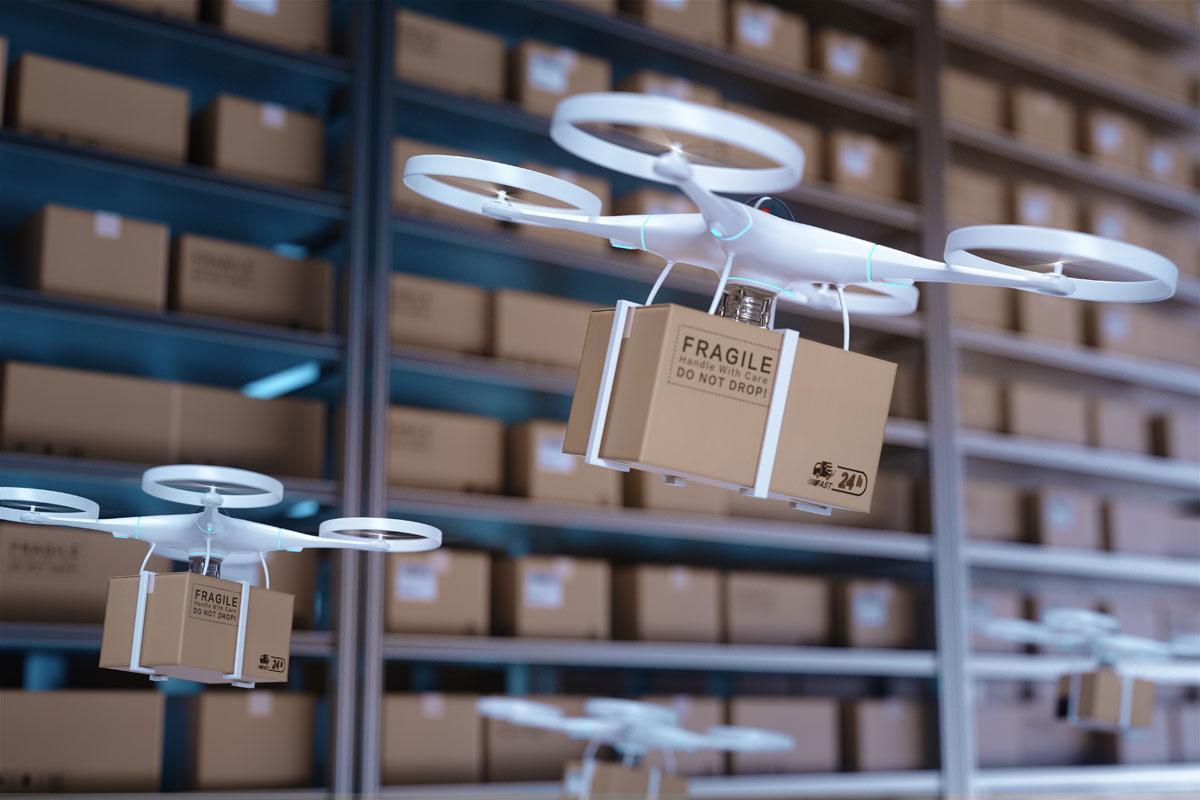
In closed logistics environments, several companies are already using drones to inspect inventories in large warehousesflying autonomously between shelves to read codes and compare stock levels with the management system. These projects have shown significant reductions in inventory time and human error.
Despite everything, in Spain restrictions on BVLOS operations and flights in urban areas Without complex authorizations, direct-to-consumer drone delivery services are practically nonexistent. High certification costs, the need for dedicated air corridors, and stringent safety requirements mean that only a few companies can undertake complex logistics projects.
Even so, studies suggest that, once these obstacles are cleared, drones will be able to reduce distribution times and costs, decongest urban traffic and lower CO₂ emissions by up to 40% in certain scenarios, provided they are properly integrated with other modes of transport and with adequate urban planning.
Selection and characteristics of industrial drones
When a company decides to incorporate its own drones, it must analyze carefully. what type of missions will it carry out and what technical requirements are essential?A drone for occasional corporate video is not the same as an industrial system for surveying or inspecting power lines.
Among the main factors, the following stand out: type of work (photogrammetry, inspection, security, agriculture), payload capacity, flight autonomy, resistance to adverse weather conditions, communication range and compatibility with specific sensors or cameras.
El total cost of ownership (TCO) It's not just about the purchase price: you also have to consider batteries, spare parts, maintenance, software updates, pilot training, insurance, certifications, and potential technological obsolescence. Evaluating all of these factors helps you decide whether it's better to buy or outsource via DaaS.
It is also advisable to prioritize Brands with good technical support, after-sales service availability, extensive documentation, and an ecosystem of accessories and software.Having a supplier that responds quickly to technical problems can make all the difference in critical operations.
When planning missions, it is recommended to establish standard operating procedures (SOPs)Preventive maintenance routines, flight logs, and safety protocols that ensure efficient, traceable use aligned with the organization's internal standards.
Overall, the use of drones in companies It is redefining processes in construction, agriculture, logistics, energy, industry, and occupational risk prevention.This offers a hard-to-match combination of security, cost reduction, faster data acquisition, and a smaller environmental impact. Organizations that anticipate regulatory changes, choose the right operating model (on-premises or DaaS), and train their teams to integrate this technology into their workflows will be in a prime position to leverage its full potential.
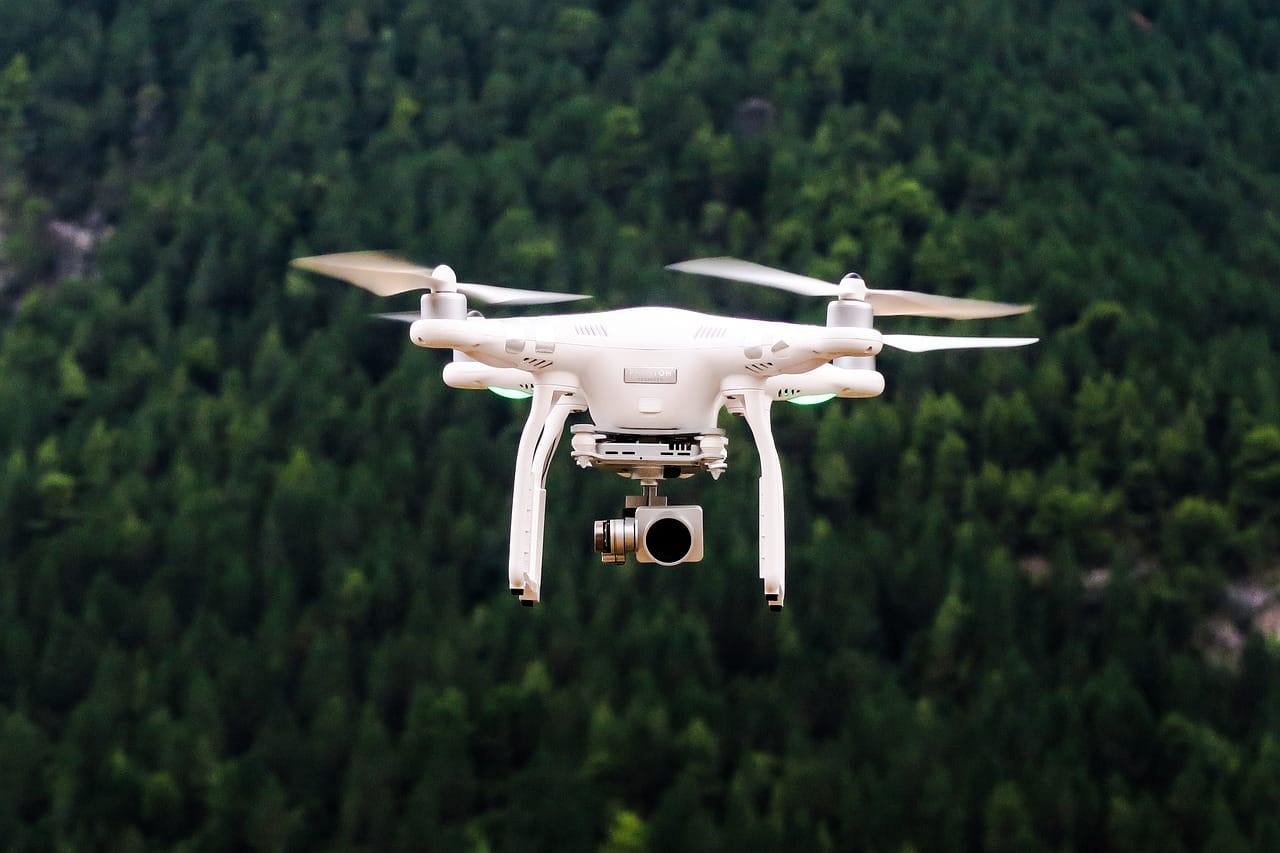
Table of Contents
- What is a drone and what types do companies use?
- From hobby to key component in Industry 4.0
- Drones as a Service (DaaS) model: use without buying
- Main uses of drones by business sector
- Drones in construction, industry and confined spaces
- Drones and occupational risk prevention: advantages and new challenges
- Business advantages of using drones
- Regulations and rules for drones in the business environment
- Drones and logistics: potential, pioneering cases and current barriers
- Selection and characteristics of industrial drones