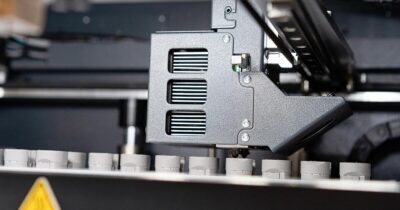
- 3D printing allows engineers to iterate designs, validate functional prototypes, and communicate ideas quickly and at low cost.
- There are advanced FDM courses and postgraduate programs (masters, diplomas, certificates) specifically geared towards engineering profiles.
- Entry requirements usually require a university degree, although exceptional pathways based on accredited professional experience are considered.
- A well-structured training catalog makes it easy to build a solid career in additive manufacturing, from short courses to specialized master's degrees.
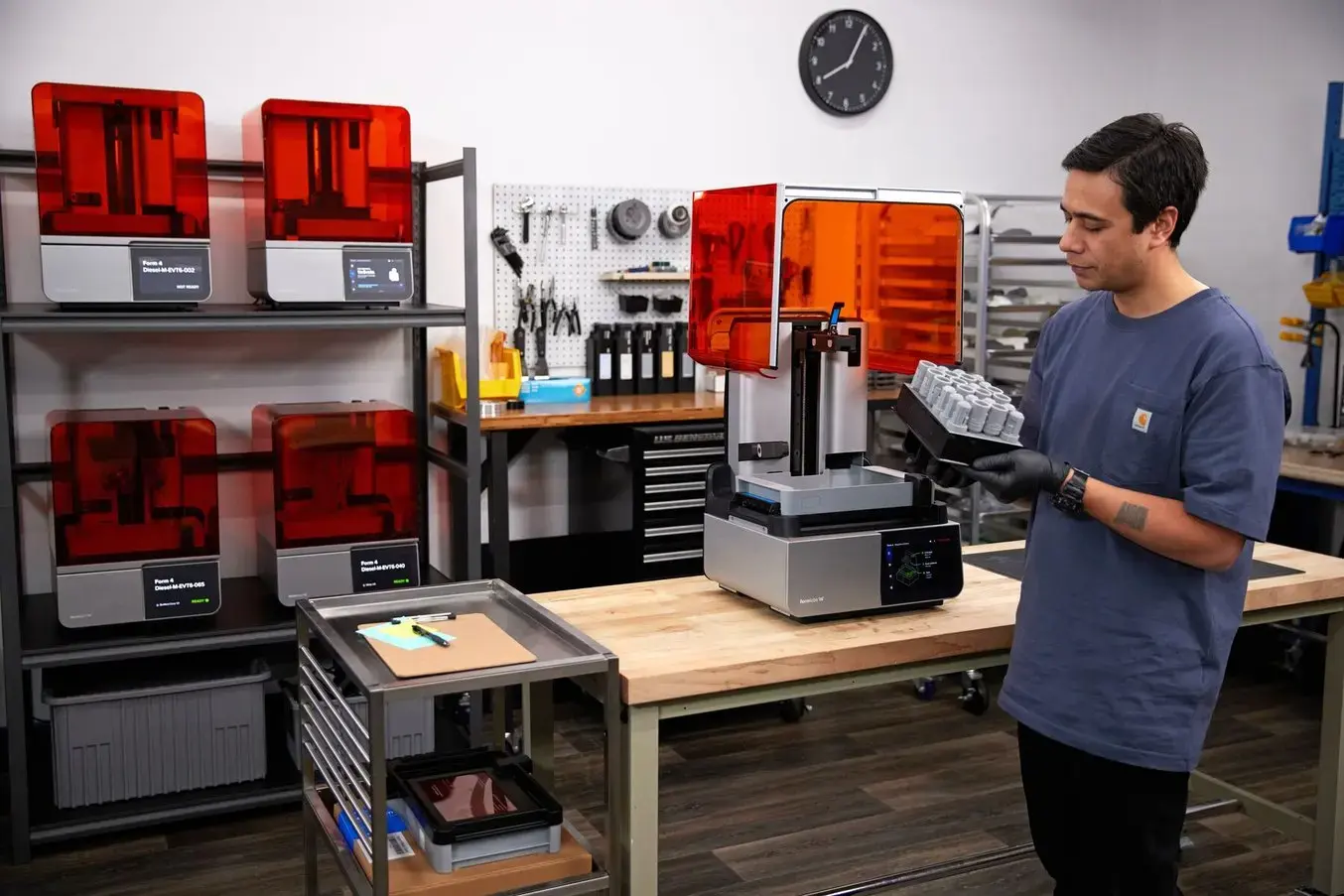
3D printing training for engineers has become a key skill for those who want to excel in cutting-edge sectors such as automotive, aerospace, rail, wind energy, and even space. Knowledge of computer-aided design is no longer enough: companies are looking for professionals capable of taking an idea from a digital model to a functional physical prototype, optimizing time, costs, and materials.
In this context , highly specialized training programs have emerged , ranging from advanced online courses in FDM technologies to continuing education master's degrees and university specialization diplomas. Many of these programs are offered by universities and official centers, feature faculty actively working in the industry, and offer their own degrees or certificates of completion that, if well-designed, can make a significant difference on your resume.
Why 3D printing is strategic for modern engineering
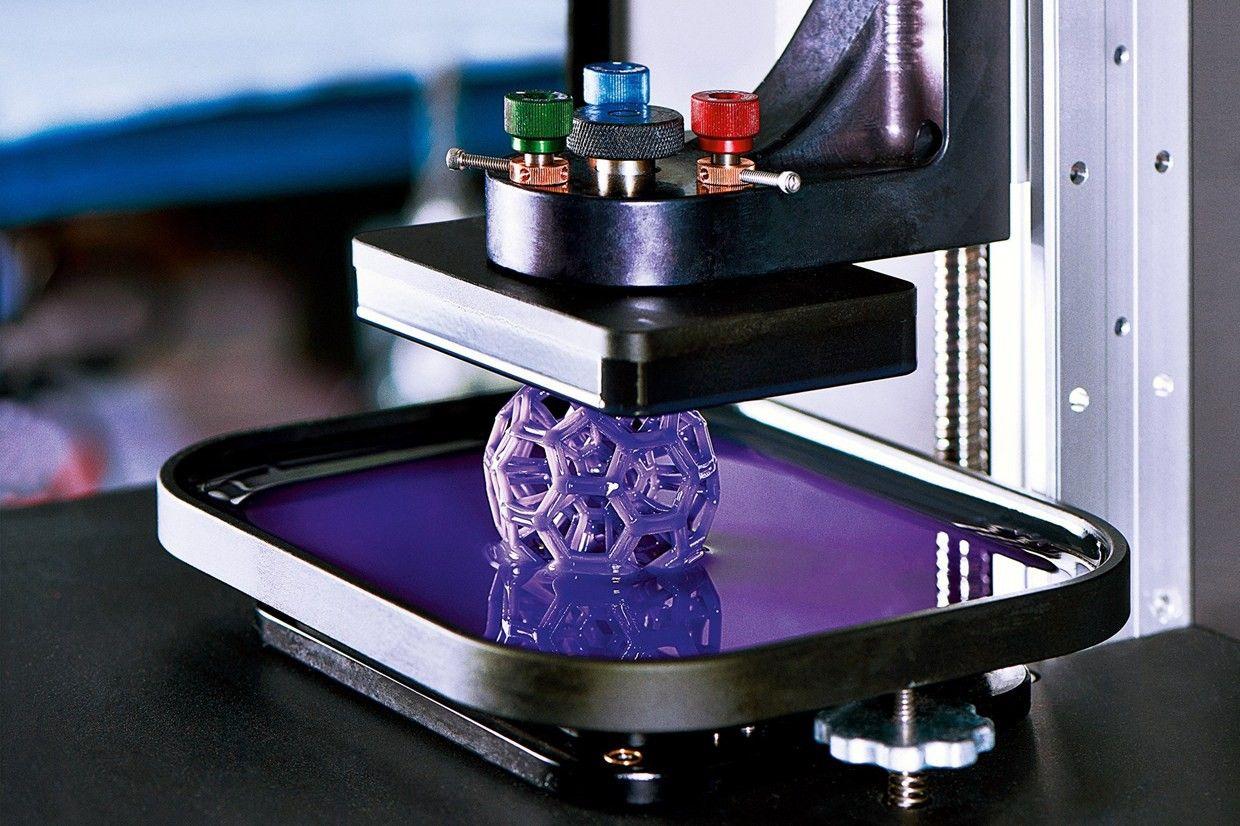
The rise of additive manufacturing has changed the way engineers approach design, prototyping, and production . Previously, validating a part could involve weeks of waiting and high machining or molding costs; now it's possible to iterate designs in a matter of hours, adjusting geometries and materials almost in real time.
In professional settings, 3D printing is used for much more than simple models : it's employed to validate concepts, produce custom tooling, create functional prototypes that withstand real loads, and even manufacture short runs of final components. This requires engineers to understand both the potential and limitations of each printing technology.
The most innovative sectors — such as aerospace, automotive, rail, and wind energy —have incorporated additive manufacturing as a standard tool in their design and development departments. Therefore, many engineering curricula emphasize specific applications in these industries, integrating practical case studies that reflect real-world business challenges.
Furthermore, 3D printing aligns perfectly with the approach of topological optimization, structural lightening, and mass customization . A specially trained engineer can design parts from the outset to be manufactured additively, rather than simply adapting classic designs to a new technology.
In this context, advanced training is not limited to operating a machine; it focuses on understanding complete workflows: modeling, slicing, printing, post-processing, and technical validation . It is precisely here that specialized, higher-level courses mark the boundary between amateur use and the professional application of 3D printing.
Advanced online course in FDM 3D printing for engineers
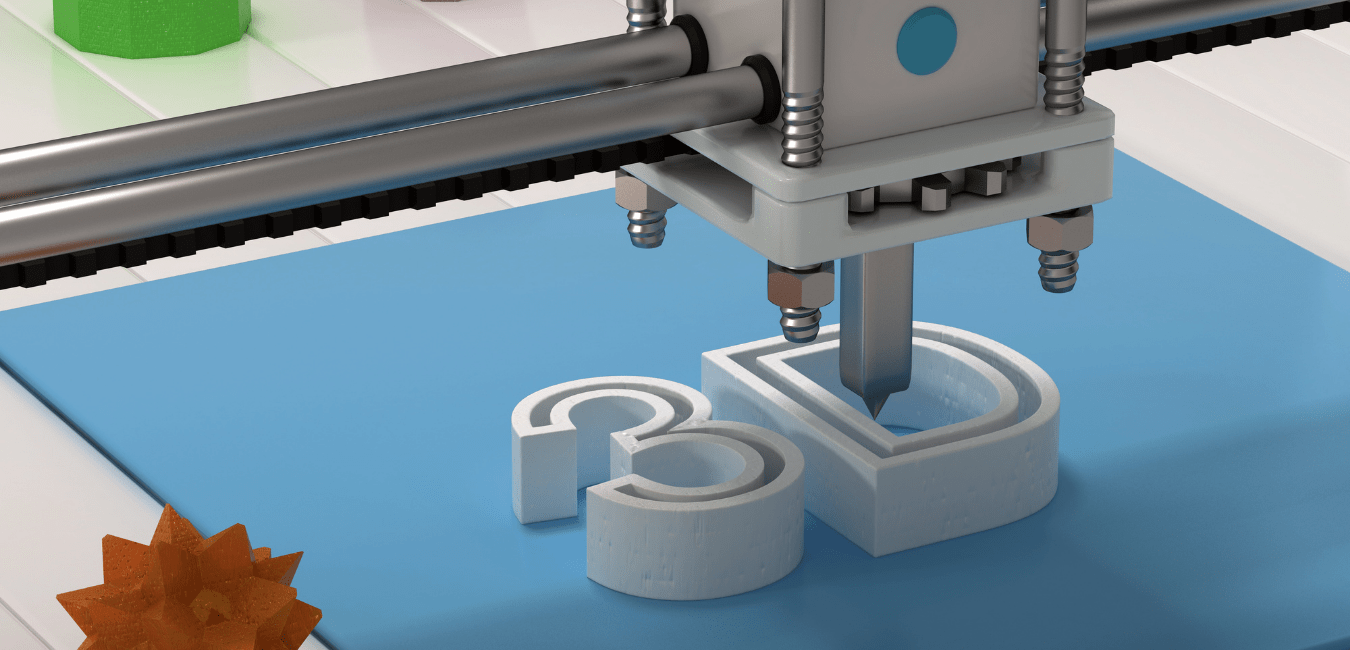
Among the most in-demand training options is the advanced online course focused on FDM (Fused Deposition Modeling) technology, one of the most widespread 3D printing processes in professional and prototyping environments. This type of training is typically geared specifically towards engineers and technical professionals who already have a solid foundation in design and materials.
A key differentiator of these courses is the teaching staff . In many cases, all the instructors are closely linked to the industry and hold positions of responsibility in companies in the aerospace, automotive, rail, or wind energy sectors. This ensures that the content goes beyond theory and is supported by examples drawn from real-world projects.
This hands-on approach allows students to see how 3D printing is used to solve concrete design, validation, and production problems : from developing functional prototypes to creating custom tooling for assembly lines or testing parts subjected to significant mechanical stress.
The online methodology makes it easy for working engineers to combine the course with their jobs , accessing the content from anywhere and adapting their study pace. It typically combines recorded lectures, live sessions, Q&A forums, and downloadable technical documentation with practical exercises where students apply what they've learned to realistic use cases.
Throughout the program, aspects such as the selection of FDM materials (from standard thermoplastics to advanced composites), printing parameters to optimize quality and strength, part orientation strategies, use of supports, post-processing, dimensional tolerances, and specific design criteria for FDM are usually addressed in detail.
Postgraduate programs and university-specific degrees in 3D printing
Beyond specific courses, many universities have implemented a Postgraduate Program structured at different levels , allowing engineers to choose the level of specialization they require. These programs typically award a university-issued degree, endorsed by the institution, upon successful completion of the training.
These programs include several categories: Continuing Education Master's Degrees, Specialization Diplomas, Expert Diplomas, and Teacher Training Certificates . Each corresponds to a different level of intensity and commitment, so it's important to assess your available time and professional goals before enrolling.
The Continuing Education Master's program is usually the most comprehensive option, designed for those who want to master 3D printing and additive manufacturing from a holistic perspective, integrating design, materials, industrial processes, project management, and industry applications. It typically lasts longer and requires consistent dedication throughout the academic year.
Specialization and Expert Diplomas, on the other hand, are more geared towards those seeking
Teacher Training Certificates focus on training teachers and trainers to deliver 3D printing content in other educational contexts , ensuring that future engineers come into contact with additive manufacturing from early stages of their training.
Admission requirements for university training in 3D printing
To access most postgraduate university programs related to 3D printing and engineering, an official university degree is required . Generally, degrees such as Bachelor's, Licentiate, Diploma, Engineering, Technical Engineering, Architecture, or Technical Architecture are accepted.
The course director may also establish specific prerequisites in certain disciplines when the content requires it. For example, a solid foundation in strength of materials, advanced CAD design, or traditional manufacturing processes may be advisable to successfully complete highly technical modules.
In exceptional circumstances, professionals without a university degree may be admitted , provided they can demonstrate relevant and verifiable work experience in a technical or industrial field. In these cases, the program director issues a favorable report, and the Rector's Office may authorize enrollment, always respecting current university admission regulations.
This type of special admission usually requires the submission of a detailed curriculum vitae that includes years of experience, responsibilities held, relevant projects and any other merit that supports the candidate's ability to successfully complete the course.
It is important to note that when a student enrolls without meeting the formal degree requirements, they can still complete the course and be assessed, but they will not be entitled to receive the university-issued degree , even if they successfully complete it. Instead, they are usually issued a Certificate of Completion that accredits the training received.
Levels of accreditation and academic recognition
The different levels of postgraduate programs in 3D printing for engineers result in different types of accreditation . This classification helps companies assess the depth of training each candidate has received.
The Master's in Continuing Education is, in general, the level that accumulates the greatest teaching load and specialization , offering a complete vision of the additive manufacturing ecosystem: from the different printing technologies to project management, including cost analysis, material selection and integration with existing industrial processes.
Specialization Diplomas tend to be geared towards more specific technical skills , for example, focusing on FDM technology versus others, design for additive manufacturing, characterization of materials, or the implementation of a 3D printing laboratory in a company.
For their part, Expert Diplomas focus on very specific areas or application niches , allowing an already trained engineer to complement their profile to adapt to a specific need of their department or sector.
The Teacher Training Certificate and the certificates of achievement, although not equivalent to a master's degree or diploma, are very useful to officially support acquired skills , especially when you want to demonstrate continuing education or justify teaching abilities in contexts where 3D printing is beginning to be integrated into educational plans.
What does 3D printing offer in terms of aesthetics, functionality, and sensory experience?
One of the greatest strengths of 3D printing in engineering is its ability to accelerate design validation from multiple perspectives: aesthetic, functional, and tactile. Far from being limited to conceptual pieces, current technologies allow for a much closer approximation to the appearance and behavior of the final product.
In terms of aesthetics, additive manufacturing offers the possibility of testing design iterations quickly , obtaining physical models that can be visually evaluated with the other teams involved: marketing, product, management, clients, or suppliers. This facilitates the communication of complex ideas in an accessible way and reduces misunderstandings in the early stages.
From a functional standpoint, it is possible to develop robust proof-of-concept tests and functional prototypes using materials that closely replicate the behavior of plastics used in injection molding. This allows, for example, verifying the assembly of components, validating locking mechanisms, or analyzing the strength of specific critical areas.
The tactile dimension is also crucial: today, rigid, semi-rigid, and soft materials can be simulated with finishes very close to the final products. Holding a prototype with a smooth surface, good feel, and properties similar to the final part helps in making quick decisions about ergonomics, usability, and perceived quality.
This comprehensive approach —combined with the ability to make quick adjustments— has led international benchmark centers to invest in entire 3D printing parks used by hundreds of engineers , integrating the technology throughout the product development cycle, from the initial idea to industrialization.
Training areas and career paths for engineers
3D printing is not a single, isolated discipline, but rather a field that connects with multiple areas of engineering education . Therefore, training catalogs are structured into pathways that allow for the development of a robust and coherent technical career.
Among the most common options are Advanced Courses, Expert programs, Professional Master's degrees, and University Master's degrees , all focused on the practical application of additive manufacturing in various sectors. The goal is for engineers to be able to choose the path that best suits their prior experience and career goals.
Advanced courses usually focus on specific, highly demanded skills , such as mastery of a specific printing technology, the implementation of digital workflows, or the optimization of existing business processes.
The Expert programs and Professional Masters are aimed at those who want to advance their career towards positions of greater responsibility , for example, by coordinating innovation projects, leading the implementation of additive manufacturing facilities or managing design teams with a strong 3D component.
University Master's degrees, already within the official framework, also open doors to research, advanced technological development or even the pursuit of a doctorate, combining the practical aspect with a solid foundation in scientific methodology.
Training catalogs and building a career in additive manufacturing
Many centers offer professionals a comprehensive and structured training catalog where 3D printing is integrated into different learning pathways. This allows for medium- and long-term planning of a career path that progresses from introductory courses to advanced specializations.
When exploring these catalogs, it is common to find common modules related to CAD design, polymeric and metallic materials, traditional manufacturing processes and product engineering fundamentals, which serve as a basis for later understanding the particularities of additive manufacturing.
From there, each professional can add Expert courses, Specialization Diplomas or Master's degrees to delve deeper into areas such as polymer printing, metal additive manufacturing, generative design, cost analysis or the integration of 3D printing in the supply chain.
This progressive development of skills is especially appealing to practicing engineers, who often prefer to train in stages, combining work and study , rather than completing a very extensive program all at once. The certificates obtained at each stage become visible milestones on their resumes.
In short, having a clear and well-organized catalog makes it easier for each engineer to chart their own training path , adapting it to the changing needs of the labor market and the opportunities that arise within their company or sector.
Practical validation: from the classroom to the real environment
One aspect that distinguishes good 3D printing training for engineers is the emphasis placed on the practical application of the content . It's not just about learning theory or using software, but about tackling problems similar to those they will encounter in a professional setting.
Many advanced courses propose projects where the student must design, print and evaluate prototypes based on certain requirements: mechanical resistance, dimensional accuracy, maximum weight, target cost or manufacturing time limit, among other parameters.
This approach allows students to become familiar with the actual management of the workflow, from receiving a technical specification to presenting results to a stakeholder group (superiors, clients, or colleagues from other departments). It also develops soft skills such as communication and defending technical decisions.
The participation of teachers who work in companies in the sector encourages the sharing of success and failure stories , which is especially valuable for understanding where the limits of each technology lie and what mistakes should be avoided when implementing 3D printing in complex projects.
In this way, training ceases to be a mere academic exercise and becomes a very close simulation of the real environment , which reduces the learning curve when the engineer takes these skills to the day-to-day work of his company.
The combination of a solid academic foundation, contact with active professionals, and a highly practical orientation makes 3D printing training for engineers one of the most attractive investments for those seeking to position themselves in innovative industrial sectors, increase their employability, and participate in projects where design, technology, and manufacturing combine to create competitive products in an increasingly demanding market.