- Microchannel technology optimizes heat transfer through a drastically enlarged contact surface in a reduced volume.
- Its application ranges from industrial air conditioning and HVAC to internal cooling of semiconductors and data centers.
- It offers critical advantages such as reduced refrigerant usage, lower structural weight, and superior corrosion resistance.
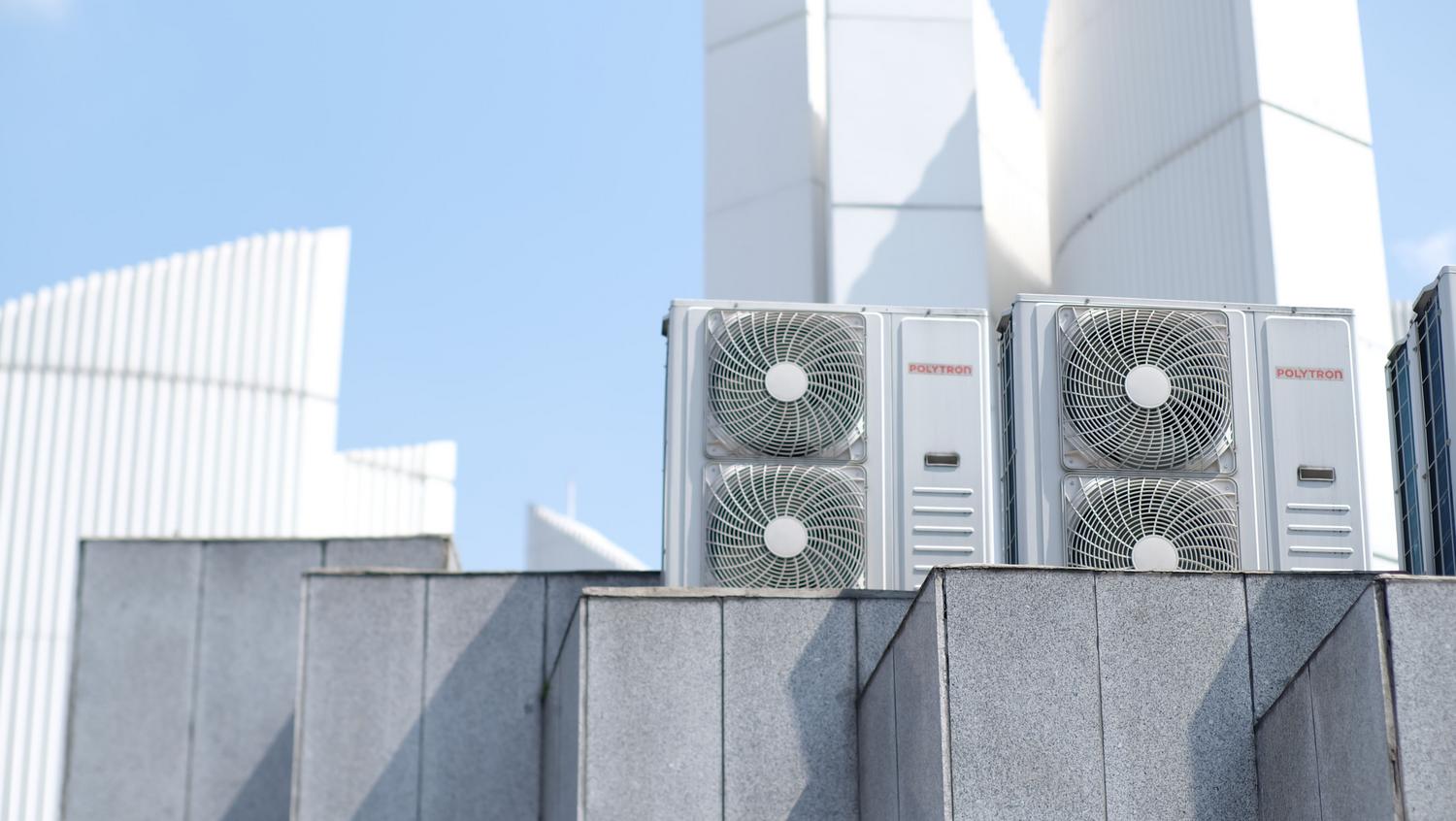
If you've ever wondered how modern machines can become increasingly powerful while taking up less space, the answer often lies in their heat management. Microchannel cooling has arrived to disrupt traditional approaches, offering a significant leap forward in energy efficiency and cooling system design, leaving behind outdated methods that have become inadequate.
Basically, we're talking about an evolution where engineering has managed to miniaturize the ducts through which the fluid flows, making heat exchange much faster and more efficient. It's no longer just about blowing air with a fan, but about optimizing every millimeter of surface area so that the heat evaporates almost instantly—something that is vital in everything from industrial air conditioning to the chip of a cutting-edge computer.

What exactly is microchannel technology?
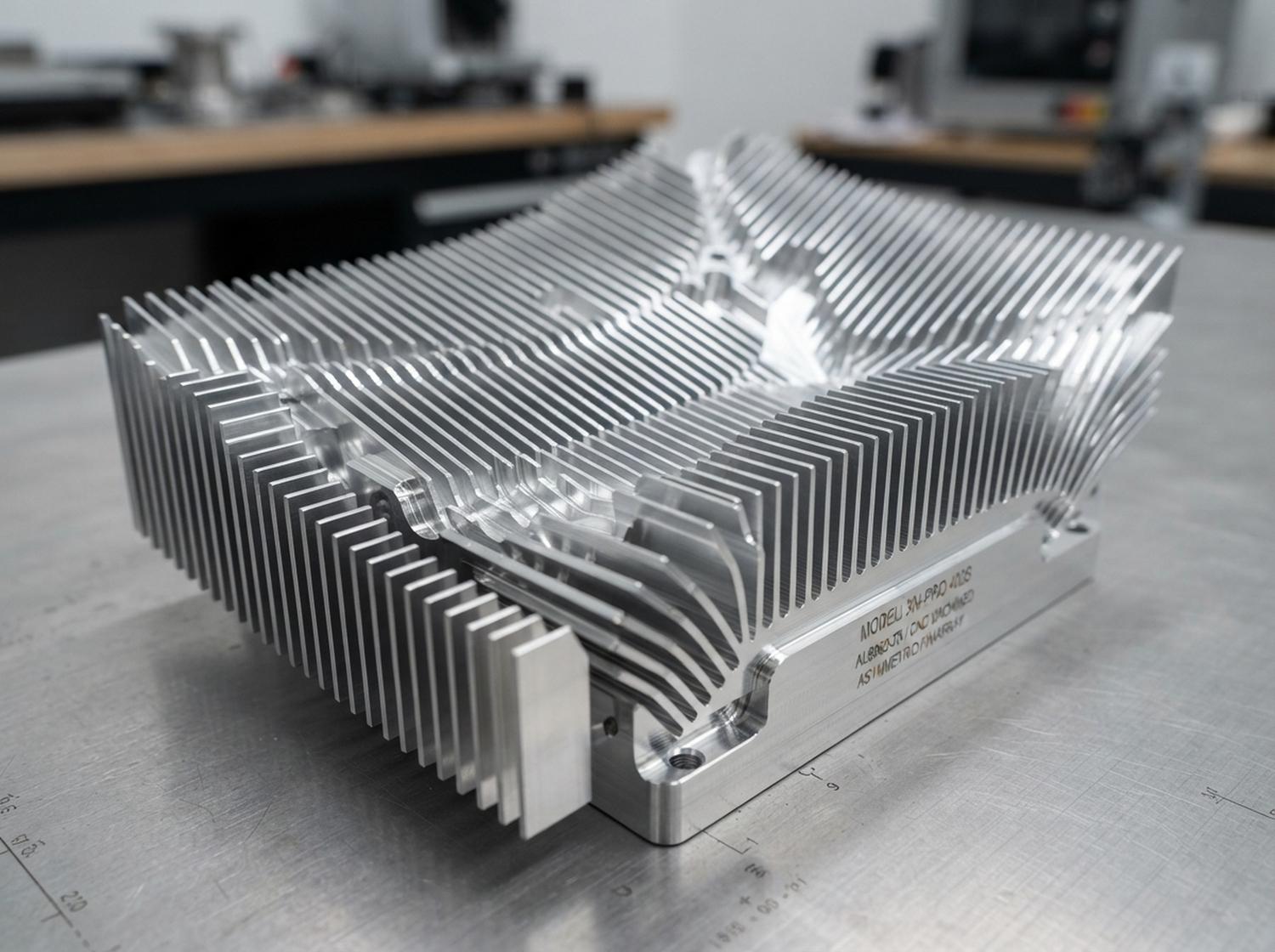
To understand this properly, we first need to look at classic fin-and-tube systems. In those systems, the refrigerant traveled through copper tubes and the air passed through aluminum fins. The problem was that there was a lot of contact resistance and the space wasn't used to its full potential. Microchannel heat exchangers (MCHEs) change the game by using flat tubes internally divided into tiny channels, which multiplies the heat transfer surface area in a much smaller space.
In these units, the refrigerant enters through one manifold, travels through microchannels, and exits through another. The most ingenious feature is the internal baffles that force the fluid to circulate through the tubes multiple times , extending its residence time and ensuring that heat is transferred to the fins and then released into the atmosphere much more efficiently. Furthermore, because they are manufactured using non-corrosive welding fluxes and aluminum alloys, the weak points of older systems are eliminated.

Competitive advantages over traditional systems

When we compare MCHE systems to tube and fin systems, the difference is striking. To begin with, they can be between 20% and 40% more energy efficient. Not only do they consume less energy, but they also allow for a reduction in refrigerant charge of up to 50%, which is fantastic news for both your wallet and the environment by reducing your carbon footprint.
- Weight and volume reduction: These units can weigh up to 60% less than traditional ones, which greatly facilitates installation on rooftops or in areas with limited space.
- Corrosion resistance: Aluminum is naturally stronger, and if you add a quality coating, the durability is simply unbeatable.
- Improved airflow: Thanks to the use of louvered fins, turbulence is reduced and a much higher heat transfer coefficientalso reducing noise since they allow the use of smaller fans.
However, it's not all good news. It's important to keep in mind that condensate management can be a critical issue, as a poorly designed system could block airflow. Furthermore, given the complexity of these systems, a manufacturing design error could prevent the refrigerant from flowing correctly, negating its benefits.

Industrial and high-tech applications

This technology isn't limited to chillers. In the world of power electronics, where we have high-power lasers and RF modules, microchannel cooling is the only way to prevent components from melting. This involves using copper or ceramic substrates with micrometer-scale channels through which deionized water or glycol circulates, dissipating hundreds of watts per square centimeter.
In the data center sector, microchannel air coolers are key components for cooling everything from server racks to liquid immersion systems. They are ideal for closed and clean environments, enabling precise temperature control through EC fans that modulate their speed according to the actual thermal load, thus optimizing energy consumption.

Cutting edge: integrated semiconductor cooling
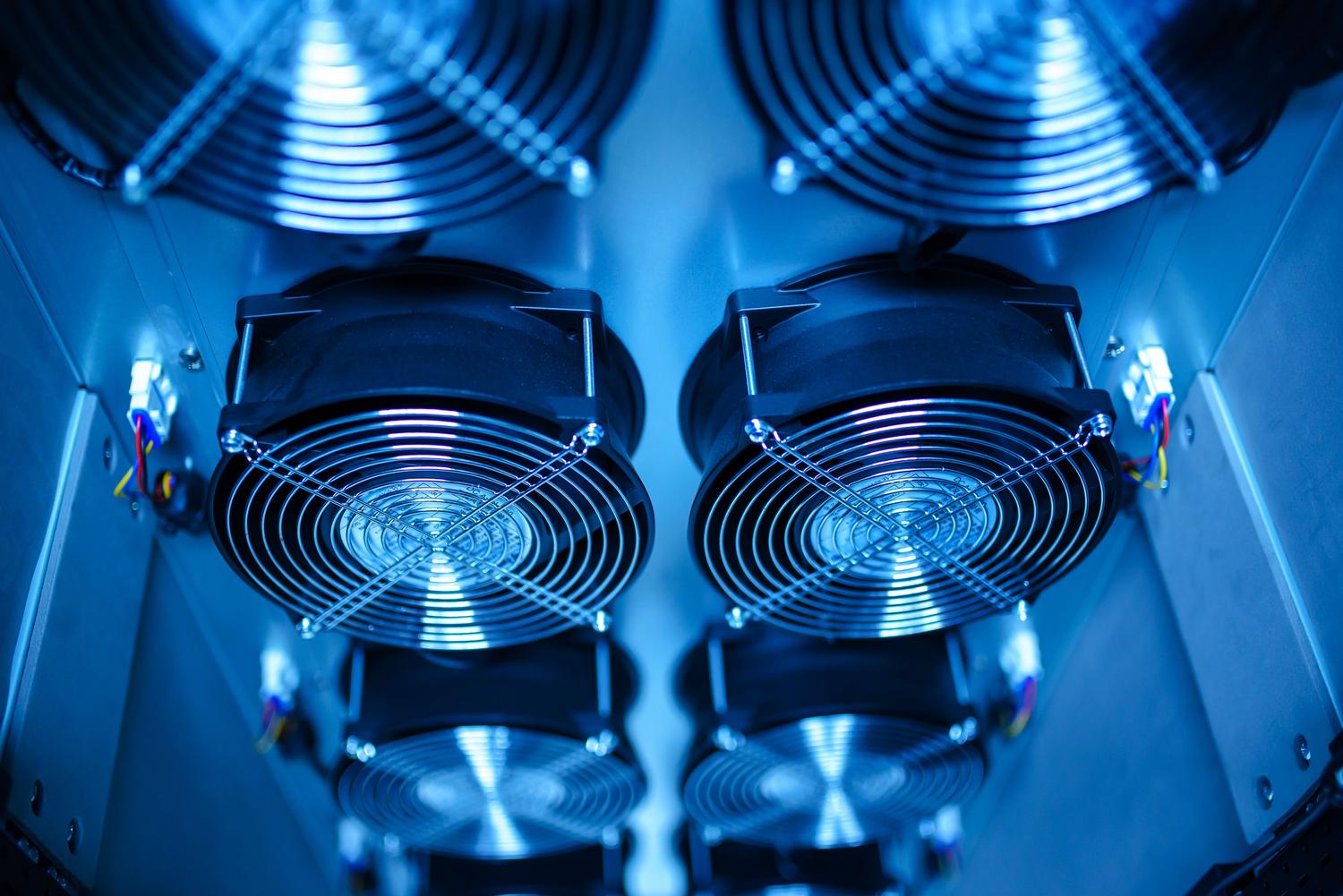
If we thought the above was impressive, Swiss researchers have gone a step further by creating chips that don't need external cooling. They have managed to integrate microtubules directly into the semiconductor material . Instead of trying to cool the chip from the outside, the coolant flows right next to the transistor.
This system is a true technical marvel, capable of dissipating over 1,7 kW of heat per square centimeter with minimal energy consumption. By eliminating the need for external heat sinks, the process is more economical and allows for much more compact designs , paving the way for a new era of cool-running supercomputers and mobile devices.
Sustainability and intelligent control
The current trend is moving towards the use of natural refrigerants, such as ammonia (R-717) or propane (R-290), which have a near-zero environmental impact. When we combine these fluids with microchannel design and a digital control system based on PLCs and frequency inverters, we obtain machines that not only react to, but also anticipate, the plant's cooling demands.
From the food and pharmaceutical industries to cold chain logistics, the key lies in modulation. Modern systems can operate within a range of 25% to 100% of their capacity, avoiding the energy spikes associated with traditional on/off cycles. This, combined with ease of integration with Building Management Systems (BMS), makes microchannel technology the smartest choice for any infrastructure seeking both profitability and environmental responsibility.
The transition to microchannels represents a paradigm shift where miniaturization and materials science enable unprecedented thermal performance. Whether implementing aluminum capacitors in large industrial plants or integrating flow channels at the heart of a microprocessor, the goal is the same: to maximize energy transfer while reducing environmental impact and operating costs, thus consolidating a technology that is simultaneously more powerful, lighter, and more sustainable.