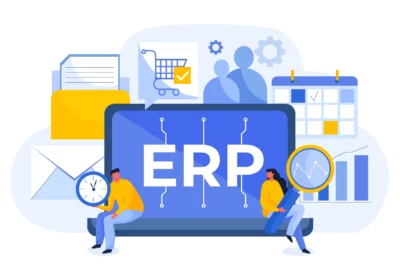
- Integrating HR tools with ERP systems allows for the centralization of information and the elimination of duplication of operational data.
- The use of SaaS models and open APIs facilitates scalability and automation of administrative and regulatory tasks.
- There is a wide variety of specialized solutions, from comprehensive suites for large corporations to modular tools for SMEs.
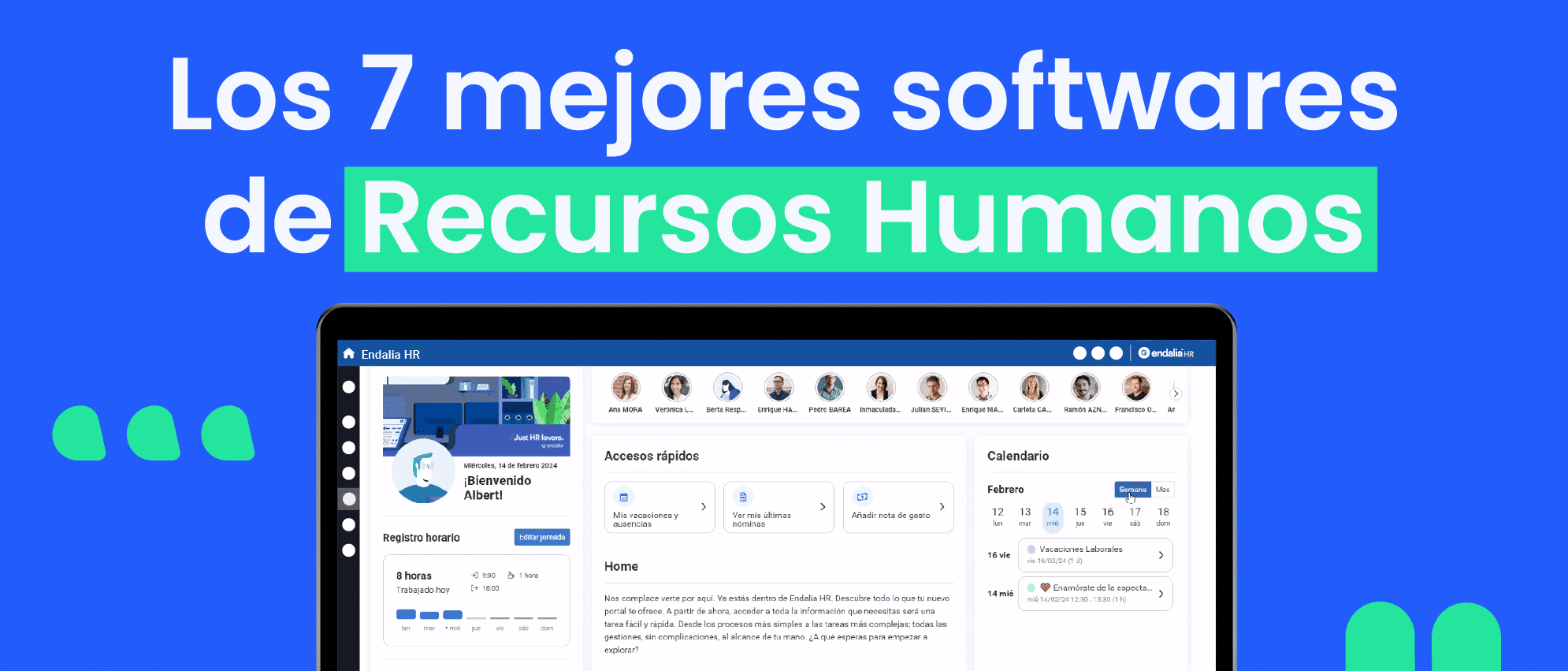
In recent times, the way we manage human capital has undergone a complete transformation. We're no longer in a position to waste time with endless spreadsheets or rigid programs that don't communicate with each other; now, integrated digital ecosystems reign supreme , seeking above all to make the company more efficient and ensure that decisions are based on real data , not guesswork.
When we talk about HR software, its true potential lies not only in the tool itself, but also in its ability to connect with other common business management applications . Ensuring seamless information flow between departments is key to preventing productivity from plummeting and transforming the team from mere document managers into a strategic driver of the business.

Why is it essential to integrate HR software with the rest of the company?
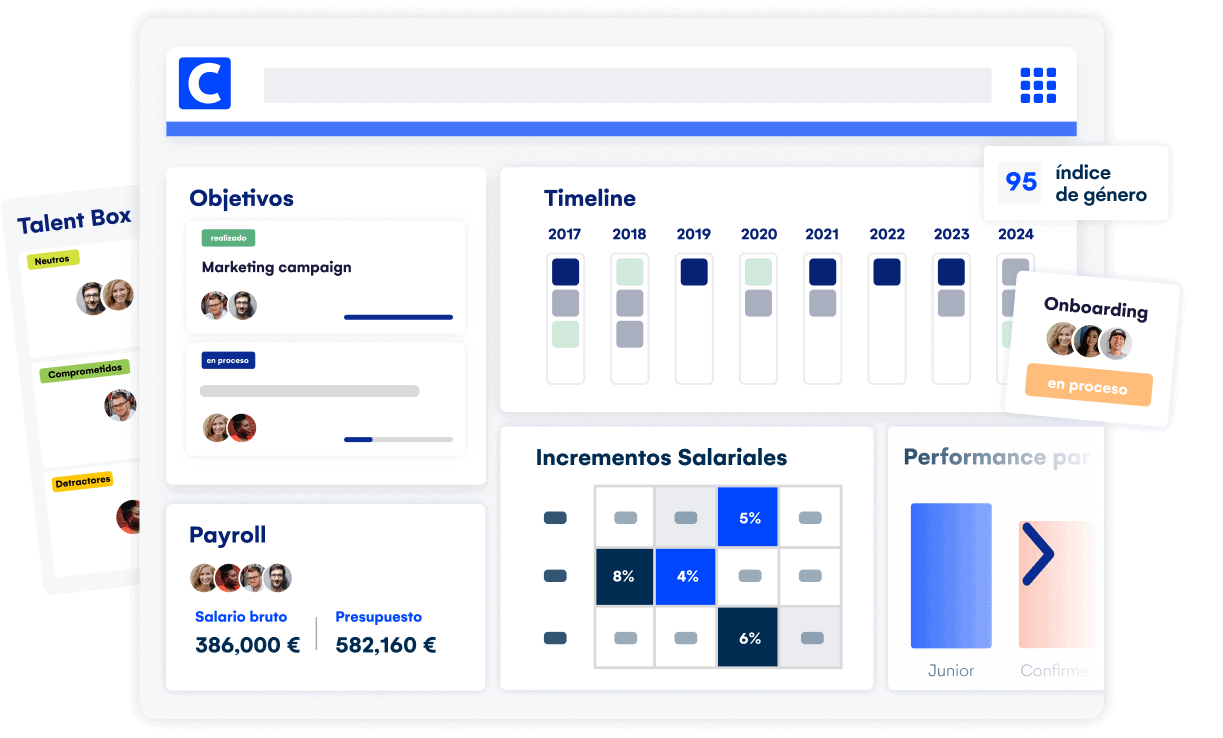
Human resources management cannot operate in isolation. For a company to perform at its best, communication between the HR department and all other areas must be seamless. By integrating these tools, data is centralized , preventing information from being scattered across ten different locations and drastically reducing time-consuming manual tasks.
Among the main reasons for taking this step is the improved user experience , since nobody wants to constantly switch between tabs. Furthermore, it allows for the automation of employee onboarding and offboarding , real-time synchronization of business information, and enhanced security, ensuring that everything complies with current data protection regulations.

If we analyze the specific benefits, consolidating information prevents critical errors and redundancies. Automating processes , such as payroll generation or shift scheduling, frees up professionals to focus on talent development . Likewise, connecting to an ERP or financial software facilitates budget planning and interdepartmental coordination, providing vital flexibility and scalability for any business that wants to grow sustainably.
SaaS: The cloud revolution in human capital management
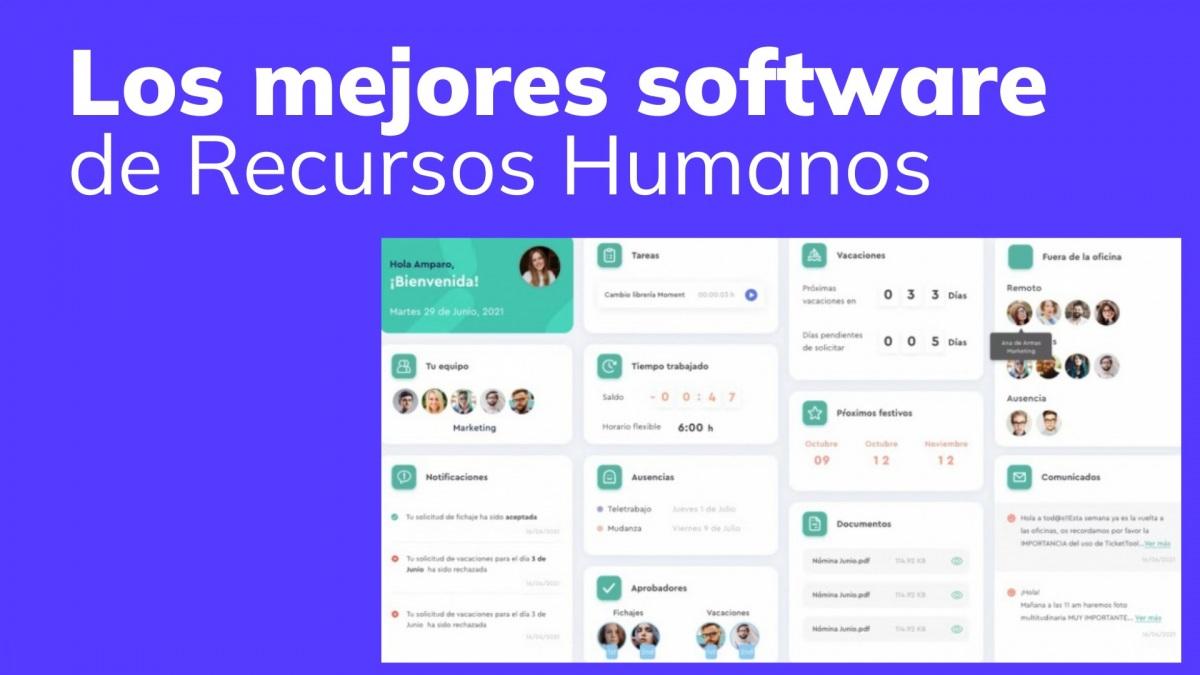
The Software as a Service (SaaS) concept has changed the game. There's no longer a need to install heavyweight programs on your own servers or struggle with manual updates; now all you need is an internet connection to manage everything from any device. This provides immediate availability and security that is constantly updated by the provider.
For SMEs, the SaaS model is a breath of fresh air thanks to its modular nature . This means you can start with the most basic functions and, as the company grows, add modules for recruitment, compensation, or performance evaluation. Furthermore, the advent of artificial intelligence now allows for predictions about talent retention and optimized team management with technology.

Analysis of the best HR software solutions.
There is no single tool that will work for everyone, as each company has its own priorities. Below, we review some of the most powerful options on the market:
- Factorial and Bizneo: Both are very complete and scalable platforms, ideal for SMEs looking to centralize time tracking, digital signatures, and document management in one place. Bizneo stands out for being very economicalwhile Factorial is highly valued for its ability to adapt to the company's growth.
- Lucca and Personio: Lucca offers a powerful modular suite for international companies, allowing them to contract only what they need. Personio, on the other hand, shines for its simplicity and ease of customization, covering the entire employee lifecycle.
- Coverflex and Deel: Coverflex specializes in the flexible remunerationimproving net pay through tax advantages. Deel, on the other hand, is the ultimate tool for those who have international teams and they need to manage payroll in multiple currencies and legal jurisdictions.
- Cegid Talentsoft and Oracle HCM: These solutions are designed for large corporations. Oracle stands out for its Native AI and a total integration of finance and people, while Talentsoft focuses on advanced talent lifecycle management.
- Combo and TramitApp: For sectors such as hospitality or retail, Combo is unbeatable in the shift planning and time tracking. TramitApp uses advanced AI to guide the user through complex processes in a self-managed way.
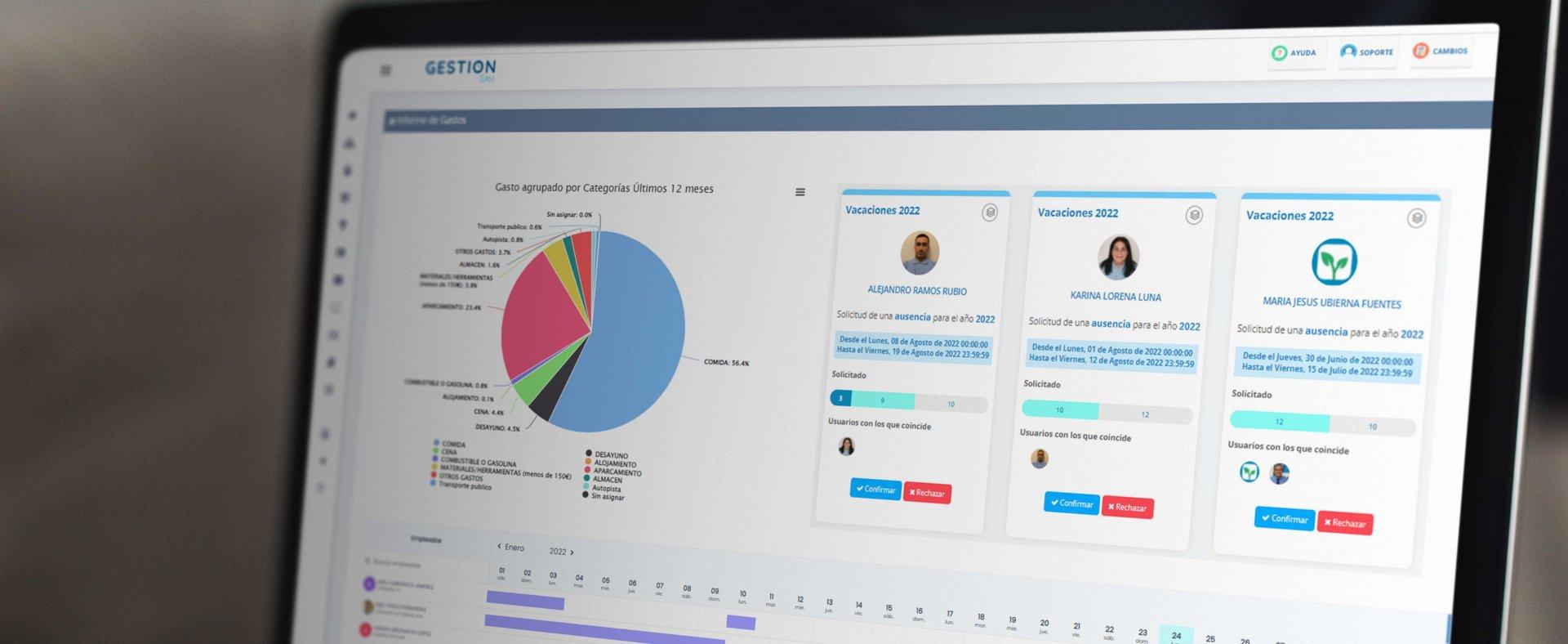
How to achieve effective technical integration
To ensure seamless communication between HR software and ERP systems, several technical approaches exist. The most common is the use of open APIs (REST or SOAP) , which act as bridges, allowing a programmer to connect both systems without data fragmentation. Integrated cloud software solutions also exist , where the ERP already includes a personnel module, although this sometimes falls short for more advanced needs.
In very specific cases, some companies opt for custom development , creating their own tool tailored 100% to their workflows, a common practice in in-house environments. Regardless of the approach, the goal is always the same: to avoid data redundancy and ensure that information is reliable and updated in real time.

Keys to choosing the right tool and avoiding mistakes
When choosing software, it's vital not to be swayed solely by price. A cheap system that doesn't comply with mandatory time tracking in Spain can end up costing a fortune in fines. Ideally, you should look for a scalable solution that adapts to your specific sector (managing a law firm is not the same as managing a restaurant chain).
Another critical mistake is ignoring integration capabilities . If the HR software doesn't communicate with the payroll tool or the point-of-sale system, work will simply be duplicated. Therefore, it's essential to involve the team in the decision-making process and request a demo to ensure the interface is intuitive and that employees will actually use it.
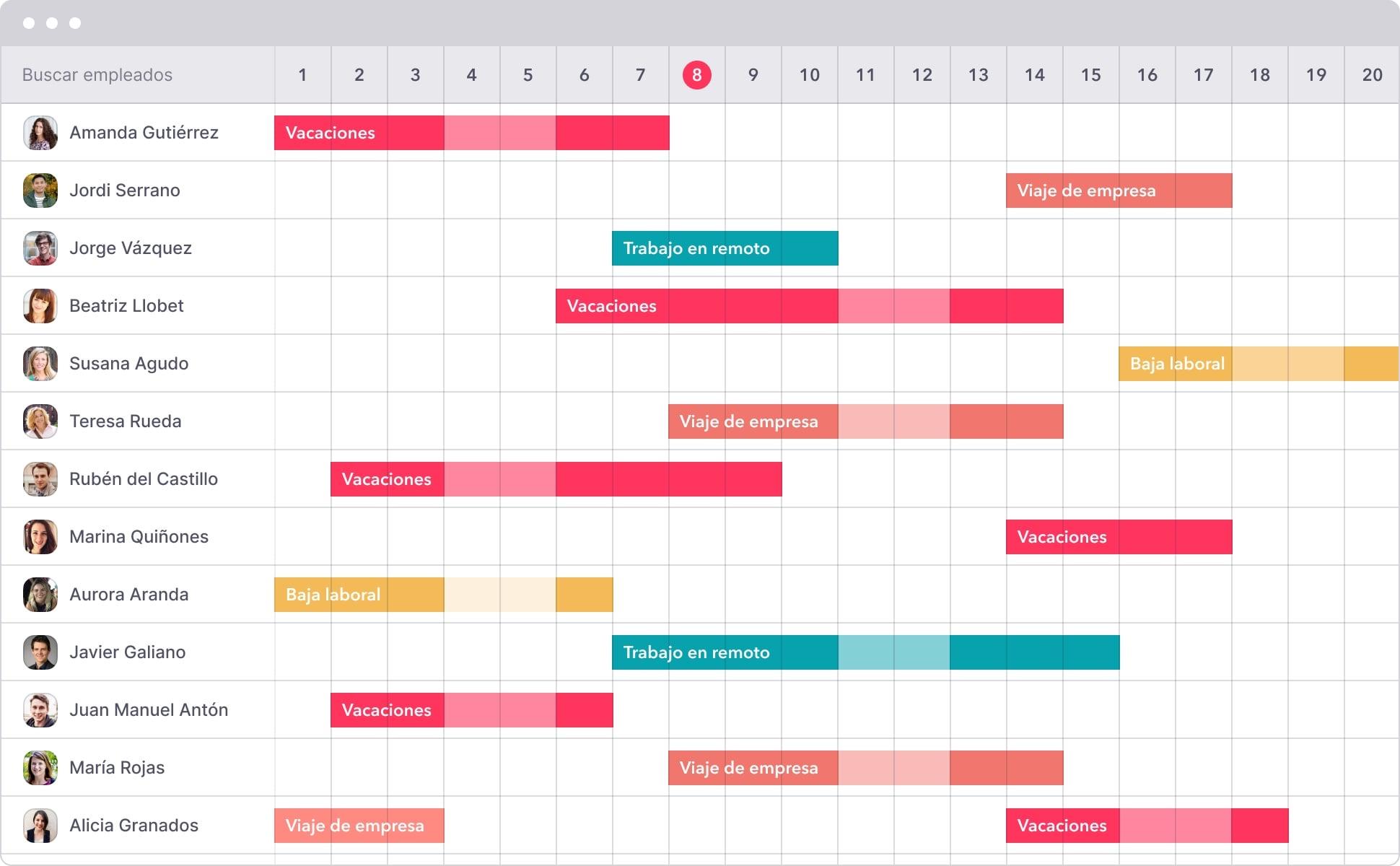
Digitizing HR management by combining ERP systems with specialized SaaS tools allows companies to drastically reduce their administrative burden and focus on what truly matters: strategy and employee well-being. By choosing a platform that combines automation, regulatory compliance, and robust interconnectivity, any organization can transform its human resources department into an efficient, cost-effective area fully adapted to the demands of today's market.