- Implementation of intelligent control using the ESP8266 chip using frameworks such as ESPHome or custom Arduino code.
- Hardware options ranging from flashing inexpensive motors to installing high-end home automation switches.
- Remote management capability via MQTT protocols, REST API and compatibility with voice assistants such as Google Home or Alexa.
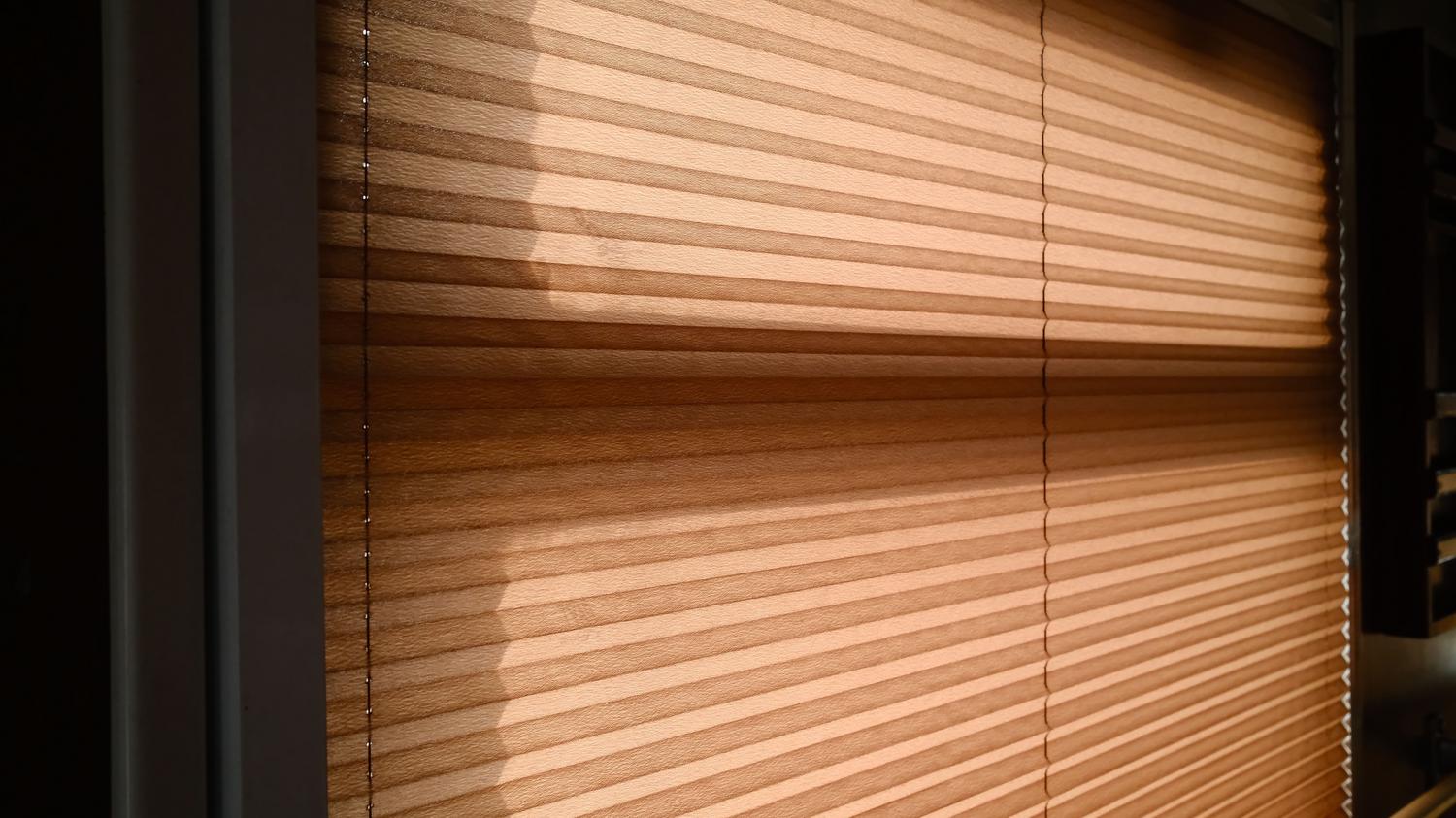
If you're tired of struggling with the blind cords every morning, or simply want to give your home a modern touch, automating your blinds and shades is the next logical step. These days, you don't need to spend a fortune or hire a renovation company to have complete control over your home's lighting from the comfort of your sofa, or even when you're not home.
To achieve this, the ESP8266 chip has become the star of the moment thanks to its absurdly low price and its more than adequate performance for these tasks. Whether you prefer to build the circuit yourself with a NodeMCU or buy devices that come ready to be flashed, the possibilities are enormous for improving daily comfort and saving time.

DIY solutions with ESPHome and NodeMCU
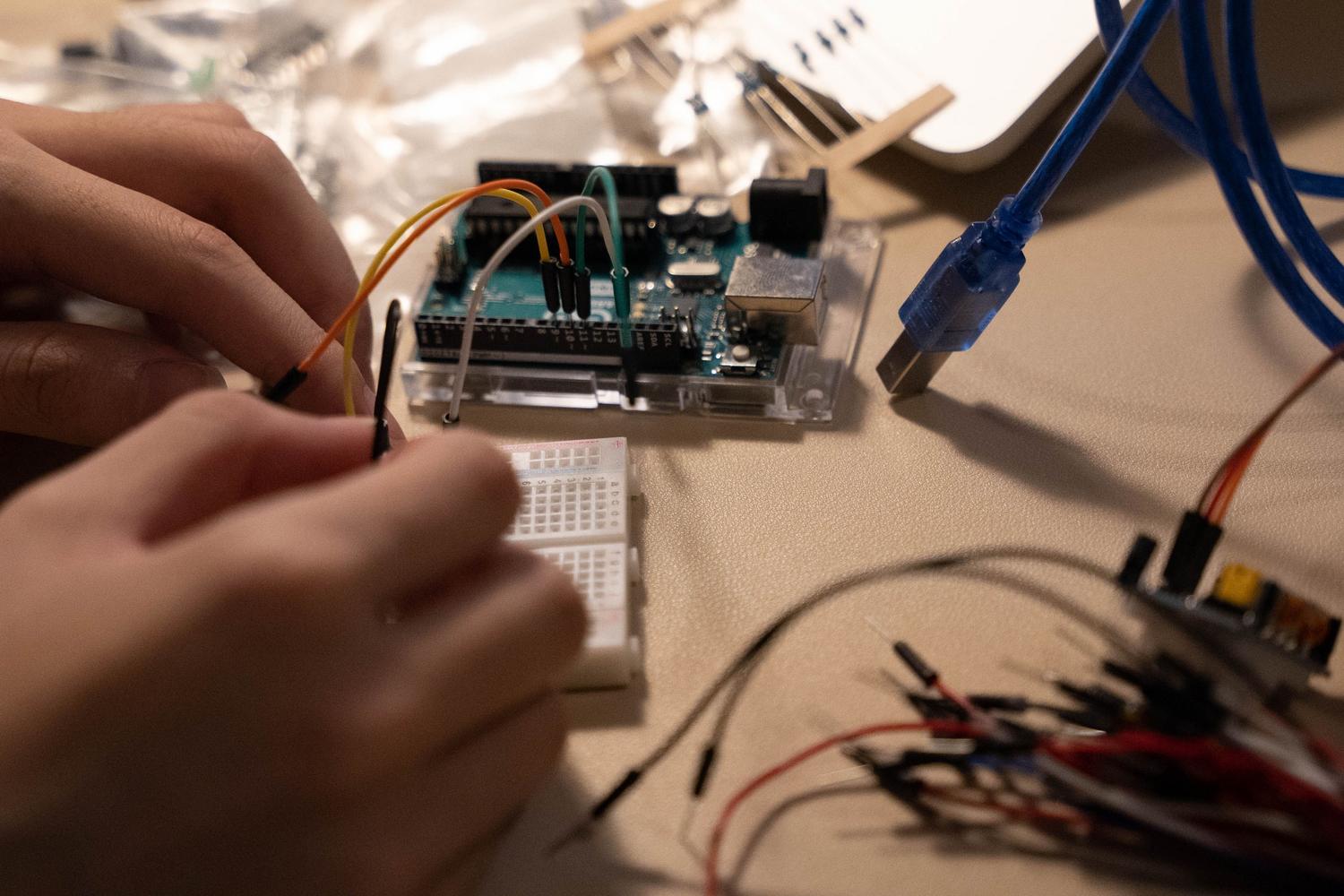
For those who enjoy getting their hands dirty with a soldering iron, using ESPHome is probably the best option currently available. Unlike traditional Arduino sketches, ESPHome allows you to manage the hardware using YAML configuration files, which greatly simplifies integration with Home Assistant . A common problem when motorizing blinds is that the travel distance may not be precise, causing the 0% and 100% positions to result in closed states if the motor rotates too far. This is solved by adjusting the endstop value , which is the maximum number of steps the stepper motor can take (for example, by setting a limit of 750 steps).
In a typical physical setup, a driver like the A4988 is used for stepper motors . Precise connections are crucial, such as soldering the rest pin to the driver's reset pin and configuring the step, direction, and sleep pins on the NodeMCU. To prevent the blinds from becoming misaligned over time, it's highly recommended to program a reset switch that forces the blind to rise to a maximum limit (for example, 1500 steps) and then lower it to absolute zero, thus restoring the mechanism's true position.

Custom programming using Arduino IDE
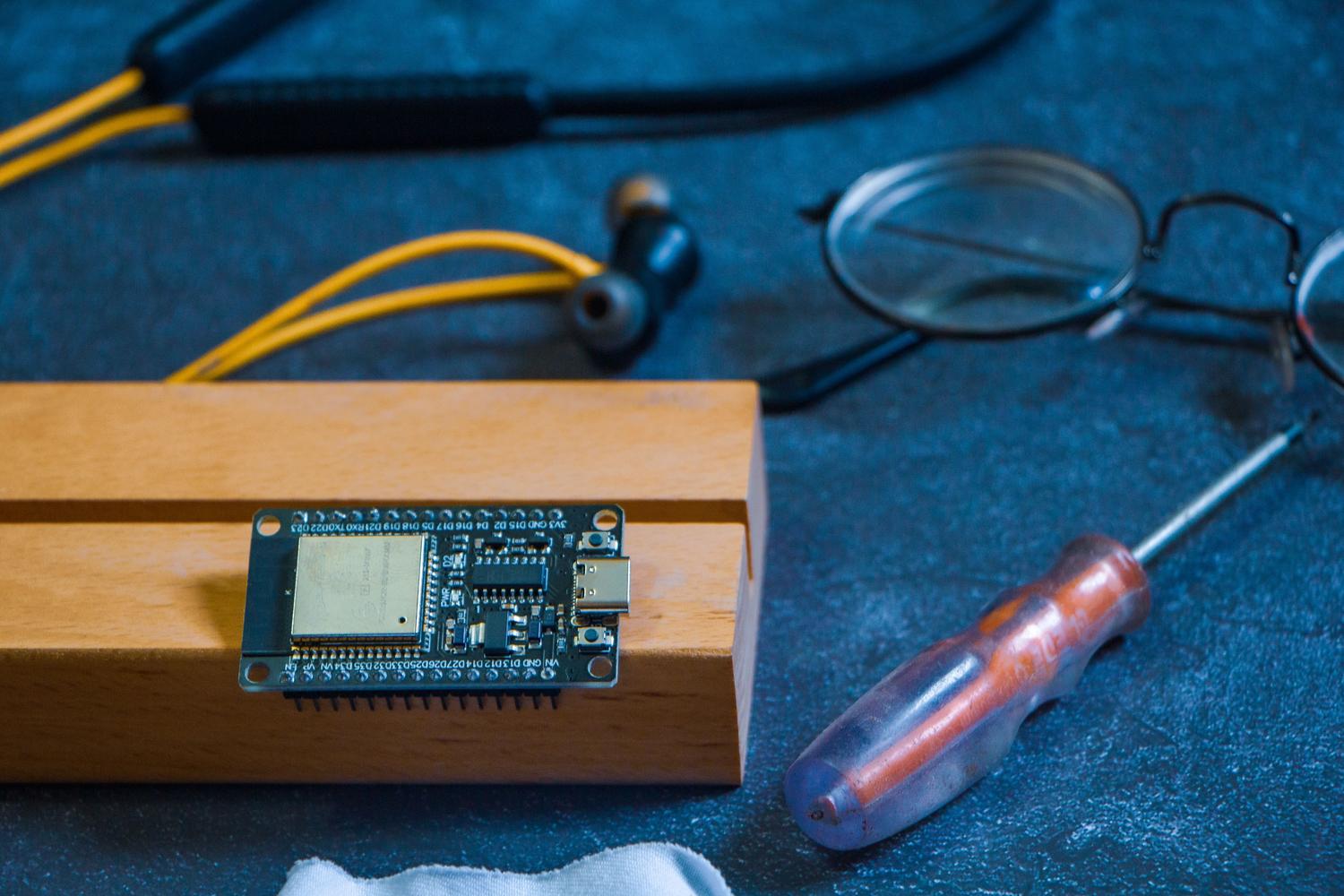
If you prefer to have complete control over the code, you can develop your own web server using the ESP8266WiFi.h library . By sending specific bit frames through an output pin (such as D2), you can send up, down, and stop commands to the motors. This method involves creating a simple HTTP server that listens for requests like "P1Up" or "P1Down," allowing you to control multiple blinds independently from any web browser connected to the local network.
One advantage of this approach is the ability to define static IP addresses so the device is always discoverable on the network, preventing the router from changing the IP address and rendering the system unusable. Additionally, visual indicators can be added, such as an LED on pin D4 , that blinks each time a command is received, confirming that the Wi-Fi communication is working correctly.

Commercial alternatives and off-the-shelf hardware

Not everything has to involve soldering and coding. There are WiFi switches on the market specifically designed for blinds that are very affordable, some for under €30 . These devices are usually based on the ESP8266 chip, which means that if you don't like the official app, you can flash them with your own firmware to eliminate reliance on the cloud and improve your privacy.
For those seeking a more aesthetically pleasing and professional option, brands like Simon offer ranges such as the Simon 270 iO or 100 iO . These systems include master and individual switches with aluminum, matte black, or gold finishes, and offer three clear positions: up, down, and stop. The major advantage of these modules is their integrated native support for MQTT and REST APIs, facilitating connection with actuators in smart buildings without excessive technical complexity.
Benefits of home automation in blinds
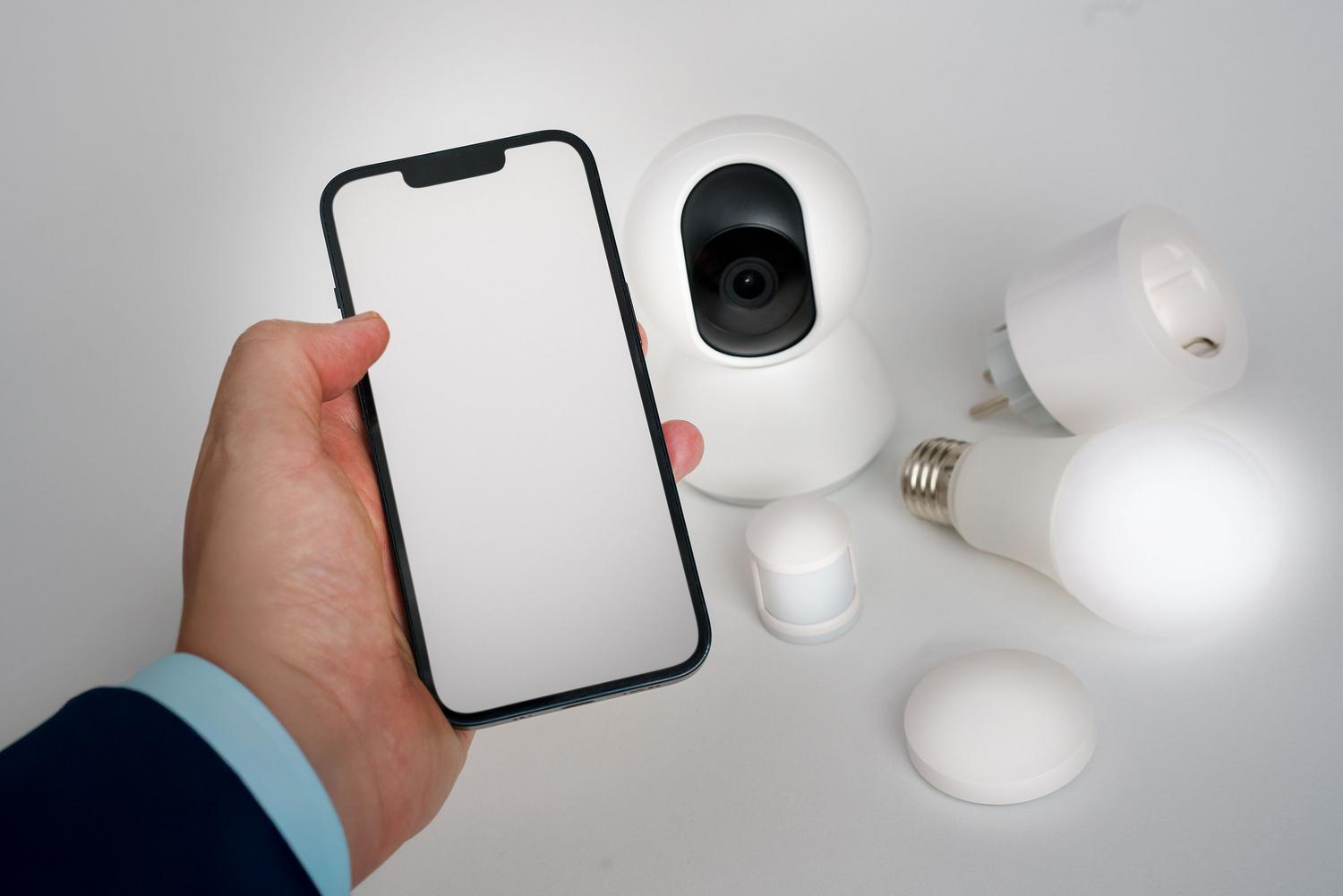
Beyond convenience, motorizing blinds has a real impact on the durability of the materials . By eliminating the sudden jerks of the manual cord, wear and tear on the slats, rails, and pulleys is drastically reduced. Furthermore, for people with reduced mobility, voice control via Alexa or Google Assistant transforms a tedious task into something instantaneous, promoting accessible home automation for seniors.
The ability to program schedules allows the house to manage itself; for example, the blinds can automatically lower during the hottest hours to keep the house cool, thus optimizing energy efficiency in smart buildings . Thanks to the fact that many of these modules include electricity consumption meters , it is also possible to monitor how much energy each motor uses during its operating cycle.
From using powerful frameworks like ESPHome to choosing MQTT-compatible off-the-shelf switches, automating blinds with the ESP8266 offers a perfect balance between cost and functionality. Whether it's precisely adjusting the steps of a stepper motor or installing aesthetically pleasing push buttons, integrating Wi-Fi control into your home allows you to optimize lighting, improve security, and extend the lifespan of your fixtures—all manageable from a smartphone or via voice commands.
