- CCTV is a closed, wired and robust system, ideal for large warehouses or environments without internet.
- Smart (IP) cameras offer remote access, AI analytics, and much simpler installation.
- The choice depends on the balance between the need for absolute reliability versus flexibility and mobile automation.
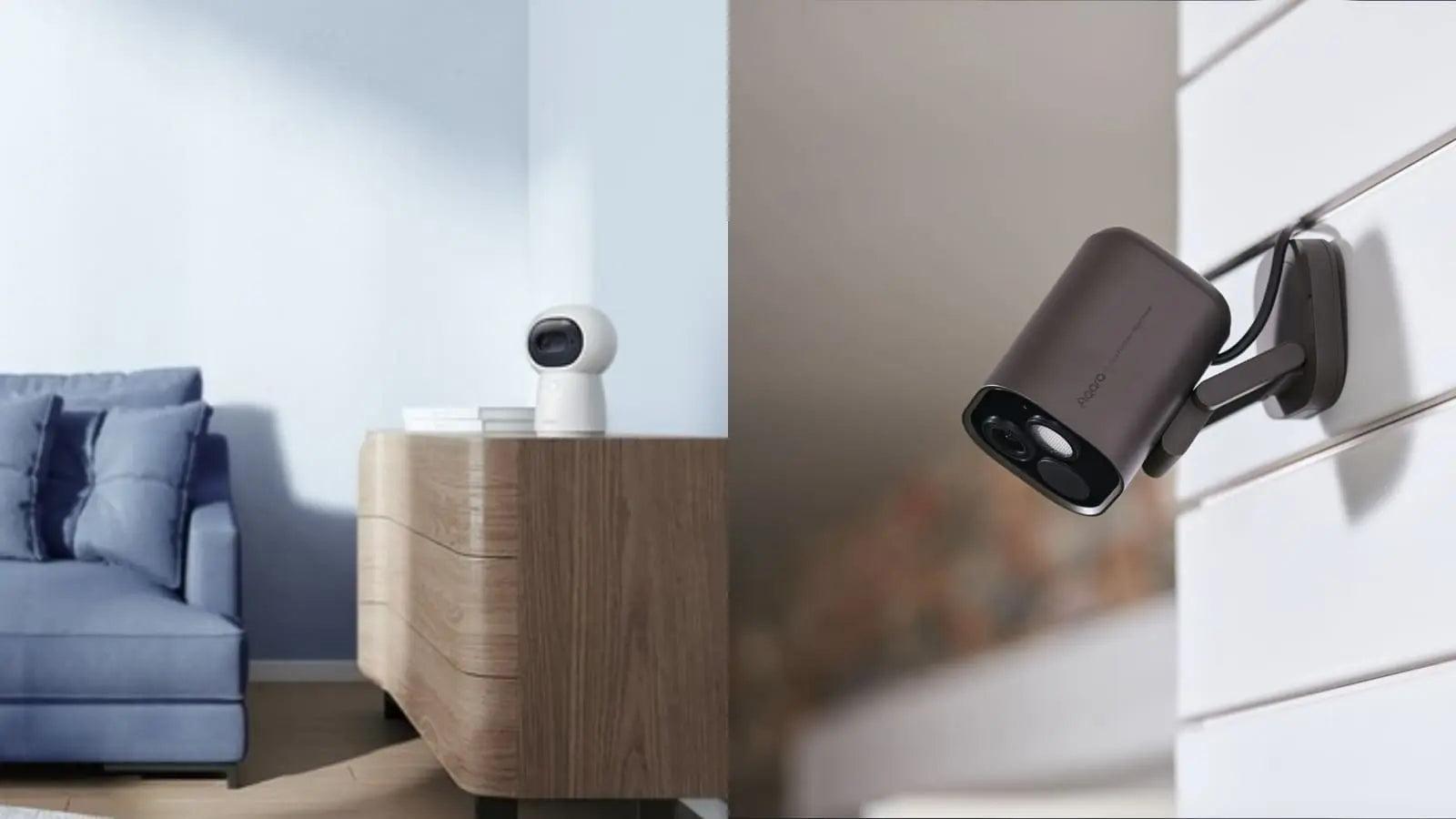
I'm sure it's happened to you: you walk into an old building and see that row of screens with blurry, black-and-white images, and you wonder if it's really still the best way to protect what we value. In an age where our phones are practically an extension of our hands, it's curious that doubts still exist about whether to stick with traditional CCTV systems or dive headfirst into modern smart cameras. If you want peace of mind and don't want technology to give you headaches, it's essential to understand what's behind each option.
It's not just about installing a camera and calling it a day; it's about understanding whether you need the robustness of a closed system or the versatility of the cloud and artificial intelligence. Depending on whether you want to monitor your living room, your baby's room, or a 1,000-square-meter industrial warehouse, the answer will change completely. We're going to thoroughly analyze these technologies so you don't get swayed by empty technical specifications and can choose what truly fits your daily needs.

What exactly is CCTV and how does it work?
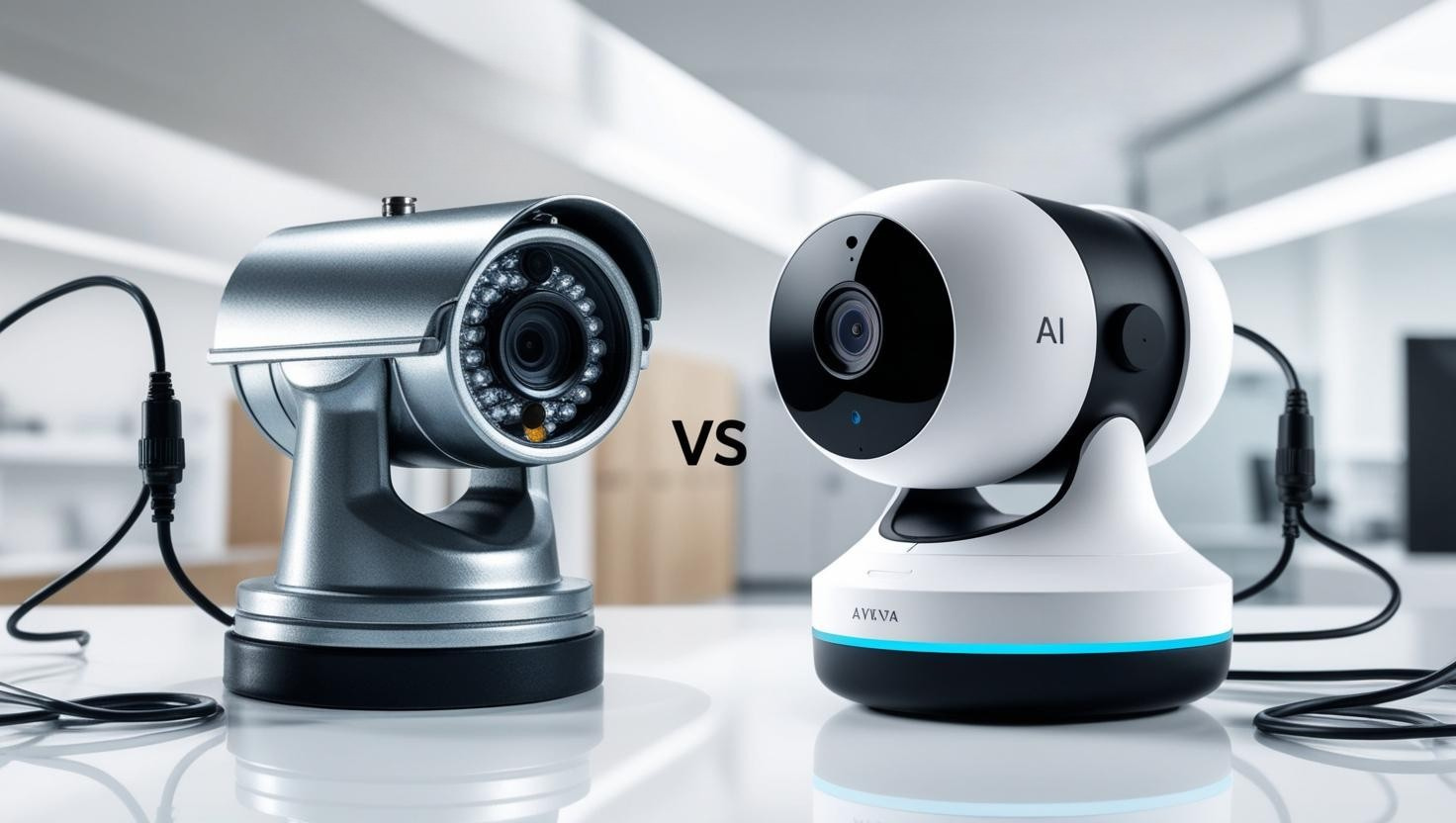
When we talk about CCTV, we're referring to Closed Circuit Television. Simply put, it's a system where everything stays "in-house." There's no internet or cloud-based connection; just coaxial cables running from the camera to a control center, usually a DVR (Digital Video Recorder) tucked away in some dusty closet.
Setting up one of these systems is, frankly, a serious project. Forget about doing it in five minutes; this involves drilling into walls , running meters of cable, and most likely calling in a professional to avoid a mess of unsightly wires. Once everything is in place, the system is rock solid: it records 24/7 and isn't affected by router malfunctions or Wi-Fi outages.
However, there's no flexibility. If you want to review what happened three days ago, you have to sit in front of your monitor and manually advance through hours of recordings. Remote access isn't the norm; unless you've paid extra for sophisticated setups, you won't be able to see what's happening in your business while you're sunbathing on the beach.

The revolution of IP cameras and smart security
This is where things get interesting. IP (Internet Protocol) cameras are basically computers that capture video and send it over your Wi-Fi or Ethernet network. Installation is a breeze: plug the camera into a power outlet, connect it to your network, and you're up and running in minutes . No need to be an electrical expert or tear down half a wall.
The biggest advantage is that you have complete control right in your pocket. Thanks to cloud connectivity , you can receive real-time notifications on your smartphone. If someone enters your yard or the dog makes a mess in the living room, you'll know instantly. Plus, image quality has taken an incredible leap, going from the grainy look of the past to 2K or even 4K resolutions with crystal-clear detail.
But what truly changes the game is Artificial Intelligence. These cameras don't just record; they "understand" what they see and allow the use of AI in security to optimize detection. They can differentiate between a person, a pet, or a package left by a delivery person, preventing you from waking up at 3 a.m. because a squirrel has walked past the sensor. Furthermore, they integrate with ecosystems like Alexa, Google Home, and Siri, allowing you to control security with your voice.
Key differences: Direct comparison
To avoid getting lost in all this information, let's summarize the points where these two worlds clash. First, CCTV installation is complex and requires professional expertise, while smart camera installation is DIY-style and very quick.
- Image quality: CCTV is usually standard or analog; IP offers high definition and crystal-clear detail.
- Access: In the traditional system access is local; in the smart system it is from anywhere in the world.
- Storage: CCTV relies on a physical hard drive (DVR/NVR), while IP uses SD cards or the cloud.
- Intelligence: CCTV records and that's it; modern cameras detect faces and generate smart alerts.
If we analyze the cost, IP cameras may seem cheaper at first, although cloud storage usually involves a monthly fee. CCTV has a higher deployment cost due to cabling and specialized labor, even though you don't pay subscriptions afterward.

Security camera vs. surveillance camera: Are they the same?
Many people use these terms interchangeably, but there are legal and functional nuances. Security cameras are usually visible to serve as a deterrent . Their purpose is for the thief to see the camera and decide it's not worth trying. They are common at store entrances and on building facades.
On the other hand, surveillance cameras are usually more discreet or even hidden. Their function is proactive monitoring and evidence gathering without the subject knowing they are being recorded. This is where we enter murky waters with the General Data Protection Regulation (GDPR), as it is mandatory to inform people, via signs, that recording is taking place, especially in workplaces or retail establishments.
It is crucial to remember that installing cameras in private areas such as bathrooms or changing rooms is a serious violation of privacy . The law in Spain is very clear: images must normally be deleted within 30 days, and audio cannot be recorded without very specific and justified consent.
Types and formats: Which one to choose depending on the space?
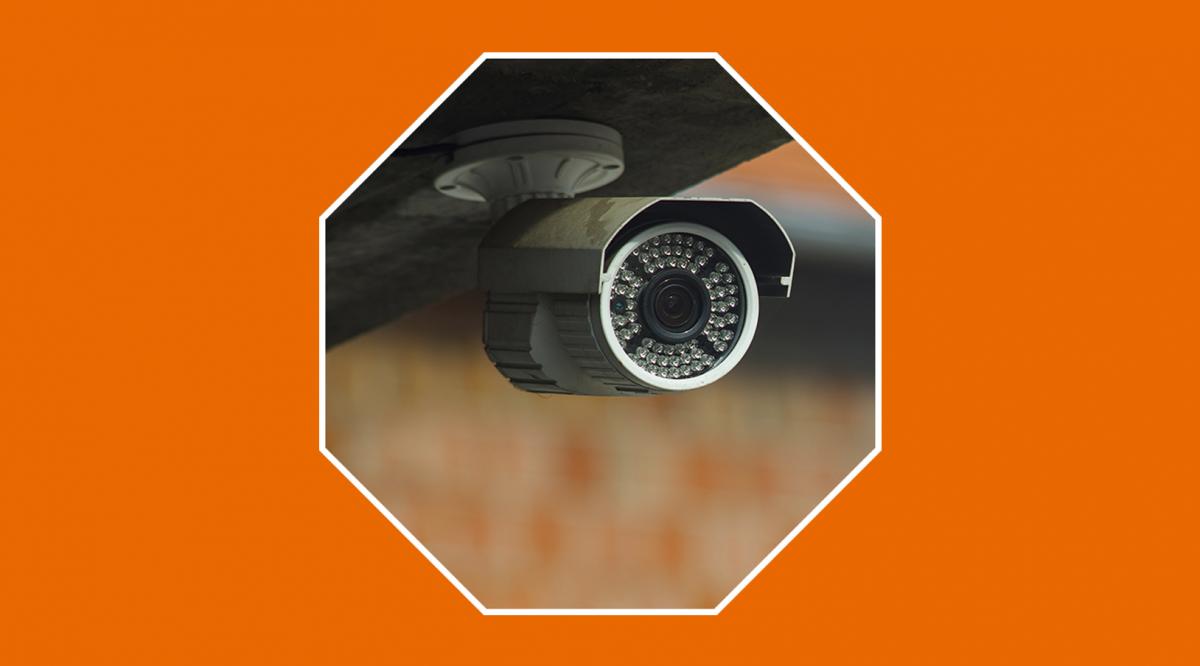
Not all cameras are the same shape or serve the same purpose. If you're looking for something discreet for a ceiling, dome cameras are the best option due to their semi-spherical design. If you want surveillance to be obvious and deter potential intruders, bullet-style outdoor security cameras are the way to go, as their elongated body is highly visible.
For those who need to cover huge areas, there are PTZ (Pan-Tilt-Zoom) cameras. These amazing devices allow you to rotate 360 degrees , tilt, and zoom powerfully, all remotely controlled. They are ideal for parking lots, shopping centers, or large industrial warehouses where a fixed camera would fall short.
When it comes to the exterior, don't trust just any model. Always look for IP66 or IP67 certification , especially if you're choosing outdoor WiFi security cameras . This guarantees that the camera won't fail in the first storm and will withstand extreme temperatures, from polar cold to the sweltering heat of a Spanish summer, while maintaining clear night vision.
To complete the picture, we need to consider connectivity. WiFi cameras are ideal for those renting an apartment or wanting a quick setup. However, for a business with 20 cameras, the best option is a PoE (Power over Ethernet ) system, which transmits power and data over a single cable, preventing interference and signal drops.
Modern security boils down to finding the balance between the reliability of wired connections and the magic of artificial intelligence. While CCTV remains the silent guardian of department stores, IP cameras have democratized home protection, allowing us to monitor our loved ones and belongings with a simple tap on our mobile screen, integrating into an ecosystem where the light automatically turns on if the camera detects suspicious movement at midnight.