- Additive manufacturing allows the creation of dishes with complex geometries and customized textures through the use of edible purees and pastes.
- This technology promotes food sustainability by reducing waste and integrating alternative proteins such as insects or plant-based meat.
- Its application is fundamental in clinical nutrition and haute cuisine, allowing nutrients to be adjusted according to the medical needs of each patient.
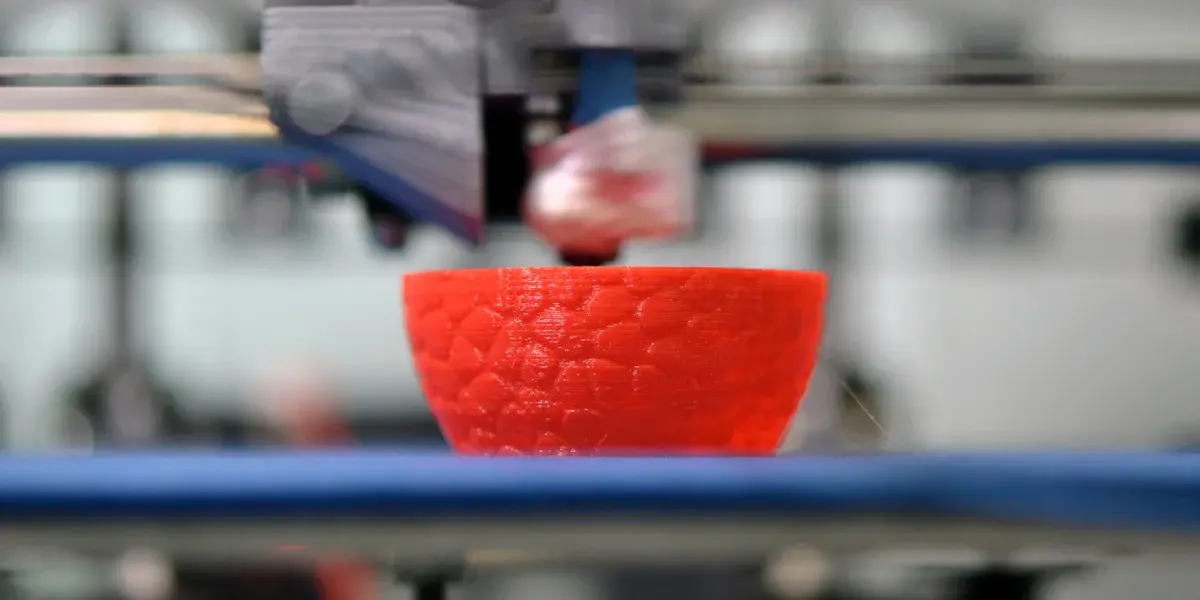
Have you ever imagined eating a digitally designed meal created on a computer? What seemed like science fiction just a few years ago is now a tangible reality. The arrival of 3D printing in the kitchen isn't just a visual trick to impress diners; it represents a paradigm shift in how we understand food, allowing for precise customization of both flavor and nutritional value.
This movement, closely linked to molecular gastronomy due to its scientific approach, seeks to break down the barriers of traditional cuisine. It's not just about creating unusual shapes, but about addressing global issues like food waste and carbon footprint, opening the door to ingredients that once repulsed us but are now true superfoods, thanks to the latest advances in science and technology .

How exactly does this system work?
Unlike the machines we use to make plastic figures, this is food additive manufacturing . The process involves depositing successive layers of an edible ingredient one on top of the other until the desired piece is achieved. Essentially, the ink cartridge or filament is replaced with pastes, purees, or gels that have the right consistency to flow and hold their shape.
It all starts with a digital design. Specialized software translates the desired shape into precise instructions for the printer nozzle to move exactly. This is the step where critical details such as temperature , output speed, and layer thickness are adjusted, since each food item behaves differently as it exits the nozzle.
For this to work, the ingredient must undergo some preparation. You can't just throw in a whole piece of carrot; you need to grind or emulsify it into a homogeneous paste, controlling aspects like viscosity, which is a common issue in everyday life , to ensure proper flow. Depending on the material, the printer may use heat or even ultraviolet light to solidify the structure and prevent it from crumbling at the end of the process.

Types of food that can now be printed
The versatility of this technology is astounding. One of the sectors that has benefited the most is pastry making, especially with chocolate and sugar printing . These materials are difficult to handle by hand due to temperature changes, but with a syringe and a pressure pump, chefs can create complex geometric structures that would be impossible with traditional molds.
- Alternative proteins: Companies like NovaMeat create vegan meat with realistic textures, while Aleph Farms works on bioprinting real meat from cells.
- Vegetables and fruits: From artistically shaped mashed potatoes to solid carrots created with vegetable dyes.
- Full meals: There are already prototypes of fully automated pizzas by BeeHex or pastas with elegant designs by Barilla.
- Liquid innovations: There are systems that print powders on biodegradable cups that turn into drinks when water is added.
Impact on health and personalized nutrition
One of the strongest points of this technology is its medical application. Imagine patients with swallowing difficulties who can only eat purees; 3D printing allows us to recreate the appearance and taste of real food, adapting the texture to their needs and restoring the visual pleasure of eating.
Furthermore, it allows for precise nutrient dosing . We could program the machine to add protein supplements for an athlete or specific vitamins for someone with a medical deficiency, all integrated into the same dish. This allows us to introduce superfoods like moringa or amaranth, which have a strong flavor or unusual texture, but which, when 3D processed, become much more palatable.
Sustainability and the future of the sector
3D printing is an ally in the fight against hunger and climate change. By precisely measuring ingredients, it drastically reduces waste of raw materials. Even parts of vegetables that we usually throw away, such as peels or roots, are being used and processed to become part of the printable mixture.
Another significant step forward is the integration of edible insects . Although they may be off-putting to many, they are an incredibly sustainable source of protein. By turning them into flour and then printing them into cookies or bars, cultural barriers are eliminated and dependence on intensive livestock farming is reduced, lowering the planet's carbon footprint.
Challenges and barriers to overcome
It's not all sunshine and roses. Currently, these machines are quite expensive and are reserved for laboratories, research centers, or high-end kitchens. It's not something we're going to see in every home tomorrow, as there's a steep learning curve for both chefs and consumers.
There are also legal issues to resolve. Copyright for digital recipes will be a major hurdle, as it would be very easy to replicate a restaurant's signature dish simply by downloading the file. Furthermore, printing speed remains slow compared to traditional methods, limiting its use in fast-food services.
The food industry is moving towards a model where technology and gastronomy merge to create unique sensory experiences. While manual cooking will retain its sentimental and artisanal value, the ability to design customized foods, optimize natural resources, and improve people's health through additive manufacturing will make these machines indispensable tools for the restaurant industry of the future.
