- It features the Snapdragon G2 Gen 2 processor with 8GB of RAM and 128GB of expandable storage.
- It stands out for its 7-inch FHD screen at 120 Hz and a massive 9300 mAh battery.
- It runs OwlOS, an Android-based system optimized for controllers and emulation.
- It incorporates TMR anti-drift joysticks and a modular design that facilitates repair.
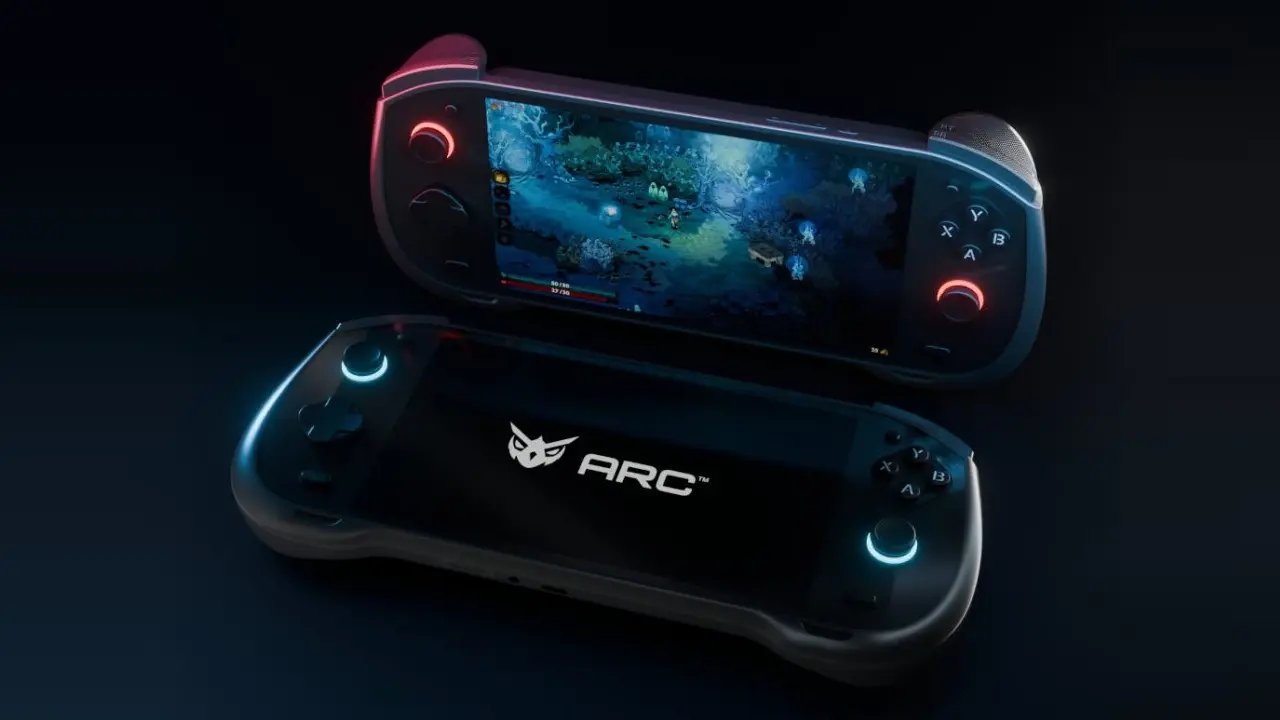
The Android handheld gaming market has been dominated for ages by Chinese companies like Retroid, Anbernic, and Ayaneo. However, the playing field is about to change because the Indian brand Arc has decided to enter the market with a device that promises to give the industry heavyweights a run for their money.
This is the Arc X1, a console that doesn't mess around and aims to balance powerful hardware with battery life that leaves the competition in the dust. It's designed for emulation enthusiasts as well as those who enjoy cloud gaming or native Android titles, all wrapped in a modern, ergonomic chassis.
Screen and visual quality
The first thing that catches your eye is its 7-inch LCD panel. It's not just any screen, as it offers Full HD resolution (1920 x 1080) and a 120Hz refresh rate, guaranteeing incredibly smooth gameplay. To protect it from scratches, it's covered with Gorilla Glass 3 and reaches a maximum brightness of over 500 nits, allowing for comfortable gaming even in brightly lit environments.
Heart and raw power
Under the hood, the Arc X1 hides Qualcomm's Snapdragon G2 Gen 2 processor . This 4nm SoC is designed specifically for mobile gaming and features a GoldPlus and Gold core architecture for maximum performance, along with Silver cores for energy efficiency. It's complemented by 8GB of LPDDR5X RAM and 128GB of UFS 3.1 internal storage, though if you run out of space, you can add a microSD card of up to 1TB.
In terms of performance, this machine is a beast for emulation. It handles classic systems like the NES, SNES, Mega Drive, and PlayStation 1 with ease. But the most exciting part is that, on paper, it's capable of running titles from the PS2, GameCube, Wii, Nintendo 3DS, and PS Vita . To prevent the console from overheating and suffering from the dreaded thermal throttling, Arc has implemented an active ventilation system with an owl-shaped rear grille that expels air from the top.
Controls designed to win
The controllers feature an asymmetrical design, very similar to the Xbox style, which is very comfortable for long gaming sessions. A key feature is their TMR joysticks ; this technology is an alternative to Hall effect joysticks that not only eliminates drift but is also more precise and consumes less battery power. Furthermore, the face buttons and D-pad use microswitches for a crisper tactile response.
For those seeking customization, the analog triggers include adjustable mechanical locks and there are two programmable buttons on the back. The experience is rounded out by a six-axis gyroscope and two LRA vibration motors, which offer a much more immersive haptic feedback than traditional motors.
OwlOS: An Android that doesn't look like Android
To avoid struggling with an awkward touch interface, the console debuts OwlOS . This system, based on AOSP, is essentially a controller-optimized layer that brings everything together in a unified launcher. From here, you can manage native games, streaming apps like Moonlight or Steam Link, and emulators. It even allows you to launch PC games using tools like Winlator, GameNative, or GameHub , letting you create specific performance profiles for each title.
Autonomy and connectivity
What makes the Arc X1 stand out is its 9.300 mAh battery . While most of its rivals stick to 8.000 mAh, Arc has opted for a higher capacity that can give you up to 8 hours of continuous gameplay. Charging is fast, supporting 27W USB Power Delivery , and it features a smart function to limit charging to 80%, thus extending the battery's lifespan.
In terms of connectivity, they haven't skimped: it includes Wi-Fi 6E, Bluetooth 5.4 , and a USB-C 3.1 Gen 1 port that allows you to output the image to an external display. It also retains the classic 3,5 mm headphone jack for those of us who prefer wired headphones.
Price, availability and repairability
One commendable detail is that Arc wants its console to last. The battery isn't glued in, the analog sticks are replaceable, and the internal boards are modular, making it easy for users to purchase official replacement components . As for the cost, the final price is around €375 (approximately 33.500 ₹), although there are early access options for around €307-€329 for those who join the waiting list. Pre-orders begin on October 2nd, and the first units are expected to reach users in the first quarter of 2027.
The Arc X1 presents itself as a robust and well-balanced alternative, combining the power of the Snapdragon G2 Gen 2 with a high-refresh-rate display and an exceptionally large battery. Thanks to its focus on repairability and its OwlOS software, it aims to position itself as the ultimate tool for portable gaming and advanced emulation, arriving on the market at a competitive price compared to options like the Odin 2.