- Prioritize user experience and optimization of internal processes before implementing automation.
- Implement AI gradually through small use cases and ongoing staff training.
- Ensuring data security and transparent communication to promote ethical adoption.
- Adapt the technical complexity of the model to the real problem, prioritizing explainability in industrial environments.

Implementing artificial intelligence in the business environment isn't about spending a fortune on the most expensive tool, but about knowing how to align the technology with the purpose . We often get carried away by the noise of social media or the fear of falling behind the competition, but the reality is that AI only truly shines when it's designed to enhance human capabilities , not to try to replace them entirely.
For a project of this magnitude not to fail, it's crucial to understand that AI must act as a strategic support mechanism . It's not about throwing algorithms into the air and hoping for a miracle, but about building a solid foundation where transparency, ethics, and constant oversight are the pillars that underpin every decision made by the system.

The human factor: the core of the strategy

One of the most common mistakes is becoming obsessed with the power of the software while forgetting about those who will be using it. Solutions that truly work are those that arise from listening to the real needs of employees and end users. It's pointless to adopt a tool simply because it's trendy if it doesn't solve a specific problem; ideally, the team should be involved from the very beginning so that AI becomes a genuine help, not a hindrance.
Furthermore, it's vital that organizations don't jump into the deep end without knowing how to swim. Before deploying complex models, they must work on the company's digital maturity , ensuring that process management and internal culture are ready. This should be complemented by training tailored to each employee's profile , preventing them from feeling overwhelmed by abrupt changes and giving them the necessary time to master the new tools.
Optimization and intelligent deployment

There's a golden rule every manager should take to heart: optimize first, automate later . If you automate a process that's already chaotic, all you'll achieve is a rapid increase in errors. It's far more cost-effective to dedicate initial time to cleaning up and improving the workflow so that AI can operate efficiently.
Instead of chasing a disruptive "giant leap" that will transform the company overnight, it's far smarter to focus on routine tasks and small use cases . Tackling manageable problems, such as ticket management, documentation, or self-service, allows for quick wins and learning from the process without taking excessive risks. This incremental approach is what typically leads to long-term success.

Knowledge management and prompt engineering

AI is only as good as the data it consumes. That's why it's crucial to structure and catalog an organization's internal knowledge. Many companies have goldmines of information that no one knows how to use because it's disorganized; cleaning this data allows AI to provide accurate answers and generate new insights to optimize the business.
On the other hand, we shouldn't make the mistake of switching tools every time AI gives us a mediocre answer. Often, the problem isn't the model, but the instruction. Prompt engineering is an undervalued art: defining clear objectives, providing detailed context, and specifying the exact requirements are key to getting the system to stop speculating and become truly useful.
Security, privacy and ethics in AI
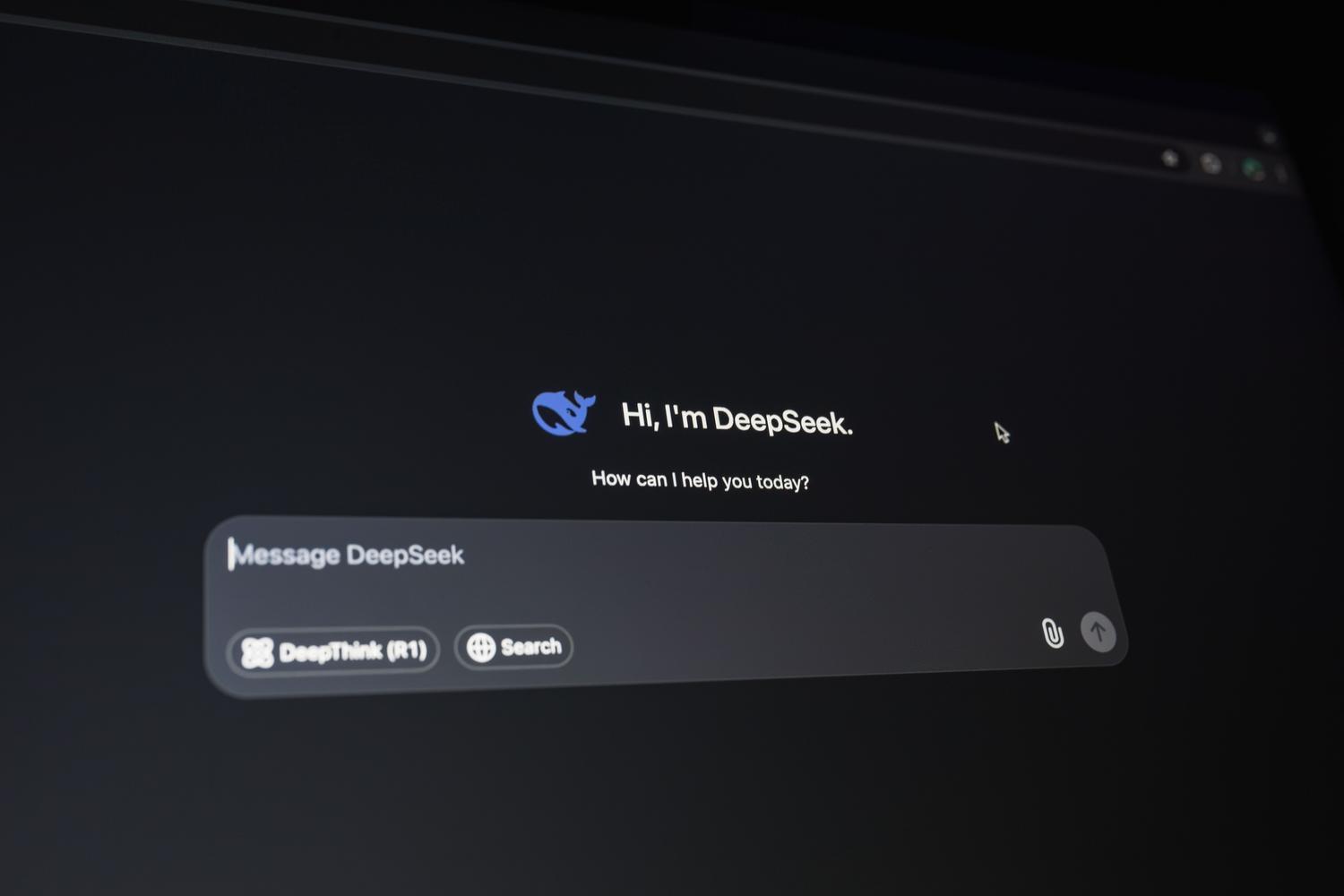
In the rush to move quickly, many overlook cybersecurity, which is a huge danger. You can't introduce sensitive information, customer data, or strategic secrets into an AI without knowing how that data is processed and stored . It's essential to establish clear, resilient corporate cybersecurity policies to prevent breaches that could cost the organization dearly.
To prevent the implementation from being perceived as a top-down imposition, communication must be transparent and bidirectional . When employees understand the "why" and "what for" of the project, fear of replacement decreases and commitment to the tool increases, transforming uncertainty into active collaboration.
Technical considerations for agent development
It's not always necessary to build a complex AI agent. If the workflow is well-defined, simpler solutions like LangChain strings or direct API calls are preferable. Agents are useful for open-ended problems, but for linear processes, simplicity wins in terms of stability and cost.
- Performance and cost: It is recommended to start with the most powerful model to set a standard and then go down to a more economical one until you find the point where the quality is still acceptable.
- Structured outputs: Forcing the LLM to respond in formats like JSON greatly facilitates data integration between different nodes of the system.
- Limited responsibilities: Each call to the model should perform only one task. If you need to write and then translate, do it in two separate steps to make debugging easier.
Challenges in industrial and high-precision environments
When we move from the world of software to the industrial environment, the rules change. Here, an error is not a simple bug, but can lead to a catastrophic failure or losses of millions of dollars . Therefore, industrial AI requires extreme sensitivity; it is not enough for the system to be correct 99% of the time if the 1% failure rate is a serious accident.
In these sectors, the "black box" approach is useless. Engineers need results that are explainable and actionable , based on the laws of physics and domain knowledge. Industrial data is often "dirty," with a lot of noise and imbalances (few examples of failures because machines rarely break down), which necessitates thorough data refinement before feeding any algorithm.
The successful integration of artificial intelligence depends on a delicate balance between technological ambition and operational pragmatism. Ensuring that the tool enhances human talent, based on clean data, optimized processes, and robust security, is what differentiates a company that simply uses AI from one that truly scales its productivity and competitiveness in today's market.