- A wireless network transmits data between devices without cables, using radio waves or infrared.
- Common technologies: Wi-Fi for Internet access, Bluetooth for short-range connections, and cellular networks for wide coverage.
- Advantages: mobility, flexible access and scalability; disadvantages: interference, lower range/speed and security risks.
- For secure use: encryption, strong passwords and updated firmware; avoids sensitive transactions on public networks.
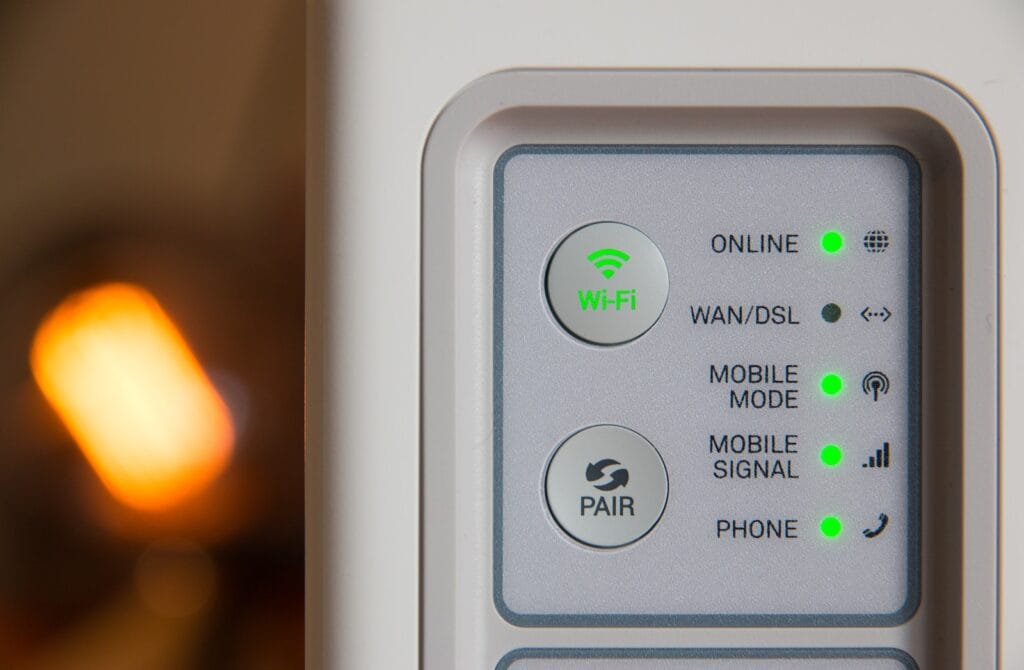
Wireless networking is a technology that has revolutionized how we connect and communicate in the digital age. With the growing demand for mobile devices and the need to be constantly connected, wireless networks have become indispensable in our daily lives. In this article, we'll explore what wireless networking is , how it works, and how it has transformed our lives.
Wireless Network What is it?
A wireless network is a communication infrastructure that allows data transmission between electronic devices without the need for physical cables. Unlike traditional wired networks, which use Ethernet cables to establish connections, wireless networks use radio or infrared signals to transmit data wirelessly.
How Does a Wireless Network Work?
Wireless networks use technologies such as Wi-Fi (Wireless Fidelity) and Bluetooth to transmit data from one device to another. These technologies use radio waves to send and receive signals between devices.
When a device connects to a wireless network, a connection is established between the device and the wireless access point , which is the device that transmits and receives radio signals. The wireless access point is connected to a larger network, such as the internet, allowing the device to access online resources and services.

Types of Wireless Networks
There are several types of wireless networks , each designed to meet different needs and provide varying levels of coverage and speed. Some of the most common types of wireless networks are:
- Wi-Fi: It is the most widely used technology for wireless networks in domestic and business environments. It allows Internet connection and data transmission through radio waves.
- Bluetooth: It is a short-range technology that is mainly used for connecting devices peripherals, such as headsets, keyboards, and mice, to a host device, such as a mobile phone or computer.
- Cellular networks: These networks use cell towers phone to provide wireless connectivity to mobile devices over wider geographic areas. They enable the transmission of voice and data via radio signals.
Advantages and Disadvantages of Wireless Networks
Wireless networks offer numerous advantages , but they also have some disadvantages. Below are some of the main advantages and disadvantages of wireless networks:
Advantages
- Convenience: One of the main advantages of wireless networks is the convenience they offer. With a wireless network, users can access the Internet and share resources without the need for physical cables, providing greater flexibility and mobility.
- Internet AccessWireless networks allow users to access the internet from anywhere within the network's coverage range. This is especially useful in business environments, where employees can access online resources and communicate efficiently without needing to be physically connected by cables. You can consult the section on what a computer network is used for to better understand these uses. access online resources.
- ScalabilityWireless networks are highly scalable, meaning that new devices can be added to the network without the need for significant changes to existing infrastructure. This makes it easy to expand the network as demand increases.
Disadvantages
- Interferences: Wireless networks can be affected by external interference, such as other wireless networks nearby or electronic devices emitting radio signals. This can cause a degradation in connection quality and affect data transfer speeds.
- SecurityWireless networks are more vulnerable to security attacks compared to wired networks. If they are not implemented adequate security measuresAs an IPS, hackers can intercept and access information transmitted over the wireless network.
- Speed and range limitations: Wireless networks have limitations in terms of speed and range compared to wired networks. Data transfer speed and signal range may decrease as the distance between your device and the wireless access point increases.
Frequently Asked Questions about Wireless Network what is it
Below are some frequently asked questions about wireless networks:
1. What is the difference between a wireless network and a wired network?
- In a wireless network, devices connect to each other and to the Internet through radio or infrared signals, while in a wired network, physical cables are used to establish connections.
2. How can I improve my wireless network signal?
- You can improve your wireless network signal by locating the wireless access point in a centralized, unobstructed location, avoiding interference from other electronic devices, and using repeaters or signal boosters if necessary.
3. Is it safe to use a wireless network?
- If appropriate security measures are implemented, such as using strong passwords and data encryption, a wireless network can be secure. It is important to follow security recommendations and keep device firmware updated. protect the network from potential threats.
4. Can I connect to a public wireless network?
- Yes, you can connect to a public wireless network, such as those found in coffee shops or airports. However, you should be cautious when using public networks, as they may be less secure than private networks. Avoid making financial transactions or sharing sensitive information while connected to a public network.
5. What is the latest standard for Wi-Fi wireless networks?
- The latest standard for Wi-Fi wireless networks is the Wi-Fi 6 (802.11ax)This standard offers significant improvements in speed, capacity, and energy efficiency compared to previous standards.
6. What devices can connect to a wireless network?
- A wide variety of devices can connect to a wireless network, including mobile phones, tablets, laptops, smart TVs, security cameras, smart thermostats, and many others. Wi-Fi enabled devices.
Conclusion
What is a wireless network? A wireless network is a technology that allows us to establish connections and transmit data without the need for physical cables. Through technologies like Wi-Fi and Bluetooth, wireless networks have revolutionized the way we communicate and connect in the digital age. While they offer many advantages in terms of convenience and accessibility, they also present challenges in terms of security and performance. However, with the proper precautions, wireless networks can provide reliable and efficient connectivity.
Ultimately, wireless networks have changed the way we live and work, giving us the freedom to be connected anytime, anywhere. It's important to understand how these networks work and how to use them securely to reap their full benefits.