- Fiber optic repair requires the use of high-precision machinery such as fusion splicers to avoid data loss.
- It is essential to perform a thorough cleaning of the glass cores to ensure that the light signal flows without interference.
- Preventive maintenance and mechanical protection are the best defense against accidental cuts and environmental degradation.
Today, fiber optics is essentially the backbone of the internet; without it, we'd be back to square one in terms of data speed. This system, which uses extremely thin strands of glass or plastic , allows information to travel through pulses of light, making it infinitely more efficient than old copper. However, despite being cutting-edge technology, it's surprisingly delicate, and any mishap can leave us without a connection in the blink of an eye.
When a fiber optic cable breaks or is damaged, simply joining the wires and applying some electrical tape isn't enough, because we're talking about microscopic precision and light . To fix the problem, you have to follow very strict steps and use tools that aren't usually found in a home toolbox. In this article, we'll break down everything you need to know to repair a fiber optic line, from detecting the fault to restoring it to like-new condition.

What exactly is fiber optics and why is it so special?
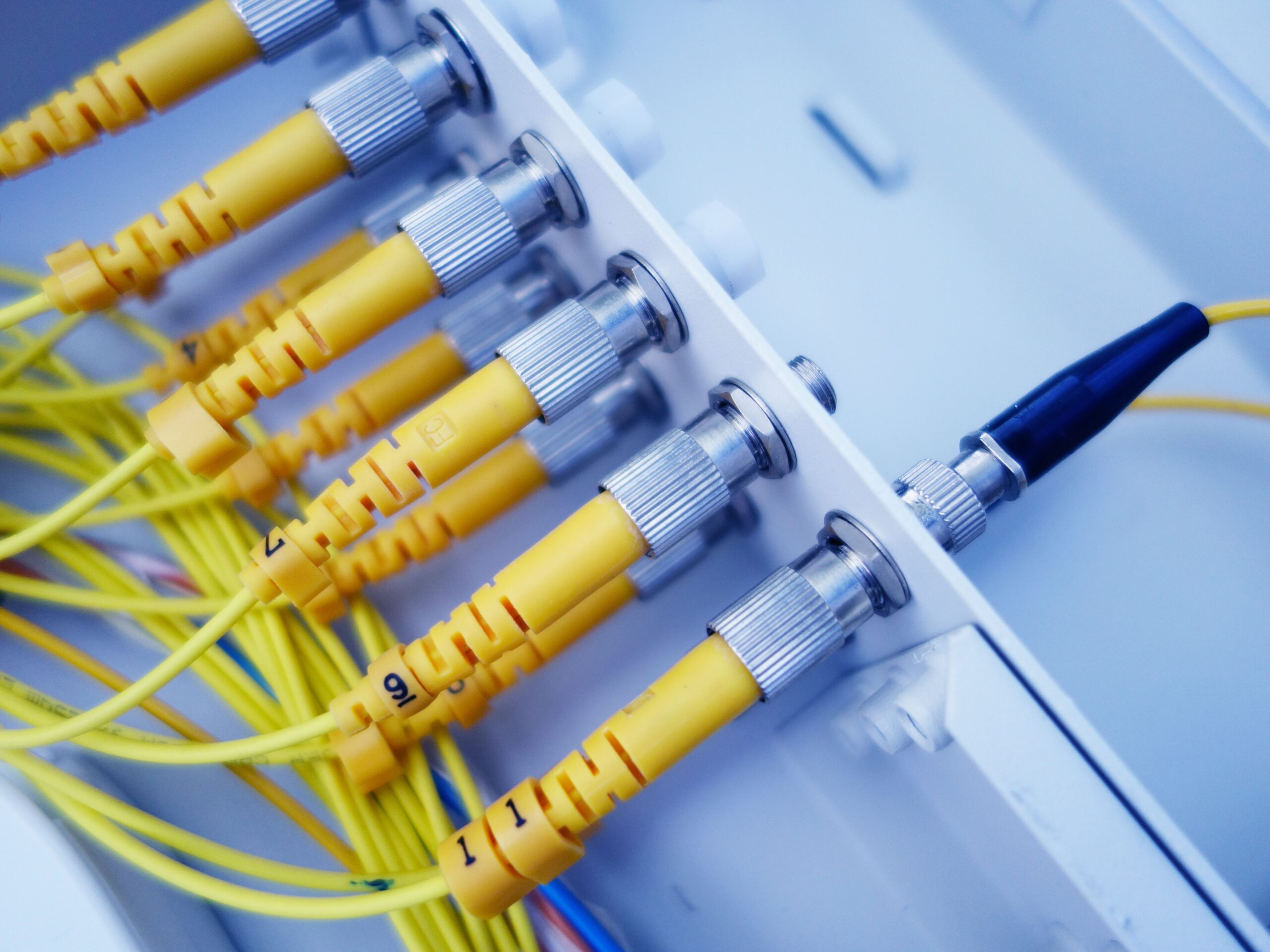
To understand how to fix it, we first need to know what we're dealing with. A fiber optic cable consists of a central core that carries the light , surrounded by a cladding that acts like a mirror to prevent the signal from escaping. All of this is encased in a protective jacket that attempts to prevent the inner glass from breaking. Its main advantage is that it can transmit massive amounts of data over very long distances without the signal losing strength, something copper simply cannot do.
The most common problems and what causes them
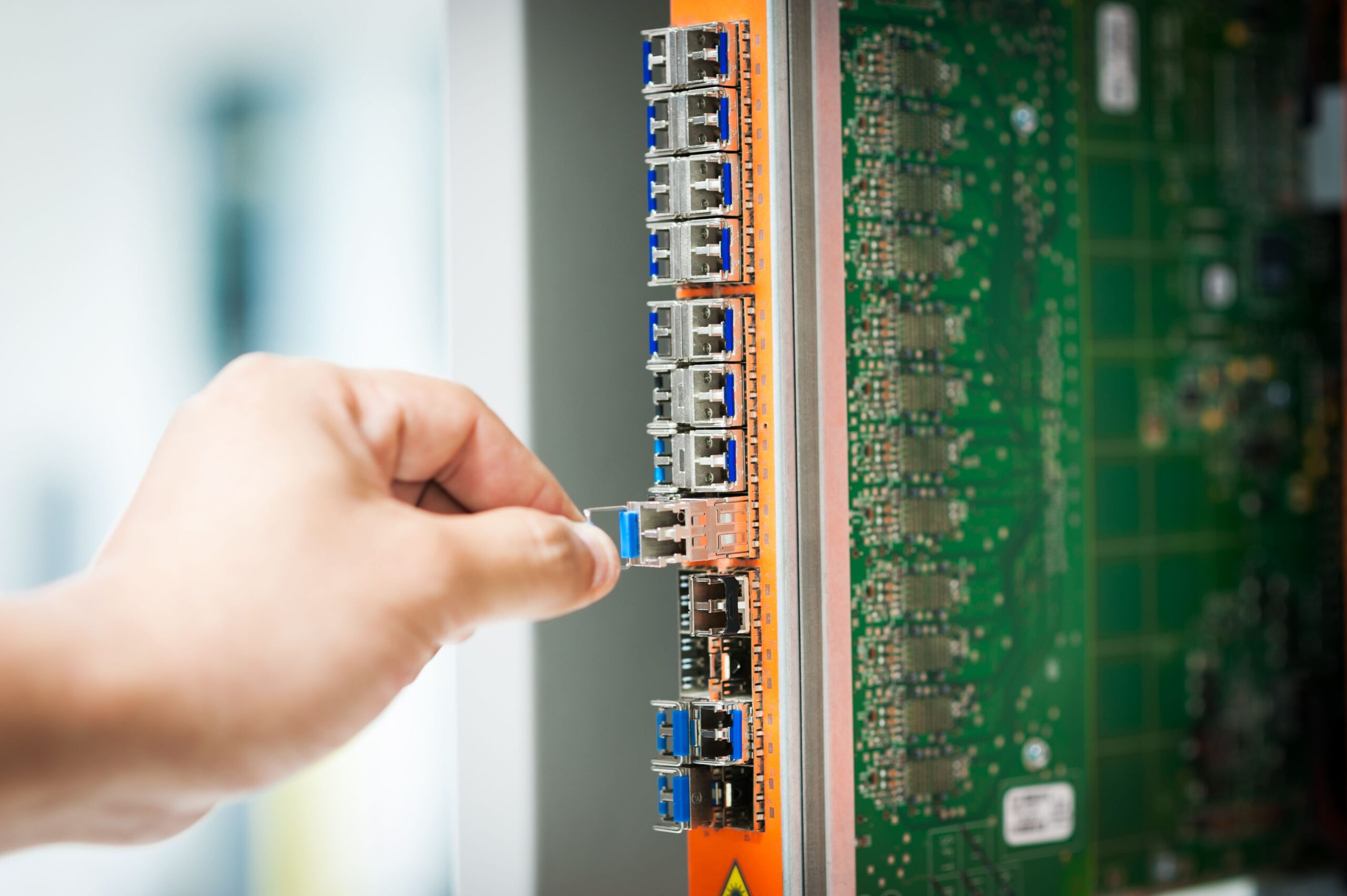

Unfortunately, the fiber is quite fragile. One of the most common problems is physical damage caused by animals , especially rodents that gnaw on the coating. The environment also plays a significant role: excessive humidity or sudden temperature changes can degrade the materials and cause the signal to weaken.
But it's not all nature's fault. Sometimes, the problem stems from shoddy installation . If the cable is bent at excessively sharp angles (what we call macro-bends) or if too much mechanical stress is applied during laying, the internal fibers can fracture. Furthermore, if proper conduits or shielding aren't used , the cable is exposed to any number of accidents, from street construction to an accidental tug.
Essential tools for the repair kit
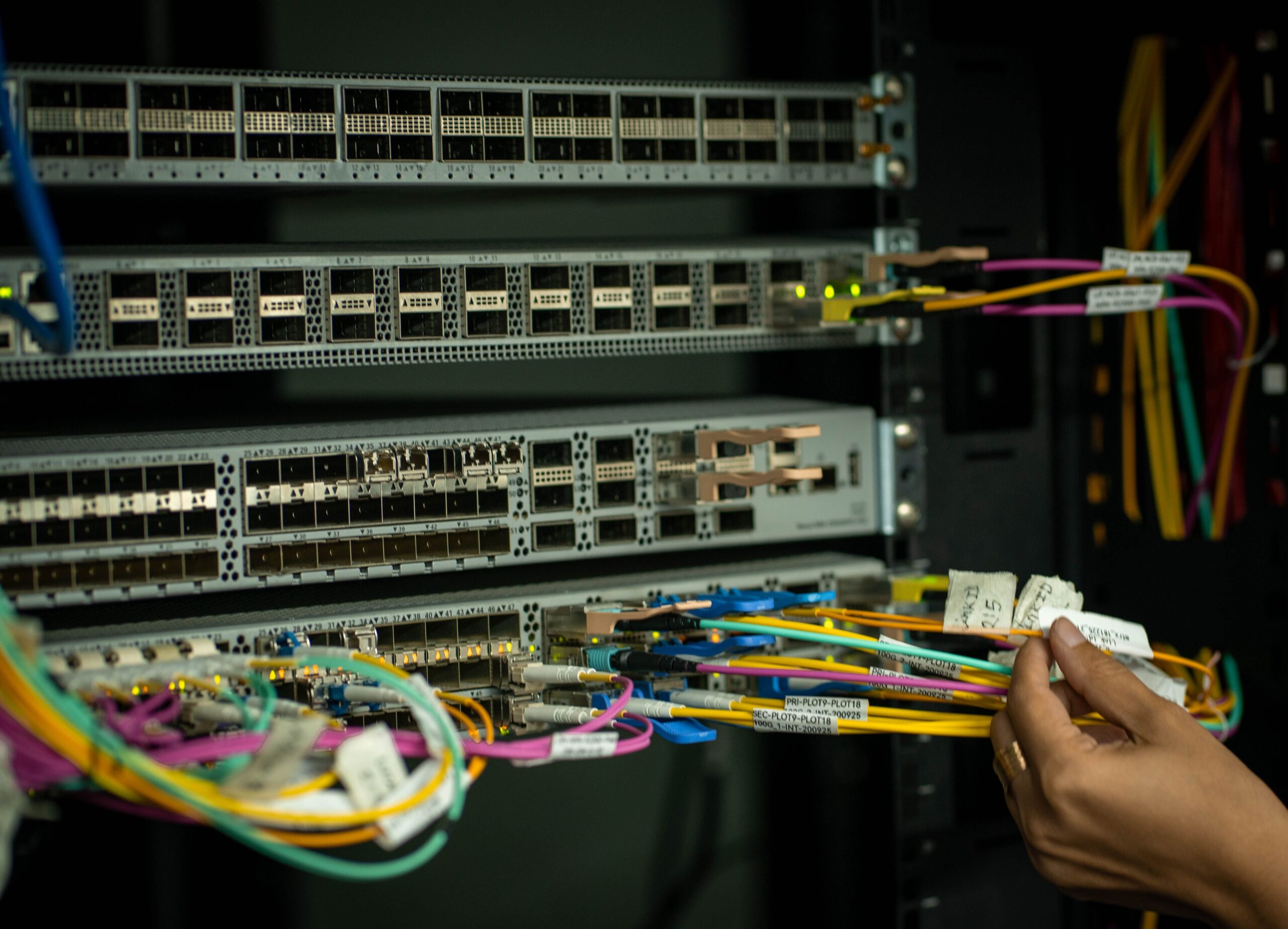
If you're going to repair a line, you can't go in blind. You need specialized equipment to make the connection invisible to light. Here are the basics:

- OTDR (Optical Reflectometer): It is the star device for pinpointing exactly where the cut is by sending light pulses.
- Fusion splicer: A machine that melts the two ends of glass using an electric arc.
- Wire strippers and precision cutters: Tools designed to remove the protective coating and make perfect perpendicular cuts.
- Cleaning supplies: Isopropyl alcohol and lint-free cloths to ensure not a single speck of dust remains.
- Heat shrink sleeves: Tubes that shrink with heat to protect the welded area.
Step-by-step process to fix the problem
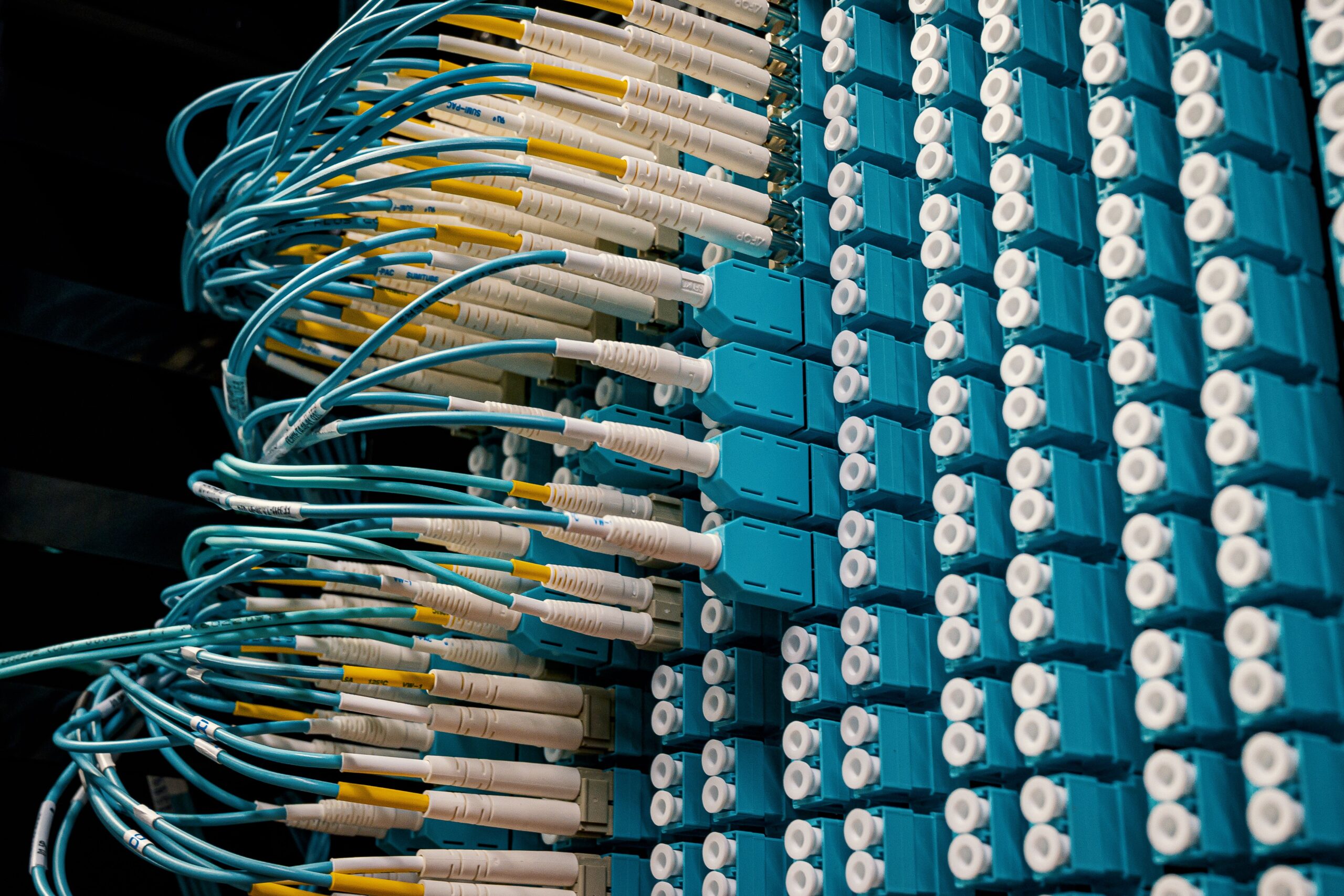
The first step is to pinpoint the exact location of the damage . We can't just start stripping wires randomly. A visual inspection can reveal obvious breaks, but the most professional approach is to use an OTDR, which provides a detailed map of the line and tells us how many meters away the break is. Once located, we isolate the area to prevent interference.
Fusion splicing technique
When the cable is completely cut, fusion splicing is the best option. First, we use a fiber stripper to carefully expose the bare fiber . Then, we meticulously clean the fiber; any dirt here would be a disaster. Next, a precision cleaver makes a clean cut, and a splicer aligns and fuses the cores. Finally, we apply heat-shrink tubing so the splice isn't a weak point in the cable.

Mechanical splicing technique
If we don't have a fusion splicer available or need a quick solution, we can resort to mechanical splicing. Here, the ends are aligned and secured using special adhesives or clamps inside a connector. While simpler and faster, it's important to note that signal loss is greater than with fusion splicing, making it less than ideal for critical networks.
How to prevent it from happening again: Maintenance and prevention
To avoid having to deal with all this every other day, it's best to be proactive. Regular inspections allow you to detect cracks or bends before service is completely interrupted. It's essential that cables are in well-ventilated areas and protected from foot traffic or trampling.
Another key point is to always respect the cable's bend radius during installation; if you force it too much, you'll create micro-cracks that will eventually cause problems. Furthermore, in challenging environments, installing cables inside rigid protective conduits is the only way to guarantee they'll last for years without issues.
When to call a professional?
While some tasks may seem simple, components like attenuators or complex couplers require specific certification. Attempting to repair a business network without the proper expertise can worsen the situation and ultimately cost significantly more in extensive repairs. A certified technician not only has the necessary equipment but also knows how to validate the quality of the splice with power tests to ensure the network performs flawlessly.
